
Film
Outrage
Other titles called Outrage: the 1986 film.
Kirby Dick's 2009 documentary confronts the hypocrisy of closeted politicians who publicly support anti-gay legislation while living secret lives. It's an angry, necessary film that names names and presents evidence, made for people furious at the gap between private truth and public harm. Watching it feels like being handed ammunition during a moral reckoning.
If you liked this
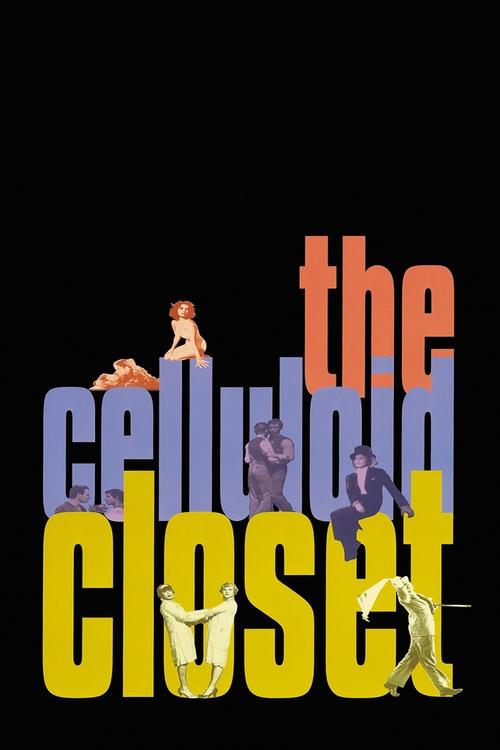
The Celluloid Closet1996
Rob Epstein and Jeffrey Friedman's essential history of how Hollywood depicted and erased gay people across a century. A scholarly companion piece that shows the cultural infrastructure Outrage is fighting against.
But It's structurally a lecture—lots of clips and talking heads, not a narrative. The pacing assumes your patience.
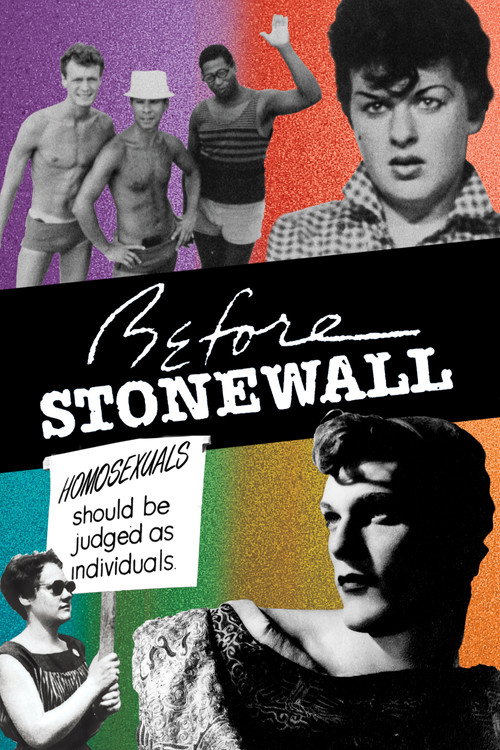
Before Stonewall1984
A documentary collage of voices from pre-Stonewall America, showing the lived reality that made Outrage's anger inevitable. Raw, intimate, and historically crucial without being didactic about it.
But Lower production values and less cohesive editing than modern documentaries. It can feel scattered if you're looking for a tidy argument.
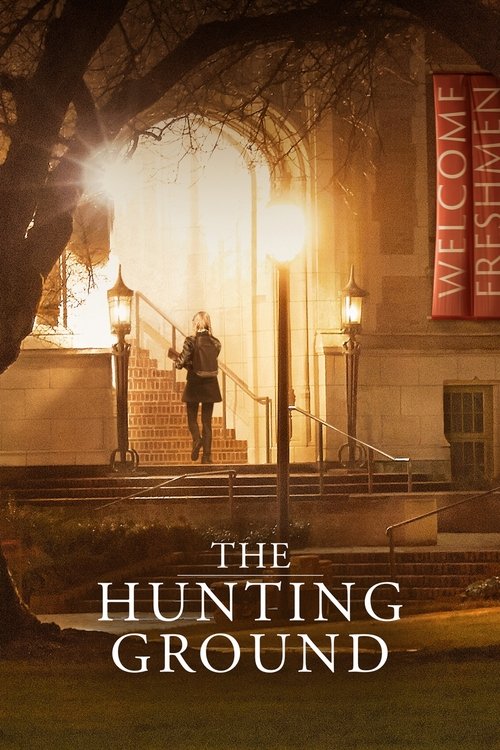
The Hunting Ground2015
Kirby Dick examining another institution's failure to protect vulnerable people—campus sexual assault. Similar method: investigative journalism as moral fury, evidence presented as indictment.
But Some critics argued the film occasionally conflated incidents in ways that blurred rather than clarified. It's confrontational rather than forensic.
Not sure tonight? Get a pick in a minute, starting from Outrage
The wildcard
Something you would not have found on your own.
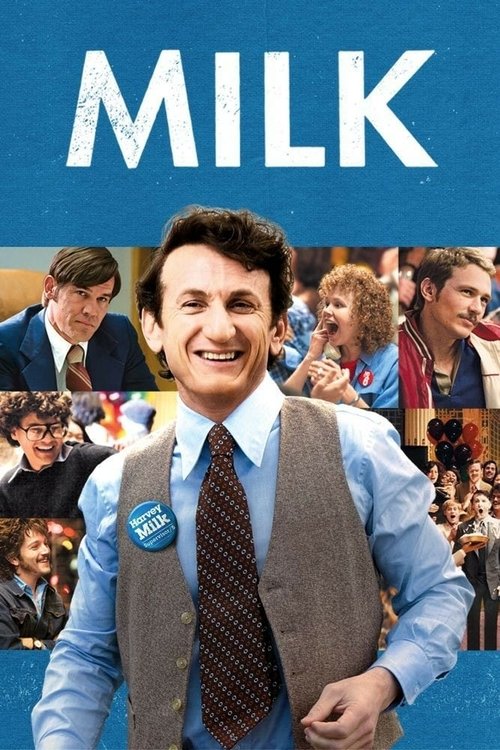
Milk2008
Both are 2008-2009 films about gay political identity in America. Milk asks 'what would courage look like?' Outrage asks 'why are we choosing cowardice?' They're two halves of the same moral argument.
Gus Van Sant's narrative film about Harvey Milk, released the same year Outrage premiered. It's the opposite approach: dramatization instead of documentary, inspiration instead of indictment, but aimed at the same moral question about visibility and power.
But Emotionally manipulative in ways documentaries rarely are. Some will find it cathartic; others will resent the cinematography doing emotional work that should come from events.
More like this (6)
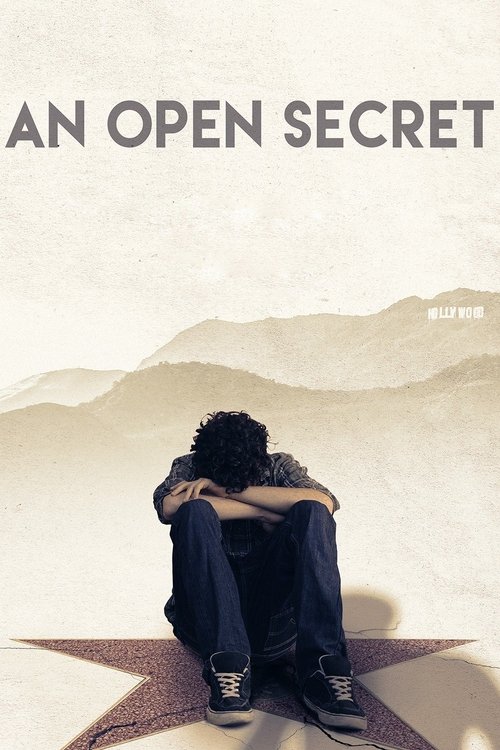
An Open Secret2014
A documentary about abuse in Hollywood that takes institutional complicity seriously. It understands how power and secrecy enable harm, much like Outrage but in a different domain.
But The subject matter is extremely disturbing. It's not just anger—it's horror, and you may need to prepare yourself.
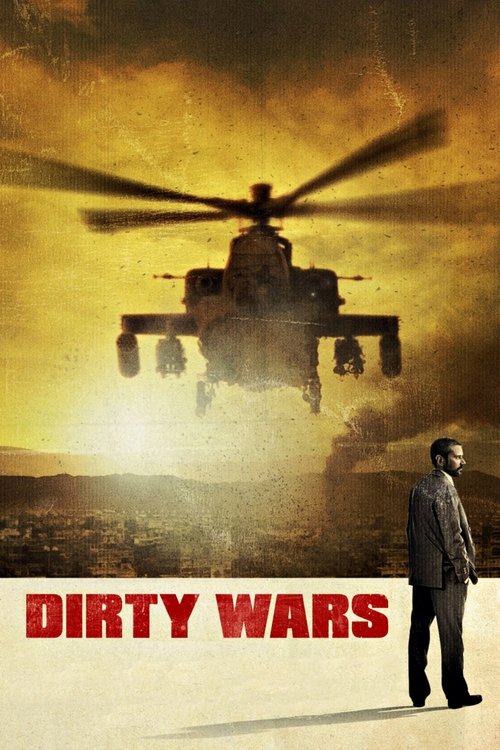
Dirty Wars2013
Jeremy Scahill following the threads of American military action to expose uncomfortable truths. Same investigative intensity and willingness to follow evidence where it leads, even when inconvenient.
But Complex geopolitical terrain that requires attention. It doesn't simplify its subject for accessibility, which means you might feel lost.
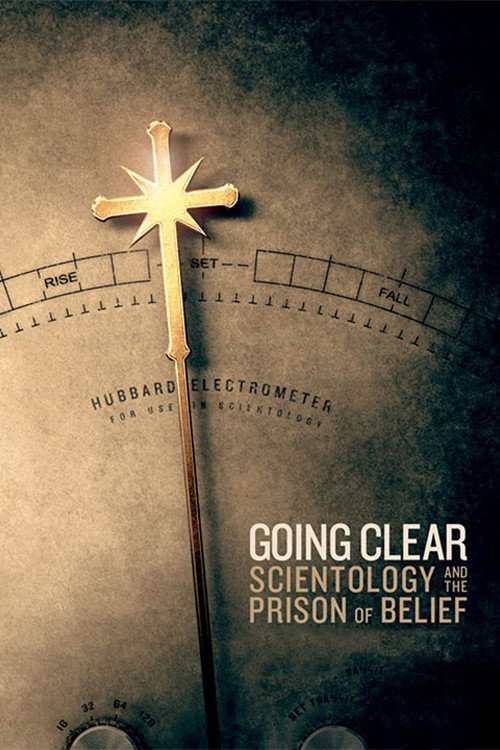
Going Clear: Scientology and the Prison of Belief2015
Alex Gibney investigating an organization built on coercion and secrecy, with ex-members speaking out. The structural parallels to Outrage are striking: power hiding behind ideology, evidence that contradicts the official story.
But Very long, and the Scientology rabbit hole gets genuinely Byzantine. You need stamina and patience with complexity.
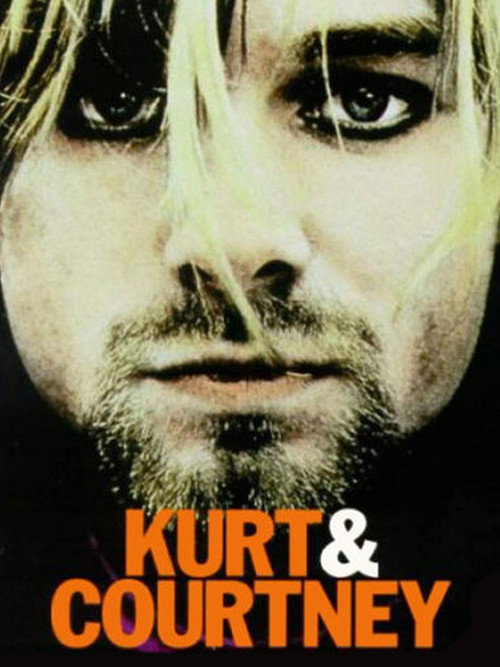
Kurt & Courtney1998
Nick Broomfield's early documentary essay investigating the death of Kurt Cobain, using the filmmaker's own investigation as part of the film. Early example of investigative documentary as cultural argument.
But It's a different era of documentary style—less polished, more digressive. Some will find it dated; others will find it insufficiently conclusive about its own claims.
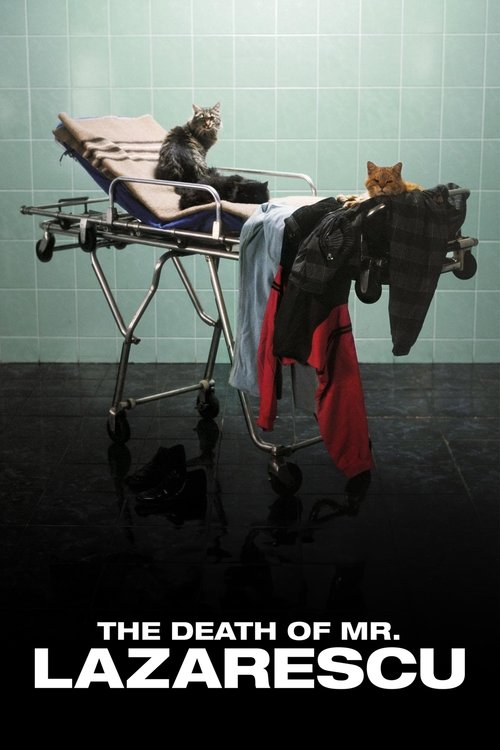
The Death of Mr. Lazarescu2005
Both are sustained investigations of institutional harm to marginalized people. Neither offers comfort. Both insist you bear witness rather than feel vindicated.
Cristi Puiu's Romanian film following an elderly man trying to get help through a callous, broken medical system. It's a 150-minute refusal to look away from institutional indifference—slow, painful, infuriating in exactly the way Outrage is.
But Deliberately paced to feel like waiting. It's not interested in catharsis or resolution. If you wanted anger, this will bore you before it enrages you.
The Act of Killing2012
Both films believe that bearing witness and naming what happened are acts of justice when the legal system has failed. Both make you complicit by watching, and both know it.
Joshua Oppenheimer films Indonesian death squad leaders recreating their mass murders for the camera, a documentary so morally vertiginous it becomes philosophical. Where Outrage names hypocrisy, this films perpetrators unaware of their own moral emptiness.
But Extremely difficult to watch. It's complicit by necessity—you're watching men brag about genocide. Some will find it exploitative; others will say that discomfort is the point.

People
Cast
 Tammy BaldwinSelf
- Wayne BarrettSelf
- Elizabeth BirchSelf
- Chris BullSelf
- John ByrneSelf
- David CataniaSelf
- Gary CatheySelf
- Steven ClemonsSelf
- Mark CromerSelf
- Kirk FordhamSelf
 Barney FrankSelf
- Neil GiulianoSelf
Directing
- Kirby DickDirector
Writing
- Kirby DickWriter
Production
- Ashley YorkAssociate Producer
- Tam NguyenAssociate Producer
- Tanner King BarklowCo-Producer
- Bruce BrothersExecutive Producer
- Chad H. GriffinExecutive Producer
- Jason JanegoExecutive Producer
- Kimball StroudExecutive Producer
- Ted SarandosExecutive Producer
- Tom QuinnExecutive Producer
- Amy ZieringProducer
- Monica AlbaProduction Coordinator