Film
American Chaos
American Chaos follows Trump supporters across the country in 2016, giving them space to explain their convictions without much editorial judgment. It's curious rather than combative—a portrait of people rather than a sermon. For viewers hungry to understand the other side, or those wrestling with how their friends could vote that way.
Should you watch it?
Watch it if you're curious how a divided election felt from the rallies and kitchen tables of Trump's backers, and you'd rather judge those people yourself than read another op-ed about them.
Skip it if you want a tidy argument or a clear verdict; this film stays close to its subjects and leaves the big political questions loose, so it can feel unfocused.
What it asks of you: Ninety minutes that run at a patient, observational pace, with a tone that stays watchful rather than fiery, so give it your full attention.
Not sure? Find tonight's pick in a minute.
If you liked this
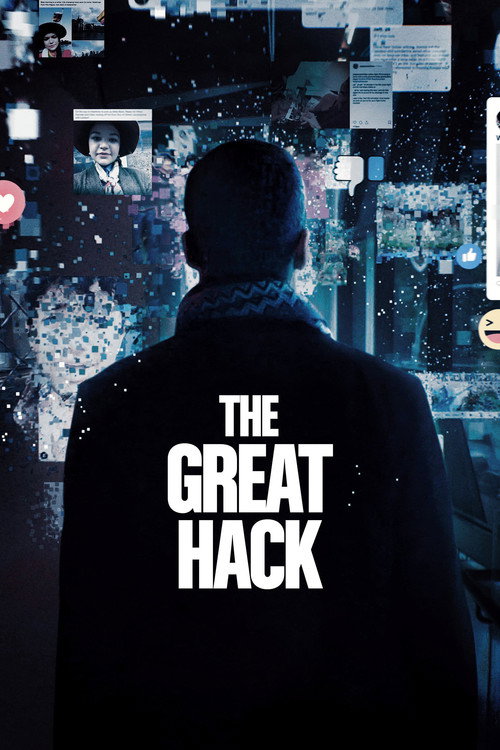
The Great Hack2019
How Cambridge Analytica weaponized Facebook data to shift elections worldwide. Urgent, intricate, and it explains the machinery behind the chaos you're watching.
But Conspiracy-adjacent at moments, and the human stakes sometimes get buried under technical detail.
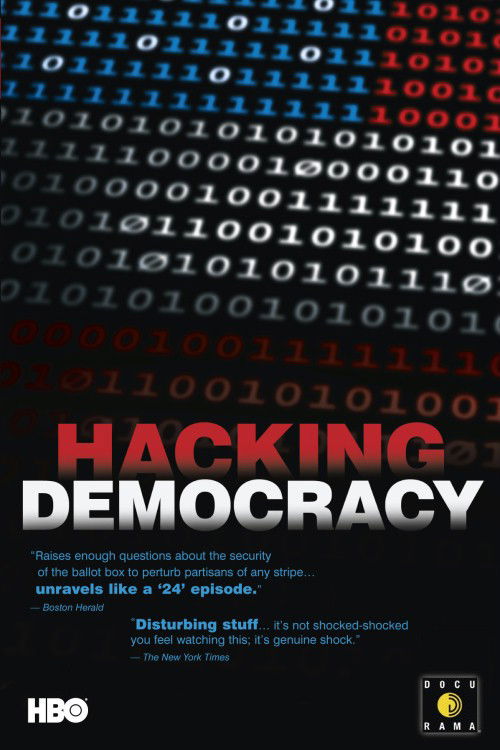
Hacking Democracy2006
Questions voting machine integrity before anyone was talking about election security. Careful, methodical, and genuinely unsettling about how little oversight exists.
But Frustratingly inconclusive—no smoking gun, just a lot of 'we don't really know,' which is exactly the problem but also not entirely satisfying.
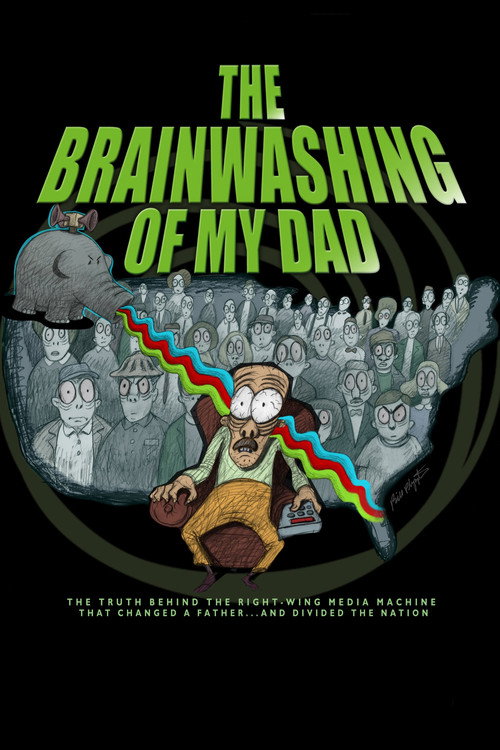
The Brainwashing of My Dad2015
One woman's documentary about her father's radicalization by Fox News. Tender, baffled, personal—she loves him and doesn't understand him, which is the whole issue.
But The filmmaking is rough around the edges. It feels small because it is, and that's intentional but not everyone wants small.
Not sure tonight? Get a pick in a minute, starting from American Chaos
The wildcard
Something you would not have found on your own.
The Act of Killing2012
Both films attempt to let subjects speak their own logic without interruption, to understand conviction rather than dismiss it—but The Act of Killing shows what happens when that conviction has already destroyed thousands of people.
A Bangladeshi filmmaker interviews men who committed genocidal mass murder, asking them to reenact their crimes. Hypnotic and horrifying, it gets at how ideology justifies atrocity and how perpetrators rationalize themselves.
But Extremely difficult. The reenactments are stylized but the subject is real mass death. You're watching murderers perform and laugh, which is the point and also nauseating.

More like this (5)
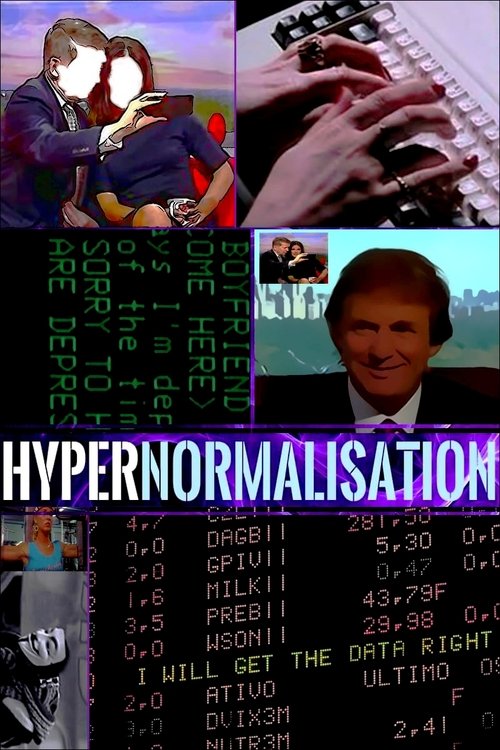
HyperNormalisation2016
Adam Curtis's dizzying essay on how we stopped believing in the future and became obsessed with the spectacle. 2016 makes sense after this, if sense is possible.
But Curtis is deliberately non-linear and hypnotic—some find it brilliant, others find it exhausting and a bit much.
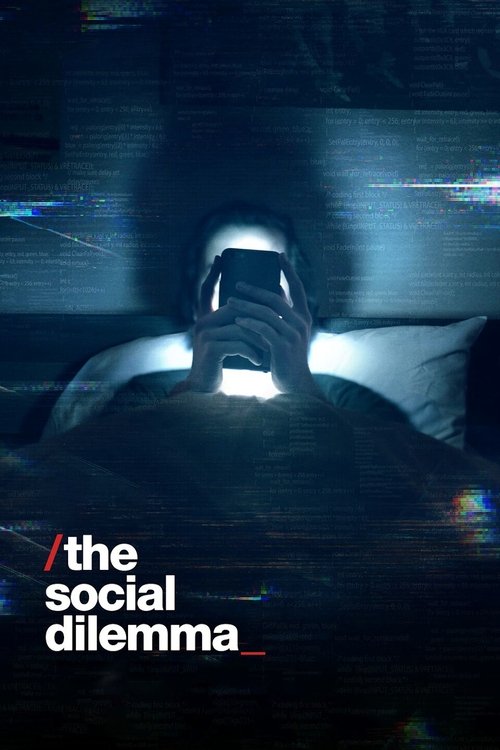
The Social Dilemma2020
Silicon Valley insiders explain how recommendation algorithms radicalize us while chasing engagement. Clear-eyed, alarming, and it explains why nuance dies online.
But Leaning toward alarmism, and the dramatic reconstructions in the middle section are unnecessary and clunky.
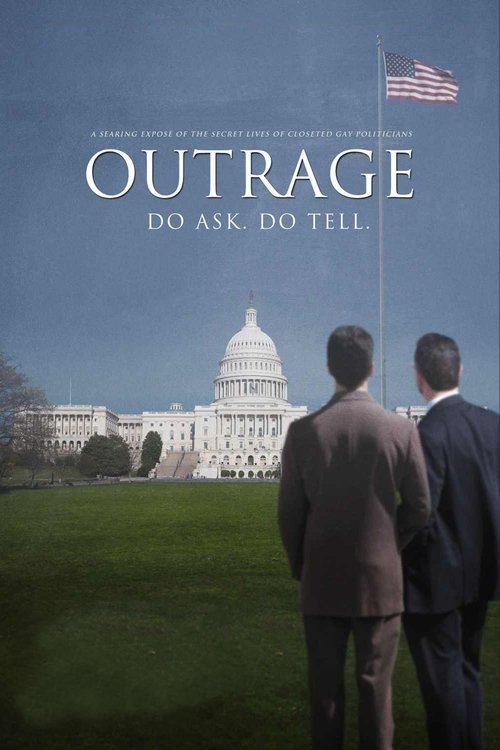
Outrage2009
Kirby Dick examines closeted Republican politicians who vote against LGBTQ+ rights. Furious and deserved, it shows hypocrisy as a kind of violence.
But Made in 2009 with a very specific target. The politics are unambiguous, which is the point, but that point lands differently now.
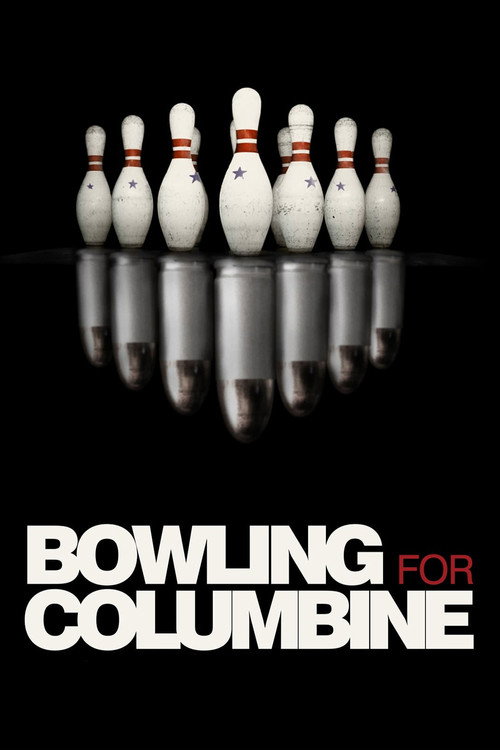
Bowling for Columbine2002
Like American Chaos, it's asking why Americans believe what they believe and make the choices they do—but Moore arrives with answers, while the 2016 film arrives with questions.
Michael Moore's 2002 essay on gun violence, American exceptionalism, and fear as the engine of policy. Now it's a portrait of pre-9/11 America, which is wild and sad to rewatch.
But Moore's gotcha ambush interviews feel dated and sometimes cheap. He's so visible as the protagonist that the inquiry becomes about him rather than the issue.
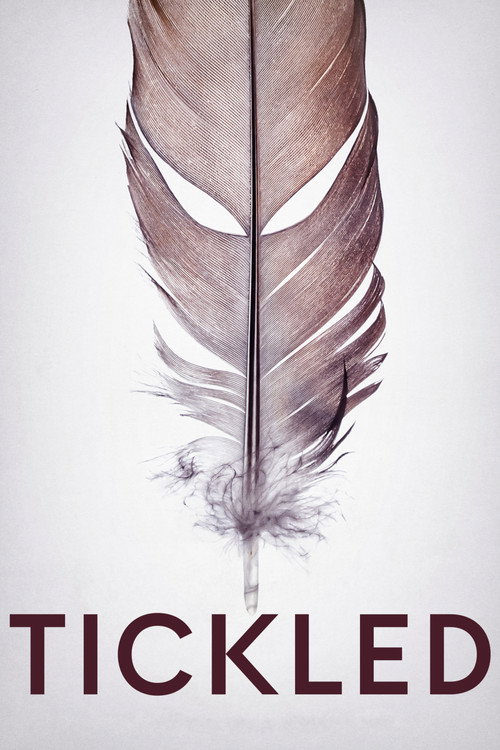
Tickled2016
Starts in one place (tickling) and ends somewhere else entirely (power, manipulation, the grotesque things we hide online). Like American Chaos, it reveals how internet subcultures and communities can feel completely incomprehensible from the outside, and how people rationalize participating in them.
A documentary about competitive tickling that spirals into obsession, harassment, and a conspiracy that makes you question reality. Genuinely disorienting and funny and dark in equal measure.
But It's a bit of a lark—the subject matter is bizarre, and some might feel manipulated by the premise once they realize where it's going. Not a serious political tract.