
Film
The Brainwashing of My Dad
A daughter documents how her father's immersion in right-wing media transformed his worldview and fractured their family. Rather than lecturing, director Jennifer Senko traces the ecosystems that amplify outrage and isolation, asking hard questions about media, belief, and the people we thought we knew. It's intimate, worried, and unflinching.
Should you watch it?
Watch it if you want a personal, first-person documentary where a family's kitchen-table arguments carry the political argument, and you're curious how talk radio and cable news got into one household.
Skip it if you want a sharp, analytical look at media economics, since this leans on one family's pain more than on hard data and its argument can feel one-sided.
What it asks of you: Ninety minutes of mostly sit-down interviews and tense domestic moments, moving at a steady, talky pace with little urgency and few lighter beats.
Not sure? Find tonight's pick in a minute.
If you liked this
The Persuaders2004
Michelle Dent and Kurt Anderson's elegant examination of how persuasion works in politics and advertising, using the same calm, curious tone. It's about manipulation without contempt for the manipulated.
But Takes a step back from the partisan specifics to discuss technique. Some want more direct confrontation.
Merchants of Doubt2014
Robert Kenner tracks how industries manufacture uncertainty and confusion on climate, tobacco, and other issues. Meticulous, sometimes darkly funny, and explains the playbook your dad might be caught in.
But Dense with talking heads and historical detail. Requires patience and focus.
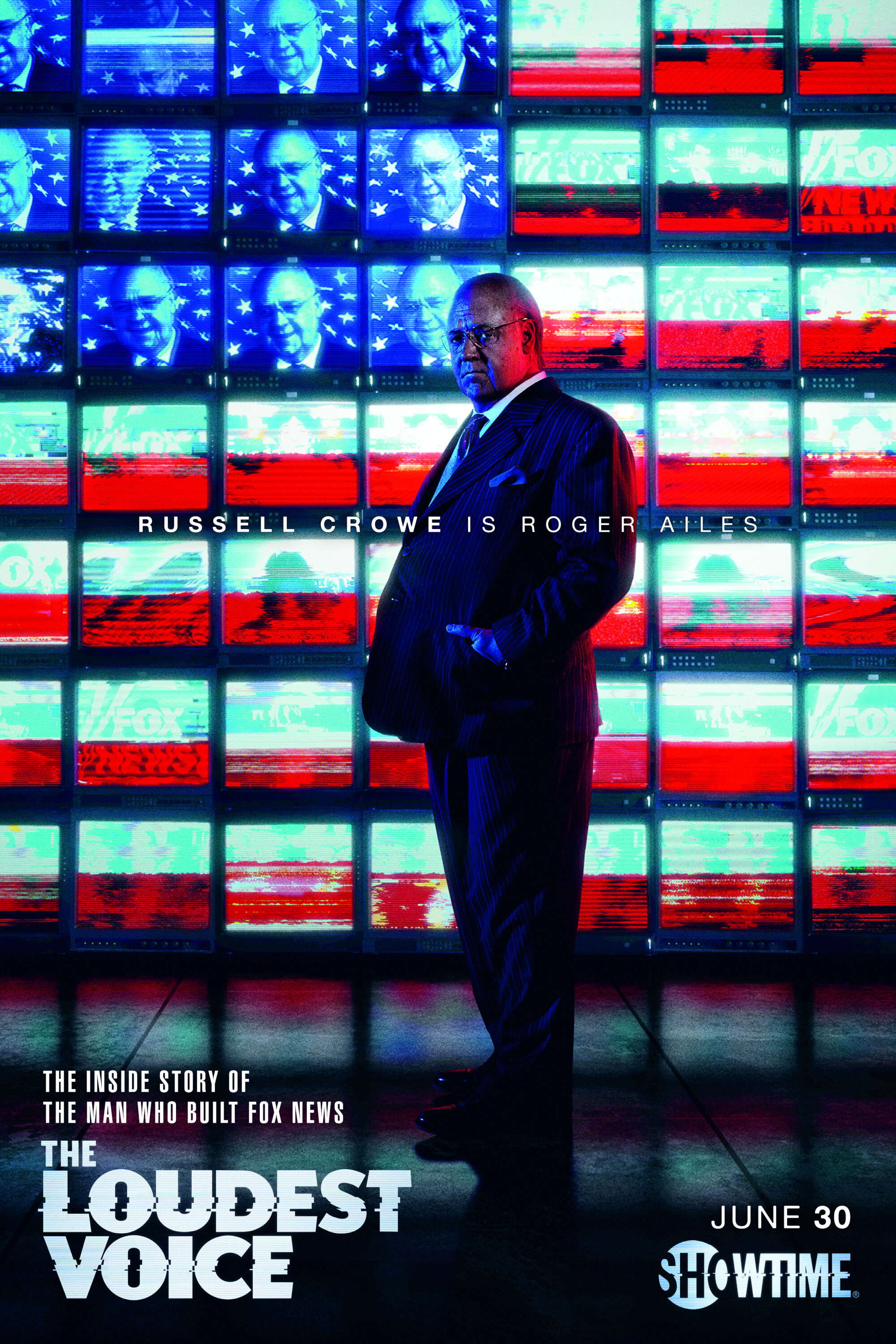
The Loudest Voice2019
Russell Crowe embodies Roger Ailes and the machinery he built at Fox News. A dramatic exploration of how one man engineered an empire and shaped millions of minds, based on court documents and reporting.
But Some scenes are difficult and the portrait is unsparing. The second half loses momentum.
Not sure tonight? Get a pick in a minute, starting from The Brainwashing of My Dad
The wildcard
Something you would not have found on your own.
Winter Light1963
Both explore how people cling to systems of belief when the world feels chaotic and abandoning. Where Senko observes the mechanism, Bergman dramatizes the psychological void it fills.
Bergman's spare, anguished film about a pastor whose faith erodes into nothing. It's about isolation, the hunger for certainty in an uncertain world, and what happens when institutions fail us. A portrait of vulnerability that precedes and illuminates your dad's search for solid ground.
But Bleak, sparse, and theologically austere. No comforts offered. Some will find it punishingly slow.

More like this (6)
The Social Dilemma2020
Jeff Orlowski interviews ex-Silicon Valley insiders on how algorithms are designed to exploit attention and polarize us. Accessible and builds a clear case about the mechanics underneath the madness.
But Transitions into dramatization in the second half, which blunts the force. Some points oversimplify.
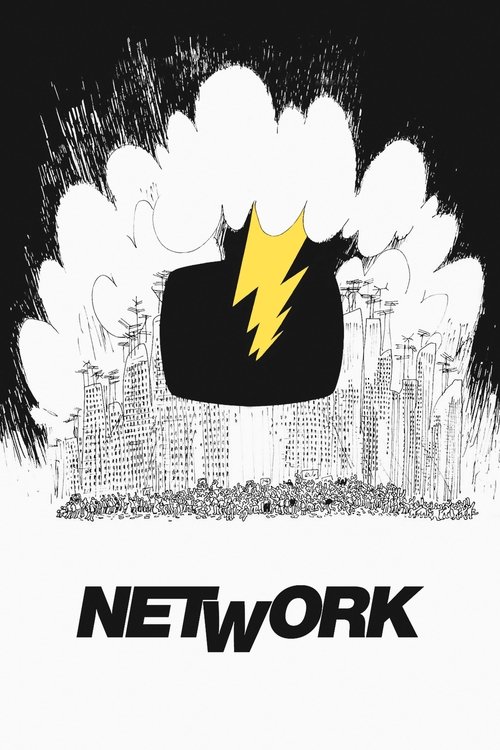
Network1976
Sidney Lumet's prescient satire of broadcast news as spectacle and profit engine. Watching it now feels like prophecy. Faye Dunaway and Peter Finch are electrifying, and it's wildly entertaining.
But A product of its 1970s moment. Some may read it as quaint compared to what actually happened.
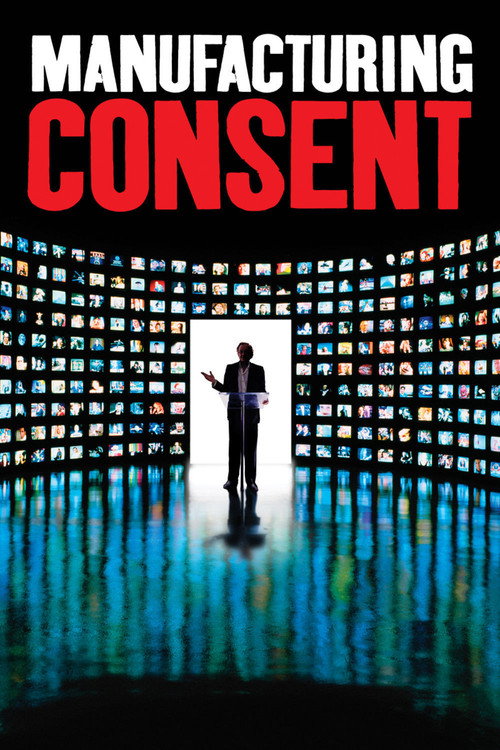
Manufacturing Consent: Noam Chomsky and the Media1992
Mark Achbar and Peter Wintonick document Chomsky explaining how media systems work to serve power and manufacture consent. The intellectual foundation for understanding how your dad's information diet was assembled.
But Chomsky's voice is famously dry and the pacing is academic. Takes work to stay engaged.
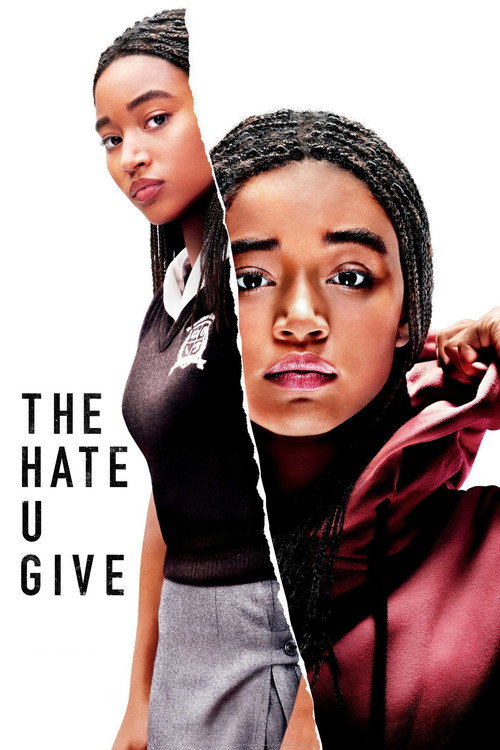
The Hate U Give2018
George Tillman Jr.'s adaptation of Angie Thomas's novel about a young Black activist facing family and community divisions. A bracing portrait of how media narratives shape real conversations and real stakes.
But Aimed at a younger audience. Some may find it less nuanced than they want on systemic questions.
The Fourth Estate2018
Alex Gibney's four-part series follows the New York Times newsroom during the Trump administration. A look at how serious journalists try to report truth in an era of deliberate misinformation and attacks on credibility.
But Heavy on prestige media perspectives. Doesn't engage much with criticism of those institutions from the left.
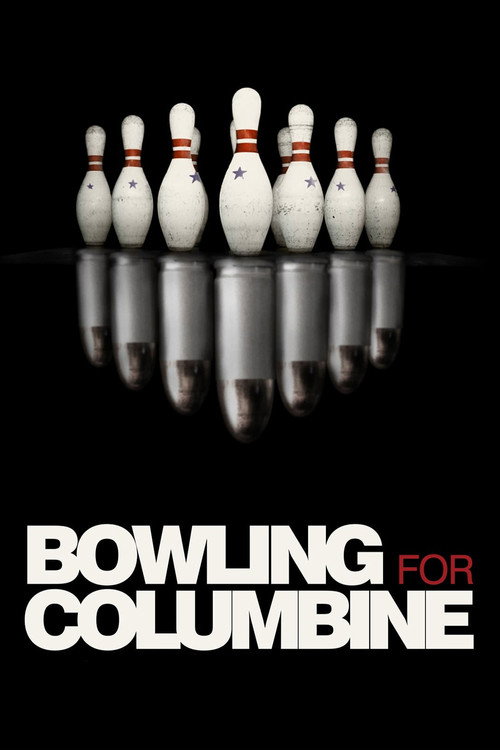
Bowling for Columbine2002
Both examine how media and cultural narratives metastasize into family and national crisis. Moore is cruder and more provocative, but asking the same question: who profits from keeping us terrified of each other?
Michael Moore confronts gun violence, media fear-mongering, and the gap between American mythology and American reality. More personal and less polemical than his reputation suggests. He sits with disagreement rather than steamroll it, and asks why Americans are angrier and more afraid than other wealthy nations.
But Moore's style is combative and some of his editing is unfair. His answers are simpler than his questions deserve.
People
Cast
- Jennifer SenkoHerself - Narrator
 Matthew ModineHimself - Narrator
 Noam ChomskyHimself
- Eric BoehlertHimself
Directing
- Jennifer SenkoDirector
Writing
- Jennifer SenkoScreenplay
- Käla MandrakeScreenplay
- Mel BryantScreenplay
- Jennifer SenkoStory
Production
- Jeff CohenConsulting Producer
- Jodie EvansExecutive Producer
- Ryan SmithExecutive Producer
- Adam RackoffProducer
- Jennifer SenkoProducer
- Matthew ModineProducer
Recommended by
Behind the Curve, The Family, This Place Rules, Welcome to Leith, My Brother the Islamist, Alt-Right: Age of Rage, Q: Into the Storm, American Chaos, What Is a Woman?