
Film
The Fourth Estate
A 98-minute documentary about how the internet upended journalism's business model and transformed what reporting looks like in the digital age. It's urgent without being preachy, following real journalists as legacy media collapses and new forms of truth-telling emerge. Essential viewing for anyone who reads news, works in media, or wonders why journalism feels so fragile right now.
Should you watch it?
Watch it if you find the mechanics of a reporting desk gripping, the arguments over sourcing and headlines and whether a story is ready, and you would rather watch people deliberate than be told what to feel.
Skip it if you want a sharp argument or a single figure to follow, since this is a fly-on-the-wall look at one institution, with many faces and long stretches of meetings.
What it asks of you: Roughly ninety-eight minutes, patient and unhurried, with little narration to steer you, so it expects you to keep up with names and stakes as they arrive.
Not sure? Find tonight's pick in a minute.
If you liked this
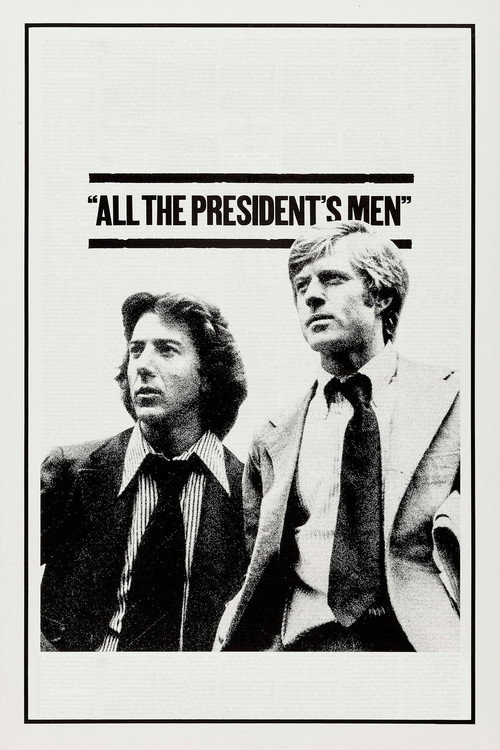
All the President's Men1976
The gold standard of investigative journalism on screen. Two reporters at the Washington Post take down a presidency through shoe-leather reporting, paper trails, and sources willing to talk. It shows why the Fourth Estate mattered and still does.
But Deliberately paced; long stretches of phone calls and research that some find slow. It's about process, not spectacle.
Spotlight2015
Boston Globe reporters spend months uncovering systematic child abuse within the Catholic Church. It's a masterclass in institutional investigation, showing how teams of dogged journalists find truth that powerful people wanted buried.
But Methodical and sombre throughout. There's little levity and the subject matter is devastating. Not designed to entertain.

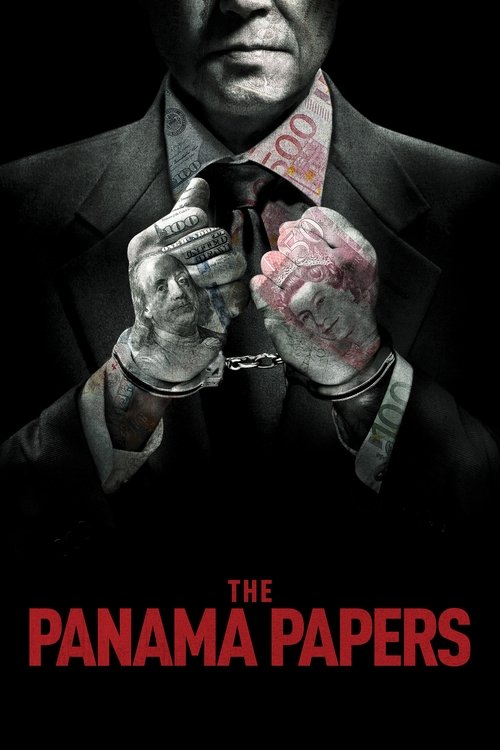
The Panama Papers2018
A deeper dive into the Pentagon Papers, following the New York Times and Washington Post's legal battle to publish classified government documents. Explores press freedom as a constitutional principle and the stakes of journalism itself.
But Heavy on legal procedure and 1970s bureaucracy. Less action-driven than you might expect from the premise.
Not sure tonight? Get a pick in a minute, starting from The Fourth Estate
The wildcard
Something you would not have found on your own.
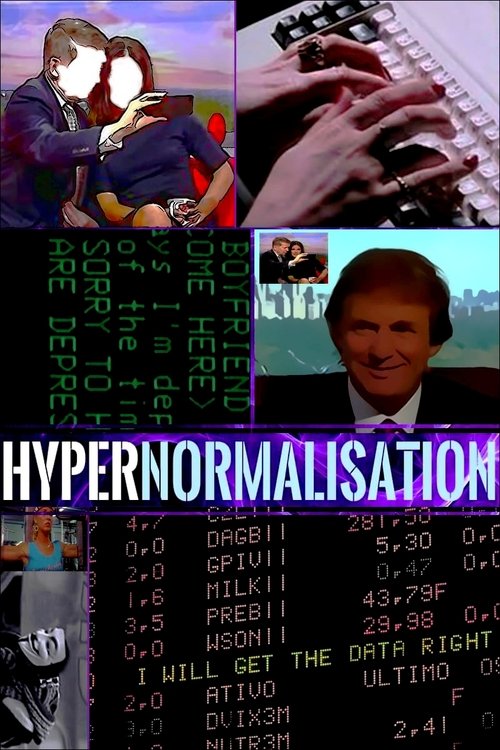
HyperNormalisation2016
Both grapple with journalism's crisis of authority and the information landscape it created. But Curtis zooms out to ask whether journalism can survive when nobody trusts institutions at all.
Adam Curtis's essay film argues that we've stopped believing institutions—including journalism—can explain reality, so we retreat into private narratives and conspiracies. Dizzying in scope, genuinely alarming about how we got here and what comes next.
But A three-hour polemic with no conventional plot. Demands active viewing and can feel like a fever dream. Curtis's voice-over and archival montage method isn't for passive watching.
More like this (8)
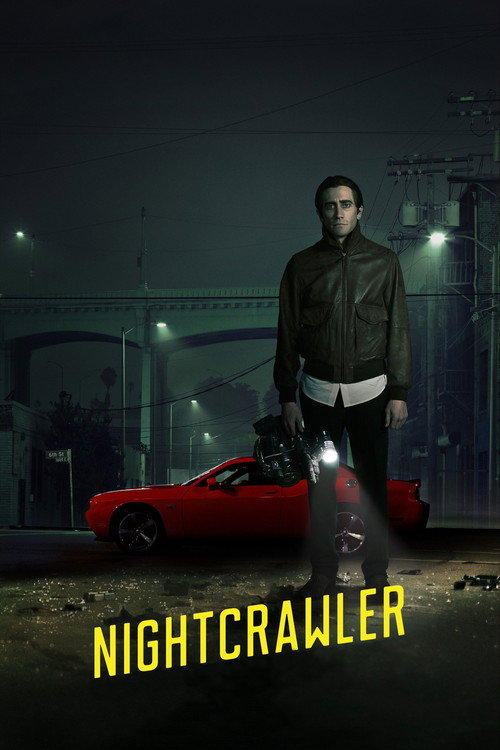
Nightcrawler2014
A dark fiction about a freelance videographer in Los Angeles who chases crime scenes for local news. Brutal examination of how sensationalism corrupts journalism and what networks will air for ratings.
But Deeply cynical and morally troubling; Jake Gyllenhaal plays a manipulative sociopath. Not an uplifting portrait of the profession.
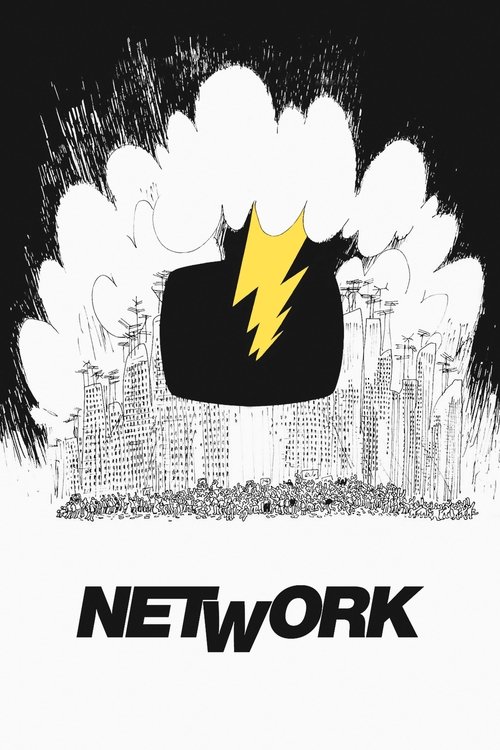
Network1976
Prescient satire about TV news becoming entertainment product. Written in the '70s but captures the logic that now governs all media: ratings over truth, spectacle over substance, network over principle.
But Broad and theatrical in style. Some find its exaggeration dated, though it's been proved right repeatedly.
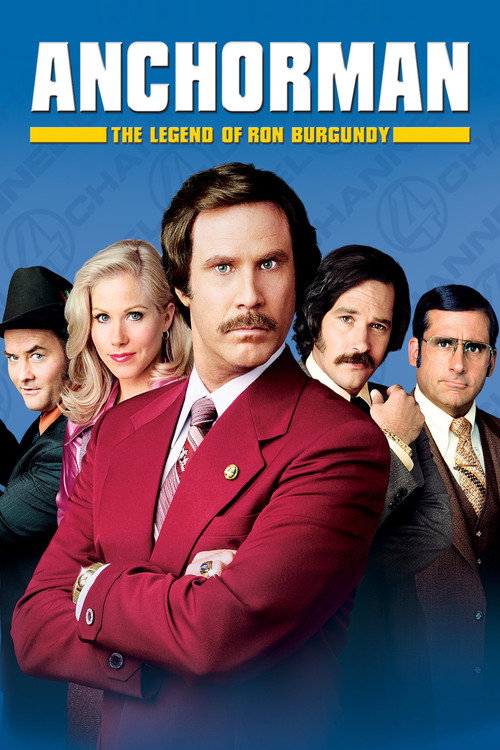
Anchorman: The Legend of Ron Burgundy2004
A comedy about a vanity-driven news anchor in the 1970s that's actually a sharp critique of how personality eclipses journalism. Funny on its surface but funny-true about media ego underneath.
But Absurdist humour isn't for everyone. The sentiment gets buried under pratfalls and goofiness.
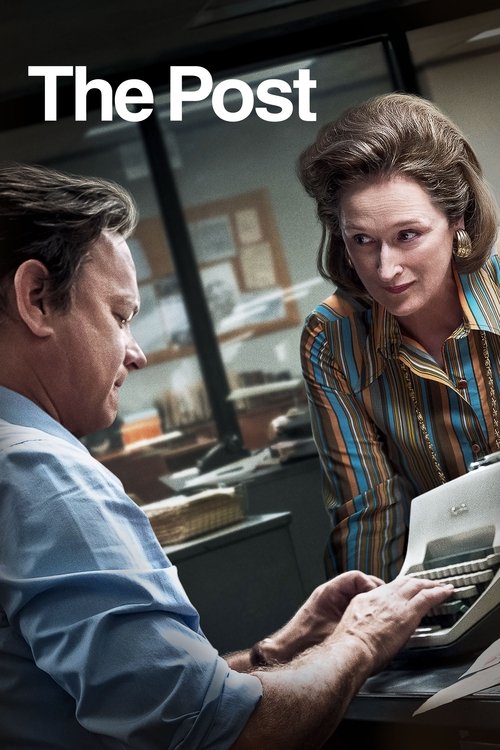
The Post2017
Meryl Streep and Tom Hanks as the publisher and editor of the Washington Post deciding to publish the Pentagon Papers. A celebration of institutional courage and a woman's hard-won seat at power.
But Designed as an awards-season prestige picture, which shows. Feels safe and slightly didactic.
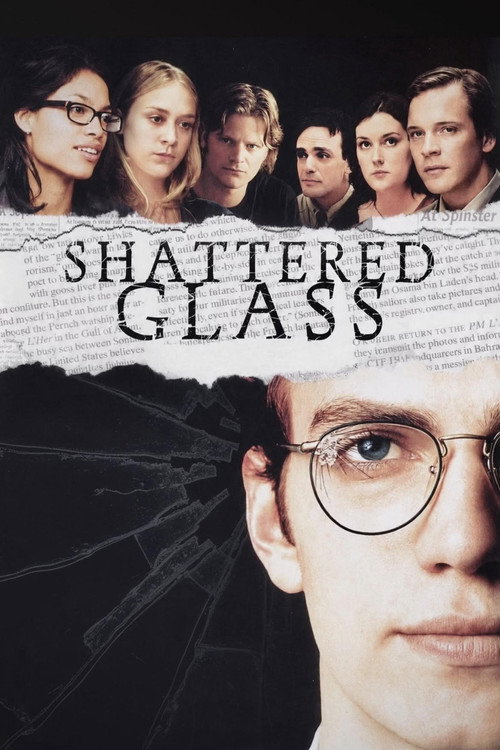
Shattered Glass2003
True story of Stephen Glass, a writer at The New Republic who invented entire stories. Shows how charisma and confidence can fool editors, and the damage a liar does to a publication's credibility.
But Deeply uncomfortable; watching someone con his way upward while nobody checks his work. Feels less like a triumph than a humiliation.
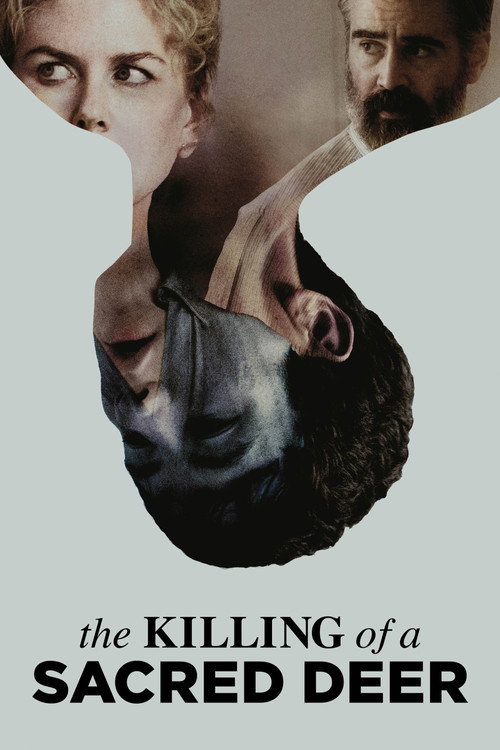
The Killing of a Sacred Deer2017
A surgeon's life unravels in this Yorgos Lanthimos film about guilt, consequence, and the stories we tell ourselves. Formally audacious and conceptually rich, with echoes of journalistic investigation beneath its horror.
But Slow, strange, architecturally cold. The connection to journalism is thematic rather than literal. Definitely not for everyone.
La Haine1995
The inverse of *The Fourth Estate*'s focus: a story about those the mainstream press never investigates, whose reality journalism has consistently failed to cover. It's what happens when reporting looks away.
A black-and-white French film about three young men in a banlieue during a day of escalating tension. It's about rage, exclusion, and how state violence gets ignored by the mainstream press. Formally stunning and politically uncompromising.
But Unrelenting and angry; no catharsis or resolution. The French is fast and colloquial. It doesn't forgive its viewer for comfort.

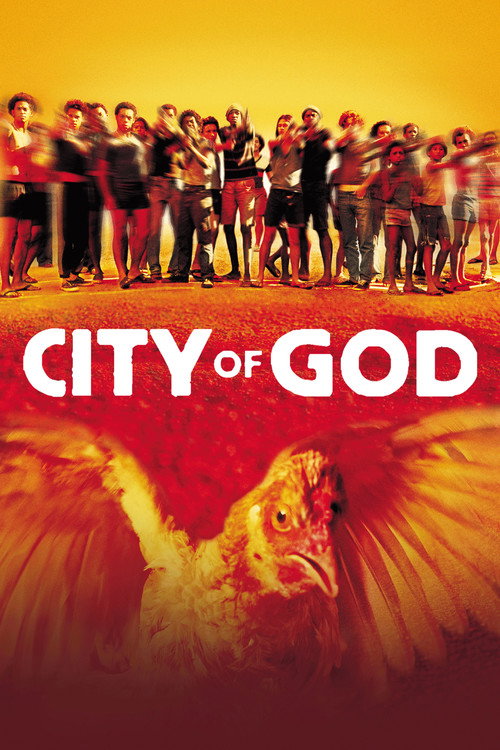
City of God2002
Like *La Haine*, it documents a world that journalism failed, showing how communities document themselves when the press doesn't. But in form—through a camera, through narrative—it does the journalism the system wouldn't.
A Brazilian favela's drug wars told through the eyes of a street photographer. Technically dazzling, morally complex, unafraid to show systemic corruption and violence that official narratives erase. Feels like witnessing something that institutional media ignored.
But Extremely violent and chaotic; uses rapid cuts and stylization that some find disorienting. Based on real events and never looks away from brutality.
People
Recommended by
Page One: Inside the New York Times, The Brainwashing of My Dad, Outfoxed: Rupert Murdoch's War on Journalism, Dark Skies, Alt-Right: Age of Rage, This Changes Everything