Film
My Brother the Islamist
A filmmaker documents his stepbrother's transformation from an ordinary British teenager into a fundamentalist extremist, then investigates what triggered the radicalization after his conviction for terrorism. Intimate, unsettling, and urgently curious rather than judgmental, it traces how ideology captures vulnerable people through personal access and expert analysis. Essential viewing for anyone trying to understand contemporary religious extremism from the inside.
Should you watch it?
Watch it if you want a close, unflinching look at how a family member drifts into extremism, and you're happy to sit with discomfort rather than be handed a verdict.
Skip it if you want a tidy explanation or a film that keeps its distance; the filmmaker's own stake is front and centre, and it rarely settles the questions it raises.
What it asks of you: Under an hour, it moves at a measured pace, with long conversational stretches, and it stays in uncomfortable rooms without much relief.
Not sure? Find tonight's pick in a minute.
If you liked this
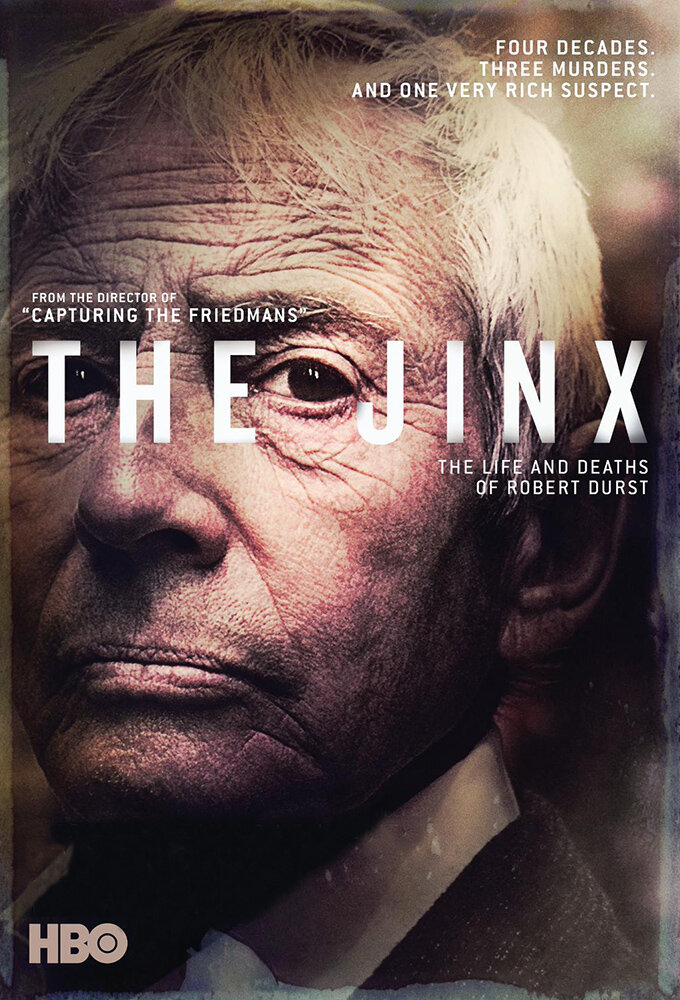
The Jinx: The Life and Deaths of Robert Durst2015
A meticulous true-crime series that follows a journalist's obsessive investigation into a wealthy man's connection to multiple murders. Like My Brother, it treats radicalization and moral collapse as a puzzle worth taking seriously, with real stakes and jaw-dropping revelations.
But It's long and sometimes moves slowly. You need patience for its methodical unspooling, and some viewers find the protagonist's evasiveness more maddening than compelling.
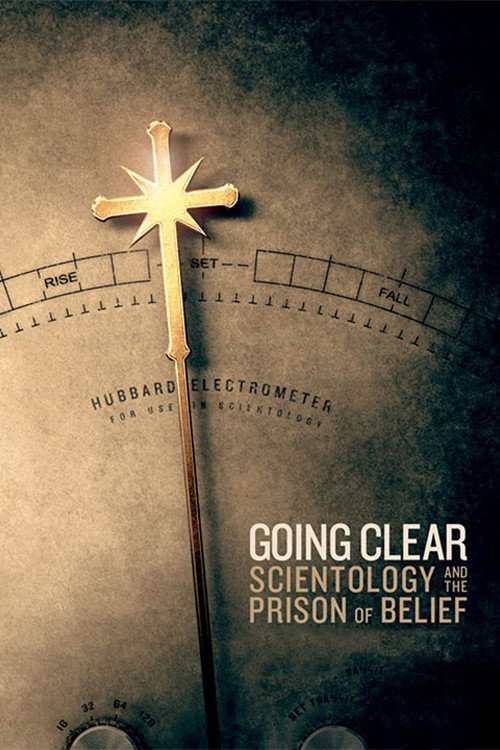
Going Clear: Scientology and the Prison of Belief2015
Alex Gibney's documentary explores how intelligent, well-meaning people get trapped in an ideological system through charisma and psychological pressure. It shares the same patient curiosity about how belief systems override reason and loyalty.
But It focuses on a specific organization that many find easy to dismiss as ridiculous rather than dangerous. That distance might prevent the moral discomfort the film is after.
The Act of Killing2012
A haunting exploration of how perpetrators of mass violence rationalize their actions. By letting them speak in their own voices, it asks difficult questions about ideology, trauma, and the human capacity for self-deception. Profound and disorienting.
But Watching people casually discuss atrocities is genuinely disturbing. It requires emotional stamina and offers no easy catharsis or moral comfort.

Not sure tonight? Get a pick in a minute, starting from My Brother the Islamist
The wildcard
Something you would not have found on your own.
The Trap: What Happened to Our Dream of Freedom2007
Both use personal and historical detail to trace how individuals become trapped in ideological systems; Curtis zooms out to macro systems where Leech zooms in to one family, but the question is identical.
Adam Curtis's dense, digressive essay traces how systems of control and ideology shape individual choice. It's oblique where My Brother is intimate, but it's asking the same question: how do people end up where they didn't plan to go?
But Curtis requires real attention. His associative editing and dense voiceover demand active viewing, and if you're used to conventional narrative, it feels deliberately antagonistic.
More like this (8)
Spotlight2015
Journalists methodically uncover a systemic failure within an institution they trusted. It captures the same slow-building horror as this film—the moment you realize the problem is deeper and more structural than any individual person's choices.
But It's a procedural about journalists doing journalism. If you want drama and confrontation, the rhythm is measured and sometimes repetitive.

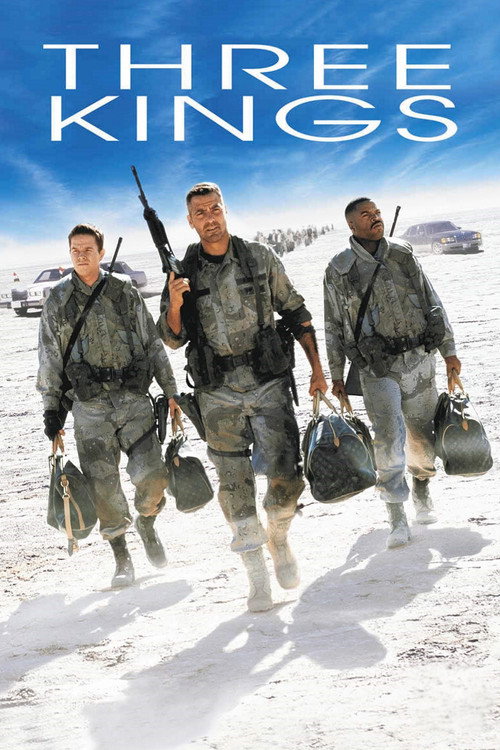
Three Kings1999
Set during the Gulf War, it's a visceral exploration of how ideology, nationalism, and personal conviction can pull intelligent people toward violence and complicity. It asks hard questions about the gap between belief and consequence.
But It's a fiction film that can feel didactic, and its critique of American foreign policy is sometimes heavy-handed compared to showing rather than telling.
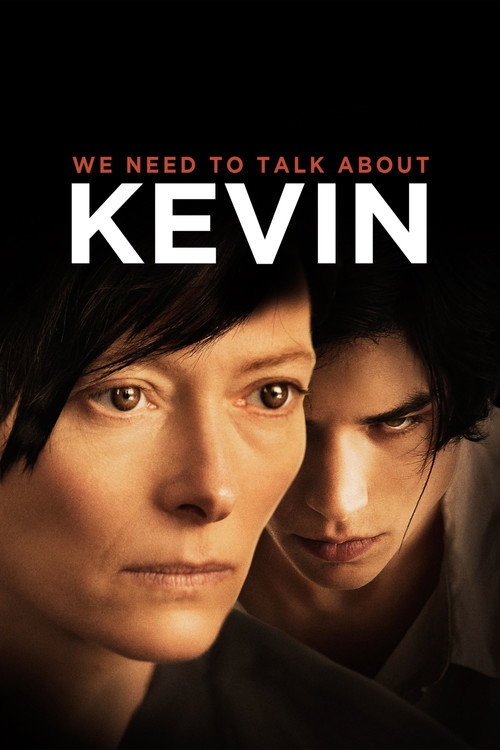
We Need to Talk About Kevin2011
Lynne Ramsay's adaptation explores how a mother tries to understand her son's capacity for violence, tracing the psychology of radicalization within a single family. Formally inventive and psychologically piercing.
But It's deliberately fragmented and difficult to follow. The narrative structure mirrors the mother's trauma but demands active, uncomfortable engagement from viewers.
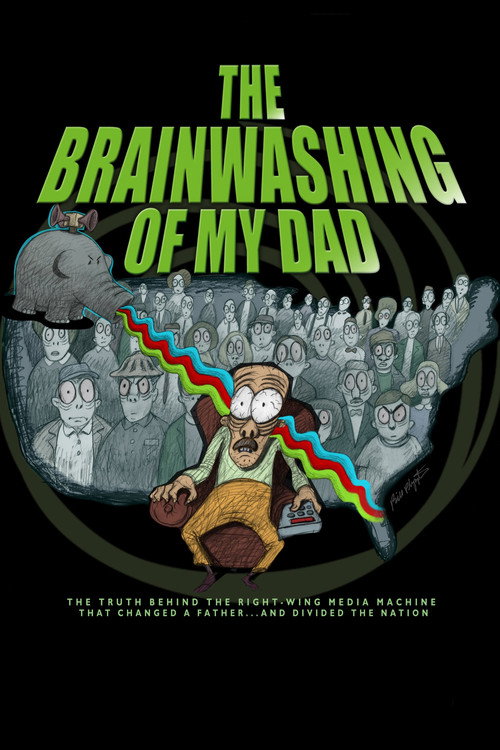
The Brainwashing of My Dad2015
A daughter documents her father's gradual transformation through media consumption and ideological capture. It's both funny and sad, showing how radicalization doesn't always look dramatic—sometimes it's just the news on repeat.
But The approach is more personal essay than investigative journalism, so it lacks the explanatory depth or broader context some viewers want.
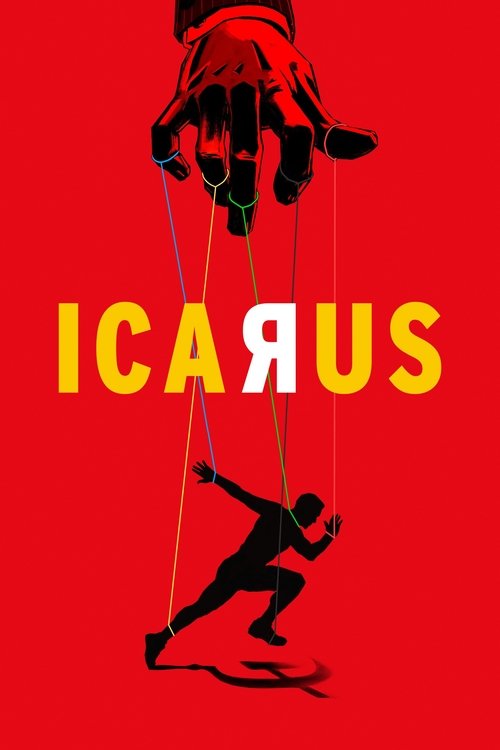
Icarus2017
Ostensibly about cycling, this documentary spirals into Russian corruption and state ideology with escalating urgency. It captures the vertiginous feeling of discovering how much you didn't understand about the world's actual machinery.
But The first section about doping feels tangential until it isn't. Patience is required before the stakes crystallize, and some find that pacing frustrating.
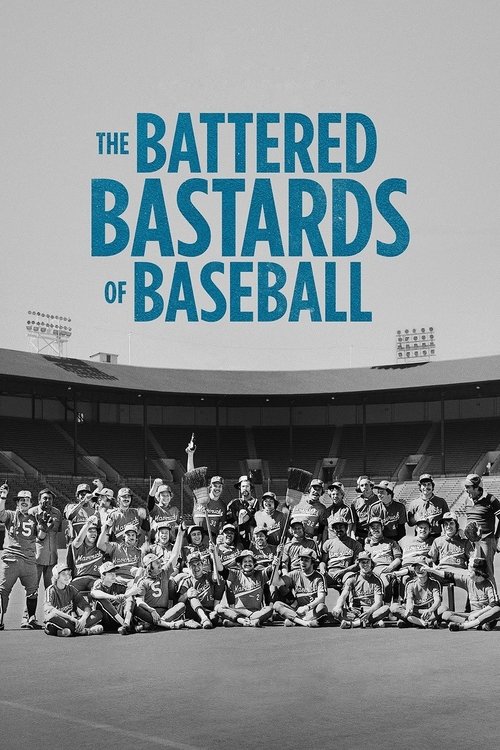
The Battered Bastards of Baseball2014
A feel-good underdog sports doc about a team that defies institutional authority. It's lighter than the others here, but shares the theme of people choosing an unconventional path and the family conflicts that arise from it.
But It's genuinely uplifting, which means it lacks the moral weight or tension driving the other recommendations. It's an evening off rather than a reckoning.
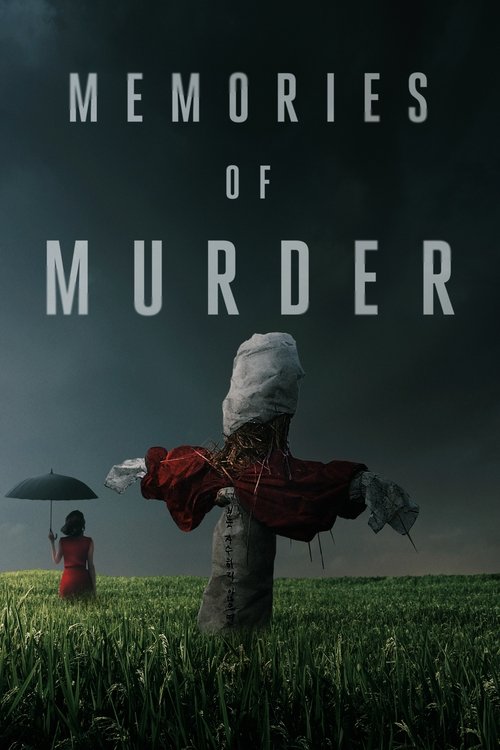
Memories of Murder2003
Both examine how systems fail individuals and how ideology can distort judgment. Where My Brother documents radicalization, this shows institutional corruption—different machinery, same moral collapse.
Bong Joon-ho's Korean crime thriller is ostensibly about a serial killer hunt, but it's really about how institutional ideology, class, and power corrupt investigation and truth. Morally complex and deeply unsettling.
But It's a fiction film in Korean with a bleak view of institutions and human nature. Some find the deliberate ambiguity frustrating rather than provocative.
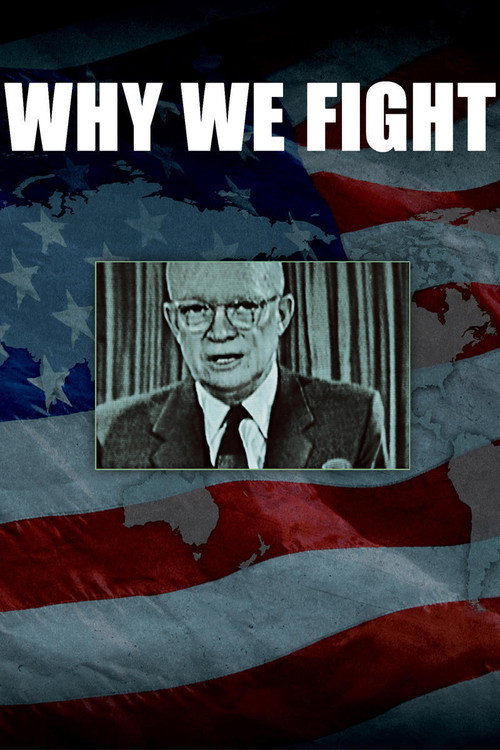
Why We Fight2005
While My Brother documents individual radicalization, this traces state-level radicalization. Both ask how intelligent people convince themselves that violence is justified through ideology—one personal, one national.
Eugene Jarecki's documentary about American military-industrial ideology uses archive footage and testimony to show how nations justify violence through ideology. It's a macro version of the micro story in My Brother—how institutions normalize the unthinkable.
But It's explicitly political and critical of American foreign policy. Viewers sympathetic to that critique may find it preaching to the converted; skeptics will resist its framing.