
Film
What Is a Woman?
Matt Walsh's 2022 documentary challenges contemporary gender ideology through a series of on-camera interviews with activists, doctors, and public figures. Presented with provocative humor and edited to emphasize contradictions and evasions, it's designed to provoke debate rather than offer solutions. A film for people seeking a particular ideological confirmation, and explicitly antagonistic to the trans rights framework it examines.
If you liked this
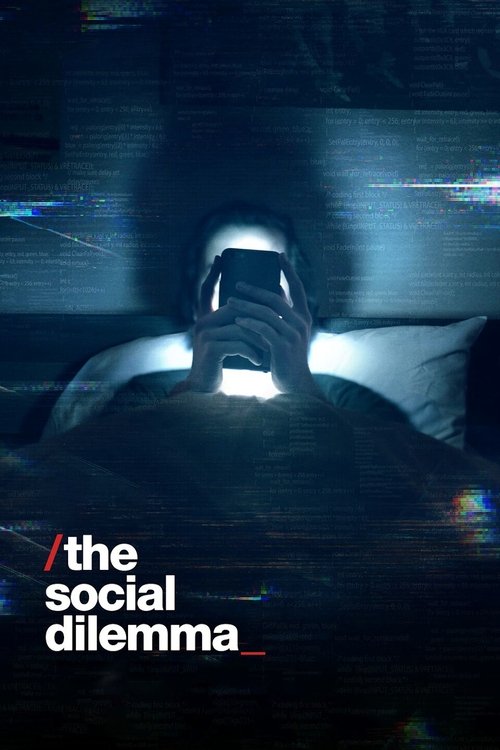
The Social Dilemma2020
Examines how algorithms and institutional incentives shape mass belief systems. Like Walsh's film, it interrogates how large institutions manufacture consensus around contested ideas, though it targets tech companies rather than gender activism.
But The structure is didactic and sometimes overwrought. It doesn't interrogate its own framing with the rigor it demands of its subjects.
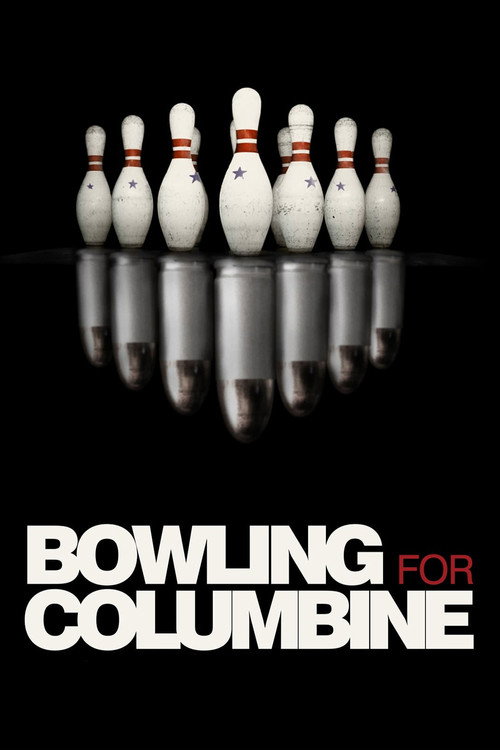
Bowling for Columbine2002
Provocative documentary that uses confrontation and selective editing to challenge institutional narratives. Moore employs similar techniques: pursuing authorities, highlighting evasions, letting contradictions speak for themselves.
But Moore's films are clearly structured to reach predetermined conclusions. If you value documentaries that genuinely explore rather than rhetorically construct, this won't feel like inquiry.
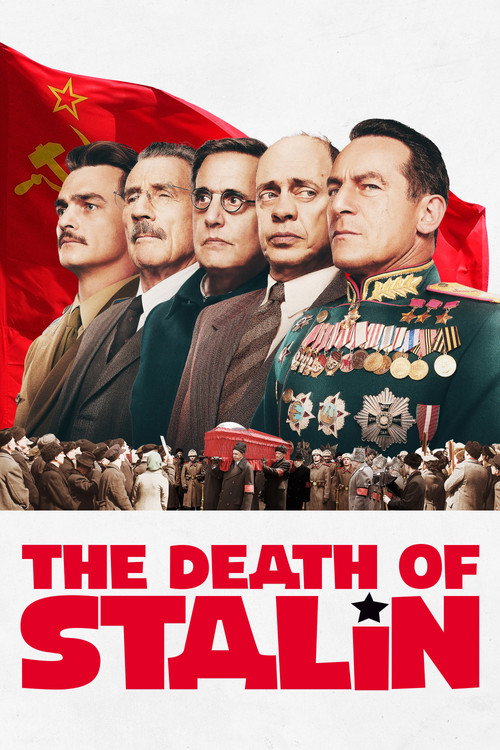
The Death of Stalin2017
Political satire examining how institutions manage truth and narrative control during ideological crisis. The parallel structure—competing factions fighting to define reality—mirrors Walsh's depiction of institutional contradictions.
But It's a dark comedy in Russian with subtitles, more interested in absurdist humor than direct confrontation. Completely different tone.
Not sure tonight? Get a pick in a minute, starting from What Is a Woman?
The wildcard
Something you would not have found on your own.
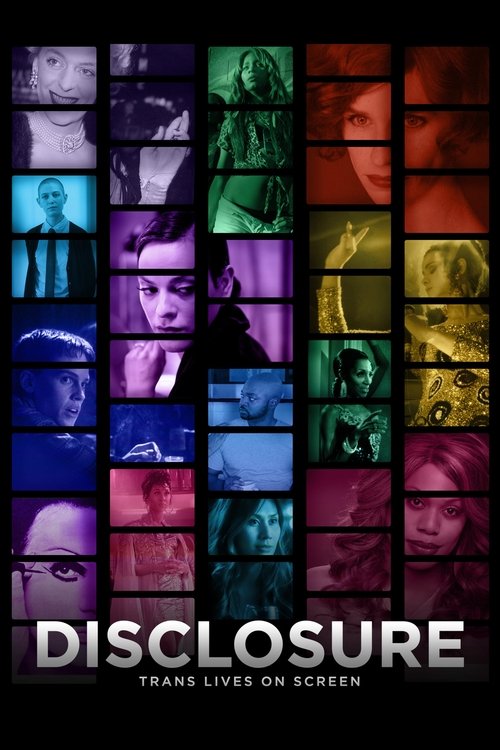
Disclosure2020
Both films believe documentary confrontation can expose ideological capture in real time. Both use interview format as a truth-telling device. Watching them together reveals how the same form, applied to the same subject, produces radically different conclusions—suggesting the documentary form itself is not the truth-teller either filmmaker claims.
Documentary about how trans people have been represented in media and film. Structured as direct interview rebuttal to Hollywood depictions. Where Walsh confronts activists, this confronts the cultural archive that shaped those activists' relationship to representation.
But It's explicitly made by trans filmmakers for trans audiences. Watching it as a counter-argument to Walsh requires genuine openness to argument rather than performance of openness.
More like this (4)
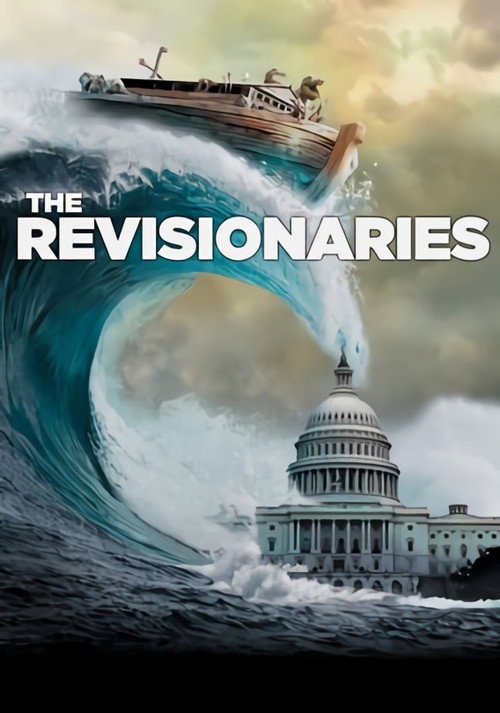
The Revisionaries2012
Documentary about textbook boards in Texas determining curriculum for the nation. Shows how ideology shapes institutional authority and how competing groups fight to define what counts as truth in education.
But Focuses on a specific institutional battle rather than broader cultural ideas. Slower and less confrontational than Walsh's approach.
The Pharmacist2020
Dan Bilzerian documentary examining how institutional corruption and evasion enabled an opioid crisis. Like Walsh's film, it highlights how institutions fail to answer direct questions and how that failure reveals something true.
But It's genuinely about a pharmaceutical scandal, not a broader ideological battle. The stakes are material death, which makes the rhetorical game less central.

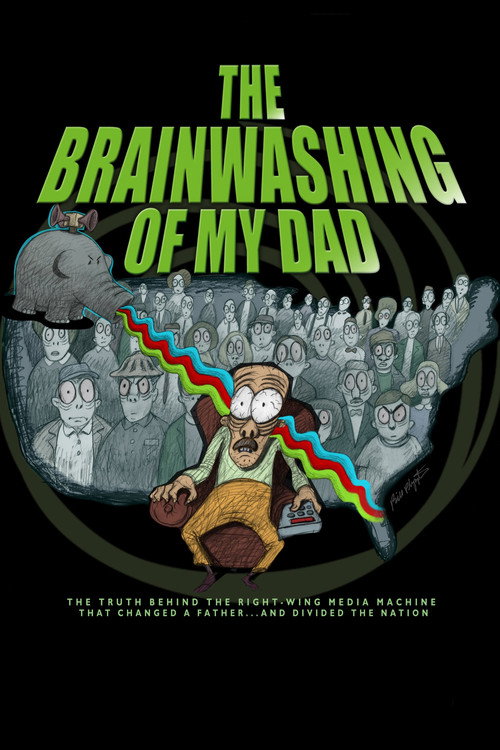
The Brainwashing of My Dad2015
Explores how media and algorithms construct ideological bubbles and certainty. Thematically parallel: how do people come to hold the convictions they do? What role do institutions and editing play?
But A personal film about the filmmaker's father's radicalization. Intimate scale means it never builds the broader systemic argument Walsh attempts.
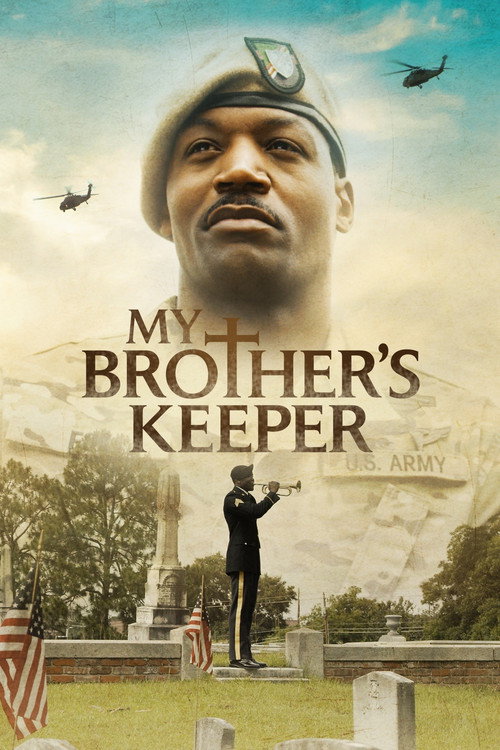
My Brother's Keeper2021
Both films believe the camera captures truth about gender. Both use family relationships as their ground. Where Walsh makes ideology visible through confrontation, this makes lived experience visible through attention—suggesting the real documentary truth might not be rhetorical at all, but domestic and small.
A grandfather documents his family's navigation of his grandchild's gender transition without political framework or score-settling. Intimate, observational, genuinely curious rather than combative. Shows how people actually live inside contested questions.
But It refuses to resolve into ideology. No villains, no evasions exploited for laughs, no institutional critique. If you want documentary to settle a debate rather than complicate it, this will feel evasive.
People
Cast
 Matt WalshSelf - Host
- Marci BowersSelf
- Gert ComfreySelf
- Michelle ForcierSelf
 Phil McGrawSelf (archive footage)
- Scott NewgentSelf

- Debra SohSelf
- Don SucherSelf
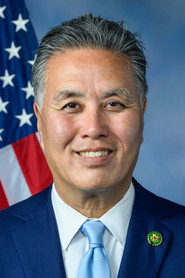 Mark TakanoSelf
- Naia OkamiSelf
- Miriam GrossmanSelf
Directing
- Justin FolkDirector
Production
- Nicole SteynAssociate Producer
- Montgomery "Monty" WhitfieldCo-Producer
- Gordon MaurtvedtConsulting Producer
- Ben ShapiroExecutive Producer
- Caleb RobinsonExecutive Producer
- Jeremy BoreingExecutive Producer
- Patrick F.X. MurphyGeneral Manager
- Paul LongPost Producer
- Charlotte RolandProducer
- Dallas SonnierProducer
- Justin FolkProducer
- Candy PruittProduction Assistant
- John MactivishProduction Assistant
- Trent OwenProduction Assistant
- Makenna WatersProduction Coordinator
- Sydney HamptonProduction Coordinator
- Chris PelczynskiProduction Designer
- Haley KenningtonResearch Assistant
- Edwin KariukiUnit Production Manager