
Film
Gonin
Gonin is a taut 1995 Japanese crime thriller about five desperate men plotting to steal from the yakuza. What unfolds is a relentless cat-and-mouse game of violence and paranoia, propelled by Takeshi Kitano's mesmerizing performance as an unstoppable assassin. It's kinetic and brutal—less interested in heist-movie cleverness than in the spiraling consequences of ordinary people crossing the wrong people. For fans of operational crime fiction with real teeth.
If you liked this
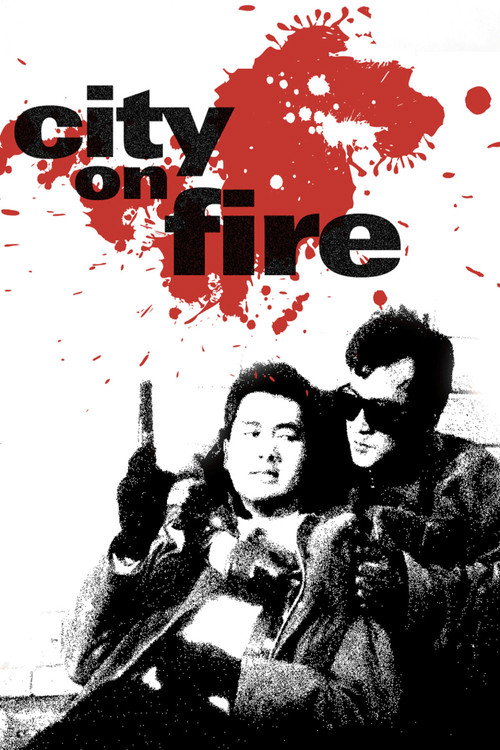
City on Fire1987
Ringo Lam's Hong Kong masterpiece about a cop infiltrating a gang, then a heist gone wrong. Stylish, tense, and genuinely surprising—it has the same propulsive energy and moral complexity that Gonin captures so well.
But The dubbing on most English versions is distractingly flat, and some of the technical exposition slows the second act.
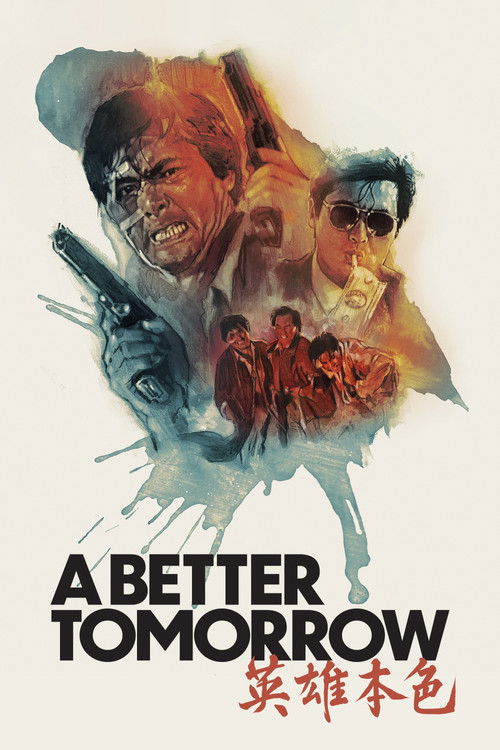
A Better Tomorrow1986
John Woo's landmark crime film about loyalty and betrayal among Hong Kong gangsters. It has Gonin's mix of ultra-violence, character depth, and that sense that every choice has a price nobody expected to pay.
But The melodrama occasionally overshadows the action, and some sequences feel dated in their execution, even if the ideas are timeless.
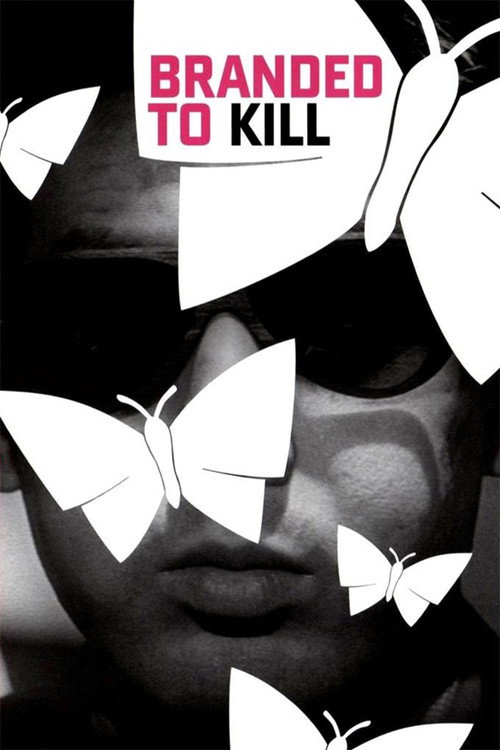
Branded to Kill1967
Seijun Suzuki's surrealist yakuza film plays like a fever dream—a hired assassin caught between employer and rival in a Tokyo underworld as vivid and hallucinatory as any noir. Kitano clearly learned from this.
But It's deliberately elliptical and dreamlike; if you need plot clarity and motivation spelled out, this will frustrate you.
Not sure tonight? Get a pick in a minute, starting from Gonin
The wildcard
Something you would not have found on your own.
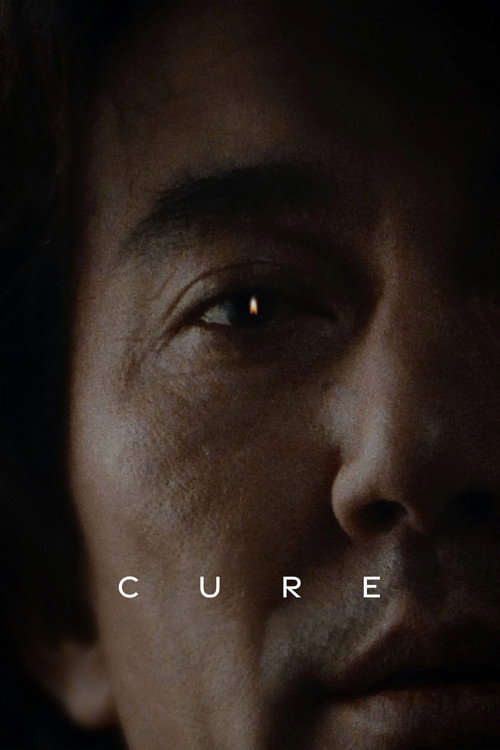
Cure1997
Both use violence as an eruption of something deeper in the human psyche. Cure finds it in mass psychology and conformity; Gonin finds it in desperation and obligation. Same question asked in different registers.
Kiyoshi Kurosawa's psychological thriller about a detective investigating ritualistic murders by seemingly ordinary people. Takeshi Kitano plays against type as the exhausted cop, and the film shares Gonin's paranoia and sense that violence lurks beneath the surface of everyday life, but approaches it as existential dread rather than crime-movie momentum.
But It's methodical and hypnotic rather than propulsive; plot clarity takes a backseat to mood and suggestion, which many find pretentious rather than provocative.
More like this (8)
Fireworks1997
Takeshi Kitano's own film, made just two years after Gonin, about a cop-turned-criminal seeking redemption. It has his directorial precision and that particular way he finds poetry in violence and despair.
But It's quieter and more contemplative than Gonin, which some find meditative and others find glacially slow.

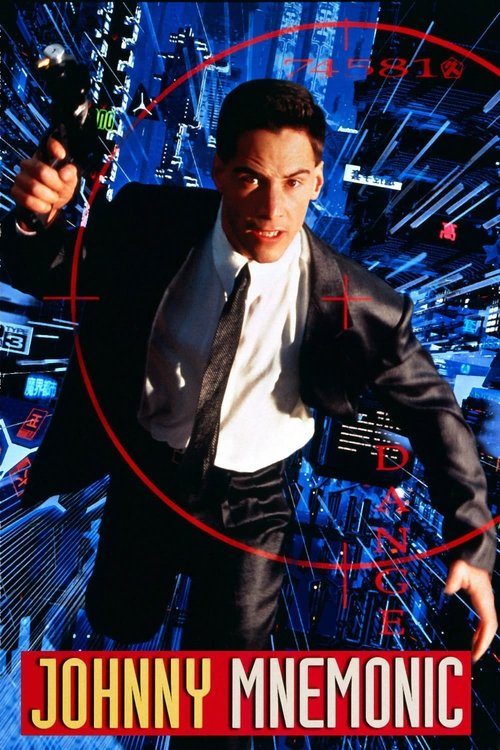
Johnny Mnemonic1995
Released the same year as Gonin, this Keanu Reeves sci-fi thriller has similar DNA—competent professionals pulled into a high-stakes heist where the opposition is implacable and the body count rises fast.
But The cyberpunk aesthetic hasn't aged gracefully, and it trades Gonin's grounded brutality for neon-soaked spectacle that feels more dated than timeless.
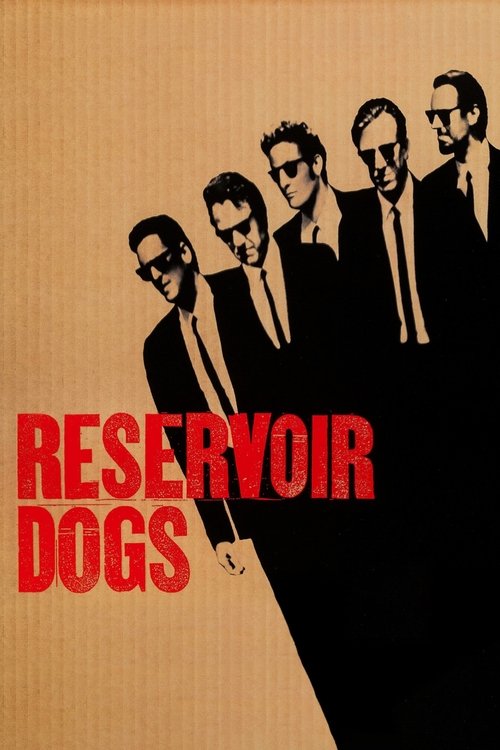
Reservoir Dogs1992
Tarantino's debut about criminals after a botched job, spiraling into paranoia and violence. Like Gonin, it's fascinated by the psychology of people in over their heads and the social mechanics that break down under pressure.
But The violence is graphic and sometimes gratuitous; the nonlinear structure can feel mannered if you're not in the mood for it.
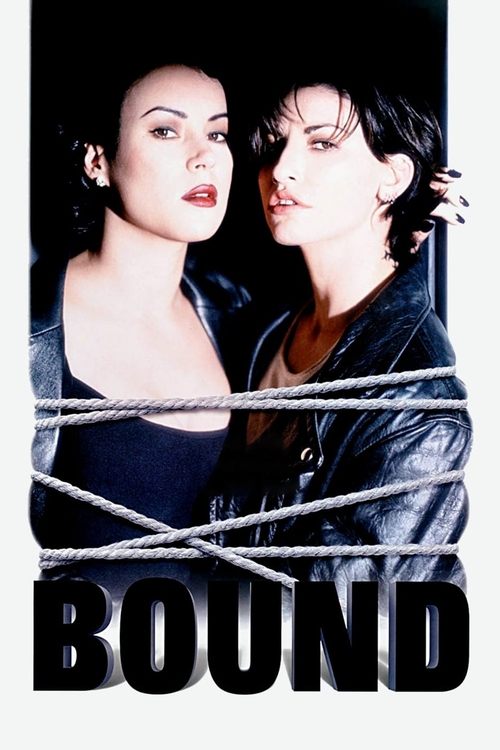
Bound1996
The Wachowskis' stylish thriller about con artists stealing from the mob. It shares Gonin's sleek visual precision and its fascination with people executing a plan that goes catastrophically wrong.
But The erotic subplot dominates the middle section, and some find the twist telegraphed; it's also much more contained and intimate than Gonin's escalating chaos.
The Killing1956
Kubrick's jazz-score-backed racetrack heist film about a crew pulling off a job, then getting picked off one by one. The structure and fatalism prefigure everything Gonin does with inevitability and bad luck.
But It's almost 70 years old and moves at a different pace; the Lubitsch touches and irony might feel quaint if you're craving visceral modern crime cinema.

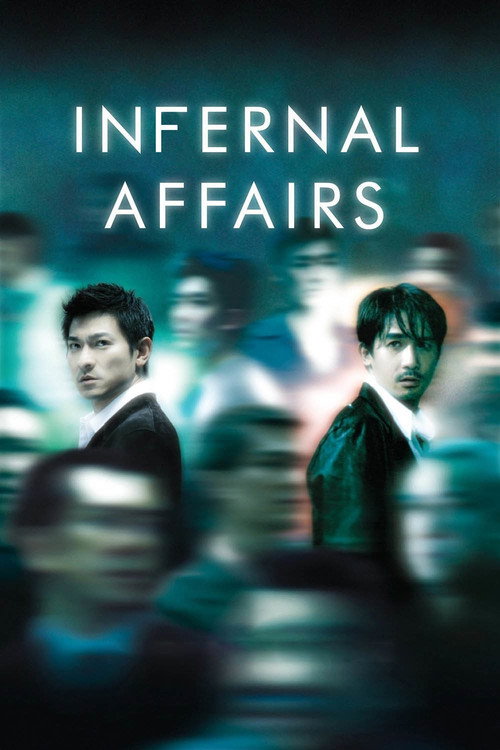
Infernal Affairs2002
Hong Kong's operatic take on mole-in-the-triad-cop-in-the-precinct paranoia. It has Gonin's obsessive focus on the hunter-and-hunted dynamic and that sense that both sides are equally trapped.
But The twists stack so high they eventually topple into melodrama, and the English-language remake (The Departed) overshadows it in Western consciousness.
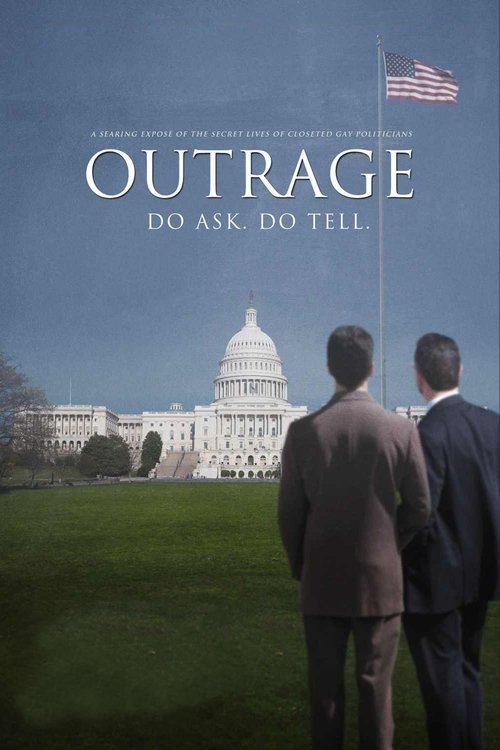
Outrage2009
Kitano reflecting on themes he explored as a performer in Gonin, but now as a director fully in control. The throughline is violence as inevitable social consequence rather than personal choice.
Takeshi Kitano's own yakuza film, made 15 years after Gonin, about the spiraling violence that follows an insult to a crime boss. It's a masterclass in escalation and the machinery of honor and revenge—less heist, pure gang warfare, but with the same cold precision and fatalism.
But Kitano's late style is minimalist to the point of austerity; conversations are sparse, action is sudden and matter-of-fact, which reads to some as pretension hiding budget constraints.
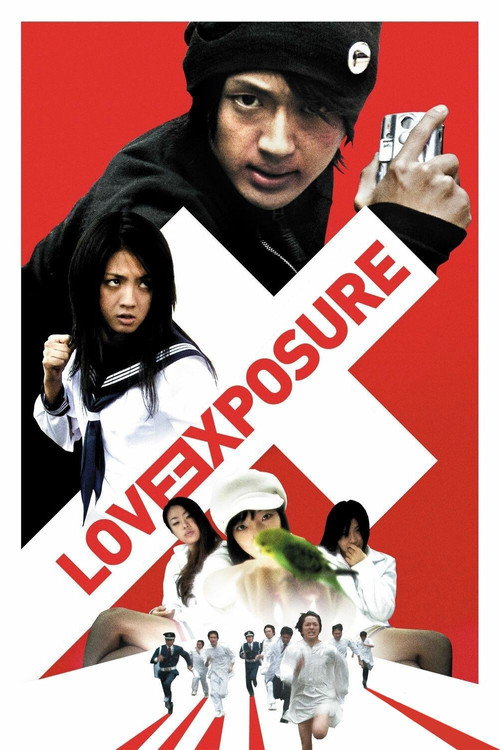
Love Exposure2008
Both grapple with how crime and obsession corrode the people involved, but Sono goes full maximalist while Gonin is surgical. Seeing them together shows how the same emotional terrain plays at different volumes.
Sion Sono's four-hour Japanese epic about a man caught between his obsessive love for a woman and his entanglement with organized crime. It's operatic and digressive where Gonin is tight and disciplined, but both believe in showing the total cost of transgression—physical, emotional, spiritual. Absolutely sui generis filmmaking.
But It's wildly ambitious and uneven; the tonal whiplash between comedy, romance, ultraviolence, and spiritual crisis exhausts some viewers. The runtime demands commitment.
People
Cast
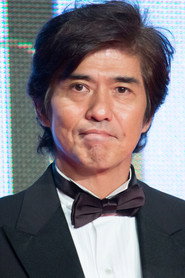 Koichi SatoMikihiko Bandai
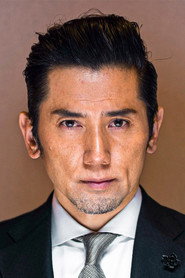 Masahiro MotokiJunichi Mitsuya
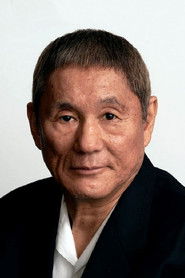 Takeshi KitanoIchiro Kyoya
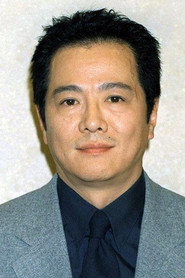 Jinpachi NezuKaname Hizu
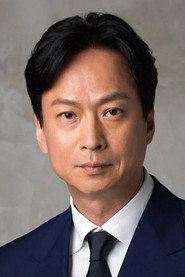 Kippei ShiinaJimmy
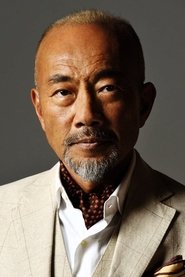 Naoto TakenakaShohei Ogiwara
 Kazuya KimuraKazuma Shibata
 Chiaki KuriyamaOgiwara's Daughter
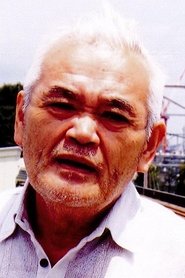 Daisuke IijimaOkoshi Member
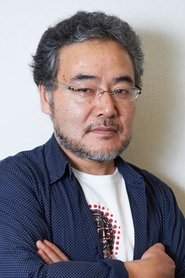 Ryo IwamatsuMan at the Toilet
 Maiko KawakamiHostess at Pinky
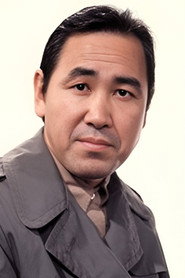 Hideo MurotaShikine
Directing
- Takashi IshiiDirector
- Masaharu TakeThird Assistant Director
Writing
- Takashi IshiiWriter
Production
- Kazuyoshi OkuyamaExecutive Producer
- Katsuhide MotokiProducer
- Taketo NiitsuProducer
- Takuto NiizuProducer