
Film
Pigs and Battleships
A 1961 Japanese crime drama set in post-war Yokosuka, where a young yakuza and his lover navigate gang violence, American military presence, and their own ambitions. Masaki Kobayashi's film is stylish and unsentimental, alive with dark humour and sudden brutality. It's a portrait of a world in flux, and of people trying to claw toward something better while the world burns around them.
Should you watch it?
Watch it if you love Japanese crime films that treat gangsters as sad, scrambling wage earners, with black comedy sharpening the desperation and a restless camera that never sits still.
Skip it if you want a tidy plot with clear stakes; the story wanders through a crowded black market of schemes and side characters, and its satire can feel more scattered than sharp.
What it asks of you: It runs about 108 minutes and stays busy throughout, asking you to track a lot of hustling and jostling across a shabby port city rather than settle into one steady thread.
Not sure? Find tonight's pick in a minute.
If you liked this
Harakiri1962
Masaki Kobayashi's other masterpiece: a samurai film that dismantles the code of honour itself. Formally audacious, morally uncompromising, and devastating. Essential viewing if you respond to Pigs and Battleships.
But It's slower and more meditative than Pigs—three hours of mounting dread rather than kinetic chaos. The black-and-white cinematography is austere to the point of coldness.

Branded to Kill1967
Seijun Suzuki's violent, surreal yakuza film. Hallucinatory camera work, a protagonist with an unusual disability, and a refusal to explain itself. Intoxicating and weird in ways that feel genuinely dangerous.
But The narrative fractures deliberately. If you need a clear plot, this will frustrate you. Some viewers find the style suffocates the story.

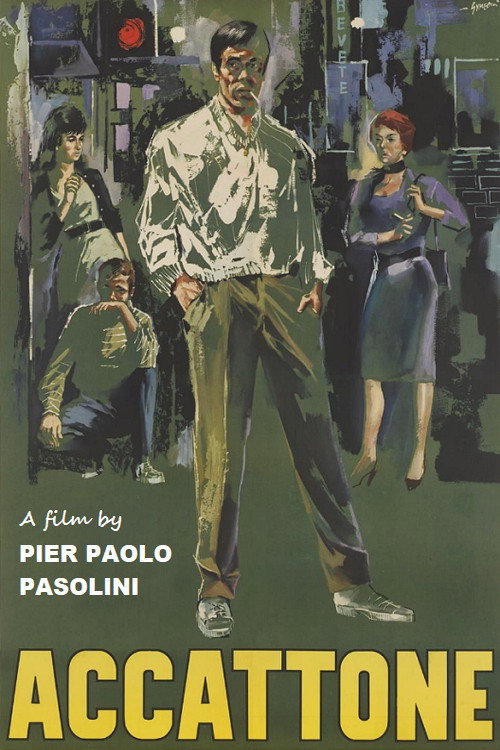
Accattone1961
Pier Paolo Pasolini's debut, also 1961: a Roman underworld film with the same eye for how poor men actually live. Black-and-white neorealism with unexpected tenderness. A world away geographically, the same moral universe.
But It's deliberately slow and observational. The plot barely exists. Shot on a tiny budget with non-professional actors, so the technical craft is intentionally rough.
Not sure tonight? Get a pick in a minute, starting from Pigs and Battleships
The wildcard
Something you would not have found on your own.
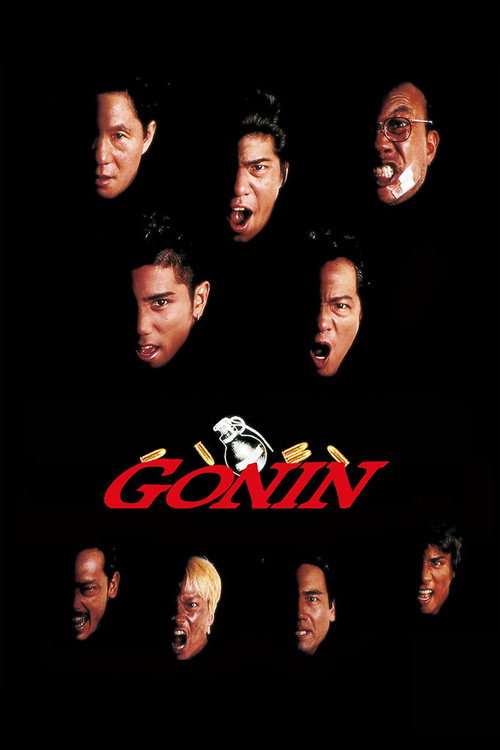
Gonin1995
Both explore how ordinary men become trapped in yakuza hierarchies and how that entrapment eats away at personal relationships. Both refuse to make the yakuza romantic.
Takashi Ishii's lean, vicious heist film—five men plan a robbery to escape yakuza control. It has Pigs and Battleships' eye for how desperation corrupts loyalty, but rendered in '90s style: faster, crueller, with rock music and nihilism. A spiritual sequel separated by thirty years.
But It's graphically violent in ways that can feel exploitative. The characters are almost universally unsympathetic, and there's little warmth anywhere. Some find it numbing rather than powerful.
More like this (6)
Floating Clouds1955
Mikio Naruse's portrait of two people trying to build something real in post-war chaos. Melancholic, unsentimental, structured around the impossibility of happiness. The same moral terrain as Pigs, in a different key.
But It's a romantic tragedy disguised as social realism. If you're watching for crime action, you'll be disappointed—it's intimate and quiet.

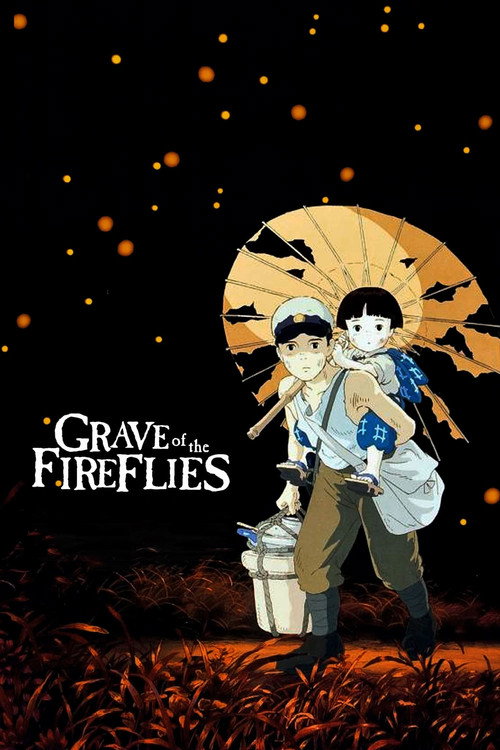
Grave of the Fireflies1988
Isao Takahata's animated film about survival during Japan's final war months. The same post-war reckoning as Pigs and Battleships, but focused on children and civilians. Devastating and necessary viewing.
But It's an animated film, which some viewers struggle with for serious subject matter. More importantly, it's one of the saddest films ever made—not entertainment in any comfortable sense.
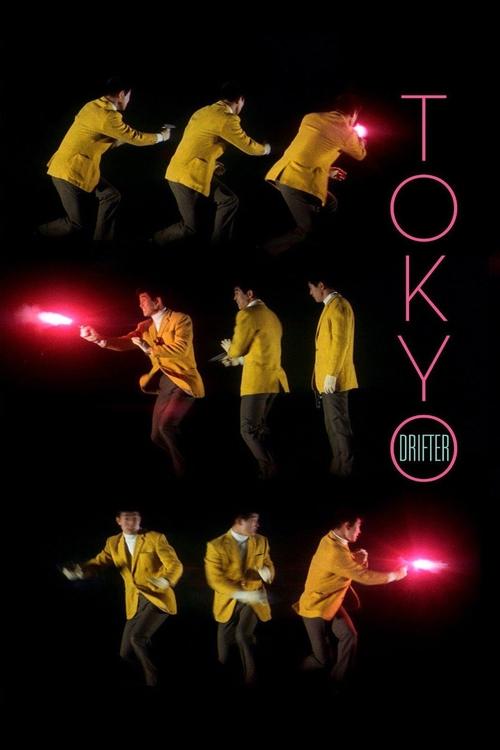
Tokyo Drifter1966
Seijun Suzuki's formally dazzling yakuza film, all colour and style and melancholy. A spiritual cousin to Pigs and Battleships: both films about men caught between loyalty and survival, with eyes open to how beautiful and terrible the world is.
But The narrative is thin and the style sometimes overwhelms substance. If you prefer character depth to visual storytelling, it can feel hollow.
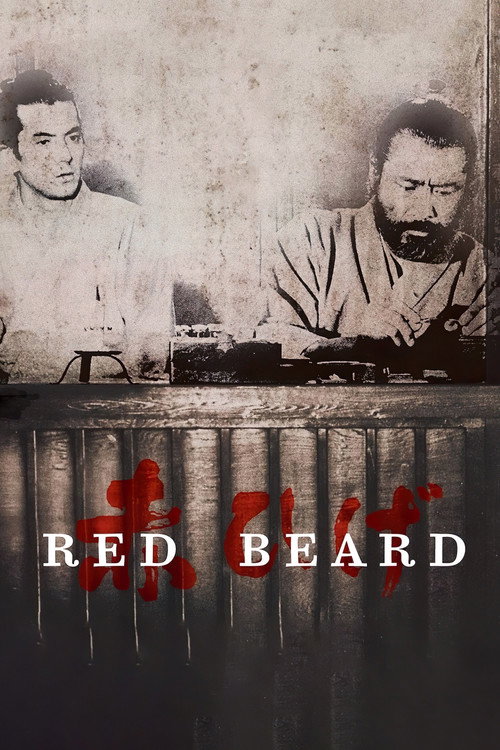
Red Beard1965
Kurosawa's late-period masterpiece about a doctor and his idealistic young apprentice in Edo-period Tokyo. Not a yakuza film, but driven by the same moral questions: how to act with integrity in a corrupt system. Humanist cinema at its finest.
But It's nearly three hours long and deliberately paced. The philosophy sometimes weights down the narrative. Black-and-white in an era when colour was possible, which some find dated-looking.
Cléo from 5 to 71962
Both films trust the audience to find drama in ordinary moments. Both refuse melodrama even when the situation justifies it. Both are more interested in how people think than what they do.
Agnes Varda's French New Wave film, made the year after Pigs and Battleships: 90 minutes in real time as a woman waits for a cancer diagnosis. The same formal daring, the same commitment to observing how people actually behave under pressure. A completely different world, the same unflinching eye.
But It's a woman's interior drama with almost no plot. If you're coming from Pigs expecting yakuza violence, this will feel like being shifted into a different language entirely—because it is.

Come and See1985
Both Pigs and Battleships and Come and See are post-war films about survival in a devastated landscape. Both ask: what does it cost to live? Both refuse easy answers or sentiment. Both are defined by their refusal to look away.
Elem Klimov's Soviet war film about a boy conscripted into combat during WWII. Post-war cinema about the cost of survival, rendered in images of such horror and beauty that you'll feel shell-shocked after. A masterpiece about how violence destroys innocence and hope.
But It's genuinely traumatic to watch—not exploitative, but deliberately, uncompromisingly brutal. Many people find it almost unwatchable. Not a film for a comfortable evening, or for healing.

People
Cast
 Hiroyuki NagatoKinta
 Jitsuko YoshimuraHaruko
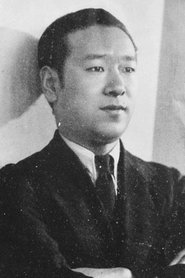 Masao MishimaHimori
 Tetsuro TambaSlasher Tetsuji
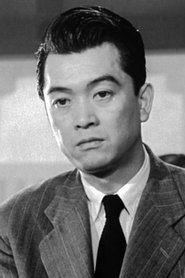 Shirō ŌsakaHoshino
 Takeshi KatōOhachi
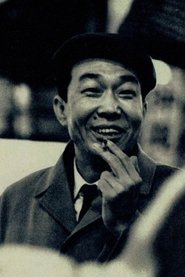 Shoichi OzawaGunji
 Yōko MinamidaKatsuyo
 Hideo SatoKikuo
 Eijirō TōnoKan'ichi
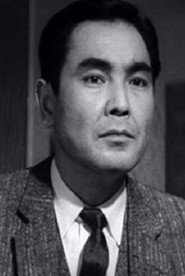 Akira YamanouchiSakiyama
 Sanae NakaharaHiromi
Directing
- Kirio UrayamaAssistant Director
- Shōhei ImamuraDirector
Writing
- Kano OtsukaNovel
- Hisashi YamanouchiScreenplay
Production
- Yukiharu MoriyamaProduction Supervisor