
Film
Violent City
A 1970 Italo-crime thriller where Charles Bronson plays a hitman betrayed by his lover and left for dead. He resurfaces to exact revenge against the woman and the crime boss who orchestrated his downfall. It's lean, brutal, and gorgeously shot—the kind of European crime film where style and moral murkiness matter more than plot clarity.
If you liked this
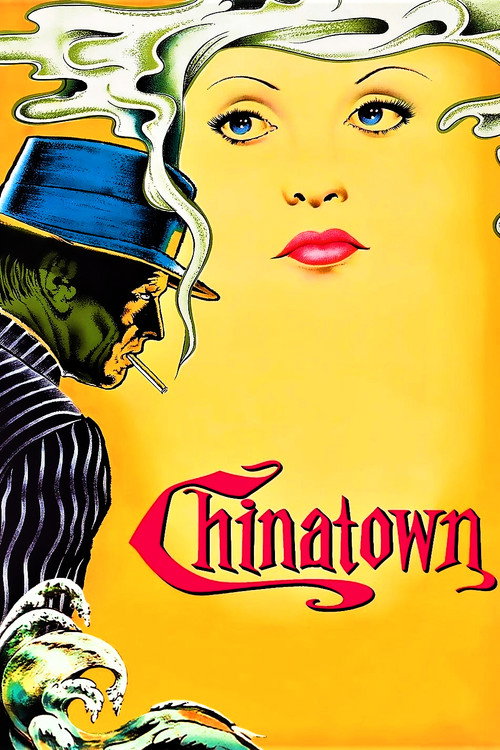
Chinatown1974
Polanski's masterwork of corruption, betrayal, and moral ambiguity in Los Angeles. A detective uncovers a conspiracy that reaches into the highest levels of power, each revelation darker than the last. If you loved the elegance of *Violent City*'s fatalism, this is essential.
But It's deliberately opaque and doesn't resolve neatly. Some find the ending unbearably bleak rather than cathartic.
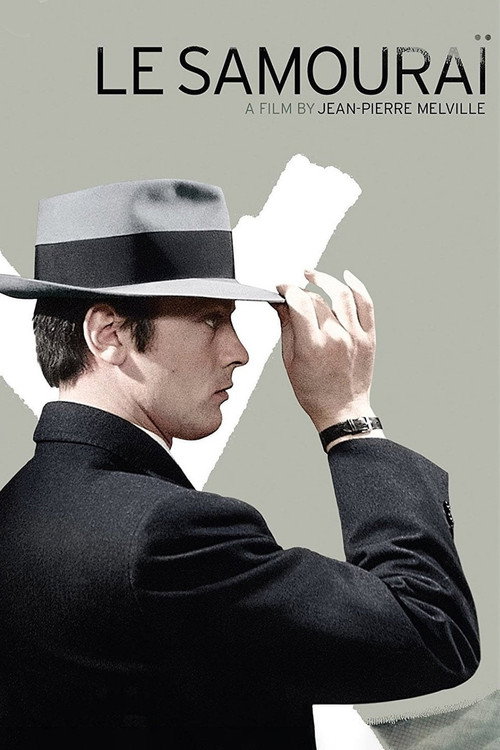
Le Samouraï1967
Melville's ice-cold masterpiece about a hitman framed for a murder he didn't commit. Nearly silent, hypnotic, shot through with the same stylish fatalism and European cool as *Violent City*. Bronson clearly studied this.
But Glacial pacing and minimal dialogue won't work if you need constant plot momentum. It's a mood piece, not a thriller.
The Killers1946
Siodmak's noir classic where a boxer awaits death from assassins he hired, then we see why in fragmented flashbacks. The betrayal-by-lover angle echoes *Violent City*, but filtered through American noir's more fatalistic register.
But The non-linear structure feels dated to modern eyes, and some supporting performances are theatrical by today's standards.

Not sure tonight? Get a pick in a minute, starting from Violent City
The wildcard
Something you would not have found on your own.
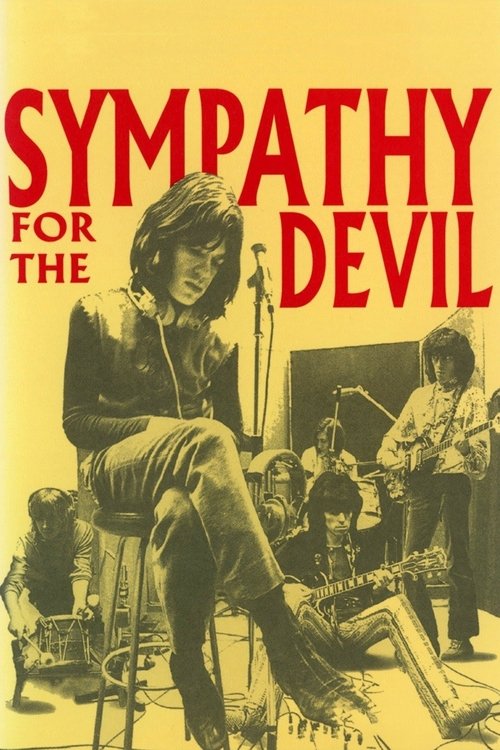
Sympathy for the Devil1968
Both are Italian films from the same era obsessed with the soul's commodification—the moment someone decides another person's worth nothing, not even alive.
Pasolini's Satanic nightmare: Satan seduces a married couple through a series of historical tableaux played out in a car. Obscure, dangerous, sexually explicit, and philosophically vicious about corruption and betrayal. It asks what *Violent City* never does: where does the impulse to betray come from?
But Deliberately offensive, nearly three hours long, and constructed as a sequence of provocations rather than a story. You need to actively want to be provoked.
More like this (8)
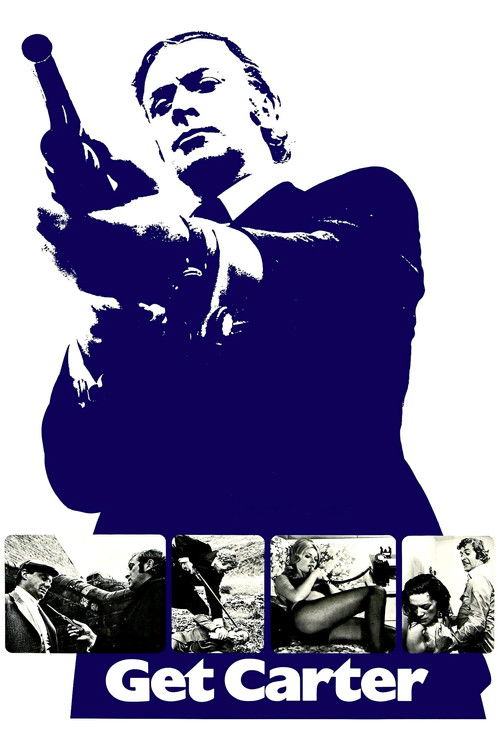
Get Carter1971
Michael Caine as a London enforcer returning home to investigate his brother's death, finding corruption at every level. British crime thriller with the same gritty authenticity and moral emptiness. Terse, violent, gorgeously bleak.
But Extremely dark and misanthropic. There are no heroes here, and it ends with a shrug rather than triumph.
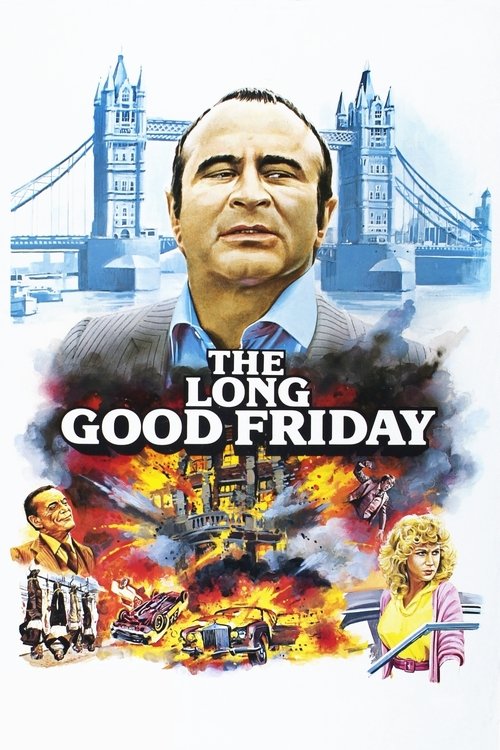
The Long Good Friday1980
Bob Hoskins as a London crime boss whose empire collapses in one night when an unknown enemy strikes. A brilliant anatomy of power, paranoia, and the moment everything unravels. That same cruel logic as *Violent City*.
But The IRA subplot and some '80s production choices feel dated. Hoskins' volatility isn't for everyone.
In a Lonely Place1950
Bogart as a volatile screenwriter falsely accused of murder; his lover stands by him, then realizes he might actually be capable of it. A portrait of suspicion and corrosive jealousy in a beautiful package. The betrayal cuts both ways.
But It's introspective and emotional rather than action-driven, and the ending is quietly devastating.

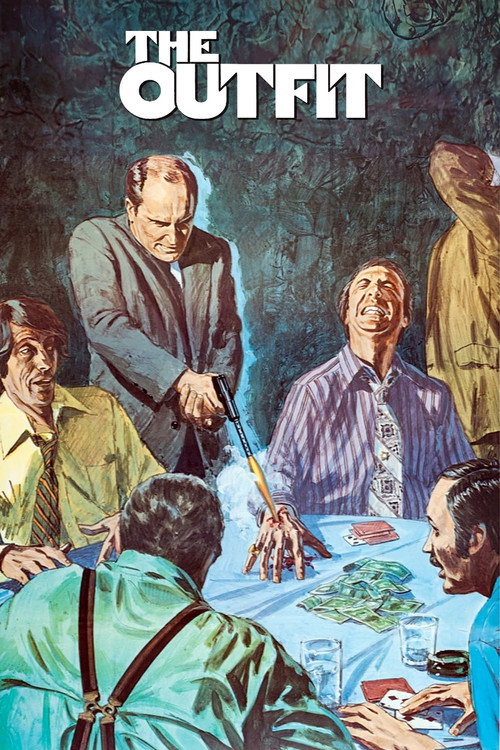
The Outfit1973
Robert Duvall as an ex-con taking on the Chicago mob after they kill his brother. Taut, intelligent crime thriller with the same lean logic and European sensibility—made by the same director as *Get Carter*.
But Less stylish than its peers and slightly more conventional in structure. The action sequences are brief and functional.
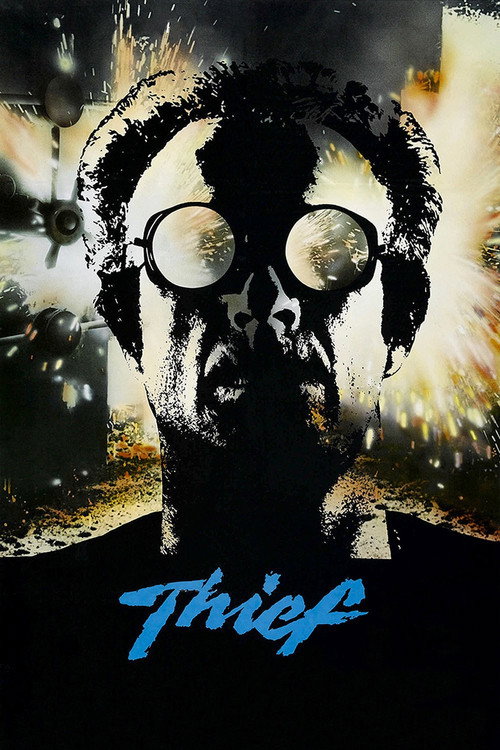
Thief1981
Michael Mann's hymn to professional criminals. James Caan as a master safecracker trying to go straight, then drawn back into the game. Neon-soaked, melancholic, built on the idea that some men are shaped for violence.
But Slow in stretches and more interested in the character's inner life than heist excitement. The synth score dates it heavily.
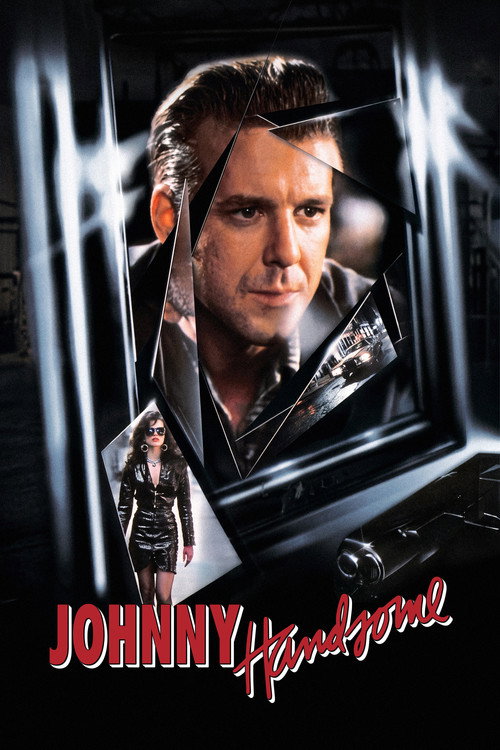
Johnny Handsome1989
Walter Hill remake of a French noir about a disfigured crook who gets plastic surgery, then methodically tracks down the gang that betrayed him. Revenge with a Faustian twist. Blue-collar and efficient.
But It's a bit generic and forgettable even on its own terms. The villains lack menace, and the twist is predictable.
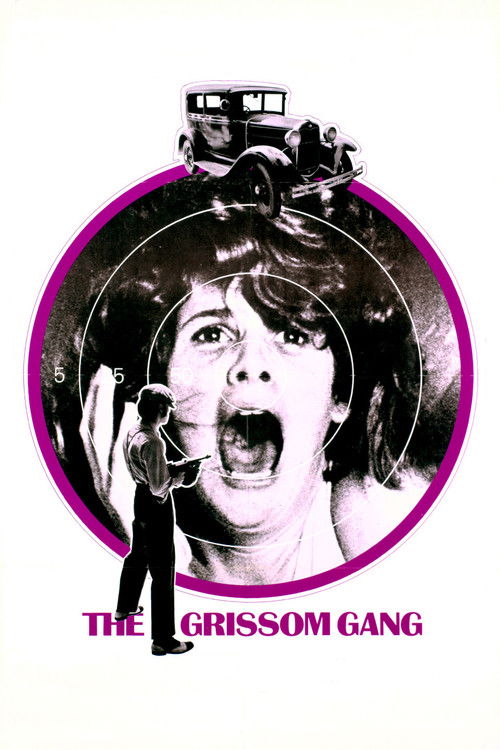
The Grissom Gang1971
Same director, same era, same conviction that civilization is a thin veneer and betrayal is just honesty breaking through.
Aldrich's savage inversion of the kidnapping genre: a wealthy heiress develops Stockholm syndrome for her captors, becoming more vicious than they are. Rape, brutality, and moral inversion treated without mercy or editorializing. It's *Violent City*'s logic applied to a woman.
But Extremely violent and misogynistic in its content, even if not its intent. Not for anyone uncomfortable with sexual violence as thematic material.
Stalker1979
Both films argue that revenge and ambition are mirrors of the same sin—the belief that the world owes you something, and that taking it proves you're alive.
Tarkovsky's science-fiction meditation on desire, corruption, and the gap between who we think we are and what we'll actually do. A guide leads two men through a forbidden zone to a room that grants wishes—but first you must confess what you truly want. It's *Violent City*'s spiritual reckoning.
But Nearly three hours of philosophical slow-cinema. There's no action, minimal plot, and dialogue that circles ideas rather than advancing them. Patience is not optional.

People
Cast
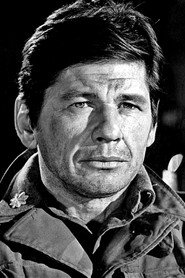 Charles BronsonJeff Heston
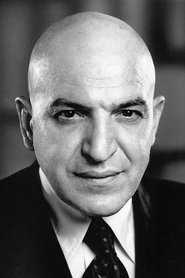 Telly SavalasAl Weber
 Jill IrelandVanessa Shelton
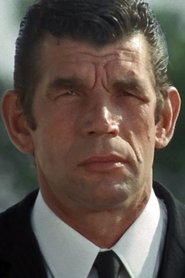 Michel ConstantinKillain
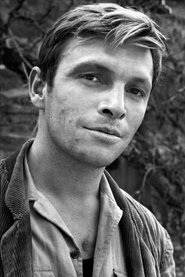 Umberto OrsiniSteve
- Rai SandersPrisoner
 Benjamin LevJeff's Mate
- Peter DaneTelevision Host
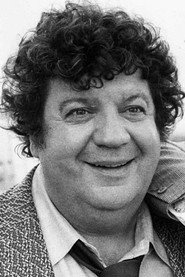 George SavalasShapiro
- Beryl SalvatoreDebutante
 Robert SpaffordKillain (voice)
 Goffredo UngerBit Part
Directing
- Sergio SollimaDirector
- Fabrizio GianniFirst Assistant Director
- Bona MagriniScript Supervisor
Writing
- Gianfranco CalligarichScreenplay
- Lina WertmüllerScreenplay
- Sauro ScavoliniScreenplay
- Sergio SollimaScreenplay
- Dino MaiuriStory
- Massimo De RitaStory
Production
- Arrigo ColomboProducer
- Giorgio PapiProducer
- Piero DonatiProduction Manager
- Alfredo Di SantoUnit Manager