
Film
The Case of the Scorpion's Tail
A stylish Italian thriller where a woman's inheritance becomes a death sentence. After her husband's suspicious plane crash, she arrives in Athens to claim his life insurance—only to find herself hunted by a rotating cast of greedy killers. It's a Giallo wrapped in sunlit Mediterranean glamour: twisty, violent, and more interested in the next shock than narrative coherence. For lovers of 70s Euro-thrillers who value mood and misdirection over logic.
If you liked this
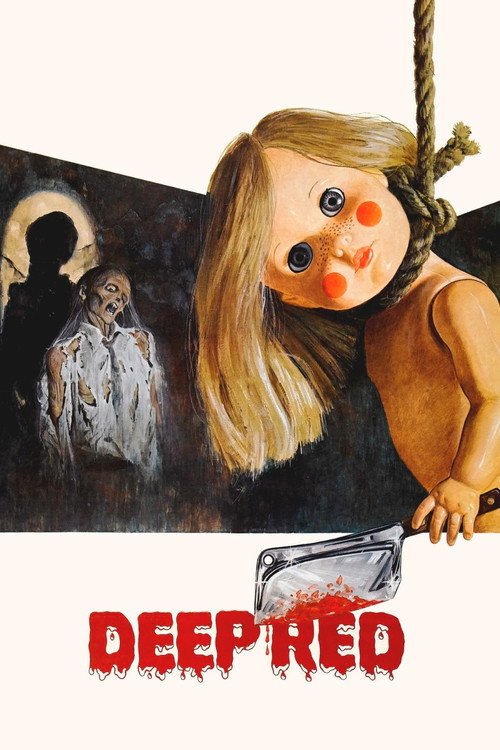
Deep Red1975
Dario Argento's masterpiece of Giallo: a pianist witnesses a murder and becomes obsessed with uncovering the killer's identity across Rome's shadowy underbelly. Visceral, gorgeously shot, with a score that burrows into your skull.
But The logic collapses spectacularly in the third act, and the film seems more interested in style and gore than character. Some will find that a feature, not a bug.
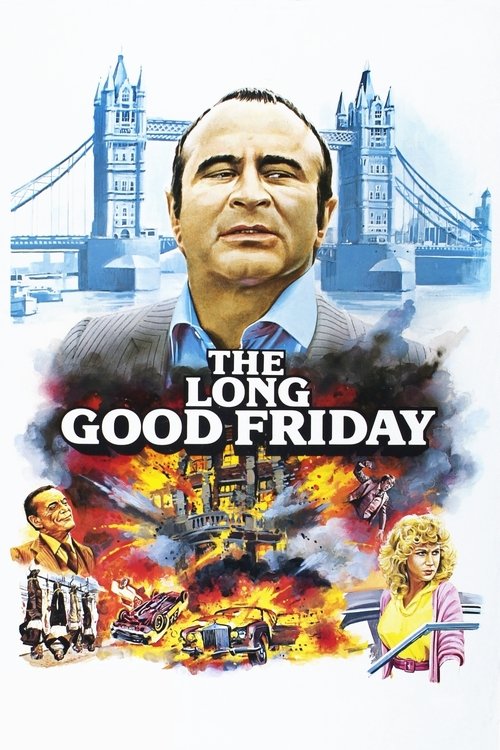
The Long Good Friday1980
Bob Hoskins as a London crime boss watching his empire crumble in a single weekend. Tense, funny, brutal—a masterclass in performance and escalating dread with a twist that rewires everything you've seen.
But It's political in a very 1980 way, and some scenes of violence are nasty without warning. Also Bob Hoskins yelling might exhaust you.
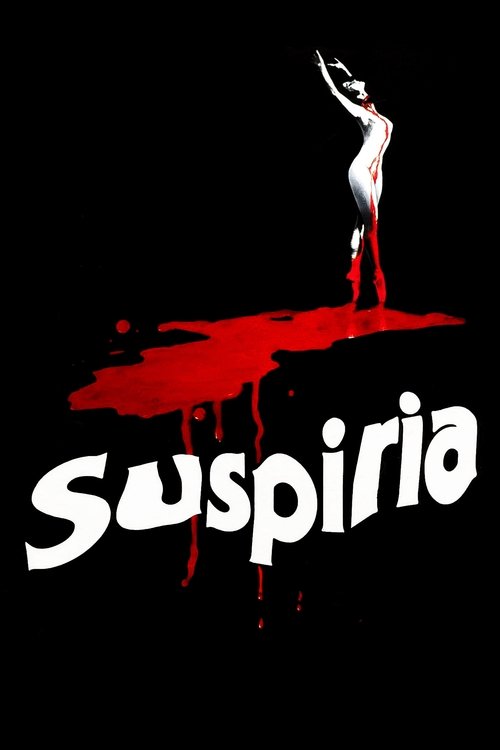
Suspiria1977
Argento again, but even weirder: an American ballet student arrives at a prestigious German academy and realizes it's a cover for witchcraft. Hallucinatory, cruel, visually stunning in ways that feel almost accidental.
But The plot barely matters and the logic is dream-logic. Some people find that liberating; others find it maddening. Also, the score is *aggressively* loud.
Not sure tonight? Get a pick in a minute, starting from The Case of the Scorpion's Tail
The wildcard
Something you would not have found on your own.
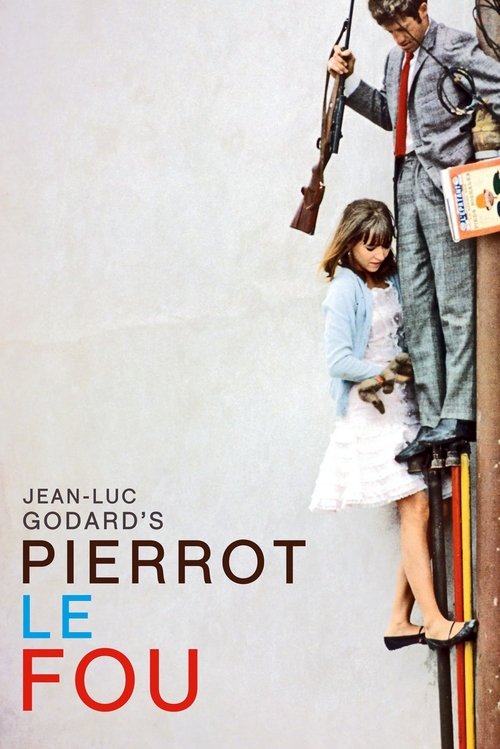
Pierrot le Fou1965
Both are 60s-70s European thrillers built on style and misdirection, but where *Scorpion's Tail* leans into genre mechanics, *Pierrot* demolishes them. Same era, opposite impulses.
Godard's kaleidoscopic love-on-the-run film, where Jean-Paul Belmondo and Anna Karina destroy their lives in increasingly beautiful and absurd ways. It looks like a Giallo that decided to become a poem halfway through, all colour and disjunction and violence that feels almost playful.
But It's deliberately incoherent and self-conscious about cinema itself. If you want plot or character logic, Godard is actively mocking you. Also, subtitles and a three-hour runtime.
More like this (8)
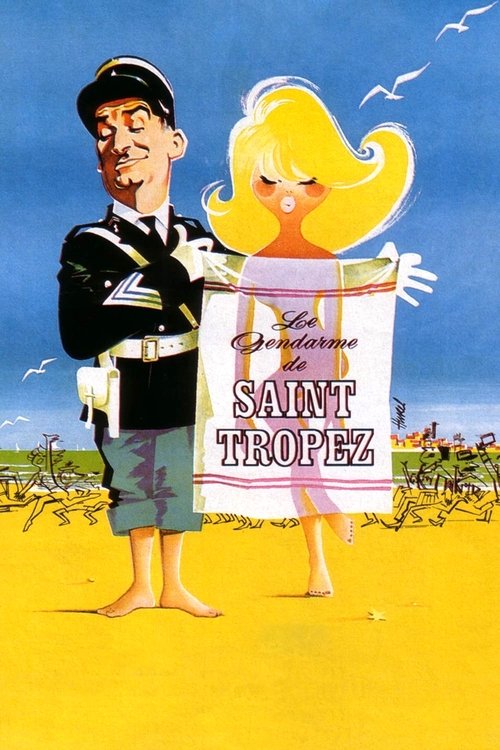
Le Gendarme de Saint-Tropez1964
Louis de Funès as a rigid small-town cop relocated to a fashionable seaside resort. A palate-cleanser: completely charming slapstick with the same era and geography as *Scorpion's Tail*, but 180 degrees lighter.
But French farce is a specific texture. If you don't vibe with de Funès' physical comedy and the film's gentle pace, it'll feel twee rather than funny.
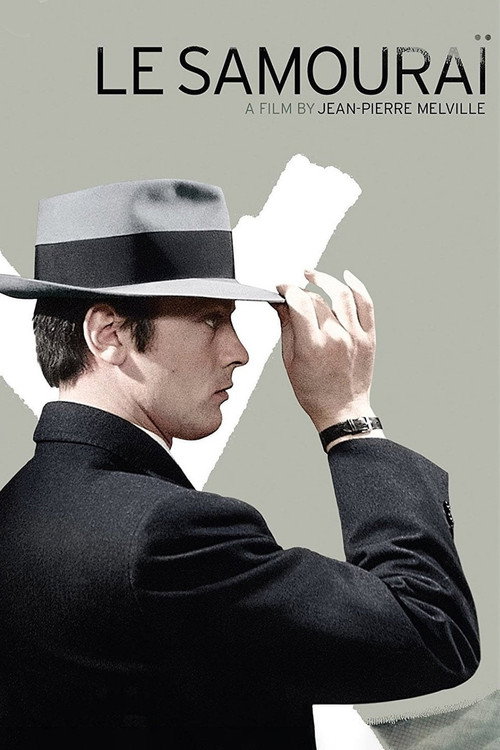
Le Samouraï1967
Alain Delon as a Tokyo-based contract killer—except it's Paris, and he's unknowably cool. Glacial, precise, hypnotic. Every frame is composed like a photograph. This is style functioning as substance.
But Nothing happens. The plot is thread-thin and the protagonist is emotionally absent. If you need character development or plot momentum, this will feel like watching paint dry in a Valentino suit.
The Girl Who Knew Too Much1963
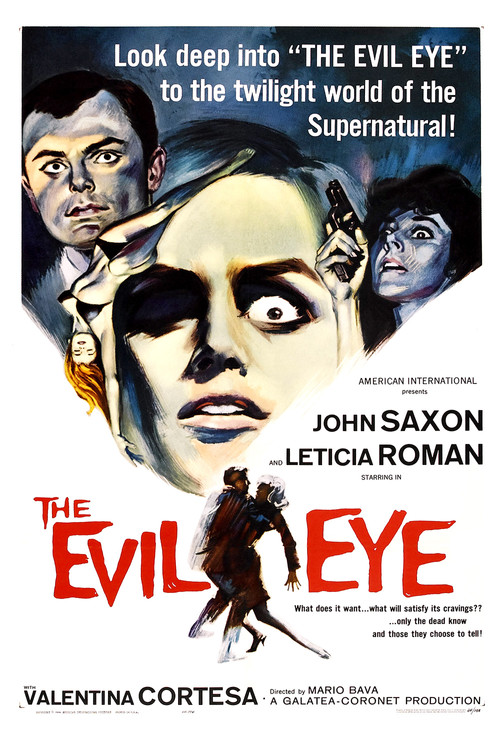
Mario Bava's debut Giallo: an American tourist in Rome witnesses a murder and becomes the killer's target. Noir atmosphere meets kaleidoscopic colour; it invented the template that *Scorpion's Tail* follows.
But The English dubbing is distracting and the pacing is deliberate to the point of sluggish. Also, the resolution feels almost incidental to the mood-building.
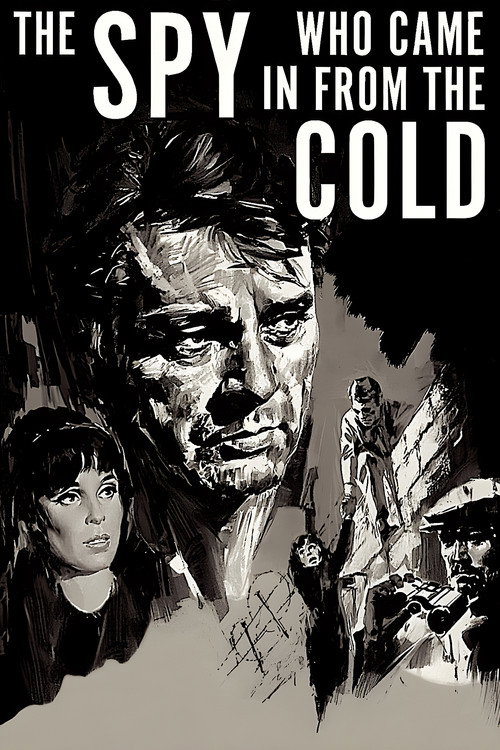
The Spy Who Came In from the Cold1965
Richard Burton as a burned-out Cold War operative in Berlin. Le Carré's cynicism translated to screen: grim, unglamorous, genuinely suspenseful. The anti-Bond film, and utterly gripping.
But It's bleak and talky, full of double-crosses that muddy rather than clarify. Expect no heroics, only compromise and betrayal. Some find that honest; others find it depressing.
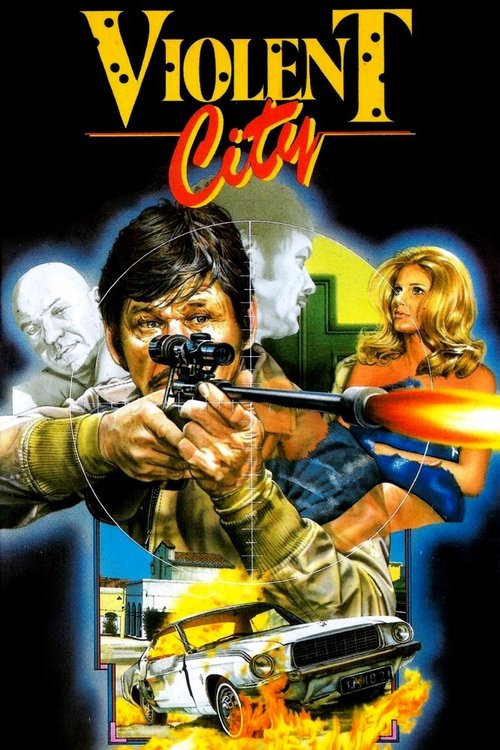
Violent City1970
Charles Bronson as a hitman betrayed by his wife and left for dead. Brutal 70s revenge cinema: cynical, stylish, and unapologetically violent. A direct ancestor of neo-noir.
But The attitude toward women is appalling even by 70s standards, and the plot is thin. It's almost aggressively uninterested in being likeable.
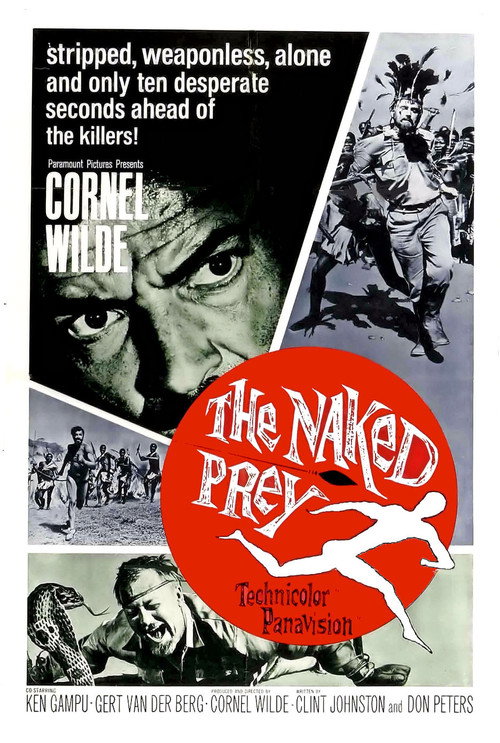
The Naked Prey1965
Cornel Wilde as a safari guide hunted across the African bush after betraying his guides. Stripped-down survival thriller with almost no dialogue—pure animal cinema, relentless and hypnotic.
But Minimal plot or character development. It's essentially ninety minutes of running and hiding. If you need narrative scaffolding, this will feel repetitive.
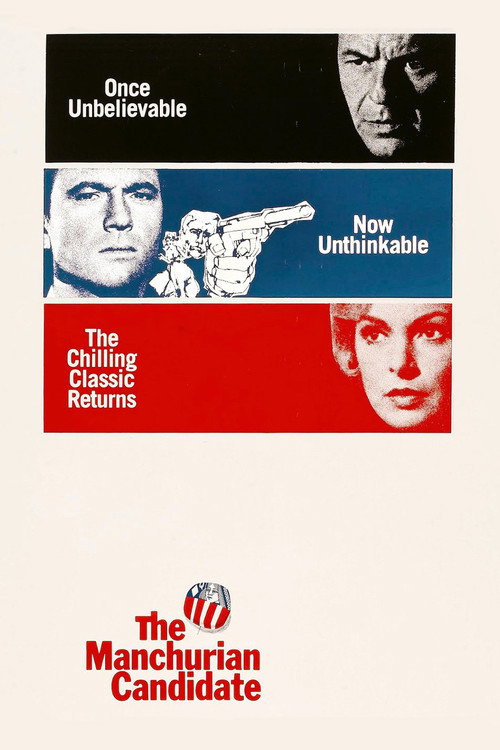
The Manchurian Candidate1962
Both traffick in impossible motives and hidden killers, but *Manchurian* roots its paranoia in Cold War politics and psychology rather than inheritance disputes. It's the intellectual older sibling asking *why* people kill instead of just showing you *that* they do.
Frankenheimer's paranoid masterpiece: a Korean War POW returns home brainwashed as an unwitting assassin. Conspiracy, politics, madness, and Frank Sinatra at his most coiled. It feels prophetic decades later and hasn't lost its teeth.
But The tonal shifts are jarring—noir thriller, family melodrama, political satire collide without warning. Also, it's from 1962, so the gender politics will frustrate you.
Possession1981
Both are European thrillers where the plot serves mood rather than narrative clarity, but *Possession* weaponizes surrealism and despair where *Scorpion's Tail* uses glamour and misdirection. Same era, opposite temperatures.
Andrzej Żuławski's Berlin-set marital breakdown, where a couple's separation manifests as literal body horror and tentacled creatures. Isabelle Adjani is extraordinary. It's a Giallo that ate a psychological drama and came out the other side as fever dream.
But It's relentlessly ugly, miserable, and disturbing. Graphic sexual content, graphic violence, and an aesthetic of decay. Also nearly impossible to parse on first viewing—you're meant to feel as lost as the characters.

People
Cast
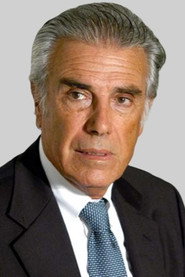 George HiltonPeter Lynch
 Anita StrindbergCléo Dupont
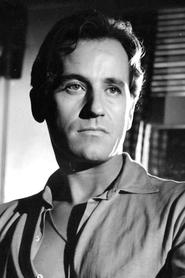 Alberto de MendozaJohn Stanley
 Ida GalliLisa Baumer
- Janine ReynaudLara Florakis
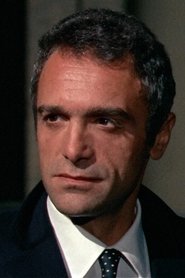 Luigi PistilliInspector Stavros
 Tom FelleghyMr. Brenton
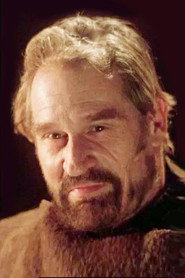 Luis BarbooSharif
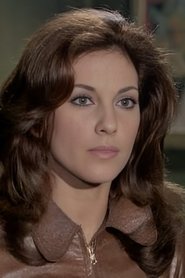 Lisa LeonardiStewardess
 Tomás PicóGeorge Barnett
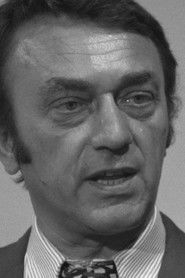 Fulvio MingozziKurt Baumer
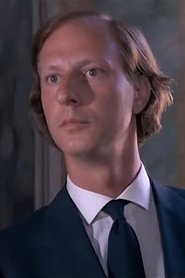 Franco Caracciolopasserby on a bicycle
Directing
- Mariano CanalesAssistant Director
- Nico D'AlessandriaAssistant Director
- Sergio MartinoDirector
- Laura CurrelliScript Supervisor
Writing
- Lewis E. CiannelliDialogue
- Eduardo ManzanosScreenplay
- Ernesto GastaldiScreenplay
- Sauro ScavoliniScreenplay
- Eduardo ManzanosStory
Production
- Luciano MartinoProducer
- Lamberto PalmieriProduction Manager
- Enzo PorcelliUnit Manager
- Fabio DiotalleviUnit Manager
- Riccardo DonillaUnit Manager