
Film
The Girl Who Knew Too Much
Ercole Fontanelli's 1963 thriller finds an American tourist in Rome witnessing a murder, then tangled in a series of stylish killings. Shot in black and white with a restless camera and a propulsive score, it moves fast and trusts you to keep up. For anyone who loves early Hitchcock or wants to know where giallo came from before it became fashionable.
Should you watch it?
Watch it if you love giallo-style mysteries where the pleasure lies in lurid colour, stylish camera moves and a plot that loops back on itself like a nightmare you can't shake.
Skip it if you want a tight, modern thriller with sharp logic; the plot wanders, the dialogue is stilted, and the lurid staging can feel more playful than frightening.
What it asks of you: It runs a brisk 86 minutes and rewards patient eyes more than close reasoning, so let the images carry you and don't worry too much about who knows what.
Not sure? Find tonight's pick in a minute.
If you liked this
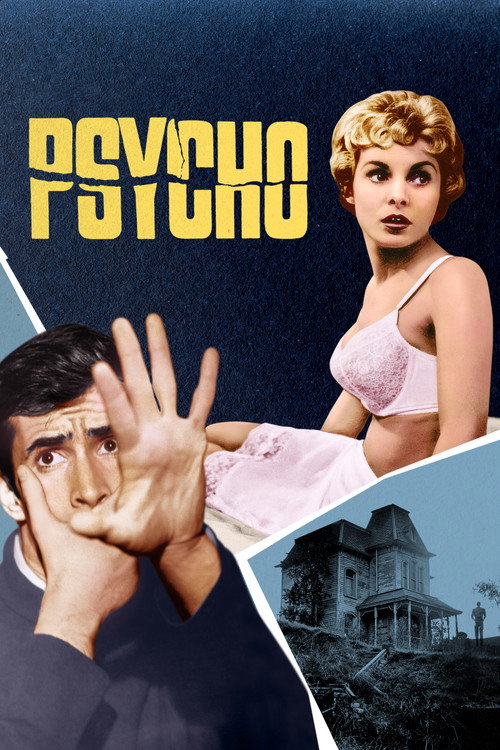
Psycho1960
Hitchcock's masterclass in suspense and psychological terror. A killer revealed early, then the real horror unfolds. Everything else descends from this.
But If you've seen it recently, you know the twists. The pacing can feel deliberate to modern eyes.
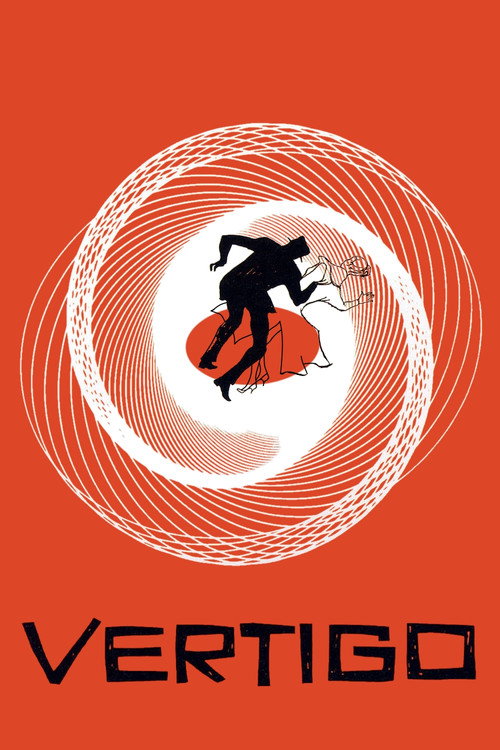
Vertigo1958
Obsession, doubling, a man who cannot see clearly. Hitchcock at his most visually intoxicating, spinning mystery and desire into something hypnotic.
But Nearly three hours and plotwise a bit silly once you think about it. The color restoration can feel garish to some.
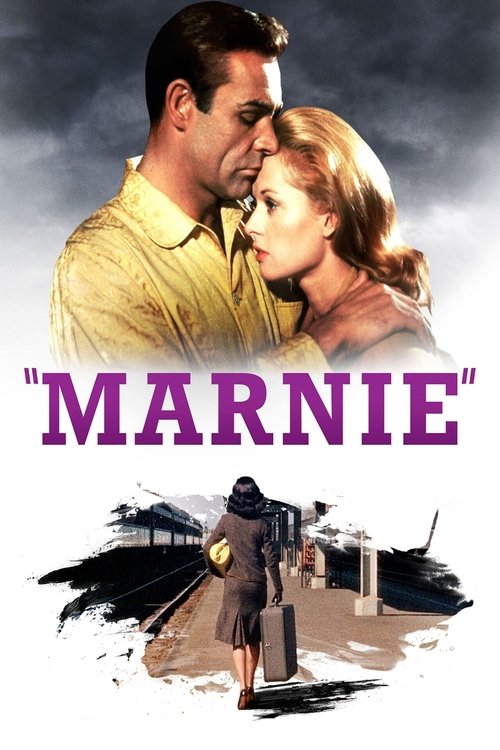
Marnie1964
Tippi Hedren pursued across a landscape of lies and theft and desire. Psychological thriller that dares to make its heroine a thief and keep your sympathy anyway.
But The process shots are cheesy now. Some find the sexual politics uncomfortable, and they're not entirely wrong.
Not sure tonight? Get a pick in a minute, starting from The Girl Who Knew Too Much
The wildcard
Something you would not have found on your own.
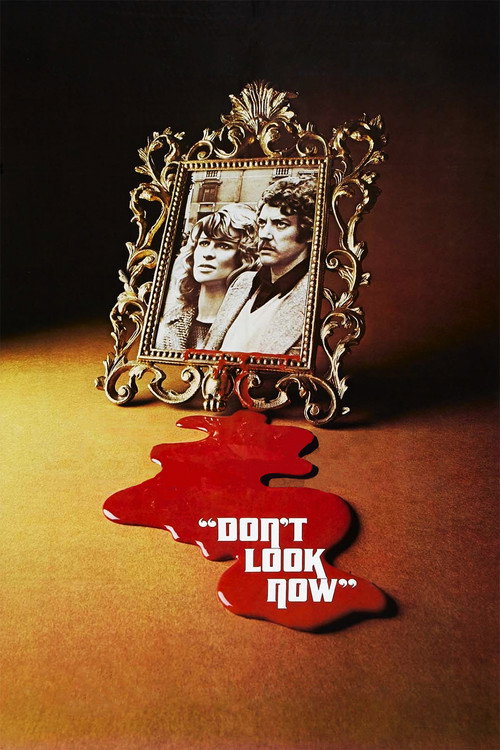
Don't Look Now1973
Both trap their protagonists in foreign cities where the eye deceives. Both use location as a character that can turn hostile.
Roeg's masterpiece. A couple in Venice after the death of their daughter. The same DNA as Girl Who Knew Too Much—a tourist abroad in danger, but shot with a disorienting, dreamlike camera that makes you feel as lost as the characters.
But The editing is deliberately confusing and the pacing glacial. If you need to understand what's happening, you'll struggle. Also contains one of the cinema's most famous scenes of explicit sexuality that can feel jarring.
More like this (7)
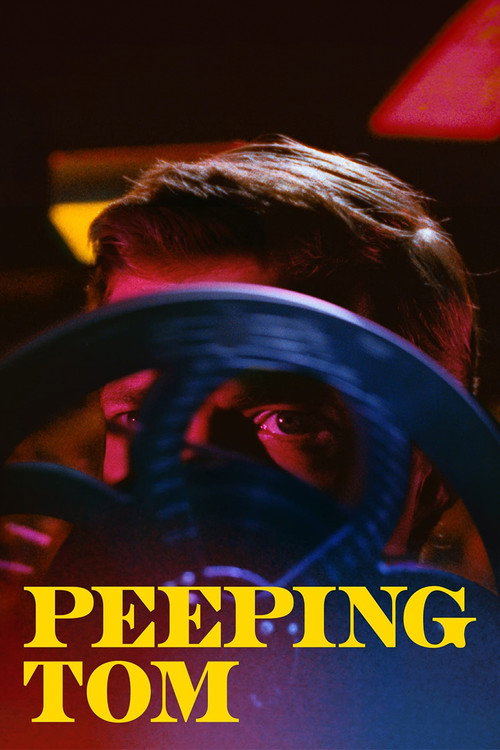
Peeping Tom1960
A cameraman who films his murders. British, transgressive, visually brilliant. Made the year before Psycho and understood the killer's sexuality in ways Hollywood hadn't yet.
But Deeply uncomfortable and was banned for years. Not a comfortable watch, and rightfully so.
The Third Man1949
A tourist in Vienna stumbles into intrigue. Carol Reed's direction, Welles' magnetism, and that zither score make every frame feel like a trap.
But The pacing is genteel by modern standards. If you need plot momentum over atmosphere, look elsewhere.

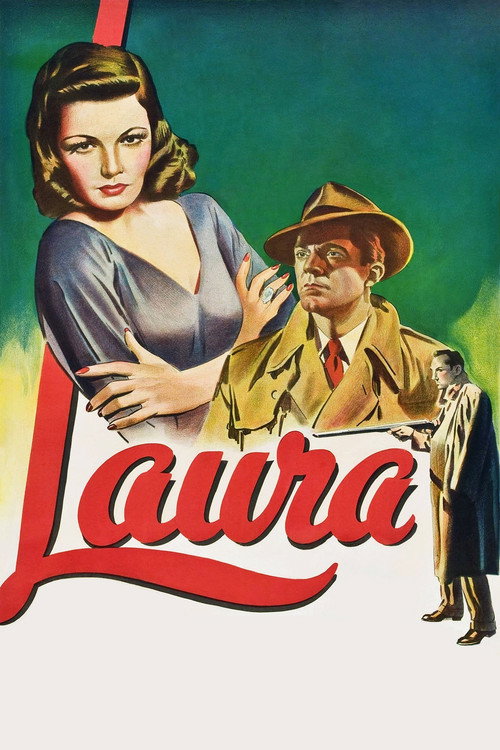
Laura1944
A detective falls in love with a dead woman's portrait. Elegant film noir that understands that mystery isn't just about plot—it's about obsession and misdirection.
But The twists feel small now. Black-and-white studio work can feel static if you're used to movement.
The Killers1946
An ex-boxer waits for killers. Siodmak's direction builds dread in close spaces. Burt Lancaster and Ava Gardner have chemistry that crackles and burns.
But The editing is choppy by design—some find it fractured rather than tense.

In a Lonely Place1950
Bogart plays against type as a violent, paranoid man accused of murder. Ray's direction turns Hollywood itself into a landscape of suspicion and rot.
But It's bleak. Bogart's charisma works against sympathy, which is partly the point, but it makes the film difficult.

Possession1981
Both are about seeing something you can't unsee and being pulled into a mystery you can't escape. Both trust visual language over exposition.
Zulawski's apocalyptic fever dream about a marriage collapsing in Berlin. No plot survives contact with this fever. Shot with a camera that never holds still, scored to make you anxious. Pure cinematic terror that operates on mood and image rather than narrative.
But It's incoherent if you're looking for coherence. The acting is operatic to the point of hysteria. Many will find it pretentious or unwatchable.

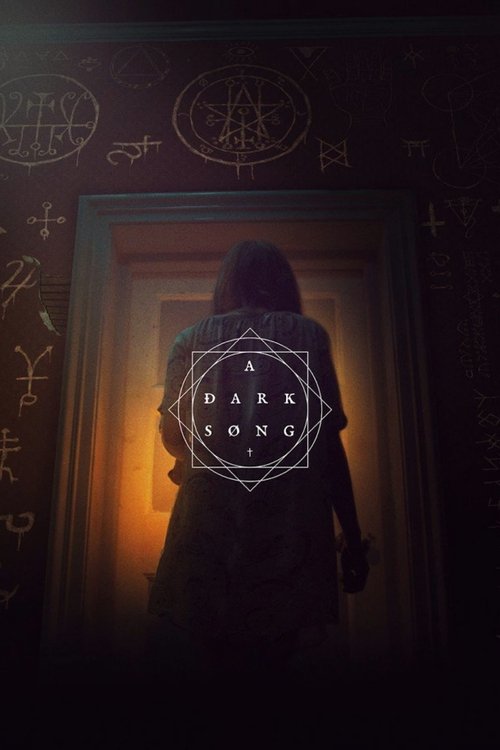
A Dark Song2016
Both films understand that the real terror is internal—what you carry with you more than what hunts you. Both use atmosphere and performance over exposition.
A grieving woman and an occultist in an isolated house. Oz Perkins' film moves like a séance, building toward ecstatic transcendence. Quietly devastating, visually gorgeous, genuinely moving rather than merely thrilling.
But Slow and spiritual rather than suspenseful. If you watch thrillers for plot mechanics, this will try your patience. The ending will not satisfy thriller logic.
People
Cast
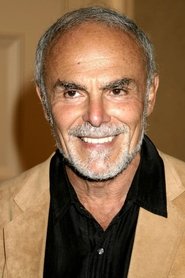 John SaxonDr. Marcello Bassi
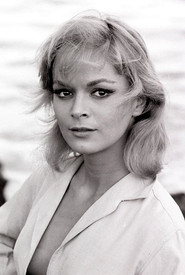 Letícia RománNora Davis
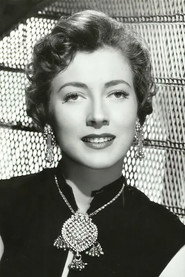 Valentina CorteseLaura Craven-Torrani
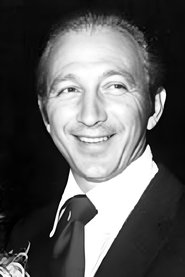 Dante DiPaoloAndrea Landini
- Titti TomainoInspector
 Luigi BonosAlbergo Stelletta
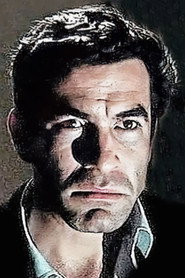 Milo QuesadaDe Vico / Paccini
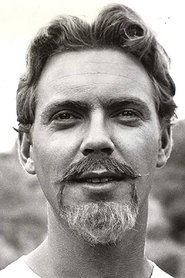 Gustavo De NardoDr. Facchetti
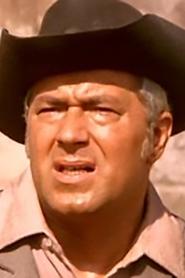 Giovanni Di BenedettoProfessor Torrani
- Jim DolenPriest (uncredited)
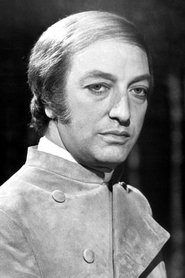 Franco ResselArresting Officer at Airport (uncredited)
- Robert BuchananDr Alessi
Directing
- Franco ProsperiAssistant Director
- Mario BavaDirector
- Neda MatteucciScript Supervisor
- Enrico ChecchiSecond Assistant Director
Writing
- Eliana De SabataScreenplay
- Ennio De ConciniScreenplay
- Franco ProsperiScreenplay
- Mario BavaScreenplay
- Mino GuerriniScreenplay
- Sergio CorbucciScreenplay
- Eliana De SabataStory
- Ennio De ConciniStory
- Sergio CorbucciStory
Production
- Salvatore BillitteriAssociate Producer
- Massimo De RitaExecutive Producer
- Armando GovoniProduction Assistant
- Paolo MercuriProduction Manager