
Film
Get Yer Ya-Ya's Out!: The Rolling Stones in Concert
The Rolling Stones captured live in 1969, raw and unvarnished—a document of rock's most dangerous band at peak swagger. Twenty-eight minutes of pure voltage: Jagger prowling, Richards locked in with the groove, the whole thing crackling with the sense that anything could happen. Essential for anyone who wants to understand what rock and roll actually felt like before it got civilized.
If you liked this
Woodstock1970
The definitive concert documentary of the era, capturing multiple legendary performances across three days. You'll see Hendrix, Janis Joplin, and The Who—a portrait of a generation's peak moment and the music that defined it.
But Three and a half hours long, and some of the performances are fragmentary. The documentary impulse sometimes overwhelms the music itself.

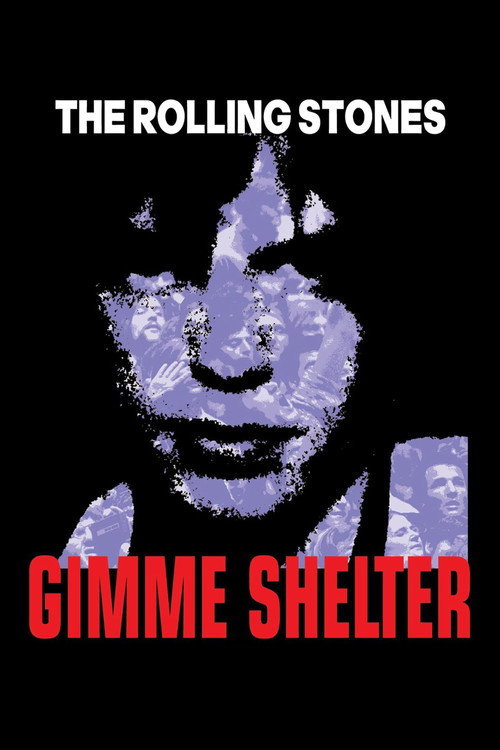
Gimme Shelter1970
The Stones at Altamont in 1969—the concert that ended the sixties. Haunting, terrifying, and one of the greatest rock documentaries ever made. It captures the band at their most magnetic and the moment everything changed.
But It documents a death. The atmosphere is ominous throughout, and the tragedy at the end is not cushioned or softened.
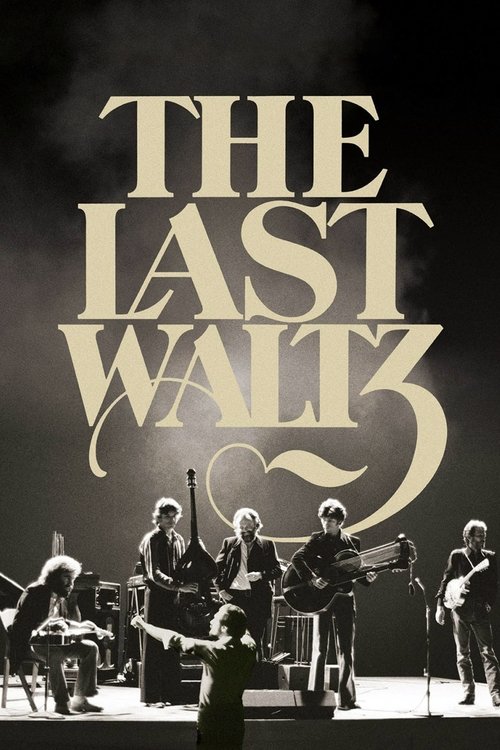
The Last Waltz1978
The Band's farewell concert, directed by Scorsese. If you want to see how a great live rock film is made—with style, depth, and intelligence—this is it. Guest appearances from the Stones' contemporaries, and a completely different register from the raw footage you've just seen.
But It's about the Band, not the Stones. The mood is reflective and elegiac rather than raucous. Some younger viewers find it slow.
Not sure tonight? Get a pick in a minute, starting from Get Yer Ya-Ya's Out!: The Rolling Stones in Concert
The wildcard
Something you would not have found on your own.
A Band Called Death2013
Both capture rock and roll as an untamed force of nature—the pure electricity before the industry caught up. The connection is spiritual, not generic.
A Black punk band from Detroit in 1974—thirty years before anyone heard them, they were doing exactly what raw rock and roll should be. Rediscovered and vindicated, their story is about the pure animal spirit of rock music and how it survives invisibility.
But It's not a famous band, and the early footage is fragmented and rough. Takes time to build. Some won't connect with the punk aesthetic.
More like this (4)
Monterey Pop1968
The definitive summer-of-love concert film. Hendrix's debut performance, Janis Joplin, the Who destroying their equipment—the energy here is younger and more experimental than the Stones' hard rock, but the electricity is just as real.
But The Stones aren't in it. At 80 minutes it feels scattered compared to a single-band document. Some performances are just fragments.
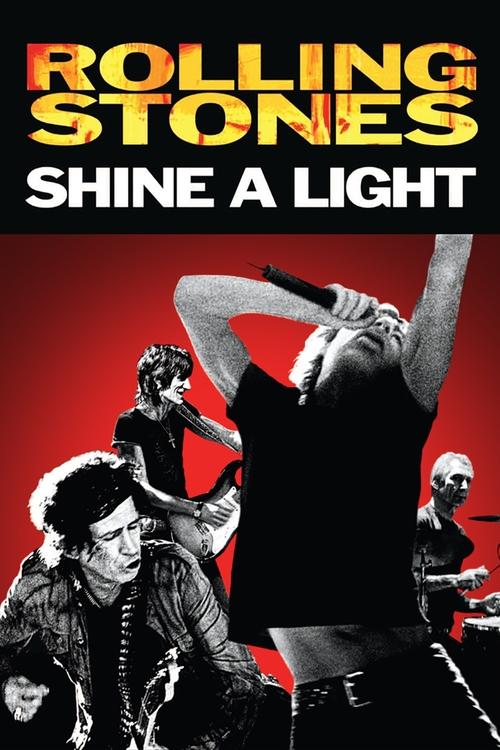
Shine a Light2008
Scorsese films the Stones in 2006, with guest appearances from contemporary artists. If you want to see how the band aged and what they still had at 60-plus, it's here. Technically brilliant, emotionally generous.
But It's the aged Stones, not the dangerous ones. The production is so polished it can feel sterile compared to raw 1969 footage. Some find it a nostalgia exercise.
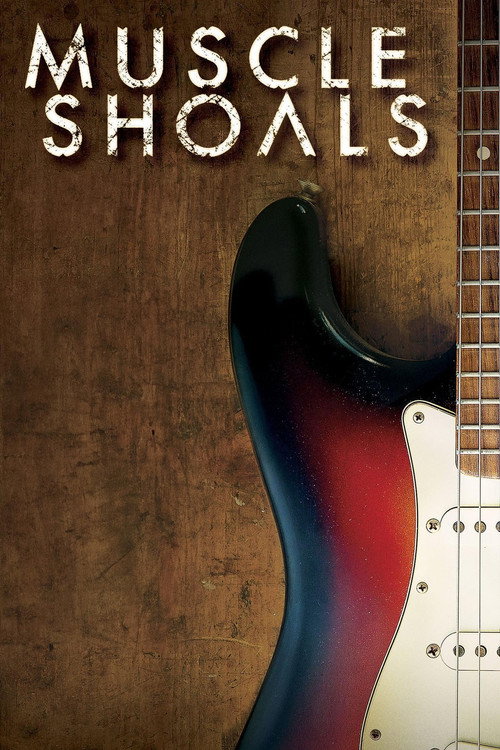
Muscle Shoals2013
The sound of Ya-Ya's Out was built on this studio and these players. The film explains where that electricity actually came from—not just the band, but the engineers and musicians behind them.
Documentary about the legendary Alabama recording studio where the Stones recorded, and the session musicians—predominantly Black—who played on countless classic rock records. It's the hidden history of the sound you're hearing on the Stones' records.
But It's not the Stones, and moves between many artists. Some sequences are slow. Requires interest in musical archaeology, not just rock nostalgia.
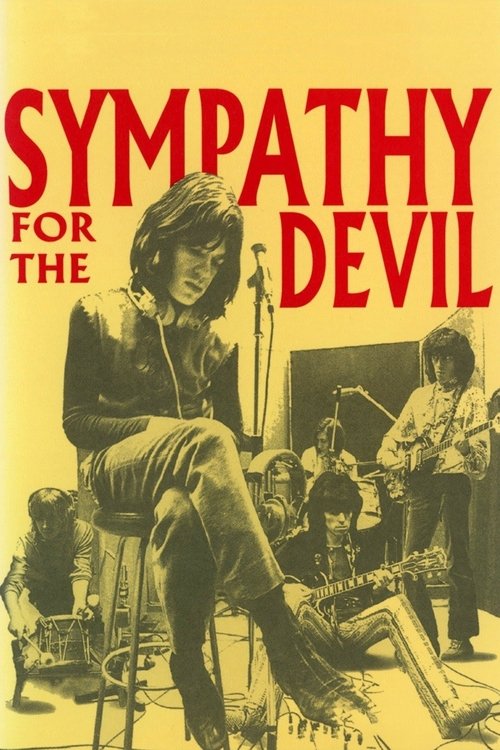
Sympathy for the Devil1968
Both are documents of the Stones at a specific moment, but this one treats the music as one part of a larger cultural upheaval. It asks what it means to make rock and roll in 1968, rather than just showing you that they did.
Godard's experimental film intercuts the Stones recording 'Sympathy for the Devil' in the studio with revolutionary and cultural footage of 1968. Mesmerizing, strange, and philosophically ambitious in a way most music films never attempt. The creative process becomes a lens on the world itself.
But It's avant-garde. The filmmaking is deliberately disruptive and fragmentary. If you want straightforward concert footage, this will frustrate you. Very cerebral.
People
Cast
 Mick JaggerSelf
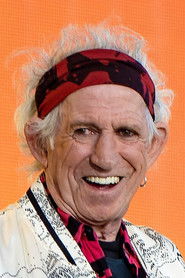 Keith RichardsSelf
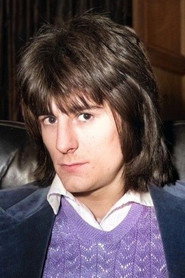 Ronnie WoodSelf
 Charlie WattsSelf
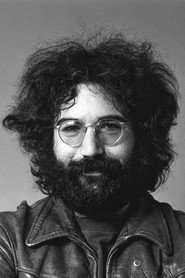 Jerry GarciaSelf
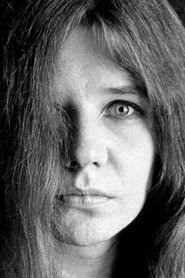 Janis JoplinSelf (archive footage)
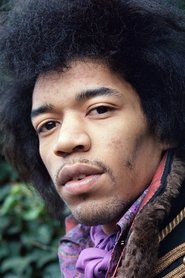 Jimi HendrixSelf
Directing
- Albert MayslesDirector
- Brad KaplanDirector
- Ian MarkiewiczDirector
Writing
- Mick GochanourWriter