
Film
The Brand New Testament
Jaco Van Dormael's audacious comedy relocates God to a dingy Brussels apartment, where his teenage daughter Ea rebels by releasing his draft emails to humanity. It's a film of wild tonal swings—profane, tender, absurd, and surprisingly moving—that uses divine family chaos to explore meaning, mortality, and connection. For viewers who want their fantasy funny and their theology heretical.
Should you watch it?
Watch it if you enjoy sharp, irreverent absurdist comedy where a cosmic joke is pushed into the mundane details of a cramped Brussels flat, with a deadpan streak that never quite lets up.
Skip it if you want a fast plot with steady forward momentum, since this is a loose string of vignettes and its mischief is more about mood and provocation than narrative drive.
What it asks of you: It runs about nineteen minutes past the two-hour mark of most features, so settle in for a sequence of odd, episodic detours, with some scenes lingering longer than their punchlines need.
Not sure? Find tonight's pick in a minute.
If you liked this
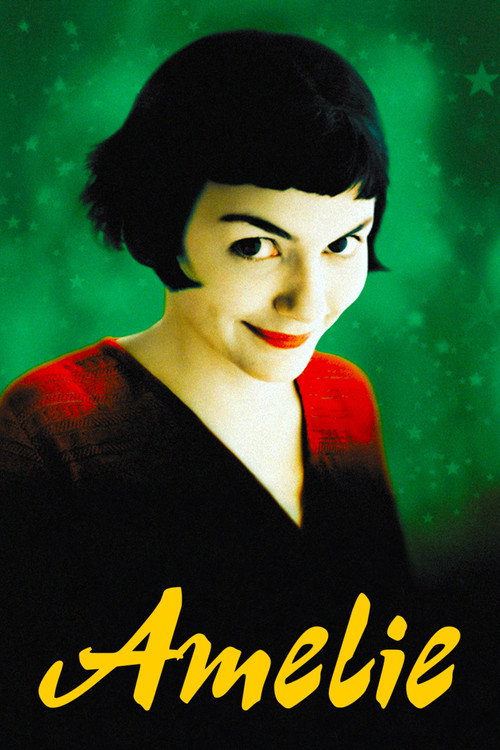
Amélie2001
Both films overflow with whimsical visual invention and find profound human warmth in small Brussels-adjacent moments. Amélie's Paris and Ea's Brussels share that sense of magical realism hiding in ordinary streets.
But Amélie leans harder into pure whimsy, while Testament swings wildly between tones. If you need consistency of mood, Testament's tonal shifts might feel jarring.
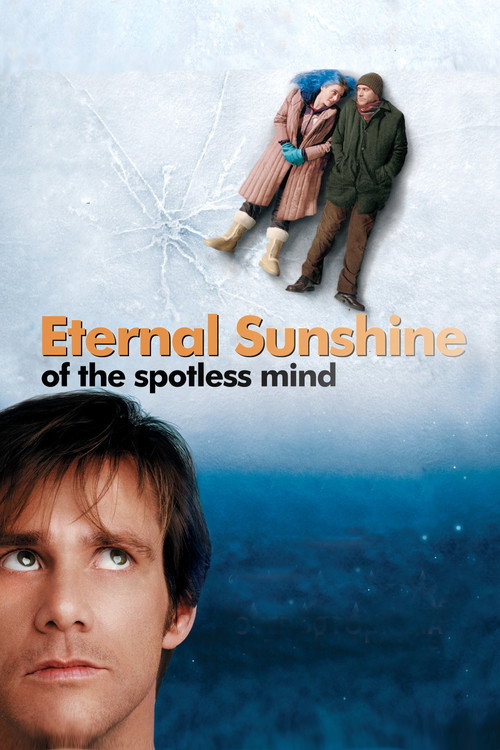
Eternal Sunshine of the Spotless Mind2004
Both are formally inventive films about fundamental human questions—here, meaning and connection—disguised as wild comedies. They share that rare ability to be funny while genuinely moving you.
But It's more melancholic than funny, and moves at a slower burn. Testament's chaos might be what you're after if you want something more ebullient.
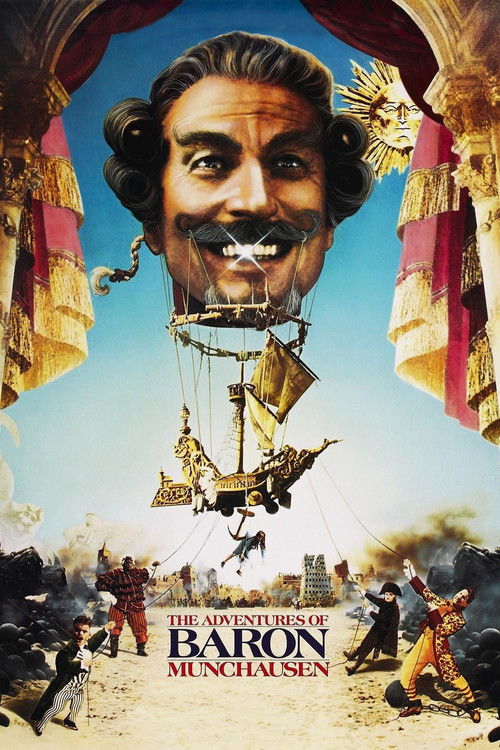
The Adventures of Baron Munchausen1988
Terry Gilliam's baroque fantasy shares Testament's refusal to choose between the grandiose and the personal. Both treat imagination as a survival strategy against a dull world.
But It's visually dense to the point of overwhelming, and the plot can feel secondary to spectacle. Testament is more grounded, despite its cosmic premise.
Not sure tonight? Get a pick in a minute, starting from The Brand New Testament
The wildcard
Something you would not have found on your own.
Synecdoche, New York2008
Both films use a damaged patriarch and cosmic scope to explore the gap between the lives we imagine and the lives we actually live. Both are about the stubborn persistence of meaning despite everything.
Charlie Kaufman's baroque meditation on mortality, legacy, and the impossibility of fully knowing another person. Like Testament, it uses formal invention and darkly comic family pathology to probe what makes existence meaningful.
But It's three hours of ascending emotional weight and bewildering narrative structure. Testament is lighter and more playful; this demands patience and repeated viewing.

More like this (8)
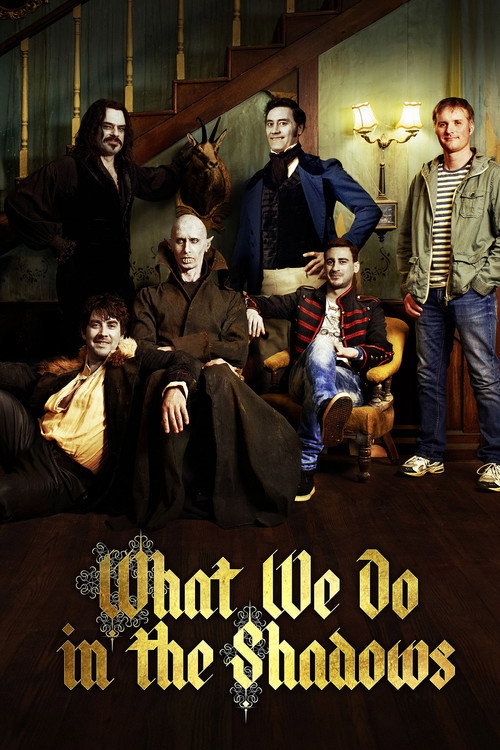
What We Do in the Shadows2014
Both use comedy to humanize the mythical. Watching immortal creatures or deity deal with mundane domestic life, jealousy, and boredom is endlessly funny and oddly tender.
But The mockumentary format might feel repetitive if you're not already fond of that style. Testament doesn't lean on it as heavily.
A Ghost Story2017
Both meditate on mortality, time, and what makes life meaningful through unconventional storytelling. They ask similar questions about legacy and connection, though from very different angles.
But It's deliberately slow and melancholic in ways Testament isn't. If you want Testament's energy, this will feel like watching paint dry.

Little Miss Sunshine2006
Dysfunctional family road trip comedies where chaos serves genuine character depth. Both balance laugh-out-loud moments with real emotional stakes and messy human truths.
But Less formally inventive than Testament. If you're after visual daring and cosmic scope, this is earthbound indie comedy.
The Lobster2015
Same year as Testament, equally absurdist, equally committed to its bonkers premise without winking at the camera. Yorgos Lanthimos shares Van Dormael's willingness to be strange on serious terms.
But It's deadpan where Testament is exuberant, and considerably bleaker. If you want warmth, The Lobster might feel cold.
Man Bites Dog1992
Belgian dark comedy from the directors of Man Bites Dog. Poelvoorde (who plays God here) stars in this mockumentary about a serial killer. It shares Testament's willingness to find comedy in transgression.
But Much more graphically violent and genuinely disturbing. Testament's sacrilege is playful; this one aims at your stomach.
Moonrise Kingdom2012
Wes Anderson's coming-of-age fantasy shares Testament's affection for oddball characters and its belief that imagination can redeem the world. Both celebrate weirdness as a form of grace.
But Anderson's aesthetic is much more controlled and symmetrical. Testament is messier and more frenetic, which some find liberating and others chaotic.
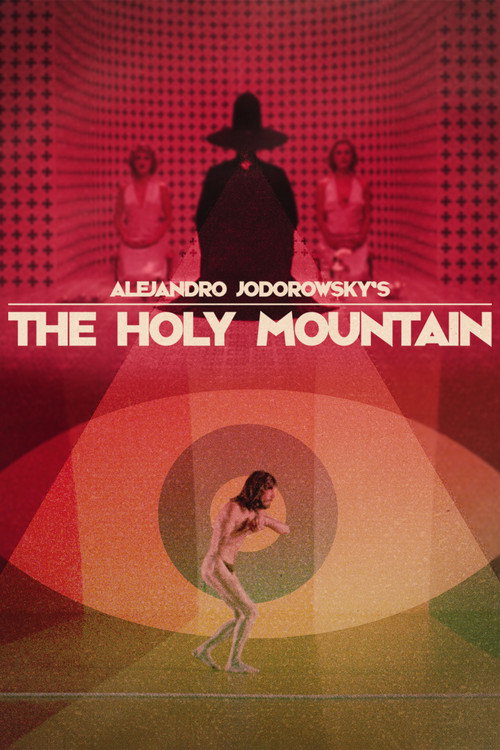
The Holy Mountain1973
Both treat religious narrative and divine authority as material for creative heresy. Both believe that to attack God seriously, you must treat Him as real enough to matter.
Jodorowsky's visionary surrealist odyssey. If you responded to Testament's willingness to make theology absurd and spirituality genuinely strange, here's the film that does it with '70s psychedelia and complete formal abandon.
But It's three hours of uncompromising surrealism with graphic imagery and no conventional narrative. Testament is tame by comparison; this is genuinely confrontational.
The Farewell2019
Both films believe that the deepest human truths emerge through family dysfunction. Both find their profound moments not despite comedy but through it, allowing laughter to coexist with genuine loss.
Lulu Wang's comedy-drama about a Chinese family gathering, built on secrets, mortality, and the question of what we owe each other. Quieter than Testament, but asking the same questions about family, duty, and grace.
But It's set in contemporary realism with no magical elements. If you came for Testament's formal daring and cosmic scope, this will feel deliberately earthbound.

People
Cast

 Yolande MoreauGod's Wife
 Catherine DeneuveMartine
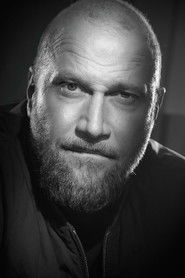 François DamiensFrançois
 Serge LarivièreMarc
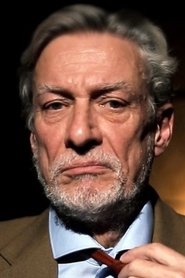 Didier De NeckJean-Claude
 Laura VerlindenAurélie
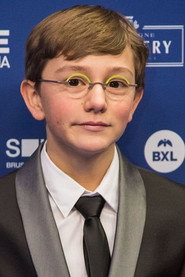 Romain GelinWilly
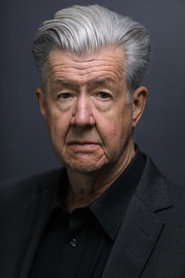 Marco LorenziniVictor
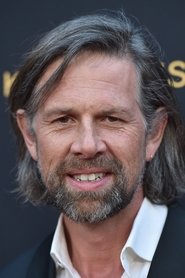 Johan HeldenberghThe Priest
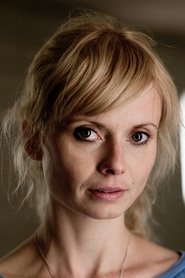 Anna TentaXenia, l'Allemande
Directing
- Renaud AlcaldeAssistant Director
- Jaco Van DormaelDirector
- Elly VerduycktScript Supervisor
Writing
- Jaco Van DormaelScreenplay
- Thomas GunzigScreenplay
Production
- Michaël BierCasting
- Patrick HellaCasting
- Daniel MarquetProducer
- Jaco Van DormaelProducer
- Olivier RausinProducer
Recommended by
Backpack Full of Cash, The Gospel According to St. Matthew, Amen