
Film
The Hoodlum Priest
A 1961 drama about a Jesuit priest in St. Louis fighting an uphill battle to rehabilitate young ex-convicts rejected by society. Earnest and unshowy, it trades melodrama for observation—watching a good man encounter the limits of goodwill in a rigged system. For anyone interested in how faith grapples with structural failure, or the quiet moral weight of mercy.
If you liked this
The Best Years of Our Lives1946
Three veterans struggle to reintegrate into civilian life after World War II. Like The Hoodlum Priest, it refuses easy answers—society promises welcome but delivers indifference, suspicion, and closed doors. Achingly human.
But Nearly three and a half hours long, and the pacing is deliberate. Some scenes linger when you might prefer they move.

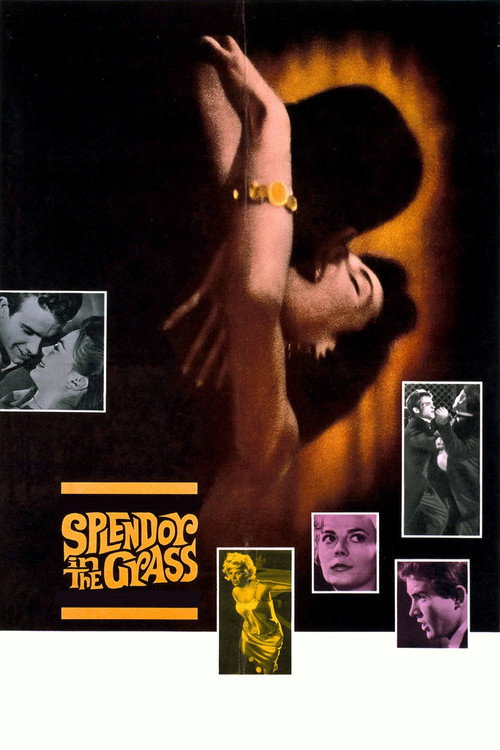
Splendor in the Grass1961
Released the same year, it's another Kennedy-era drama about young people trapped by circumstance and social pressure. Warren Beatty and Natalie Wood are luminous, and Kazan directs with real empathy for their impossible bind.
But The ending veers toward melodrama in ways that might feel dated. It's prettier and softer than The Hoodlum Priest, which some find evasive.
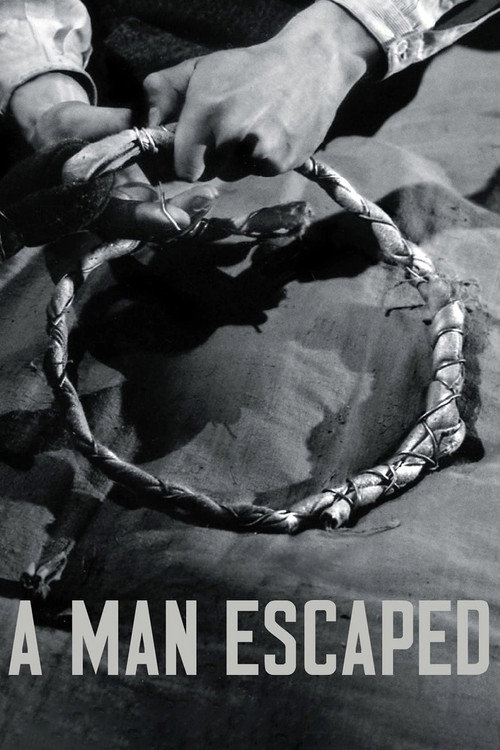
A Man Escaped1956
Robert Bresson's austere masterpiece about a French Resistance fighter planning his getaway from a Nazi prison. Like the priest film, it studies spiritual endurance—not through dialogue but through the texture of survival and the geometry of space.
But Bresson strips away everything ornamental. There's no score, minimal acting, and long stretches of quiet problem-solving. Not for those wanting emotional catharsis.
Not sure tonight? Get a pick in a minute, starting from The Hoodlum Priest
The wildcard
Something you would not have found on your own.
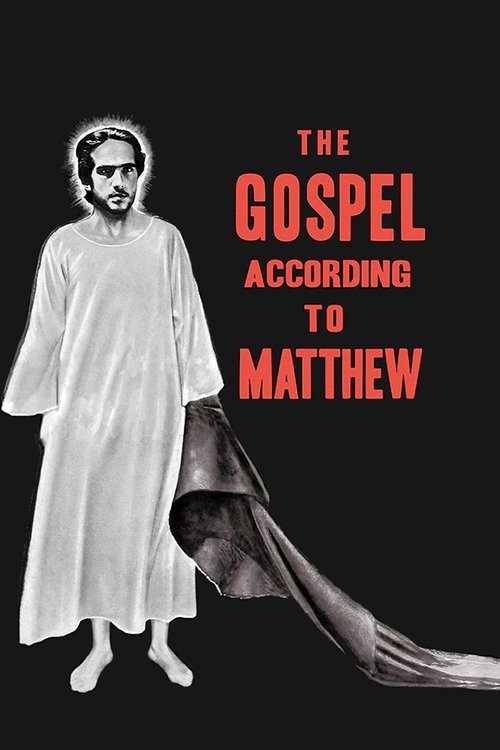
The Gospel According to St. Matthew1965
Both films measure faith against concrete reality—not in abstraction but in how it functions when tested by actual human failure and social indifference. The priest's work and Pasolini's Christ both demand action in an unjust world.
Pier Paolo Pasolini's radical adaptation of Matthew casts non-professionals and shoots in stark black-and-white newsreel style. It's about faith as radical politics—Christ not as comfort but as challenge to the powerful. Formally revolutionary and spiritually searching.
But Entirely in Italian, austere to the point of coldness, and Pasolini's politics are uncompromising and sometimes jarring. You must sit with discomfort.
More like this (8)
The Killing1956
Kubrick's debut tracks a racetrack heist through the eyes of criminals, ex-cons, and desperate people. It sees them clearly—smart and foolish in equal measure—without judgment or sentimentality. Bracing moral realism.
But Shot in black-and-white on a shoestring and it shows. The structure is fractured deliberately, which some find confusing rather than ingenious.

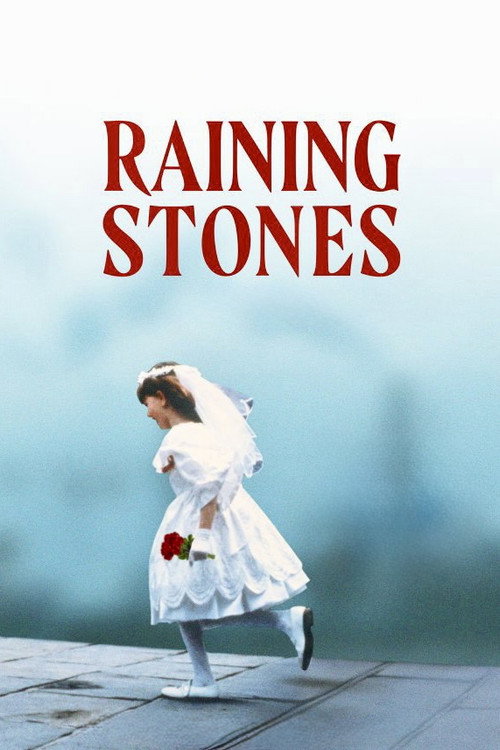
Raining Stones1993
Ken Loach's devastatingly tender film about a unemployed man in Manchester trying to scrape together rent and his daughter's communion dress. It's about how poverty crushes dignity, and how people resist that crushing anyway.
But Loach's style is unflinching and unglamorous. If you want your suffering beautified, this will frustrate you. Bleak is the point.
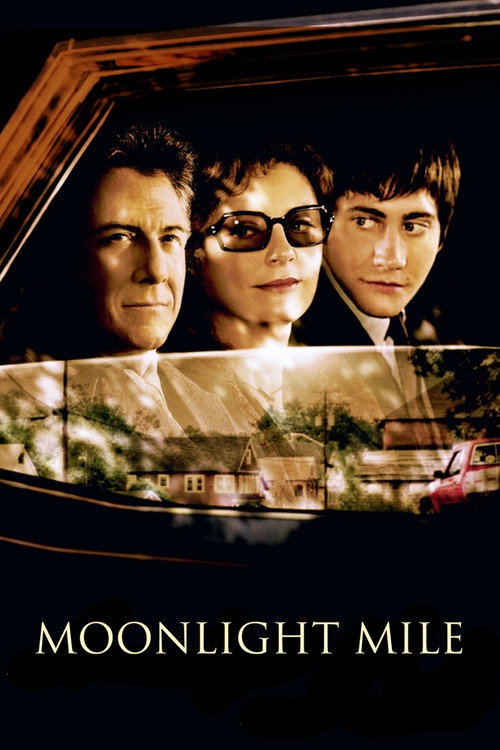
Moonlight Mile2002
Jake Gyllenhaal as a man adrift after his fiancée's murder, drifting through a small town where kindness sometimes makes things worse. It understands that good intentions and actual help are different things, and the distance between them matters.
But It's slow and digressive. The plot, if you're looking for one, is thin. It's a mood film, and if the mood doesn't take you, you'll be impatient.
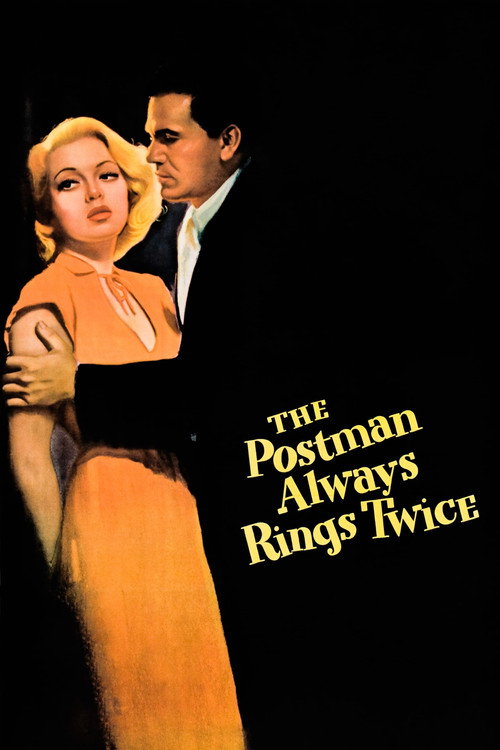
The Postman Always Rings Twice1946
Lana Turner and John Garfield in a noir about desperate people making terrible choices. It's a counterpoint to the priest's faith—a story about how circumstance and desire corrode morality even in ordinary people.
But The Production Code keeps it neutered in places. What it's hinting at is darker than what it shows, which can feel frustrating now.
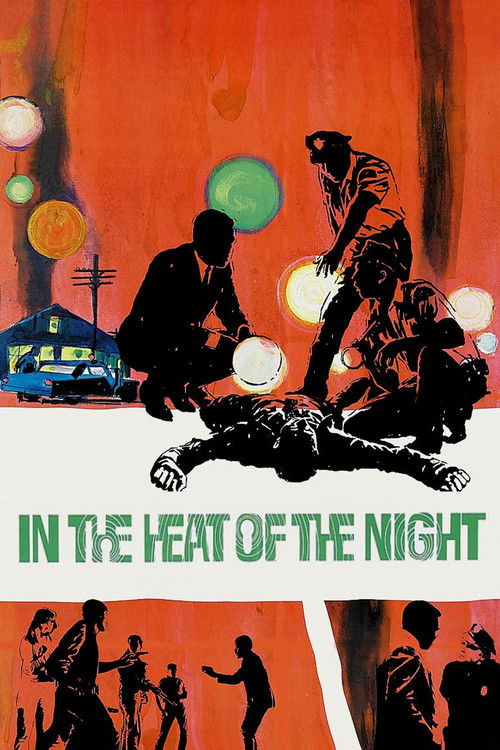
In the Heat of the Night1967
Sidney Poitier as a Philadelphia detective navigating Southern racism while investigating a murder. It's about systems that are rigged, institutions that fail, and the burden of trying to do right within them.
But The film wraps up its central mystery rather neatly. Some of its social messaging feels broad by modern standards, and that can dull the impact.
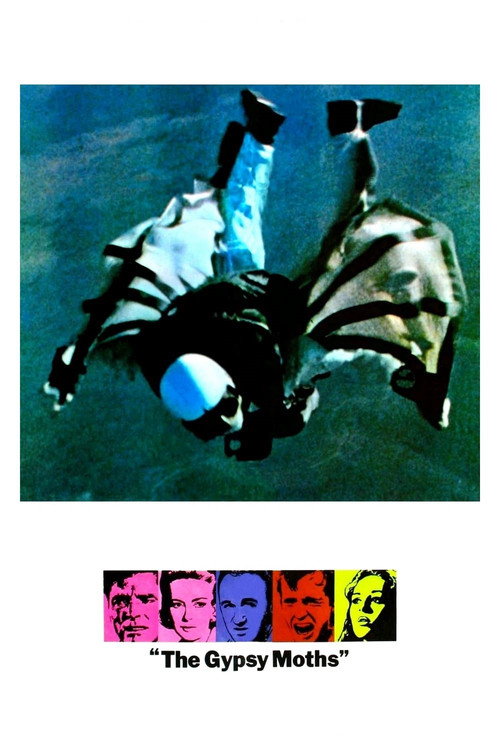
The Gypsy Moths1969
Burt Lancaster and John Frankenheimer track three skydivers drifting through small-town America. It's melancholic and precise about masculinity, mortality, and the gap between how people present and who they actually are.
But Slow burn with an unhappy ending and no easy answers. If you want uplift or closure, you won't find it here.
Winter Light1963
Both films pit priestly faith against systems that crush people—but where The Hoodlum Priest offers grace and effort, Bergman offers silence and the possibility that grace isn't enough.
Bergman's icy study of a pastor whose certainty corrodes as his congregation withers and his lover suffers. Shot in flat daylight with minimal music, it examines faith's isolation and the priest's loneliness when his beliefs meet an indifferent world.
But It's bleak in a Scandinavian way that makes even depression feel sparse. Long takes, minimal plot, and it argues that faith might be insufficient. Very hard watch.

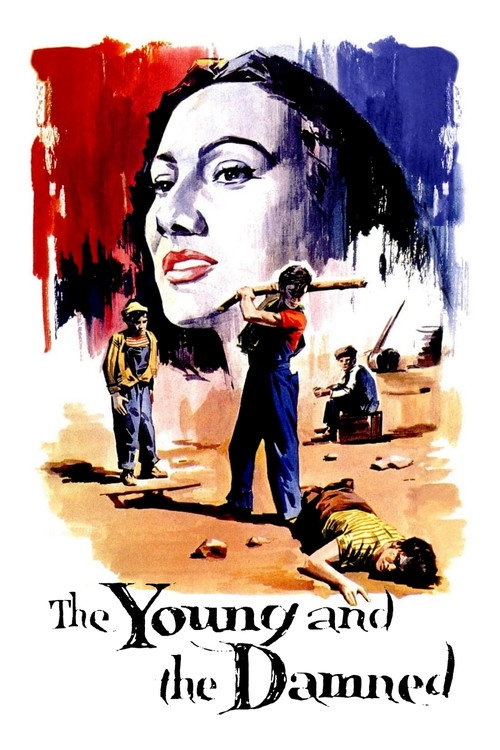
The Young and the Damned1950
Both follow young men society has written off, both understand that rehabilitation isn't always possible, and both insist on seeing the full humanity of people the world discards—without flinching and without false hope.
Buñuel's unflinching Mexican film about abandoned boys in Mexico City—stealing, fighting, surviving. It sees them with absolute clarity and genuine pity, refusing to sentimentalize their circumstances or their moral choices.
But Brutal and sometimes surreal, with no redemption arc. Some scenes of violence and child suffering are graphic. The film offers no comfort and asks you not to look away.
People
Cast
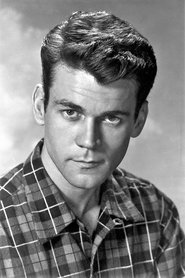 Don MurrayFather Charles Dismas Clark
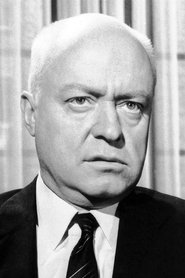 Larry GatesLouis Rosen
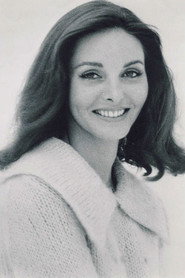 Cindi WoodGeorge Hale
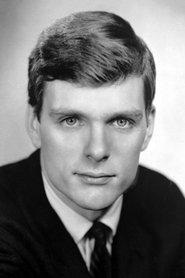 Keir DulleaBilly Lee Jackson
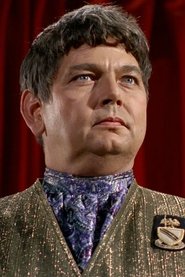 Logan RamseyGeorge Hale
- Don JoslynPio Gentile
- Sam CapuanoMario Mazziotti
- Vince O'BrienAssistant District Attorney
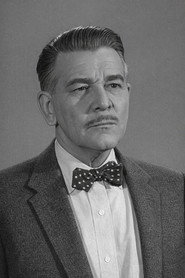 Warren ParkerWarden
- Sam HarrisWitness at Execution (uncredited)
- Roger RayDetective Shattuck
Directing
- Irvin KershnerDirector
Writing
- Don MurrayOriginal Story
- Don MurrayScreenplay
- Joseph LandonScreenplay
Production
- Don MurrayProducer