
Film
The Gypsy Moths
Three skydivers blow into a small Kansas town for Fourth of July weekend, and what begins as spectacle becomes intimate human drama. Frankenheimer finds genuine tension in the gap between performance and reality, between the freedom these men project and the loneliness they're running from. It's slow, character-driven, anchored by Lancaster's weary magnetism.
Should you watch it?
Watch it if you like slow, sun-bleached American films where the spectacle is secondary to the people drifting through it, and a melancholy, unhurried look at restless middle age appeals more than plot machinery.
Skip it if you want the skydiving to drive the story; much of the running time sits with quiet conversations, small-town stillness and a romance that unfolds at its own gentle pace.
What it asks of you: Around an hour and three quarters of patience, with long unhurried stretches and a tone that stays wistful and low-key rather than thrilling, so give it an unbroken evening.
Not sure? Find tonight's pick in a minute.
If you liked this
The Killers1946
Burt Lancaster's debut, and you see immediately why he became a star. A taut noir about a boxer and two contract killers, with the same undercurrent of doomed attraction that makes The Gypsy Moths work.
But It's brisk and efficient where The Gypsy Moths luxuriates; if you want lingering melancholy, this trades in sharper shadows.

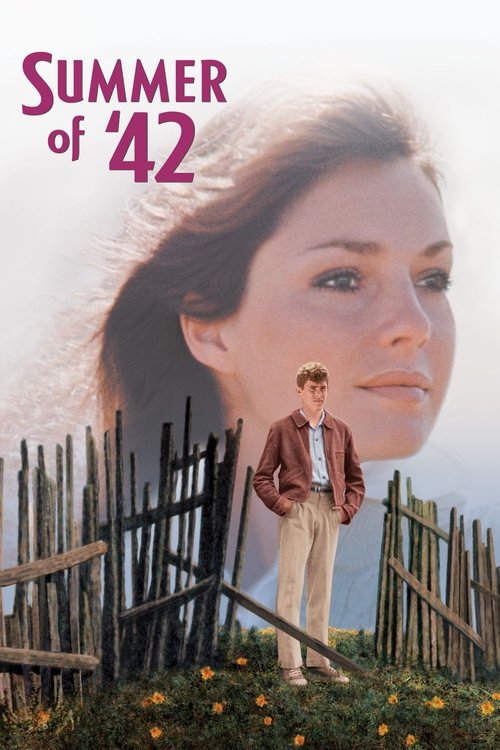
Summer of '421971
Another film about transient men and the small towns they pass through, with that same bittersweet ache about desire and escape. Achingly romantic without sentimentality.
But More nostalgic and less morally complicated; some find its wistfulness cloying rather than earned.
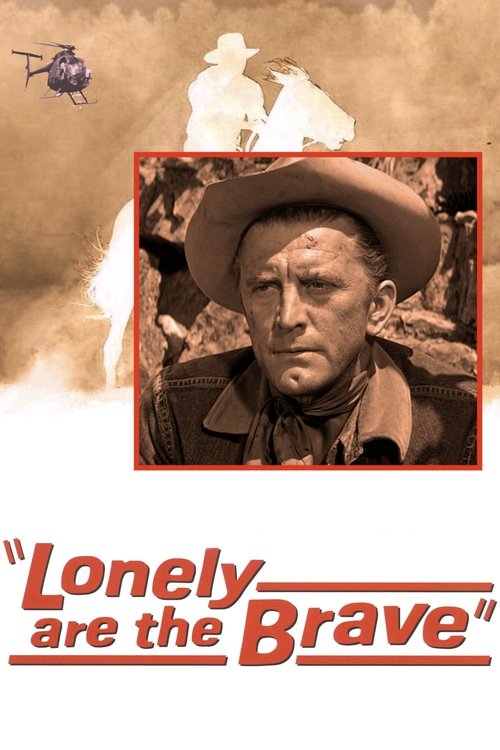
Lonely are the Brave1962
Kirk Douglas as a cowboy adrift in the modern world, choosing freedom over comfort. The same tension between performance and authenticity, between what these men want to project and what they actually need.
But The tone is uneven—part western romance, part social critique—and the shifts can feel jarring rather than deepening.
Not sure tonight? Get a pick in a minute, starting from The Gypsy Moths
The wildcard
Something you would not have found on your own.
La Haine1995
Both are structured portraits of three men whose bond is real but insufficient to solve what's actually broken in their lives. Both films trust viewers to sit with ambiguity rather than resolve it.
Three men in a day, bound by friendship and restlessness, moving through a landscape that constrains them. Same architectural elegance in how it holds three characters in tension, same question about what freedom actually means.
But Set in a Paris housing project dealing with police violence and class; utterly different world, and the film is angrier and more explicitly political.

More like this (8)
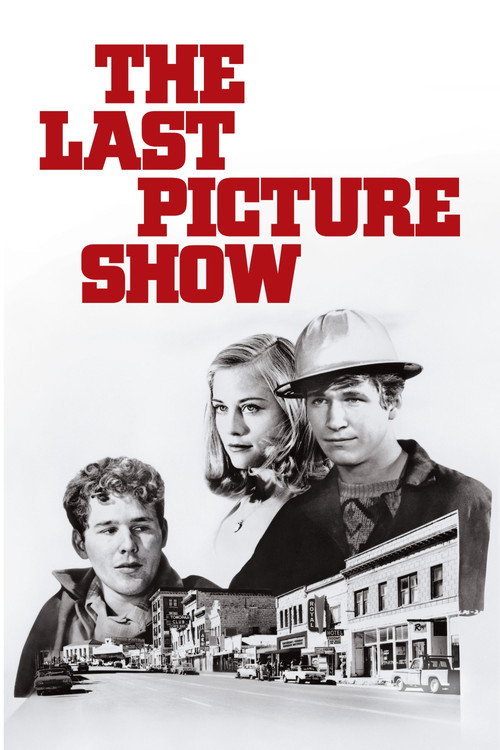
The Last Picture Show1971
Small town, dying rituals, men trying to hold onto something slipping away. Beautifully shot, genuinely sad, with that same elegiac quality about masculine restlessness and the places we outgrow.
But Much longer and more ensemble-focused; if you want the intensity concentrated on three men, this disperses it.
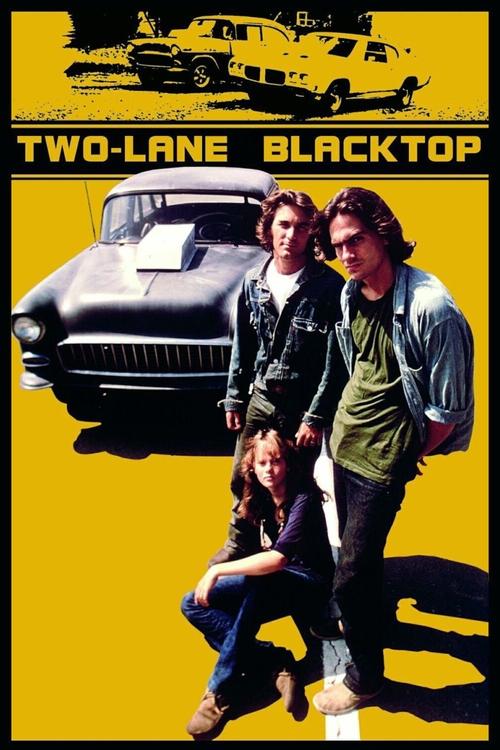
Two-Lane Blacktop1971
Two drivers crossing America in search of... what? Purpose, maybe. Connection. It has The Gypsy Moths' fascination with men performing competence while starving for real intimacy.
But Deliberately paced and elliptical; plot barely registers. If you need narrative momentum, this will feel like it's stalling.
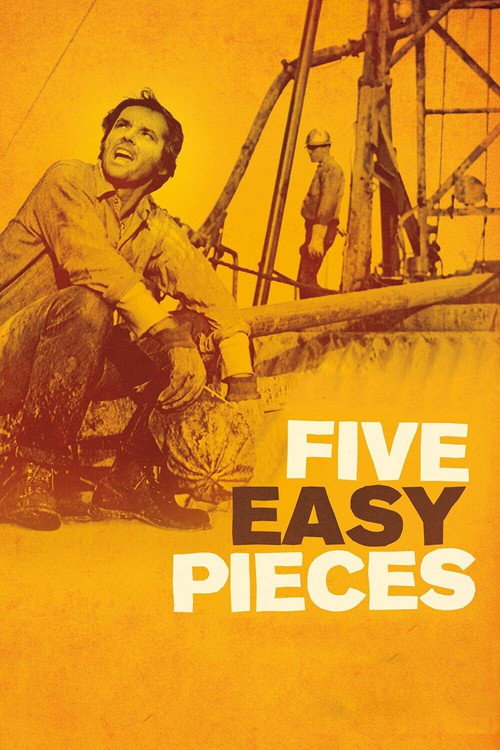
Five Easy Pieces1970
Jack Nicholson as a man who refuses to settle, drifting between worlds. Captures that same restless dissatisfaction with ordinary life and the cost of never choosing.
But Darker and meaner-spirited; Nicholson's character is harder to sympathize with than Lancaster's damaged men.
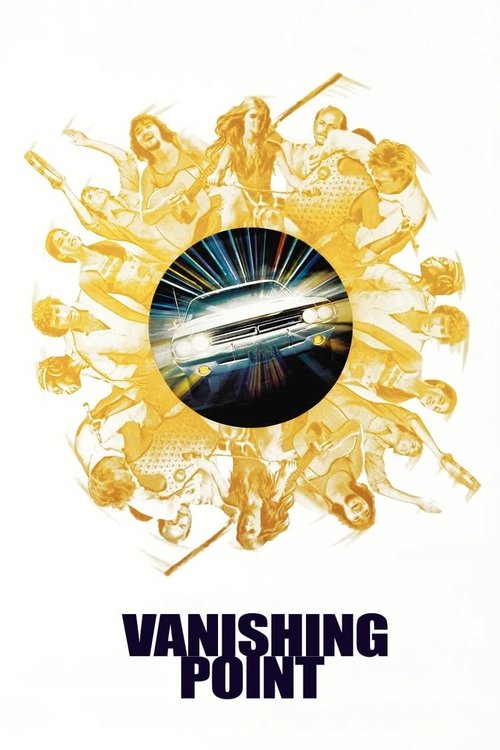
Vanishing Point1971
A driver, a car, and the American landscape. Hypnotic, strange, obsessed with freedom as both escape and death. The visual equivalent of what The Gypsy Moths does emotionally.
But Surreal and sometimes incoherent; if you want clarity, this actively resists it.
The Ballad of Little Jo1993
A woman passing as a man in the old West, performing a life she can't live. Same exploration of identity, performance, and the price of being misread by the world around you.
But Period piece with a very different sensibility; the connection is thematic rather than tonal.

Johnny Guitar1954
Johnny Cash as a man watching the woman he loves make her own choices, unable to stop her. Melodramatic but sincere, with that same fascination with desire that cannot resolve into belonging.
But Far more stylized and operatic; if you want realism, this abandons it in favor of myth.

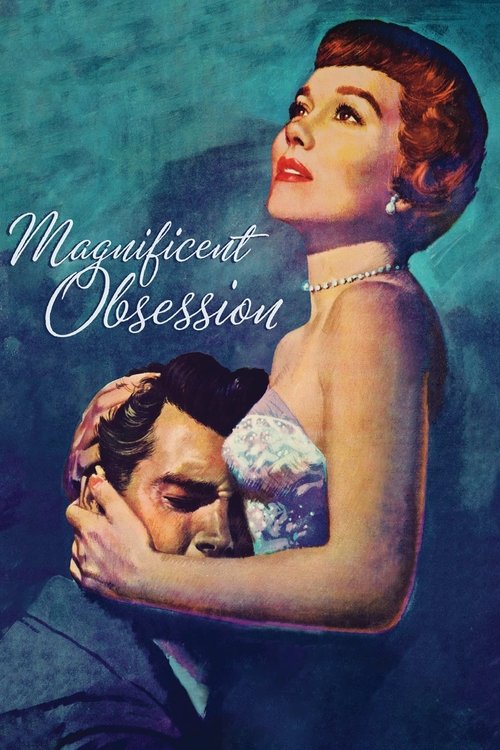
Magnificent Obsession1954
Both films are fascinated by men who use performance—physical prowess, charm, competence—as a substitute for genuine self-knowledge, and both eventually ask whether that substitution can ever be enough.
Rock Hudson as a man trying to remake himself through another person's love, chasing an impossible ideal. Melodrama, yes, but about masculine need and the fantasies men construct around women.
But Deeply romantic and religious in ways that will feel dated or saccharine depending on your tolerance for old Hollywood sincerity. Also: spoilers for a major plot point are required to explain why it belongs here.
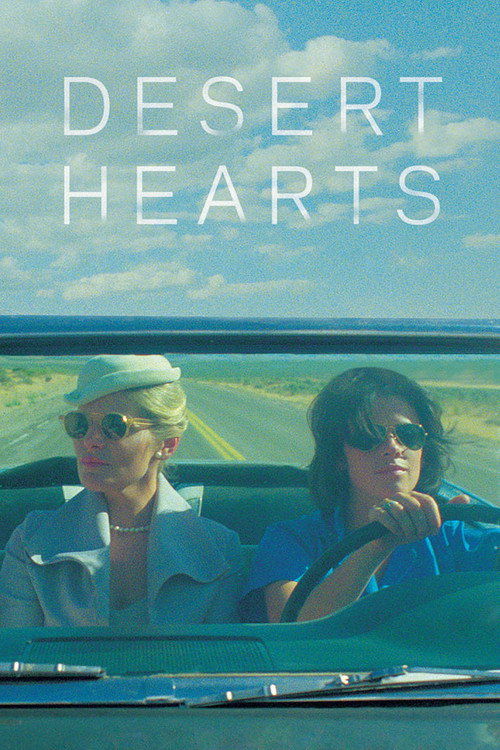
Desert Hearts1985
Same visual language of wide spaces and small human figures; same interest in desire as something that interrupts routine rather than settling into it. Both ask what it means to want to stay somewhere when everything in you says to keep moving.
A woman discovering desire and identity in the Nevada desert, shot with the same attention to landscape as a character, the same sense of people passing through looking for something they can't quite name.
But It's a lesbian romance, which is not The Gypsy Moths' register at all; also more hopeful about connection than Frankenheimer's film is willing to be.
People
Cast
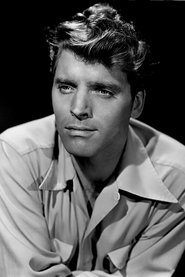 Burt LancasterMike Rettig
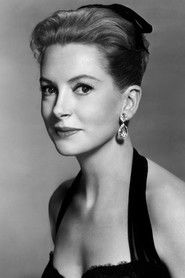 Deborah KerrElizabeth Brandon
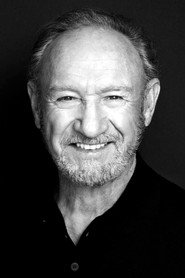 Gene HackmanJoe Browdy
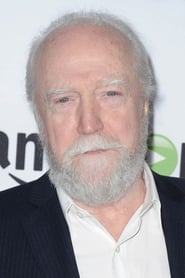 Scott WilsonMalcolm Webson
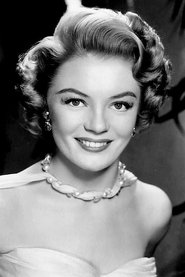 Sheree NorthWaitress
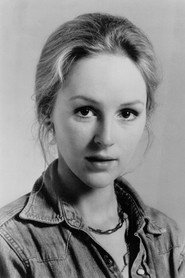 Bonnie BedeliaAnnie Burke
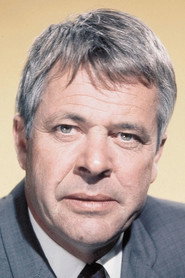 William WindomJohn Brandon
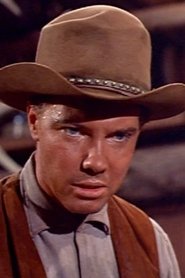 Carl ReindelPilot
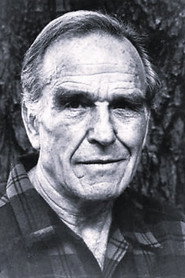 Ford RaineyStand Owner
- John NapierDick Donford
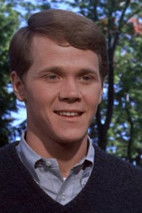 Wendell BurtonMan in Strip Club Ordering a Drink (uncredited)
- Thom ConroyBand Leader (uncredited)
Directing
- Al JenningsAssistant Director
- John FrankenheimerDirector
- Lynn GuthrieSecond Assistant Director
- Otto LangSecond Unit Director
Writing
- James DroughtNovel
- William HanleyScreenplay
Production
- Edward LewisExecutive Producer
- Bobby RobertsProducer
- Hal LandersProducer
- Jim HenderlingUnit Production Manager
Recommended by
The Cannonball Run, Skyjacked, Hooper, Stroker Ace, Evel Knievel, The Hoodlum Priest, Fireball 500, Convoy, My Lover, My Son, White Line Fever