
Film
Summer of '42
A coming-of-age film about three teenage boys on Nantucket in 1942, consumed by summer romance, desire, and the ache of growing up. It moves between comedy and genuine melancholy, capturing the precise moment when childhood ends. Tender, funny, and unexpectedly moving—a portrait of adolescence that feels lived-in rather than performed.
Should you watch it?
Watch it if you love coming-of-age stories where wistful nostalgia and sharp, sweaty teenage bravado sit side by side, and you don't mind a film that lingers on small moments more than plot.
Skip it if you want a brisk story with a clear arc; this one drifts through long stretches of beach idling and sly, rueful humor, and its romance is more mood than momentum.
What it asks of you: Settle in for about an hour and forty minutes at an unhurried pace, with attention to glances, pauses and a bittersweet tone that stays gently wry rather than broadly comic.
Not sure? Find tonight's pick in a minute.
If you liked this
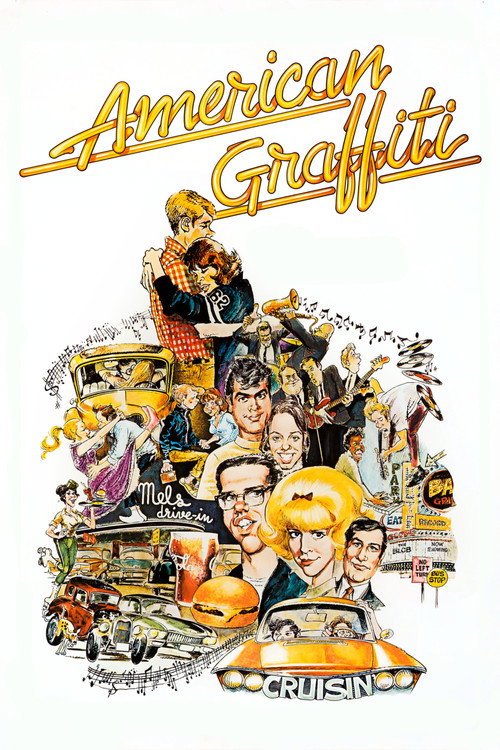
American Graffiti1973
Spielberg's kaleidoscopic night of cruising, flirtation, and coming-of-age joy. Like Summer of '42, it's about youth on the cusp of change, but busier, louder, and saturated with period rock and roll. Endlessly rewatchable.
But The episodic structure means no single emotional arc dominates; some find it scattered rather than wistful. And the misogyny, dated even for its time, hasn't aged well.
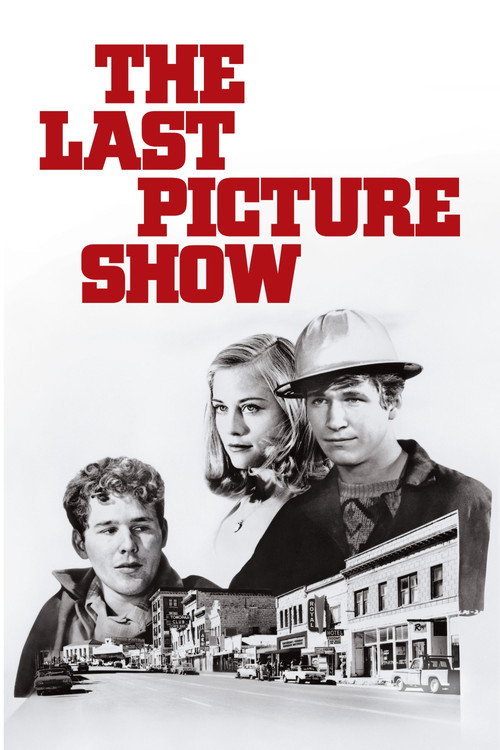
The Last Picture Show1971
Released the same year, it's about small-town Texas teenagers losing innocence through love, sex, and consequence. Shot in black-and-white, it has the same autumnal sadness—the sense that something irreplaceable is slipping away.
But It's bleaker and more cynical than Summer of '42. Some scenes are genuinely bleak. If you want warmth with your melancholy, this isn't it.
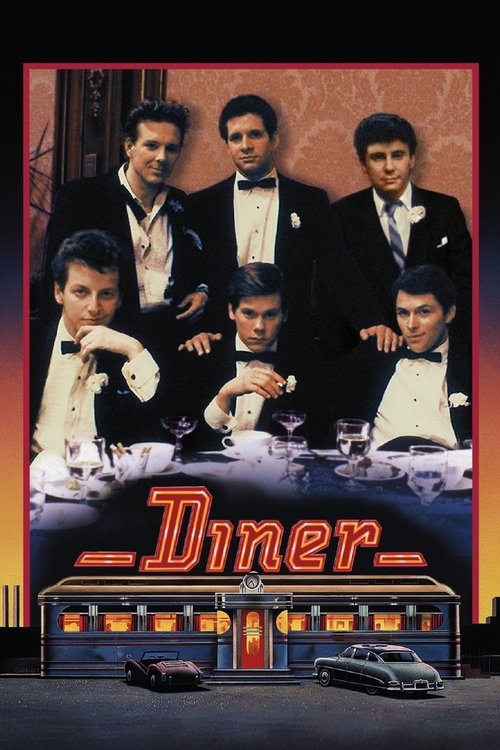
Diner1982
Levinson's ensemble of men in their twenties gathered around a diner, navigating relationships and adulthood. The comedy is sharper and the dialogue crackles, but it shares Summer's nostalgia for a specific time and place where everything felt possible.
But It's more cerebral and less romantic. The emotional stakes feel lower—these are men coasting, not boys discovering. Some find it slight.
Not sure tonight? Get a pick in a minute, starting from Summer of '42
The wildcard
Something you would not have found on your own.
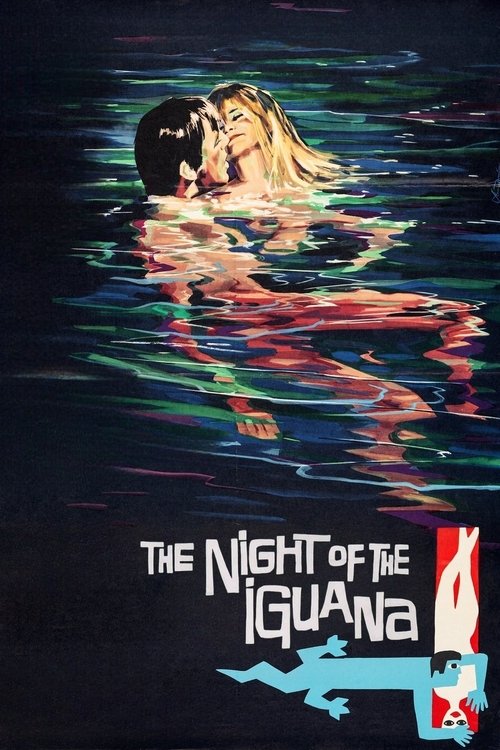
The Night of the Iguana1964
Both films understand that adolescent desire for an unattainable older woman is not a plot—it's a mirror for growing up and learning that some longings exist outside the logic of happily-ever-after.
Tennessee Williams on desire, regret, and the beautiful impossibility of certain loves. Like Summer of '42, it centers on a young man's obsession with an older woman, but the emotional weight is entirely tragic. Richard Burton gives a masterclass in longing.
But It's a chamber piece of literary adaptation, not a coming-of-age story. The register is entirely different—dark, symbolic, and unrelentingly adult. You have to meet it on its terms.
More like this (7)
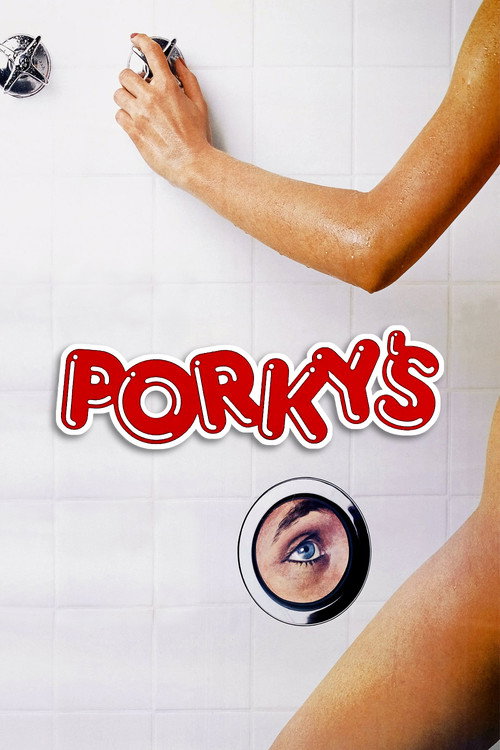
Porky's1981
The other side of the coin: explicitly about teenage boys obsessed with losing their virginity. It's raunchier and broader, but it captures that specific male adolescent social comedy with real affection and very funny set pieces.
But It's a crude sex comedy dressed up as nothing else. If Summer of '42's poignancy matters to you, this will feel like a betrayal of the territory.
Moonlight2016
Three chapters of a boy growing into adulthood, with summer-like dreaming and the weight of desire and identity. It's formally stunning and emotionally precise, tracking the same arc of youthful longing but through a very different lens.
But It's formally experimental and quiet in a way that demands patience. For some, the slowness reads as pretension rather than poetry.

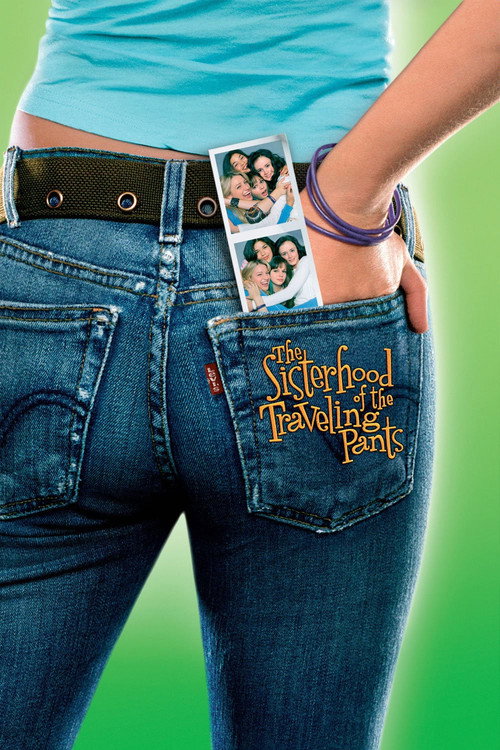
The Sisterhood of the Traveling Pants2005
Four girls on the cusp of adulthood across one summer, each navigating first love, family, and self-discovery. It has Summer of '42's warmth and its belief that adolescent feelings matter. Surprisingly genuine underneath the brightness.
But It's a teen ensemble aimed at a female audience, which means some (wrongly) assume it's less serious. The tonal shifts from comedy to melodrama can feel uneven.
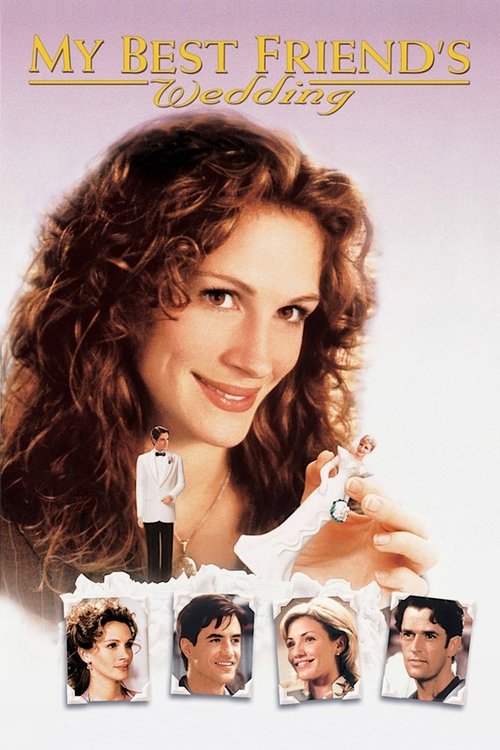
My Best Friend's Wedding1997
Julia Roberts comedy about friends navigating romance and growing up. It's lighter and broader than Summer of '42, but it understands that adolescent and young-adult friendships are the real love story.
But It's a sitcom-plot romcom. If you want anything like Summer's autumnal sadness or sexual complexity, you won't find it here.
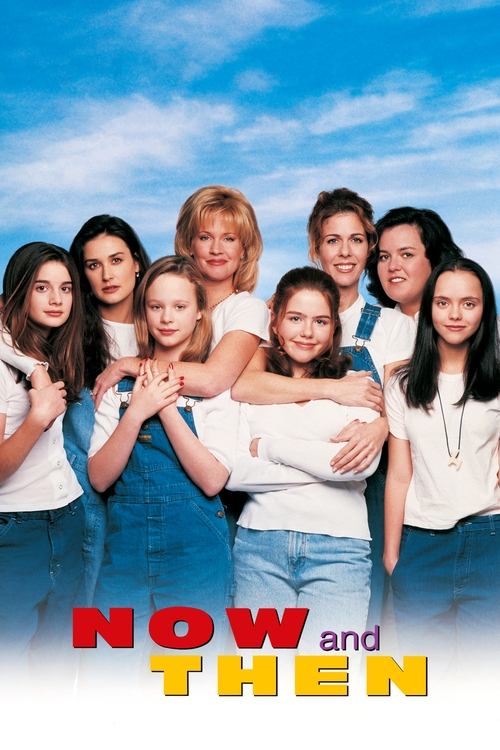
Now and Then1995
Four women look back on the summer they turned twelve. It's shamelessly nostalgic and more sentimental than Summer of '42, but it shares the same conviction that summer friendships and early desire matter.
But It's deeply sappy and occasionally maudlin. The film swings for earnestness and sometimes misses. It's comfort food, not art.
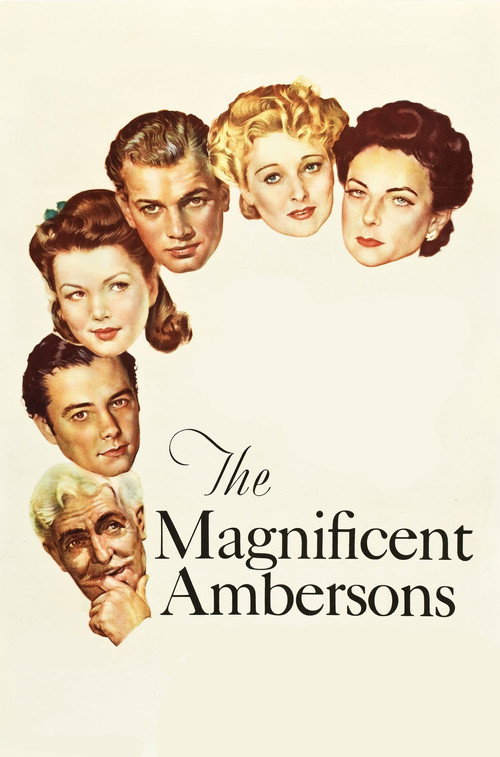
The Magnificent Ambersons1942
Both are elegies for a time and place. Where Summer of '42 mourns adolescence, Ambersons mourns an entire era—but both are suffused with the same sense that time is passing and nothing can be held onto.
Welles' devastating portrait of a family over time, the passage of years, and the impossibility of holding onto innocence or privilege. It's about the death of a world, shot through with longing and loss. Formally audacious and emotionally devastating.
But It's in black-and-white, formally complex, and Welles' edit (not the studio version) is fragmented. It demands active attention. If you want plot momentum, you won't get it.
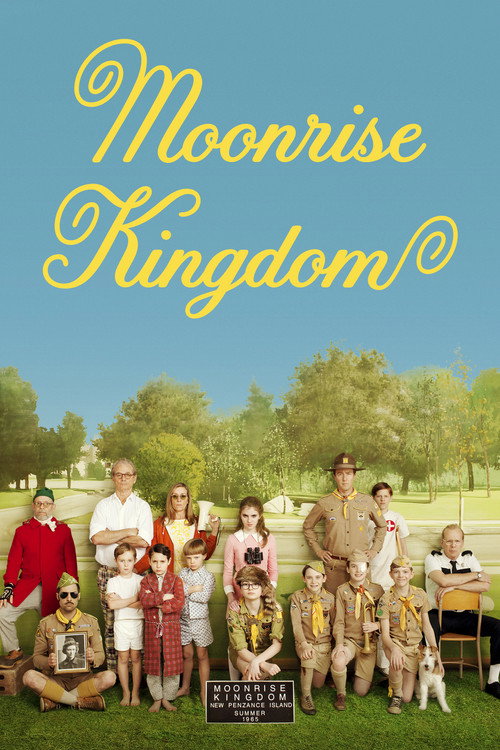
Moonrise Kingdom2012
Both capture the specific texture of summer romance and the melancholy of temporary worlds. Summer of '42 is naturalistic and Moonrise Kingdom is stylized, but both understand that adolescent desire is serious, and both honor that seriousness through their camera work.
Wes Anderson's most romantic film, about two twelve-year-olds falling in love on an island during a summer storm. It's formally exquisite, darkly funny, and genuinely moving about what it means to be young and have real feelings.
But Anderson's distinctive style is everywhere—symmetry, deadpan comedy, mannered performances. If his aesthetic reads as precious rather than heartfelt, nothing in the film will change your mind.
People
Cast
 Jennifer O'NeillDorothy
 Gary GrimesHermie
 Jerry HouserOscy
 Oliver ConantBenjie
 Katherine AllentuckAggie
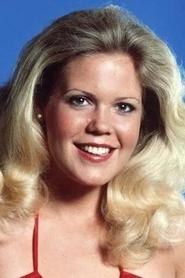 Christopher NorrisMiriam
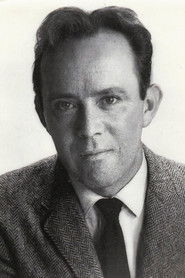 Lou FrizzellDruggist
- Walter ScottDorothy's Husband (uncredited)
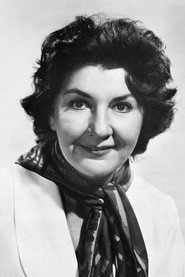 Maureen StapletonHermie's Mother (voice) (uncredited)
 Robert MulliganNarrator (voice) (uncredited)
Directing
- Don KranzeAssistant Director
- Robert MulliganDirector
Writing
- Herman RaucherWriter
Production
- Richard A. RothProducer
Recommended by
The Inbetweeners Movie, Melody, The Great War, The Member of the Wedding, Mystic Pizza, The Gypsy Moths, Little Darlings, Tell Me That You Love Me, Junie Moon, Lemon Popsicle, The Last of the High Kings, The Flamingo Kid, The Harrad Experiment, Endless Love, Shag, Thank God It's Friday, Puberty Blues, The Student Nurses, The Inkwell, The Affair, A Walk on the Moon, The Bitches, Racing with the Moon