
Film
The Harrad Experiment
A 1973 experiment in cinema as much as pedagogy: Harrad College teaches sexuality through sanctioned coupling and encounter groups. It's earnest, occasionally daring, often clumsy, full of '70s sincerity about liberation and human connection. For anyone curious how the sexual revolution actually looked on screen, or what happens when ideology meets the messy business of desire.
Should you watch it?
Watch it if you are curious how 1970s campus films handled sexual liberation as a set of ideas to argue over, and you enjoy period drama that trusts talk more than titillation.
Skip it if you want frank, modern sexual candor or a tight, fast plot; this is dated, talky, and its case for freedom is presented with a lot of earnest pleading.
What it asks of you: Ninety-five minutes, much of it talk in classrooms and bedrooms, a slow build and a tone that swings between sober and sensual.
Not sure? Find tonight's pick in a minute.
If you liked this
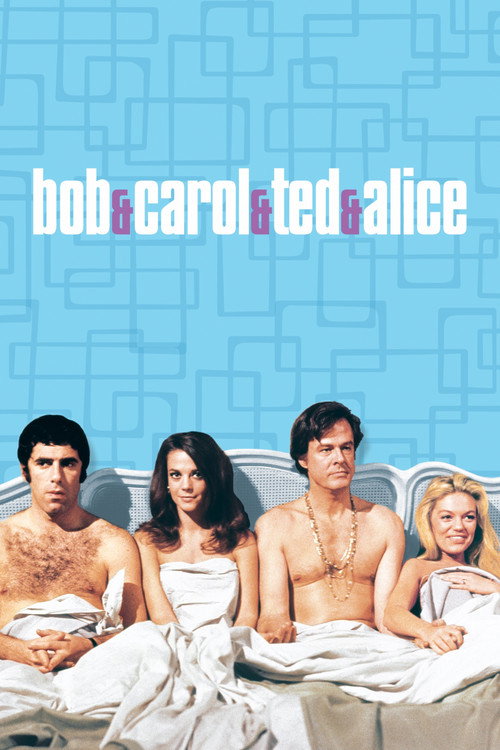
Bob & Carol & Ted & Alice1969
Gets at the same anxieties about modern sexuality, marriage, and social convention, but with sharper wit and stronger performances. A genuinely funny companion piece to Harrad's more solemn approach.
But It's very much of its moment—the humor dates faster than the themes, and the ending may frustrate those wanting clearer resolution.
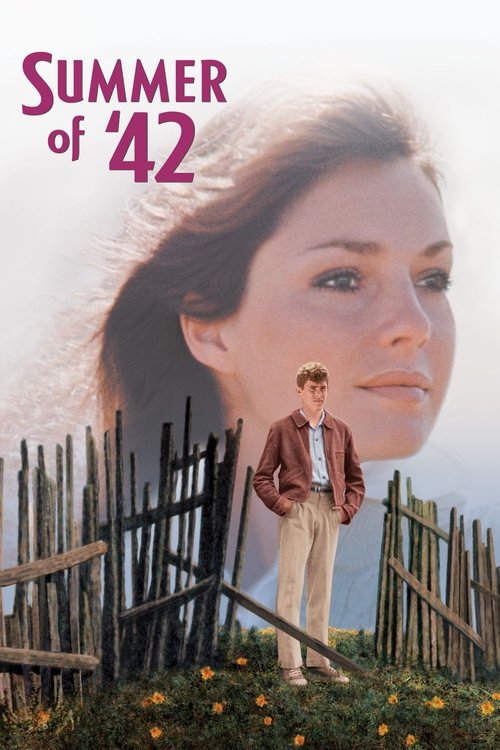
Summer of '421971
Another early-'70s film about sexual awakening and coming-of-age, but with tenderness and nostalgia instead of manifestos. Hits similar emotional territory with greater restraint and craft.
But More melancholic than liberatory; if you want didactic cheerleading for free love, this offers something quieter and sadder instead.
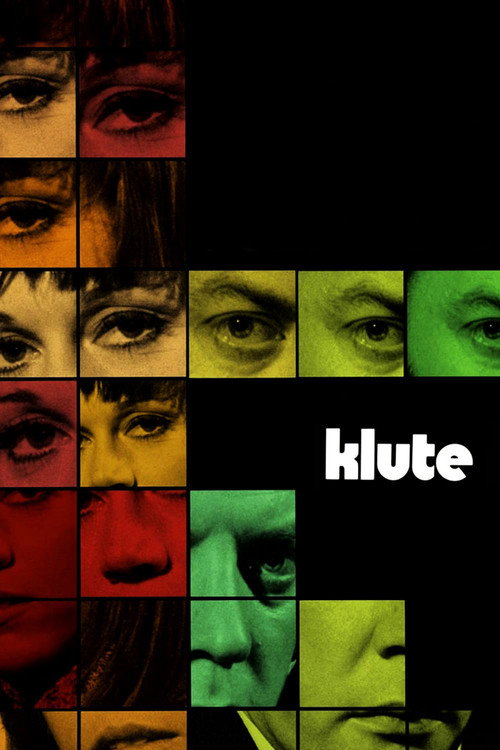
Klute1971
Contemporary noir about desire, identity, and the gap between surface and interior. Jane Fonda's performance has an electric interiority that makes any script sing, and it explores sexuality on far more complex terms.
But It's a thriller first, more concerned with mystery than philosophy. Much darker in tone and subject matter than Harrad's campus optimism.
Not sure tonight? Get a pick in a minute, starting from The Harrad Experiment
The wildcard
Something you would not have found on your own.
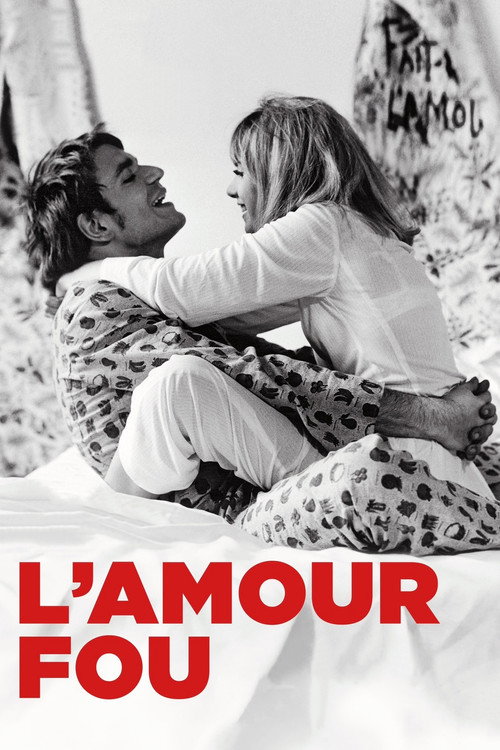
L'Amour fou1969
Both attempt to film ideology about desire rather than simply depicting it; both believe cinema can be a space where radical ideas play out in real time, though Rivette is far more willing to let that collapse into chaos.
Jacques Rivette's three-hour experimental film about creative and romantic desire between a married couple and another man. Confronts sexuality, jealousy, and the spaces where freedom becomes madness. Shot with improvisational energy and genuine formal daring.
But It's a challenging French art film—long, structured like a fugue rather than narrative, sometimes deliberately tedious. Subtitled and sometimes opaque. Not a comfort watch.
More like this (8)
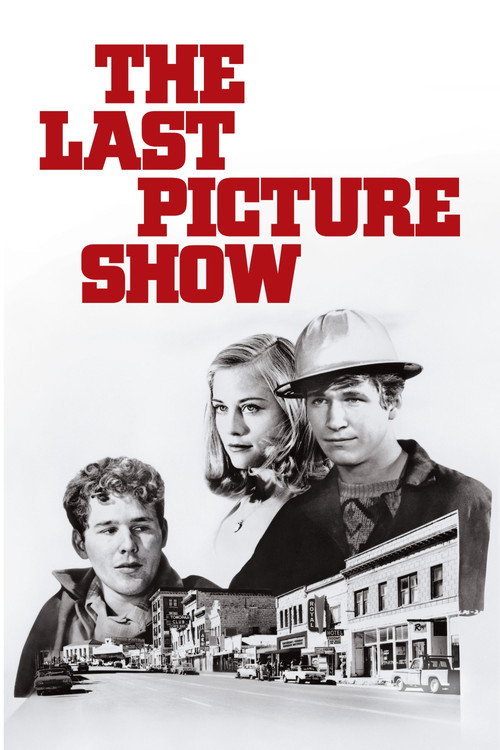
The Last Picture Show1971
Sexual awakening in a small Texas town, shot in gorgeous black-and-white. Captures genuine confusion and tenderness about desire without ever becoming preachy or clinical.
But Melancholy and elegiac rather than exploratory. Takes place in a dying world, not an experimental utopia.
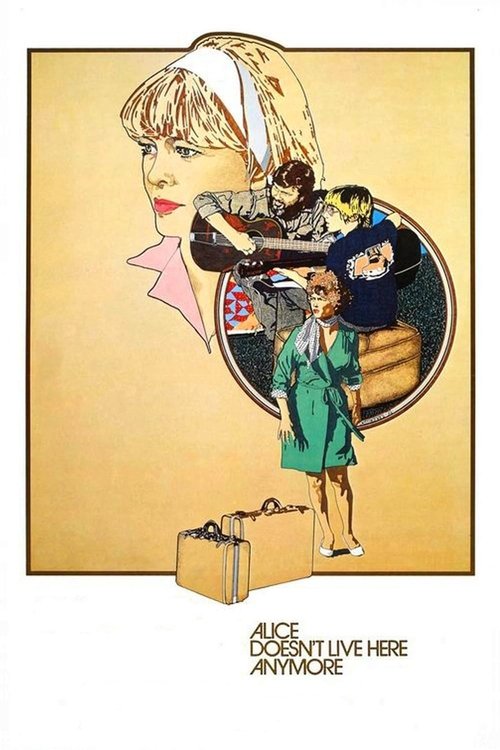
Alice Doesn't Live Here Anymore1974
A woman rewrites her life after loss, including sexual and romantic agency. Ellen Burstyn gives one of cinema's greatest performances of self-discovery with humor and hard-won dignity.
But It's about a single mother and working life as much as sexuality. If you want Harrad's ideological bent, this is far more pragmatic.
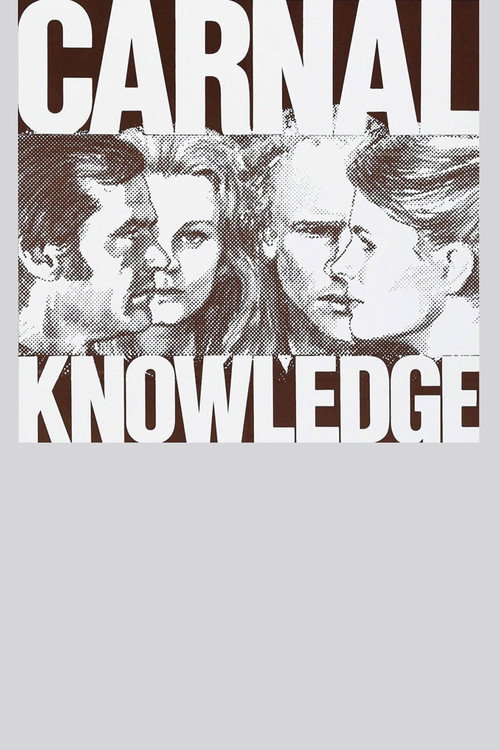
Carnal Knowledge1971
Two men's parallel relationships and sexual lives across decades. Sophisticated, sometimes uncomfortable, it questions male sexuality and desire in ways Harrad attempts but doesn't achieve.
But Handsomely made but glacial and detached. Some find it misogynistic; others find it cold. Either way, it's not warm.
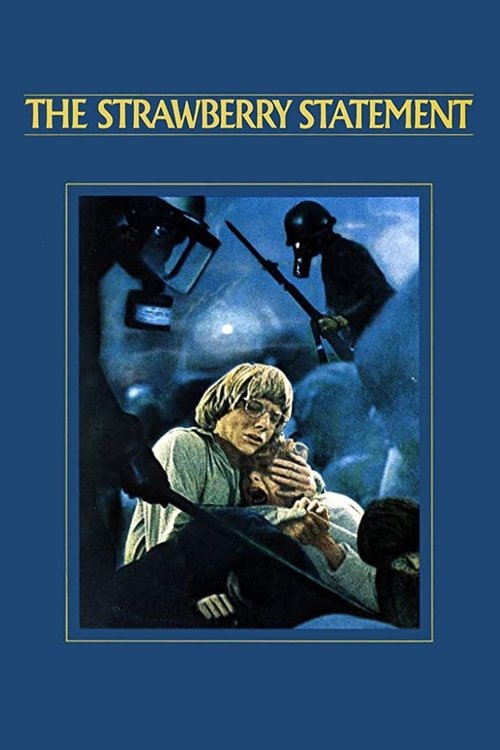
The Strawberry Statement1970
Campus politics, activism, and romance during student unrest. Captures the genuine idealism and chaos of the era with style and a killer soundtrack by Buffy Sainte-Marie.
But Dated in different ways—the politics feel more period-piece than timeless, and it's rougher in execution than its ambitions.
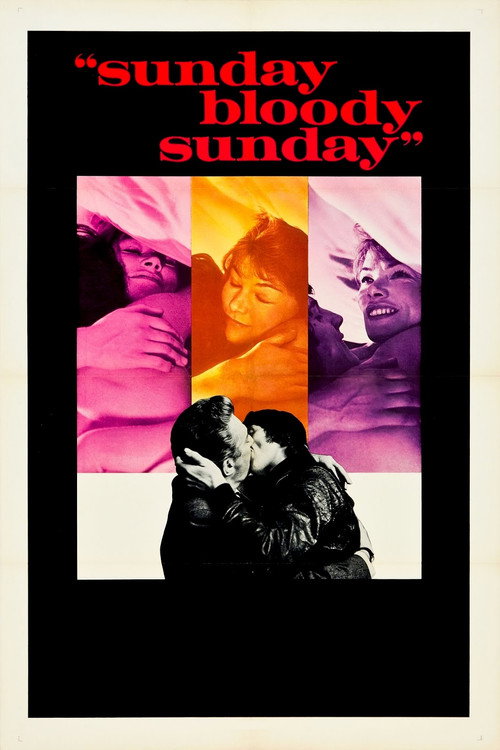
Sunday Bloody Sunday1971
A woman and a man love the same bisexual sculptor. Radically candid for its time about desire, jealousy, and urban sophistication. Glenda Jackson and Peter Finch are immaculate.
But More about emotional complexity than liberation. If you want ideology, this is about the cost of wanting without guarantee of reciprocation.
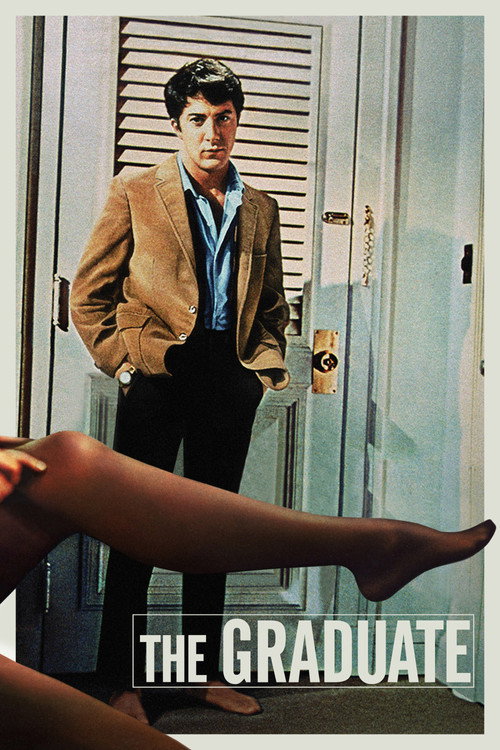
The Graduate1967
Seduction, desire, and the collision between generations. Dustin Hoffman's anxious vitality and the famous Mrs. Robinson dynamic still crackles, and it asks real questions about manipulation and escape.
But Older than Harrad and frankly cynical about sex. If you want utopianism, this is its opposite: desire as trap and delusion.
Evolution of a Filipino Family2004
Like Harrad, it's fundamentally about how people live together and what sexuality means within social structures. But where Harrad is utopian and American, Diaz is grounded and shows how impossible utopia actually is.
Lav Diaz's 645-minute film about a provincial family over four decades. Not about sexuality explicitly, but about how lives intertwine, how desire and obligation clash, how institutional structures shape intimacy. Gorgeously patient and precise.
But It is eleven hours long. Shot on video with minimal plot. Requires active patience and trust. Most viewers will never watch it, and that's reasonable.
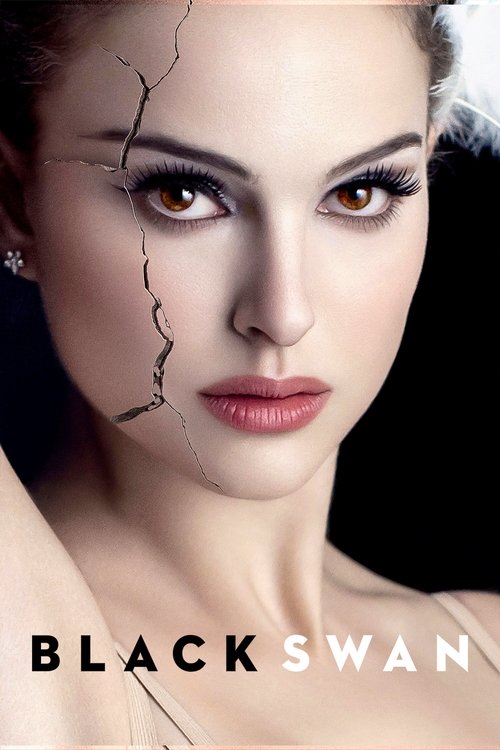
Black Swan2010
Both use the body and its display as a central text, but where Harrad asks 'what if sexuality were free?', Black Swan asks 'what costs does that freedom exact?'—and finds a darker answer.
Darren Aronofsky's descent into a performer's fractured psyche, using the body and sexuality as metaphor for artistic ambition and self-annihilation. Natalie Portman's performance is a masterclass in controlled disintegration.
But Deeply disturbing and sexual in explicitly violent ways. If Harrad is about pleasure and liberation, this is about how desire can curdle into self-harm. Not cathartic or hopeful.
People
Cast
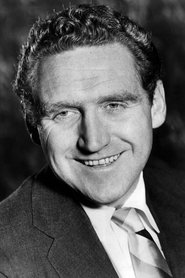 James WhitmorePhilip Tenhausen
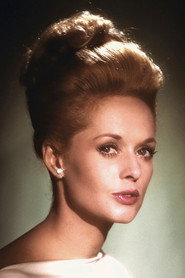 Tippi HedrenMargaret Tenhausen
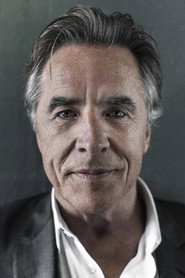 Don JohnsonStanley Cole
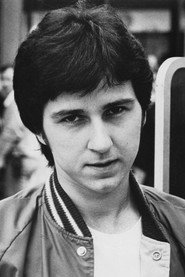 Bruno KirbyHarry Schacht
 Laurie WaltersSheila Grove
 Victoria ThompsonBeth Hillyer
 Elliott StreetWilson
 Billy SandsJack
 Sharon UllrickBarbara
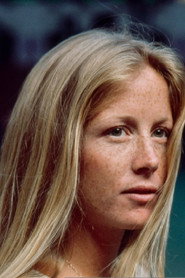 Maggie WellmanCynthia
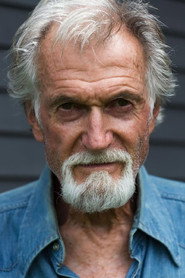 Michael GreeneYoga Instructor
- Ron KolmanEvan
Directing
- Jesse CoralloAssistant Director
- Ted PostDirector
- Joan EreminScript Supervisor
Writing
- Robert H. RimmerNovel
- Michael WernerScreenplay
- Ted CassidyScreenplay
Production
- Mel SokolowAssociate Producer
- Maxine AndersonCasting Director
- Noel MarshallExecutive Producer
- Dennis F. StevensProducer
- Syd CassydProduction Consultant
- Jesse CoralloProduction Manager