
Film
L'Amour fou
Jacques Rivette's audacious four-hour marriage drama interweaves a real couple's deteriorating relationship with their rehearsals for Racine's *Andromaque*. Theatre becomes a mirror and weapon; passion bleeds between stage and life until the distinction collapses entirely. A film for patient viewers who believe cinema can sustain mood and complexity over conventional narrative momentum.
If you liked this
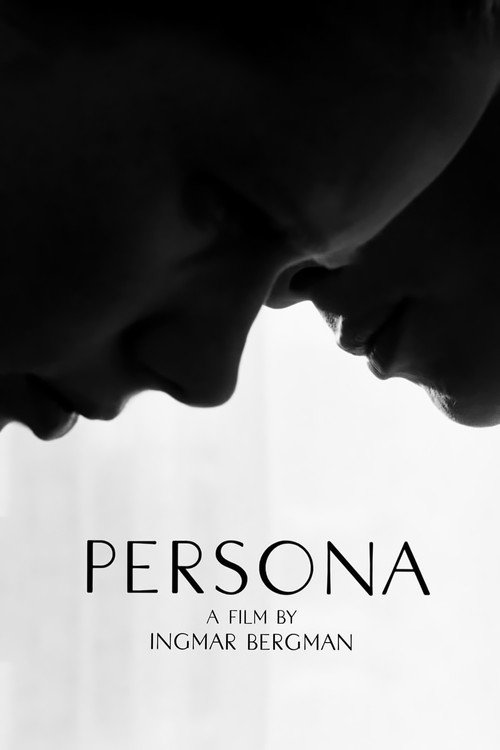
Persona1966
Bergman's hypnotic study of two women whose identities blur and merge. Like Rivette, he trusts silence, repetition, and the space between dialogue to reveal psychological truth. Demanding but magnetic.
But Nearly dialogue-free stretches and a deliberately opaque ending will frustrate anyone wanting clarity. It requires you to meet it halfway.
Contempt1963
Godard's film about a marriage fracturing within a film production. Meta, gorgeous, and tragic—it asks whether art can coexist with love. A spiritual cousin to Rivette's fusion of theatre and relationship.
But Godard's playfulness and digressions, while brilliant, create distance. Some find it cold where Rivette is feverish.

Jeanne Dielman, 23, quai du Commerce, 1080 Bruxelles1976
Chantal Akerman's three-hour portrait of a woman's daily rituals. Like Rivette, she believes duration itself is meaning. The texture of time becomes the subject. Hypnotic and revelatory.
But It is essentially watching someone cook and make her bed. If patience isn't a virtue you possess, this will test you brutally.

Not sure tonight? Get a pick in a minute, starting from L'Amour fou
The wildcard
Something you would not have found on your own.
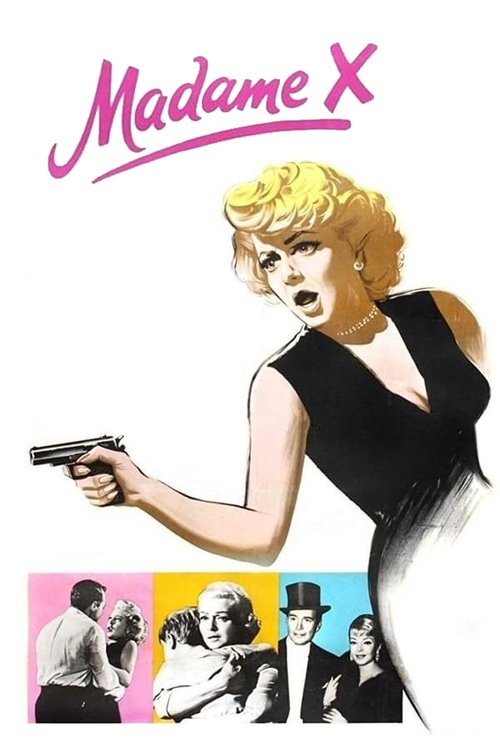
Madame X1966
Rivette's own earlier exploration of the same obsessions: theatre as life, cinema as eavesdropping, performance as truth. A direct ancestor to *L'Amour fou*'s method.
Jacques Rivette's other experimental masterpiece, two hours of unscripted improvisation between Michèle Mattioli and Jean Babilée. Raw, intimate, and radically alive—it's Rivette at his most direct about performance and desire.
But Nearly invisible plot, deliberately rough handheld cinematography, and the sense that nothing is 'resolved'. It feels less like a film and more like surveillance of two people in a room.
More like this (8)
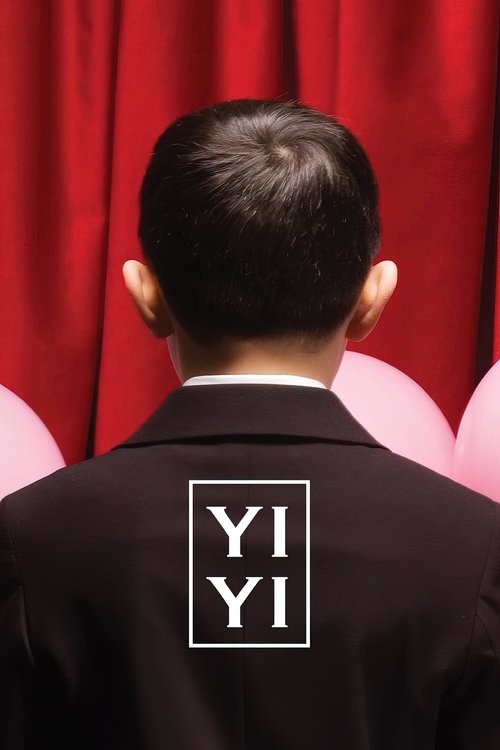
Yi Yi2000
Edward Yang's four-hour family saga observes marriage, ambition, and desire with warmth and clarity. It shares Rivette's belief that cinema can sustain multiple threads without collapsing into melodrama.
But The structure is deliberately loose and domestic. Expecting dramatic crescendos will leave you disappointed by its gentle, accumulating truth.
Stalker1979
Tarkovsky's philosophical journey about desire and meaning. Both films move slowly, trust their actors utterly, and suggest that the real drama happens in waiting and watching, not in plot.
But It's 163 minutes of walking through landscapes and talking. Your phone will feel very appealing. Boredom is a real risk.

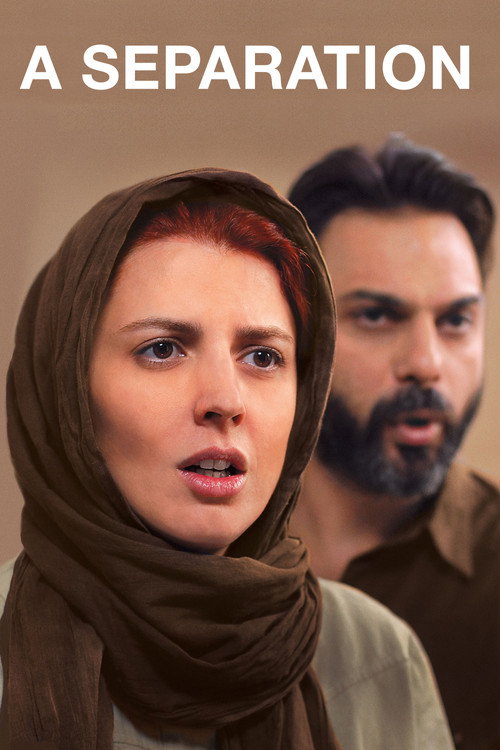
A Separation2011
Asghar Farhadi's precise dissection of a marriage ending. It has Rivette's eye for how theatre (here, deception) infiltrates daily life, and how people become unreliable narrators of their own stories.
But It's claustrophobic and morally ambiguous. No one emerges looking good, and the film offers no catharsis or easy answers.
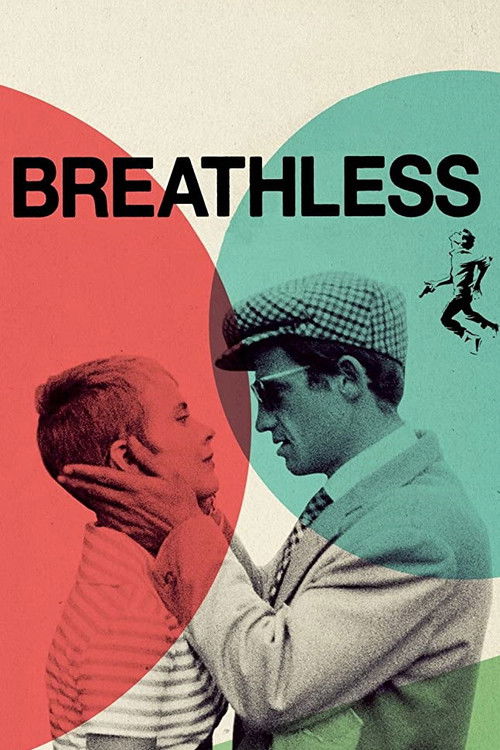
Breathless1960
Godard's debut shares Rivette's formal daring and interest in how performance shapes identity. It's wilder and more playful than *L'Amour fou*, but equally committed to cinema as thought made visible.
But Its self-conscious style can feel dated now, and the romance at its centre is between two fundamentally selfish people.
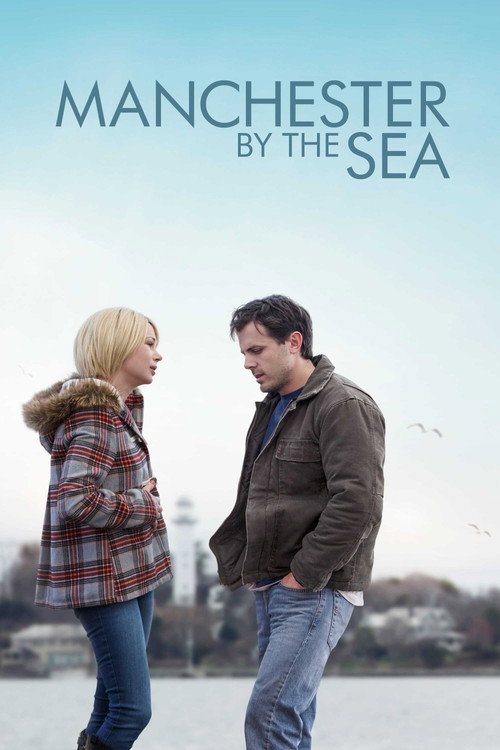
Manchester by the Sea2016
Kenneth Lonergan's study of grief and failed relationships. Like Rivette, he holds his camera on actors' faces, trusting them to convey what words cannot. Devastatingly human.
But It is quietly, relentlessly sad. There is no uplift, no lesson, no redemption. If you need comfort, this will not provide it.
The Killing of a Sacred Deer2017
Yorgos Lanthimos creates unbearable tension through formal control and repetition, much like Rivette. Both filmmakers believe strangeness and intensity emerge from precision, not chaos.
But It's deliberately artificial and cold. The plot involves a family being systematically destroyed. Lanthimos keeps you at a distance when you might want to feel moved.

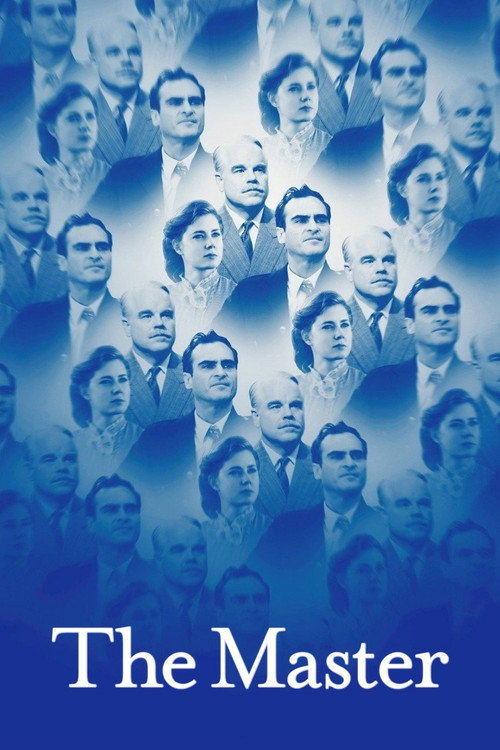
The Master2012
Both trap us inside the mind of relationship itself—not romance or marriage, but the addictive pull two people can have on each other. Both are about how art and passion become indistinguishable from obsession.
Paul Thomas Anderson's hypnotic portrait of two men bound by art, obsession, and psychological need. It shares *L'Amour fou*'s conviction that intensity can sustain a film without plot. Shot in 70mm, it's sensorially overwhelming.
But It's hermetic and strange. The relationship at its core resists interpretation. Anderson gives you little help; the film insists you surrender to its mood rather than solve it.
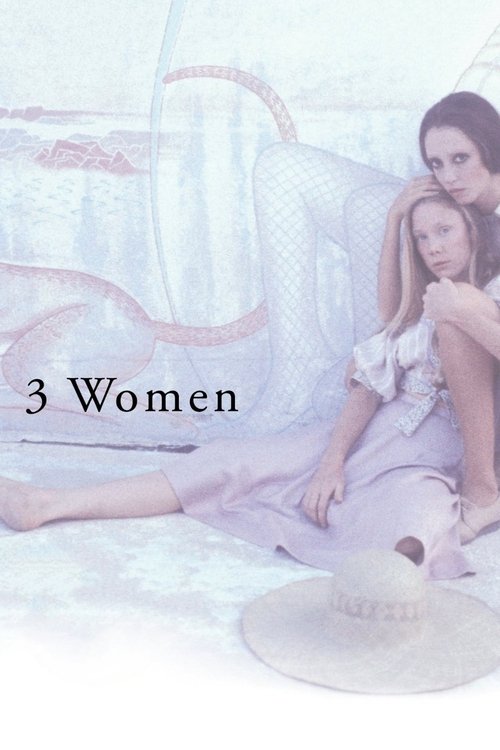
3 Women1977
Both films believe identity is unstable and performative. Both are interested in how women navigate desire, agency, and the male gaze. Both are rare in their commitment to female subjectivity as genuinely strange.
Robert Altman's fever dream about identity, performance, and women's interiority. Like Rivette, Altman trusts his actors and believes cinema can sustain strangeness. Visually dreamlike, it's about behaviour and subtext rather than plot.
But It's opaque by design. You will leave confused about what actually happened and what was dream or fantasy. Some find that liberating; others find it infuriating.
People
Cast
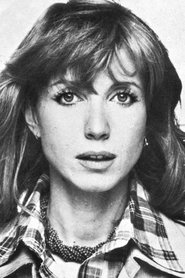 Bulle OgierClaire
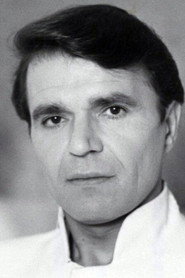 Jean-Pierre KalfonSébastien-Pyrrhus
- Josée DestoopMarta-Hermione
- CeliaCélia-Andromaque
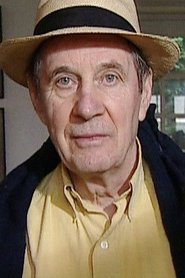 André S. LabartheLe réalisateur
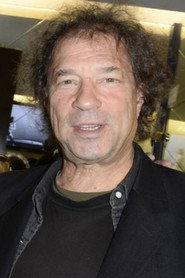 Dennis BerryDennis-Pylade
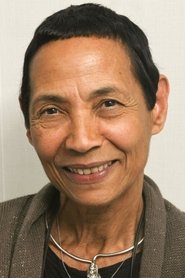 Maddly BamyMadly-Céphise
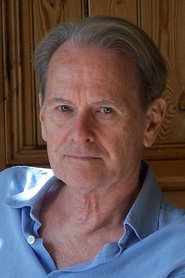 Yves BeneytonYves-Oreste
- Liliane BordoniPuck
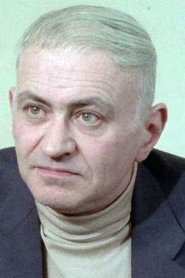 Michel DelahayeMichel-Phoenix
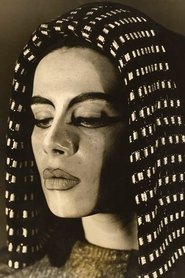 Françoise GoddeFrançoise-Cléone
Directing
- André TéchinéAssistant Director
- Jacques RivetteDirector
Writing
- Jacques RivetteDialogue
- Marilù ParoliniWriter
Production
- Georges de BeauregardProducer
- Roger ScipionProduction Manager