
Film
Puberty Blues
Puberty Blues is a 1981 Australian comedy-drama about teenage girls navigating sex, friendship and status in 1970s suburban Sydney. It's brash and unglamorous, full of cringe and laughs—a film that watches adolescence like a documentary, capturing the casual cruelty and genuine longing of trying to matter. For anyone who remembers being young and desperate to fit in.
If you liked this
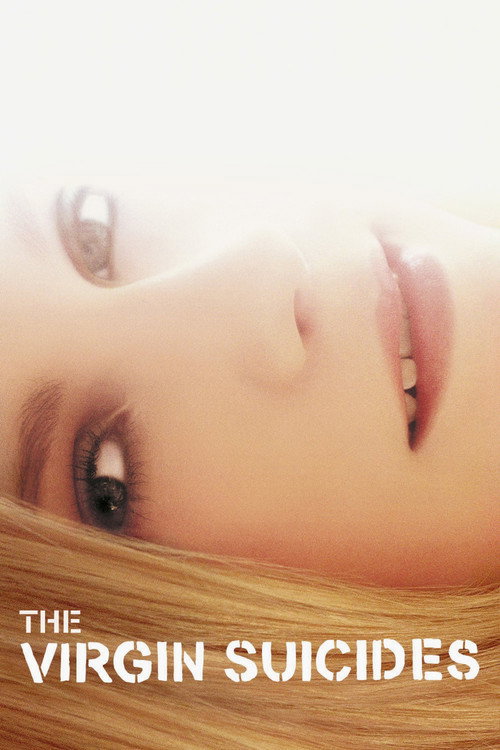
The Virgin Suicides2000
Offers the same hypnotic gaze at teenage girls in their own ecosystem, where popularity and desire become a kind of religion. Sofia Coppola's aesthetic is glacial where Puberty Blues is raw, but the fascination is identical.
But Slower and more painterly than Puberty Blues; some find it glacial rather than meditative. The melancholy can feel remote.
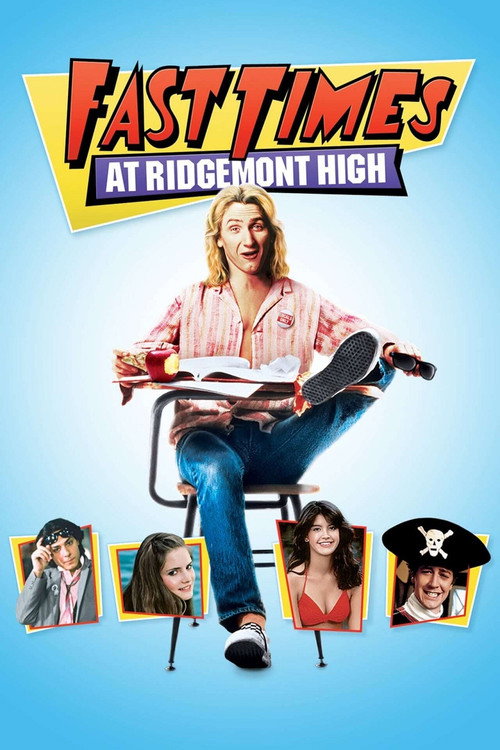
Fast Times at Ridgemont High1982
Captures the same moment in teen life with ensemble warmth and humour—sex, friendship, school as the whole world. American and sunlit where Puberty Blues is Australian and gritty, but the bones are recognisably similar.
But Decades old and sometimes dated in how it handles female sexuality, even if it's more thoughtful than its era suggests.
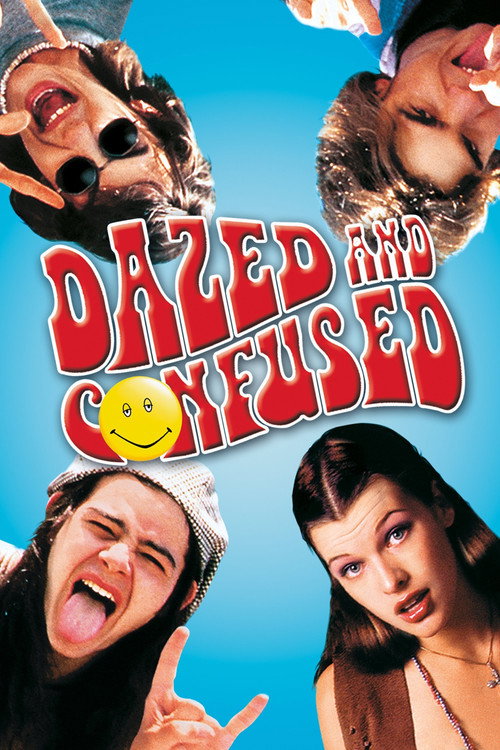
Dazed and Confused1993
Richard Linklater's film has the same documentary warmth toward teenage social hierarchies, the same refusal to condescend. It's funny and lived-in, capturing status games without judgment.
But Longer and more digressive; if you want momentum and clear stakes, you may find it slack. Also very male-centred despite the strong female characters.
Not sure tonight? Get a pick in a minute, starting from Puberty Blues
The wildcard
Something you would not have found on your own.
Documenting Hate: Charlottesville2018
Both unflinching portraits of adolescents navigating social hierarchies in specific geographic and class contexts—the stakes and desperation are real, not sentimentalised.
Mathieu Kassovitz's film is about young men in Paris suburbs fighting status and belonging in an entirely different register—more urgent, more politically charged—but it shares Puberty Blues' fierce eye for how teenagers police each other and stake their identities. The machinery of adolescent hierarchy runs the same everywhere.
But French with subtitles; shot in high-contrast black and white, so visually demanding. Angry where Puberty Blues is playful; doesn't ask you to enjoy watching young people hurt.

More like this (7)
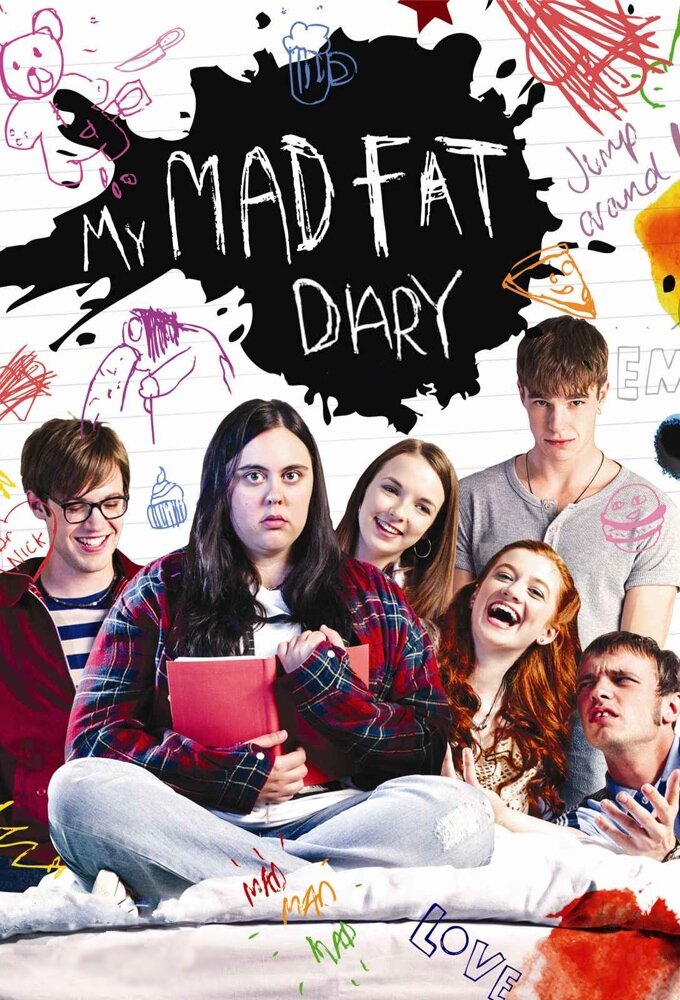
My Mad Fat Diary2013
British series about a girl finding her way through friendship, boys and self-loathing in the 1990s. It has Puberty Blues' warmth toward its characters and refusal to make adolescence precious or tragic.
But Only two seasons; when it ends, you'll want more. Some of the 90s aesthetics date the early episodes.
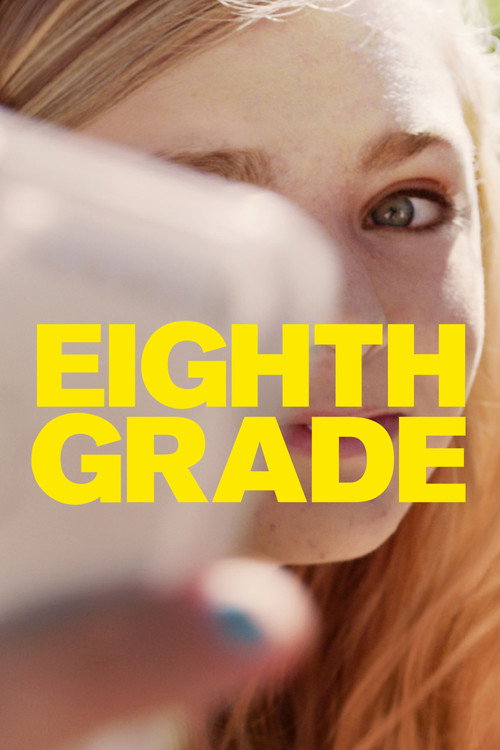
Eighth Grade2018
Bo Burnham's portrait of a thirteen-year-old girl navigates intimacy and shame with extraordinary tenderness. Like Puberty Blues, it takes its protagonist's internal life seriously while staying funny and unglamorous.
But Focused on one girl rather than a group; if you came for ensemble dynamics, you'll miss them. Also deliberately awkward—cringe-comedy fans may find it too sincere.
Friday Night Lights2006
The series captures small-town social hierarchies and adolescent desperation with unflinching warmth. Less about sex than Puberty Blues, but the same eye for how much teenagers care about belonging.
But Sixty-plus episodes; a commitment. If you don't care about American football or small Texas towns, much of the texture will pass you by.

Skins2007
British ensemble drama about teenagers navigating friendship, drugs, sex and identity. Like Puberty Blues, it's chaotic, unsentimental and genuinely generous toward its characters' contradictions.
But First two seasons are tighter and funnier; later iterations lose focus. Some storylines fall flat or feel like provocation for its own sake.

Lady Bird2017
Greta Gerwig's film shares Puberty Blues' tenderness toward the specific geography of adolescence—place, friends, the belief that escaping will solve everything. Warm without being soft, funny without cruelty.
But Quieter and more introspective; no surfing, no boys as the centre of gravity. If you want external stakes, look elsewhere.

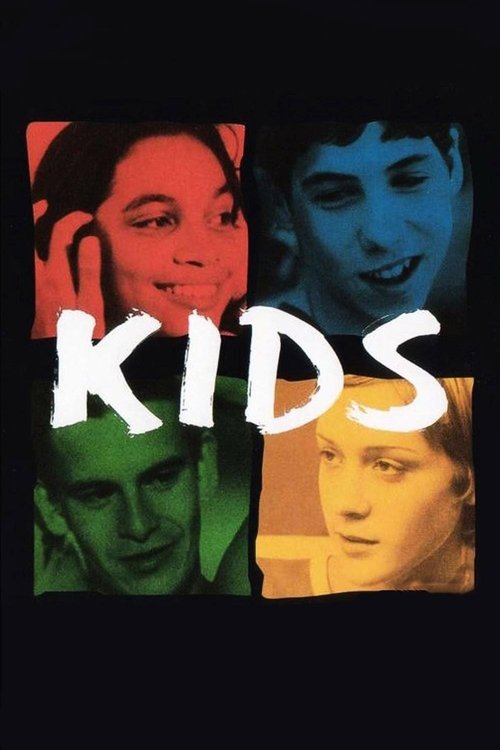
Kids1995
Harmony Korine's vision of teenage New York is unflinching, unglamorous and hypnotic. It shares Puberty Blues' refusal to soften adolescence or make it safe for adult viewers.
But Genuinely disturbing in places—bleak where Puberty Blues finds light even in its grimness. Many find it difficult to watch. Not a comfort film.
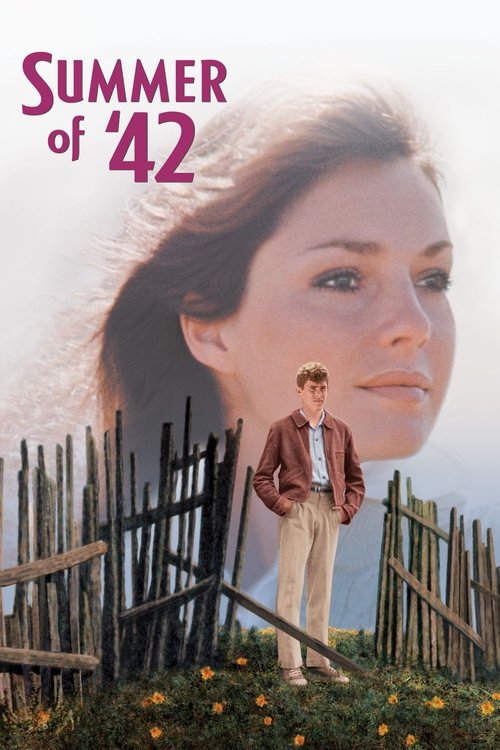
Summer of '421971
Both made in adjacent decades, both about adolescents in summer, both use their specific moment in time (and national cinema) to explore the hunger to matter.
A film from Puberty Blues' own era that captures adolescent desire and coming-of-age with remarkable tenderness. It's nostalgic and melancholy where Puberty Blues is brash, but the emotional archaeology is kin—both asking what it feels like to want the world to see you as grown.
But Now-unavoidable age-gap storyline that disturbs modern viewers. Slower and more reflective than Puberty Blues; some find it slack rather than atmospheric.
People
Cast
- Nell SchofieldDebbie Vickers
- Jad CapeljaSue Knight
- Tony HughesDanny
 Jay HackettBruce
- Ned LanderStrach
- Michael ShearmanGlenn
- Jeffrey RhoeGarry
- Dean DunstoneSeagull
- Sandy PaulTracey
- Leander BrettCheryl
- Joanne OlsenVicki
- Julie MedanaKim
Directing
- Bruce BeresfordDirector
Writing
- Gabrielle CareyNovel
- Kathy LetteNovel
- Margaret KellyWriter
Production
- Alison BarrettCasting
- Joan LongProducer
- Margaret KellyProducer