
Film
Tell Me That You Love Me, Junie Moon
- Drama
- Strange
Liza Minnelli leads this 1970 Otto Preminger oddity about three misfits—a disfigured woman, a gay paraplegic, and an epileptic man—who leave the hospital to build a life together. It's tender and strange, funny without cruelty, built on the radical idea that broken people deserve love and community. A film about care that actually cares.
If you liked this
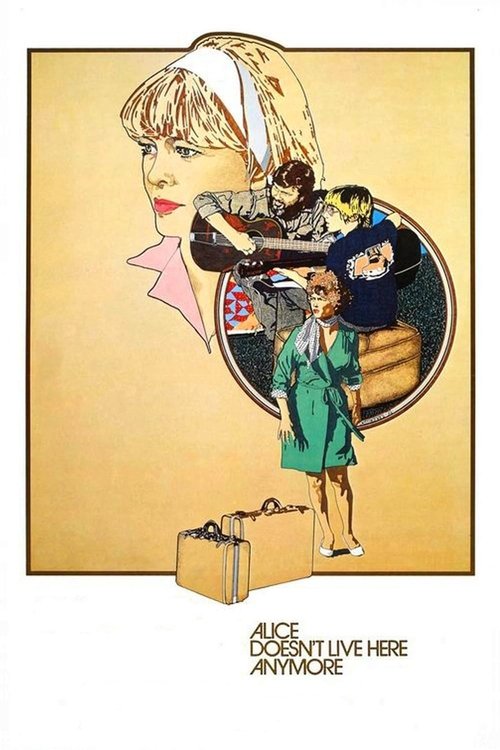
Alice Doesn't Live Here Anymore1974
Martin Scorsese directs Ellen Burstyn as a widow reinventing herself after loss. Like Junie Moon, it finds comedy and dignity in women refusing to disappear, with real warmth beneath the scrappiness.
But The pacing can feel meandering, and some of the supporting characters veer close to caricature in ways that haven't aged perfectly well.
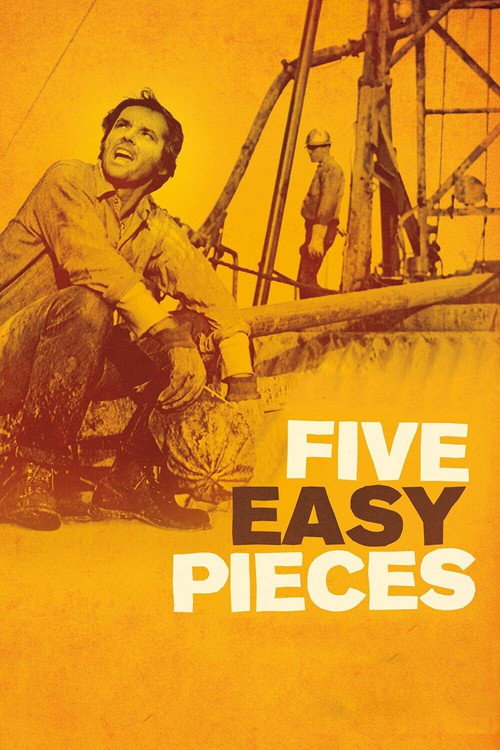
Five Easy Pieces1970
Jack Nicholson and Karen Black in a portrait of lonely, difficult people trying to connect. It shares Junie Moon's empathy for outsiders and its willingness to sit with awkwardness as something human, not comic.
But Considerably darker and more alienated. If you want Preminger's warmth, this delivers the opposite temperature.
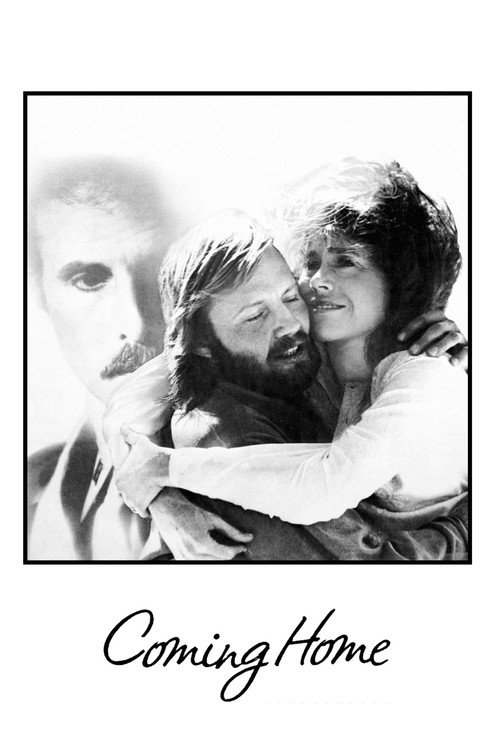
Coming Home1978
Jon Voight as a paraplegic veteran finding love and purpose after trauma. It has Junie Moon's interest in disabled bodies as full subjects of desire and narrative, handled with surprising tenderness.
But The melodrama can feel heavy-handed, and the film's gender politics are decidedly of their moment in ways that nag at you.
Not sure tonight? Get a pick in a minute, starting from Tell Me That You Love Me, Junie Moon
The wildcard
Something you would not have found on your own.
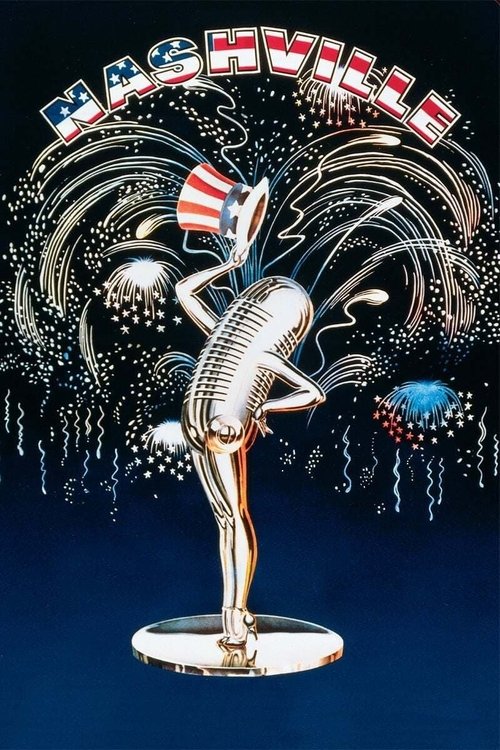
Nashville1975
Both are generous ensemble films that believe broken people deserve narratives. Both trust kindness as a plot engine and ask what community could actually look like.
Altman's three-hour ensemble about failure, ambition, and America. Like Junie Moon, it finds community and comedy in the space between people's hopes and their lives, treating every character—desperate, broken, grasping—as fully human.
But Nearly four hours, overlapping dialogue, no clear protagonist. It's a form that asks patience and rewards attention, but only if you're willing to give it.
More like this (7)
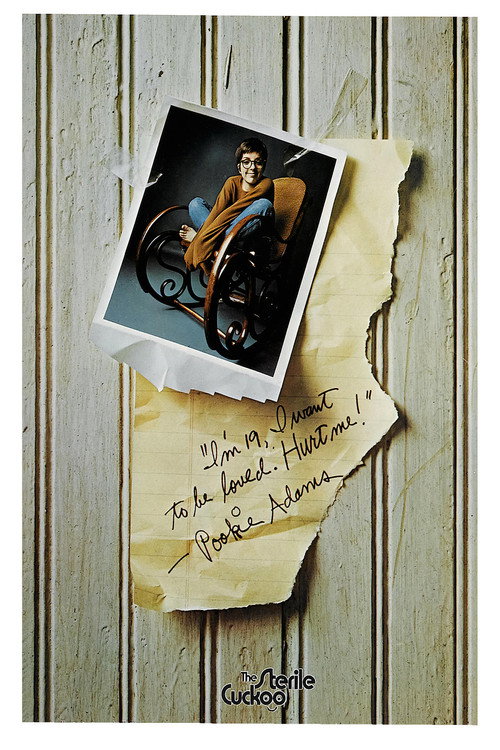
The Sterile Cuckoo1969
Liza Minnelli again, playing an anxious, needy woman that nobody else would center. Elaine May directs with real affection for her character's strangeness rather than contempt.
But It's fundamentally a sad movie about loneliness and unrequited love. The indie charm can feel thin if you're not in the mood.
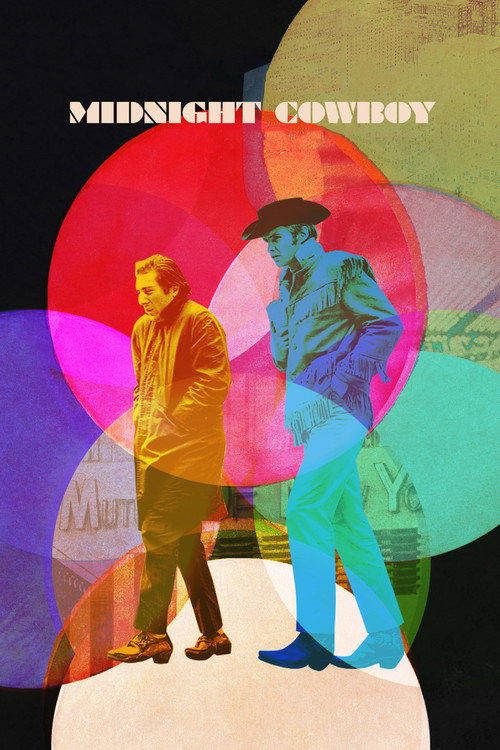
Midnight Cowboy1969
Jon Voight and Dustin Hoffman as drifters surviving on the margins of New York. Like Junie Moon, it treats desperation with honesty and finds intimacy in the most unlikely friendships.
But It's grimier and far more cynical about the world. This is not a film that believes in the possibility of community the way Preminger's does.
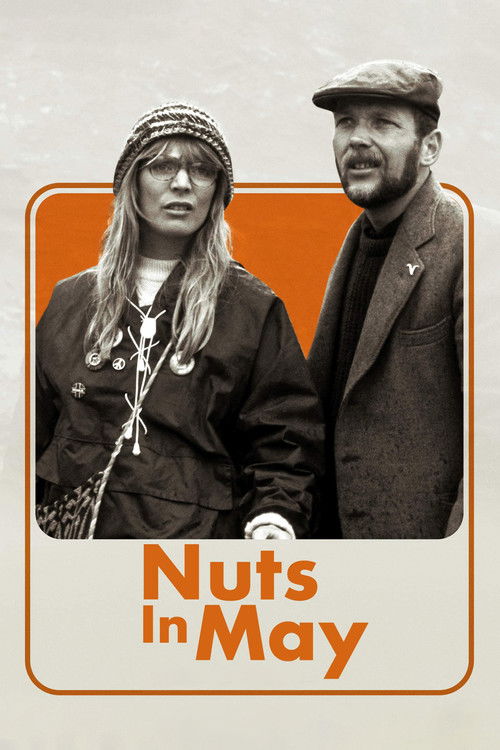
Nuts in May1976
Mike Leigh's portrait of a difficult couple on holiday, funny and exasperating in equal measure. It shares Junie Moon's interest in people nobody is rooting for, treated as full human beings anyway.
But British, deeply unglamorous, and the humour is built on genuine discomfort. Not everyone's idea of a good time.
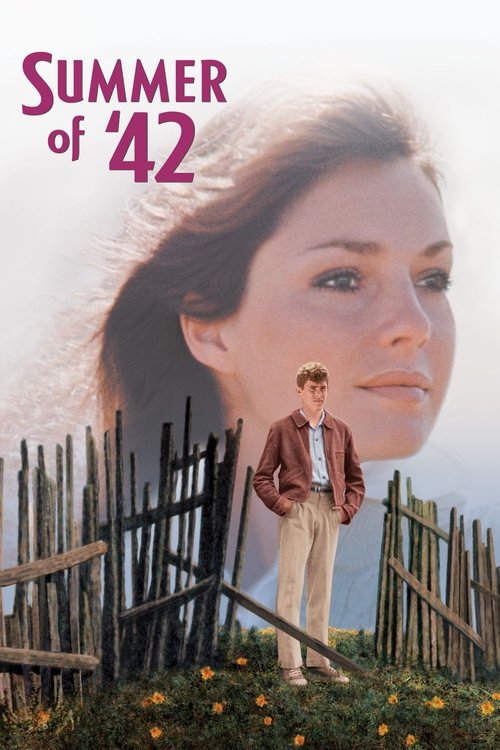
Summer of '421971
A quieter, more nostalgic film, but it has the same generous curiosity about how people learn to be human together. The relationships matter more than plot.
But It's sentimental in a way that can feel manipulative, especially now. The sexual politics also creak audibly.
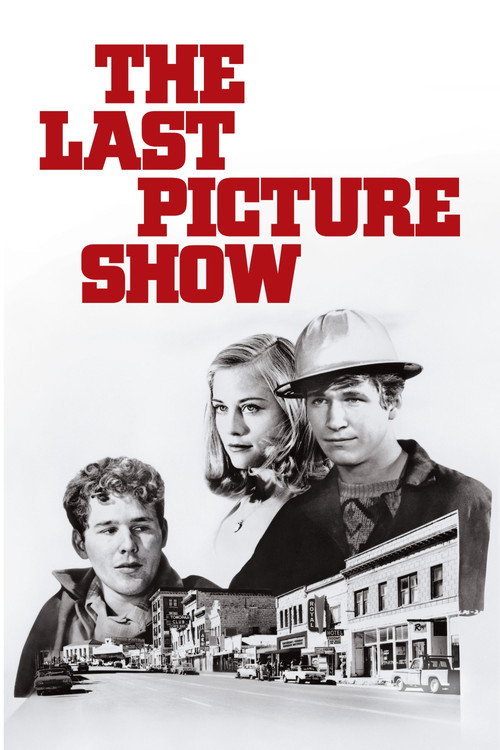
The Last Picture Show1971
Peter Bogdanovich's ensemble about small-town Texas kids at a crossroads. Like Junie Moon, it understands that ordinary loneliness and desire matter as much as drama.
But The tone is more elegiac than hopeful. If you're watching for warmth, you'll find melancholy instead.
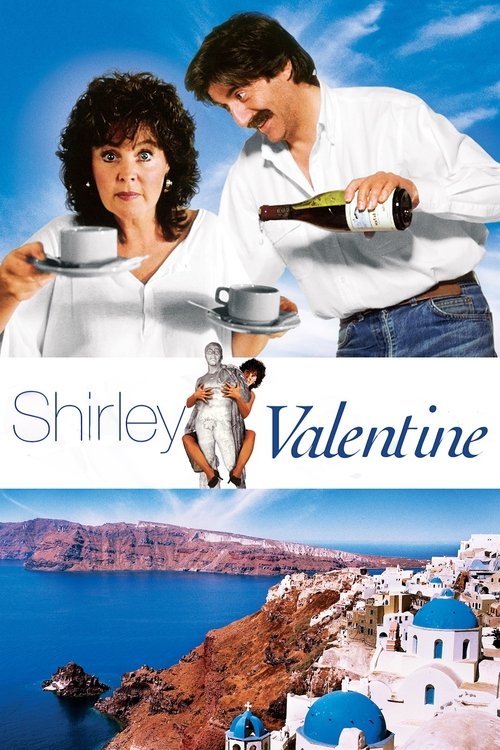
Shirley Valentine1989
Pauline Collins as a woman rediscovering herself. Lighter and more romantic than Junie Moon, but it carries the same message: you deserve a life, and you get to design it.
But It's British theatre adapted into a film, which sometimes shows. The optimism can feel generic if you're skeptical of the premise.
Stalker1979
Both films trust that watching people talk about their lives and desires is inherently cinematic. Both believe damaged people are worth centering, and both find strange beauty in not fixing them.
Andrei Tarkovsky's philosophical science fiction about three men journeying through a mysterious zone toward desire. Slow, hypnotic, built on conversations about what we actually want from life and whether connection is possible.
But Two and a half hours of deliberate pacing, no explosions, dialogue-driven meditation on meaning. Most people find it boring. It is not a movie about plot.

People
Cast
 Liza MinnelliJunie Moon
 Robert MooreWarren
 Ken HowardArthur
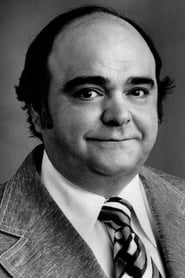 James CocoMario
 Kay ThompsonMiss Gregory
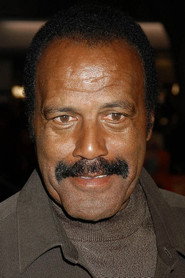 Fred WilliamsonBeach Boy
 Ben PiazzaJesse
 Emily YancySolana
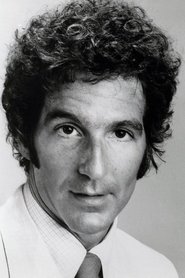 Leonard FreyGuiles
 Julie BovassoRamona
 Angelique PettyjohnMelissa
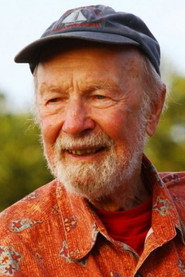 Pete SeegerHimself
Directing
- Otto PremingerDirector
Writing
- Marjorie KelloggAuthor
- Marjorie KelloggScreenplay
Production
- Otto PremingerProducer