
Film
Mystic Pizza
- Coming-of-age
- Light-hearted
A summer-of-1988 comedy about three teenage girls working at a pizza parlor in Connecticut, navigating first love, class anxiety, and friendship at the edge of adulthood. It's warm and ramshackle, funny without trying too hard, with a cast that clearly enjoyed each other. For anyone who likes their coming-of-age stories grounded in ordinary life rather than teen-movie spectacle.
Should you watch it?
Watch it if you love small-town ensemble stories where working-class romance and class friction play out in the margins of ordinary days, with warm, wry dialogue doing most of the heavy lifting.
Skip it if you want a tight plot with a clear throughline, since this drifts between three separate storylines and its romantic sweetness can feel slight if you come in expecting something bigger.
What it asks of you: It runs about an hour and forty-five minutes at an easygoing pace, asking you to settle into several characters at once and to enjoy the lived-in texture rather than chase a single arc.
Not sure? Find tonight's pick in a minute.
If you liked this
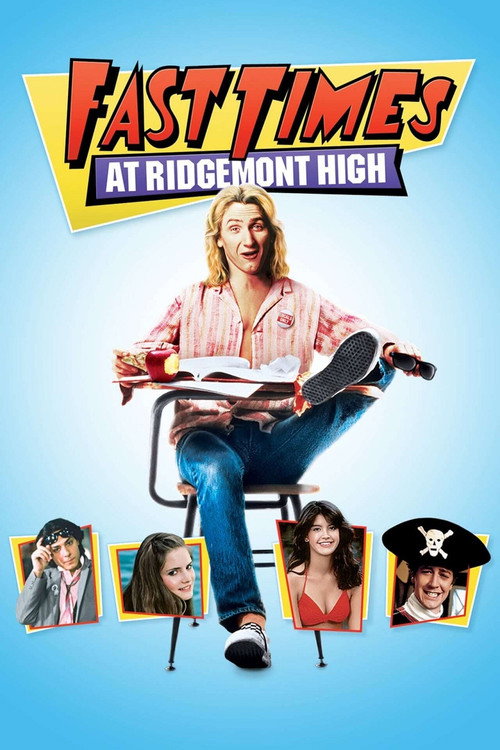
Fast Times at Ridgemont High1982
The definitive summer-in-California teen ensemble: sex, work, friendship, small humiliations. Same DNA as Mystic Pizza—ensemble cast, episodic, no villains, just the messy middle of figuring yourself out.
But Dated slang and the occasional moment that hasn't aged well. Also genuinely sad in places, which some viewers find jarring in a teen comedy.
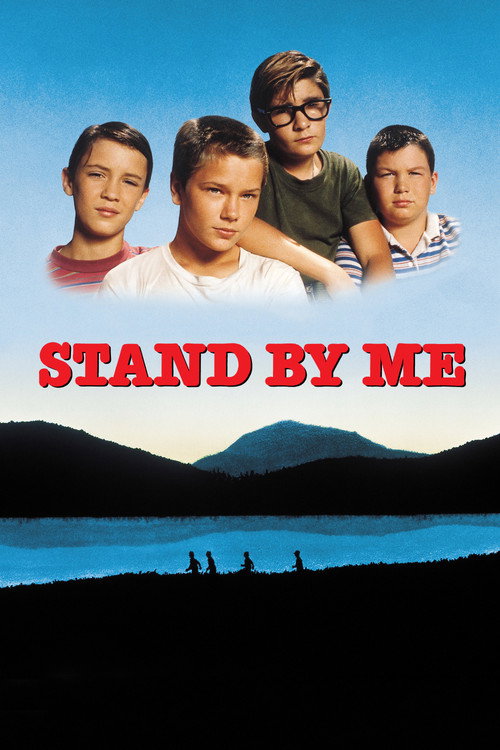
Stand by Me1986
Four kids on an adventure, growing up in real time. Like Mystic Pizza, it trusts that small moments and genuine friendship are enough—no big plot, just the feeling of transition.
But Slower than you might expect. If you want plot momentum or excitement, this is contemplative in ways that can feel like nothing's happening.
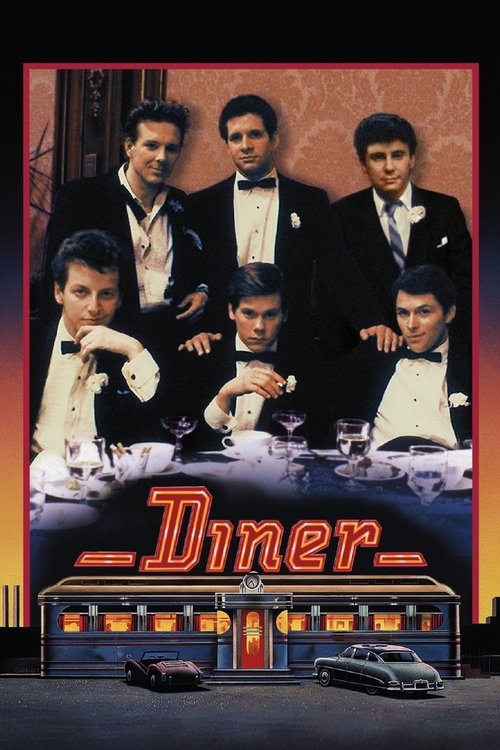
Diner1982
Ensemble comedy about a group of friends at a crossroads, anchored by a diner the way Mystic Pizza is anchored by the restaurant. Warm, funny, interested in how people actually talk.
But Very male-focused, and the comedy is talky rather than punchy. Some bits haven't aged well. Feels more like an experiment than a finished shape.
Not sure tonight? Get a pick in a minute, starting from Mystic Pizza
The wildcard
Something you would not have found on your own.
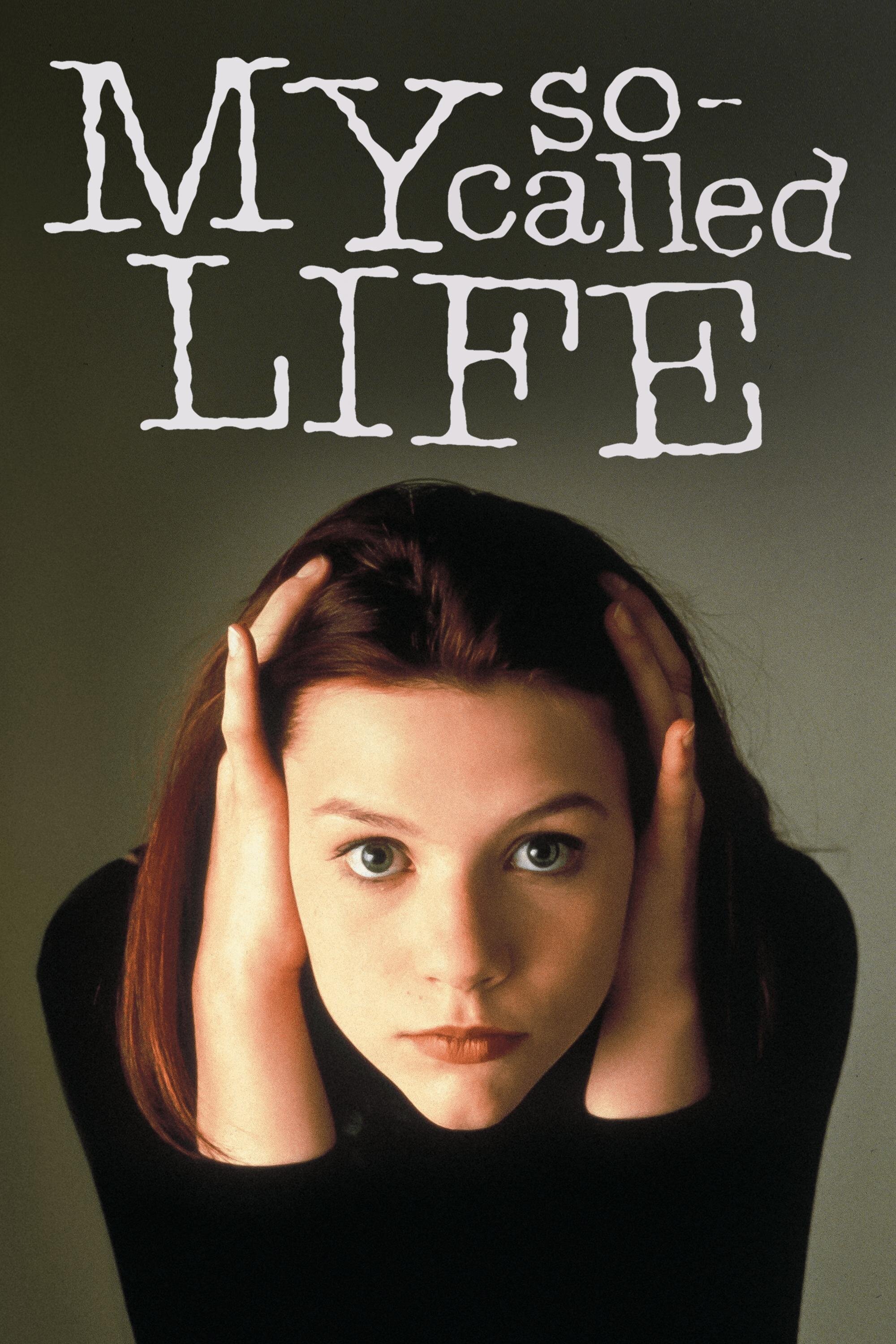
My So-Called Life1994
Both trust that quiet character moments and ensemble dynamics matter more than plot. Both are about girls on the threshold, taking themselves seriously without being precious about it.
A TV series that captured what Mystic Pizza was reaching for: the specific texture of being sixteen, the weight of small moments, friendships as the central story. It didn't get cancelled, exactly—it just ended, like summer always does.
But Only thirteen episodes exist, and that incompleteness haunts it. Also pitched at a more introverted, melancholic frequency than Mystic Pizza's easier warmth.
More like this (8)
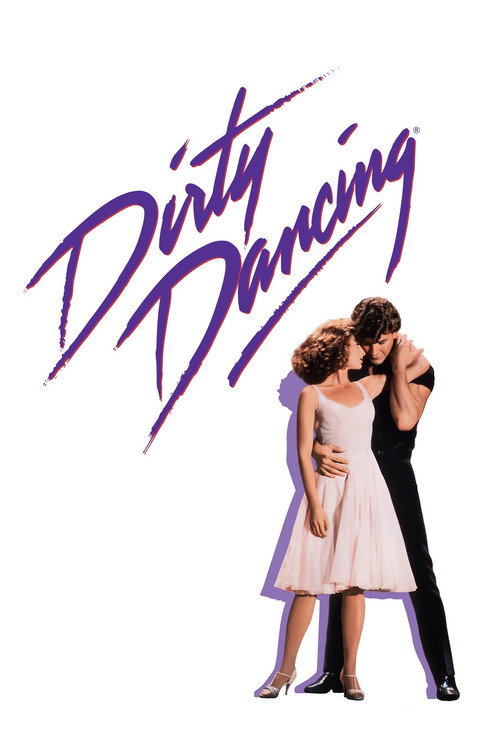
Dirty Dancing1987
Also 1980s, also a summer romance with a heroine figuring out the world. Class anxiety, mentorship, body awareness. Similar era sweetness but with higher emotional stakes and that one perfect song.
But The plot is fairly rigid and familiar. It's a romance vehicle first, ensemble piece second—nothing like Mystic Pizza's sprawl.
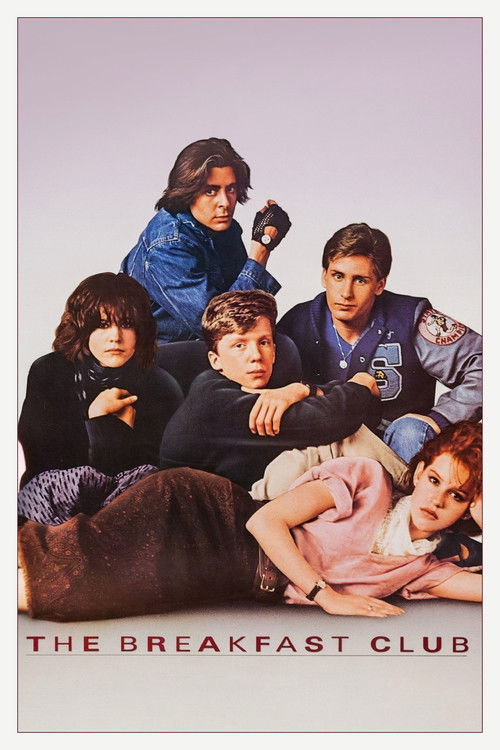
The Breakfast Club1985
Teen characters who talk like humans, care about each other despite surface differences, and find connection in an ordinary space. Same warmth and faith in friendship.
But It's become a cultural artifact people admire more than actually enjoy. The plotting is contrived compared to Mystic Pizza's naturalism.
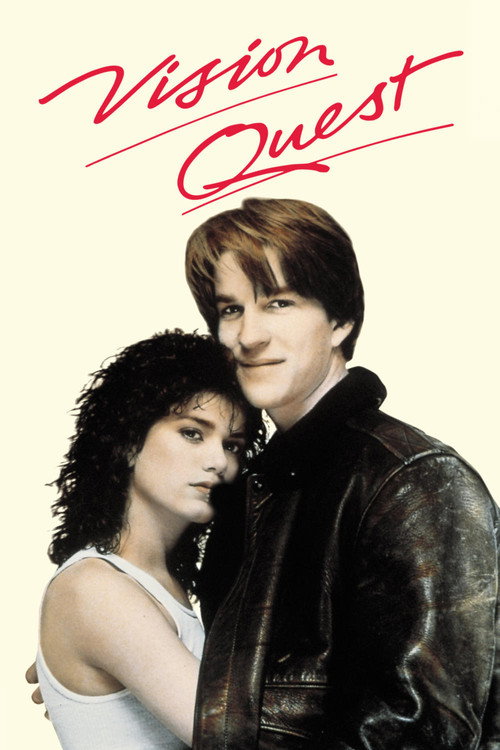
Vision Quest1985
Another mid-1980s coming-of-age film with a protagonist working through desire and identity. The mood is earnest and a little vulnerable in the way Mystic Pizza is.
But Wrestling subplot dominates in ways that might not land. It's more uneven in tone—swings between sincere and goofy without Mystic Pizza's consistency.
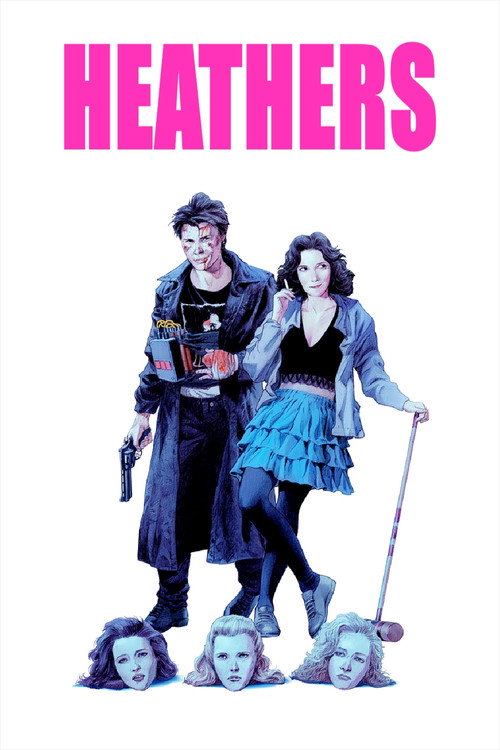
Heathers1989
Made just after Mystic Pizza, same era, same teen ensemble premise. Shows what happens when you take a similar setup but let the darkness in. Sharp contrast worth exploring.
But Completely different register—dark satire instead of affection. Some will find it cynical compared to Mystic Pizza's generosity toward its characters.
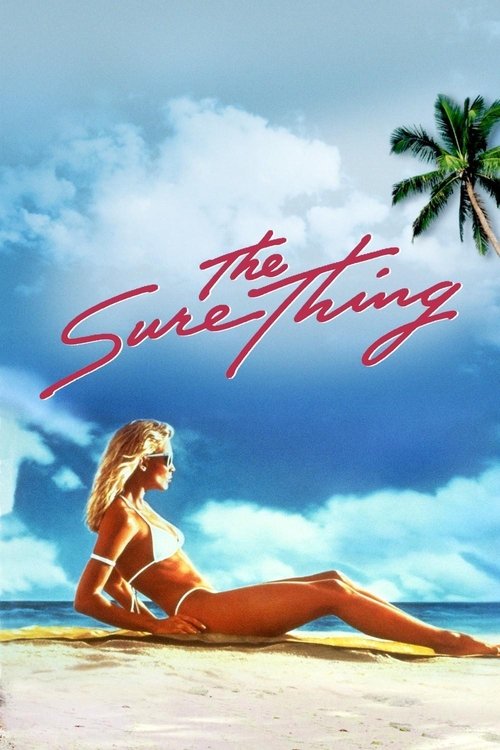
The Sure Thing1985
Two young people, a journey, growing attraction and real talk. Like Mystic Pizza, it believes in charm and conversation over manufactured drama.
But Very much a product of its moment—the gender politics are dated. Also more of a two-hander than an ensemble piece.
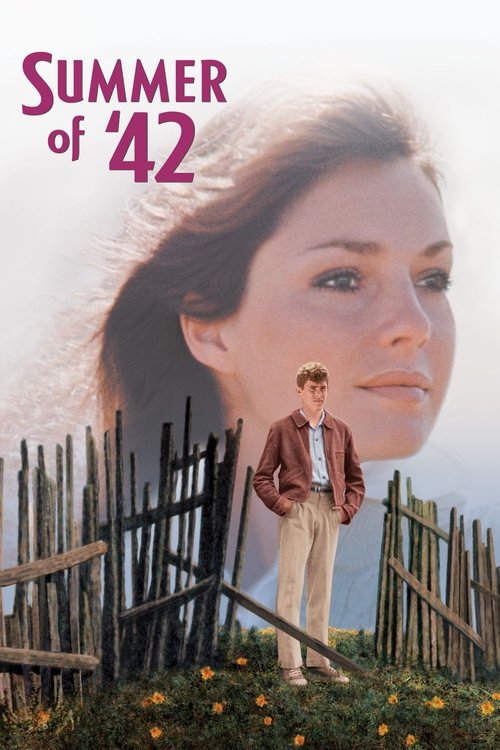
Summer of '421971
An earlier film about adolescent desire and coming-of-age, melancholic and tender. Shows how durable the summer-romance premise is.
But The central plot involves a teenage boy and an adult woman. That element will make many viewers deeply uncomfortable now, and rightfully so.
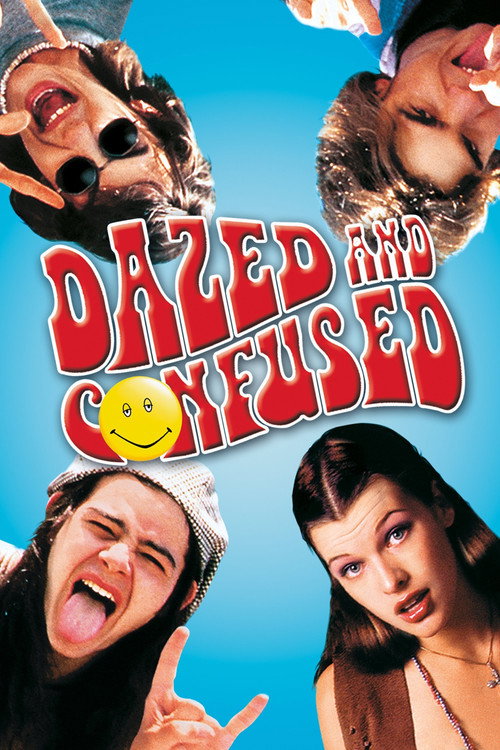
Dazed and Confused1993
Both films are interested in capturing a moment—a summer, a day—rather than telling a traditional three-act story. Both are about friendship and class and wanting something you can't name yet.
The spiritual sequel to the early-80s ensemble teen films: a whole community of characters, a single day, no plot to speak of, just the feeling of transition and time. Affectionate without being sentimental.
But Very long, very loose, and unapologetically anti-narrative. If you need momentum or a story you can follow cleanly, this will feel like a shrug.
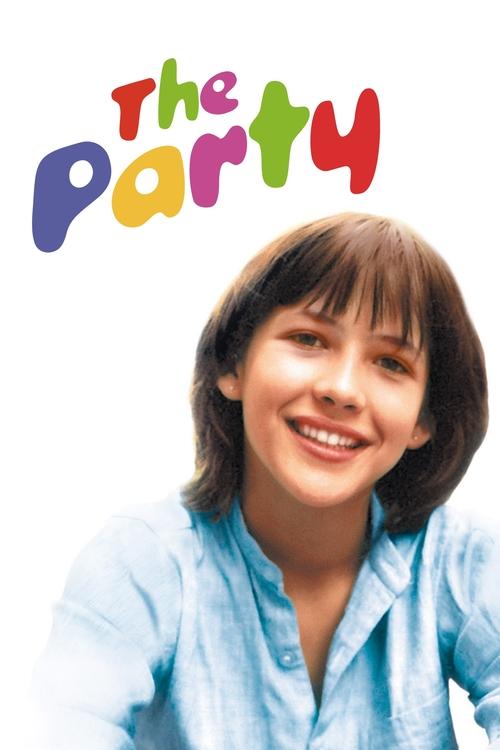
The Party1980
Both are summer films about girls becoming aware of desire and class and disappointment. Both find humor in the gap between how girls see themselves and how others see them. Both are quietly generous about their characters' confusions.
A French film about a thirteen-year-old girl's first crush and her parents' marriage unraveling. It's tender, funny, and treats its heroine's feelings as genuinely important without melodrama. Completely disarming.
But In French with subtitles. Also, its perspective on youth and desire is distinctly European—less protective, more permissive than American teen films of the same era.
People
Cast
 Julia RobertsDaisy

 Lili TaylorJoJo


 Adam StorkeCharlie
 Conchata FerrellLeona
 Joanna MerlinMrs. Arujo
 Porscha RadcliffePhoebe
 Arthur WalshManny
 John FioreJake
 Gene AmorosoMr. Barboza
Directing
- Donald PetrieDirector
- Mark RadcliffeFirst Assistant Director
- Jan EvansScript Supervisor
- Martha M. ElcanSecond Assistant Director
Writing
- Alfred UhryScreenplay
- Amy Holden JonesScreenplay
- Perry HowzeScreenplay
- Randy HowzeScreenplay
- Amy Holden JonesStory
Production
- Jane JenkinsCasting
- Janet HirshensonCasting
- Samuel Goldwyn Jr.Executive Producer
- Susan VogelfangLine Producer
- Lisa W. StroutLocation Manager
- Marc LevittLocation Manager
- Mark LevinsonProducer
- Scott M. RosenfeltProducer
- R. Vincent SmithProduction Assistant
Recommended by
Divine Secrets of the Ya-Ya Sisterhood, Can't Buy Me Love, Valley Girl, Shag, Angie, Welcome Home, Roxy Carmichael, Circle of Friends