
Film
The Party
Other titles called The Party: the 1968 film, the 2017 film, the 2026 series (ITVX).
A gently observant 1980 French film about a thirteen-year-old girl navigating her parents' divorce while adjusting to a new life in Paris. It's tender without being maudlin, funny without deflating the real pain, and more interested in the texture of adolescence than in wringing drama from upheaval. For anyone who remembers that age, or wants to understand it.
Should you watch it?
Watch it if you like coming-of-age films that find the comedy in a teenager's first crushes and family upheaval without sneering at either, and you don't mind a bit of sugar with your heartbreak.
Skip it if you want a sharp, adult take on divorce; this one stays gentle and sentimental, more interested in first crushes than in the grown-up mess behind them.
What it asks of you: Just under two hours of unhurried, light time, its mood swinging between giggles and a quieter ache; it asks for patience with its teenage moods more than close attention.
Not sure? Find tonight's pick in a minute.
If you liked this
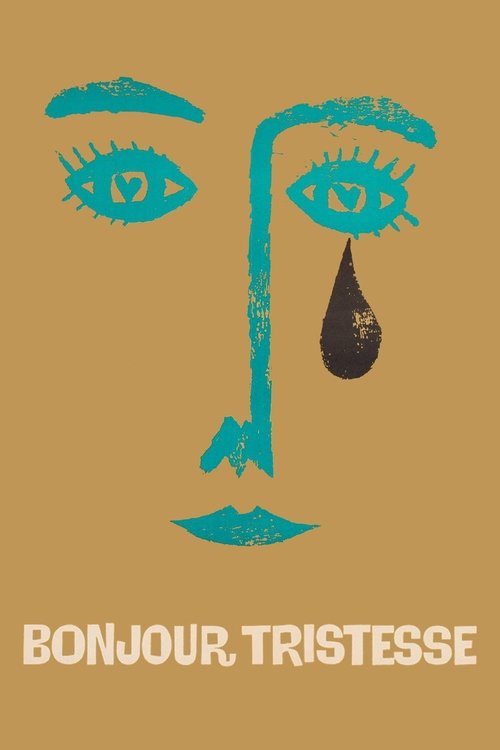
Bonjour Tristesse1958
Françoise Sagan's adaptation captures similar melancholy and moral confusion in adolescence, with a young woman caught between competing adult worlds. Visually sumptuous and emotionally complex.
But The pacing is deliberate and the emotional payoff arrives quietly. If you need plot momentum, this will feel slow.
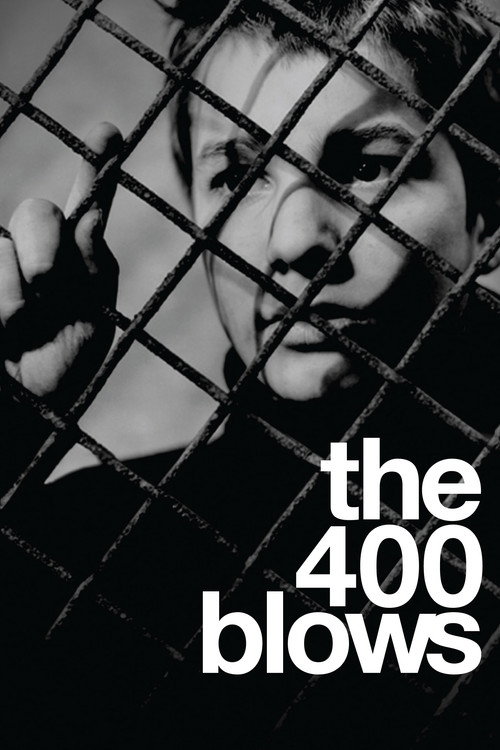
The 400 Blows1959
Truffaut's masterpiece about a misunderstood boy adrift in Paris during family crisis. Both films treat adolescent interiority with complete seriousness and affection, finding beauty in small betrayals.
But Darker and more melancholic than The Party. The ending is devastating rather than reconciliatory.
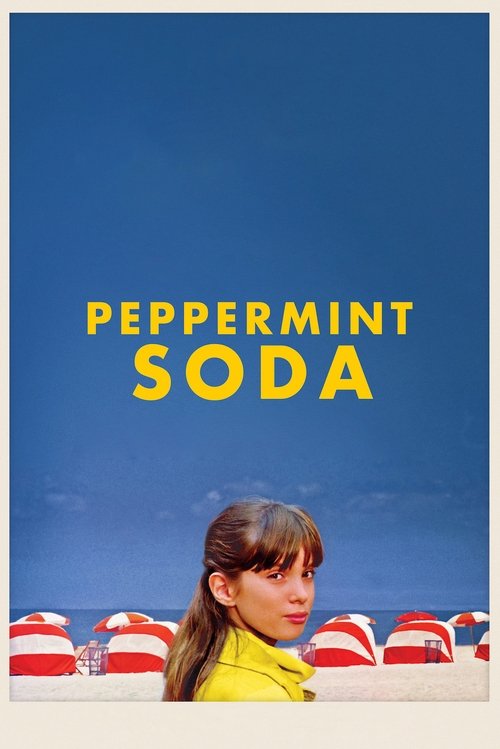
Peppermint Soda1977
Diane Kurys's debut captures the texture of being a teenage girl in France with the same observational warmth. Funny, honest about female friendship, and deeply felt about family fracture.
But It's even slower-paced than The Party and resists conventional drama. Some will find it plotless.
Not sure tonight? Get a pick in a minute, starting from The Party
The wildcard
Something you would not have found on your own.
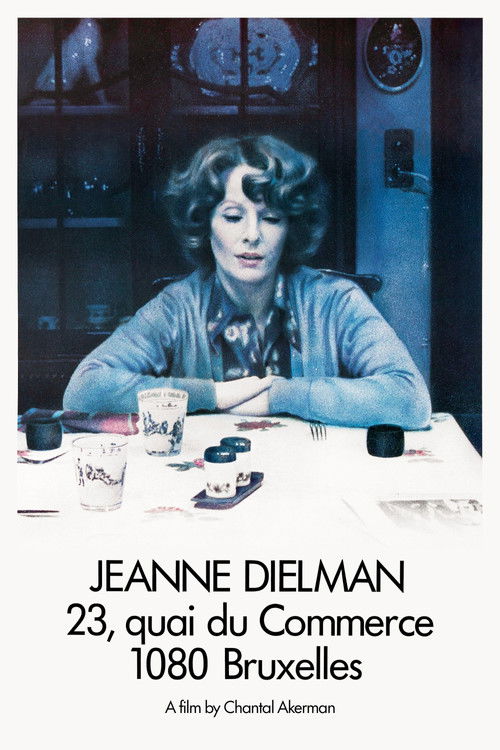
Jeanne Dielman, 23, quai du Commerce, 1080 Bruxelles1976
Both explore how interior lives persist beneath surface events; both suggest that what matters most often happens in silence and margins, not in dramatic confrontation.
A three-hour Chantal Akerman film about a woman's daily routines that seems glacially removed from The Party until you recognize it as the inverse: where The Party finds poetry in disruption, Akerman finds devastation in routine. Both films trust the viewer to find meaning in what is not said.
But It is deliberately, aggressively slow. Long static shots of mundane activities. Most people will find it unwatchable.
More like this (8)
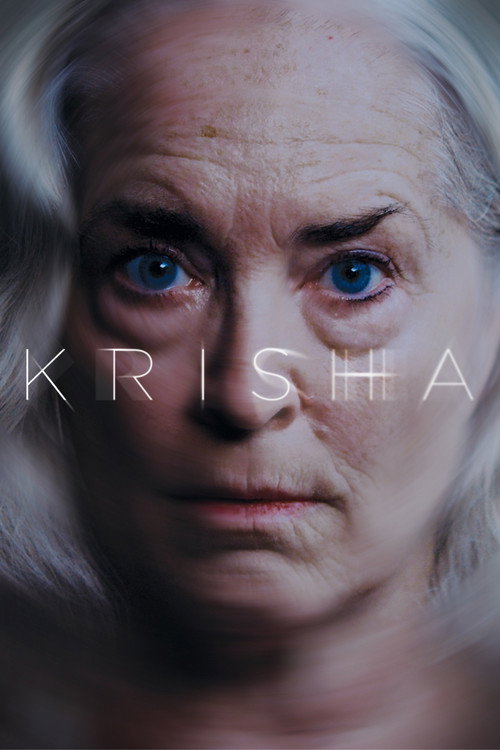
Krisha2016
A Russian family film that treats childhood perception with profound respect. Unadorned, deeply humane, and finds grace in ordinary domestic struggle without sentimentality.
But Made in a deliberately austere style. There is almost no conventional narrative arc. Patience is mandatory.
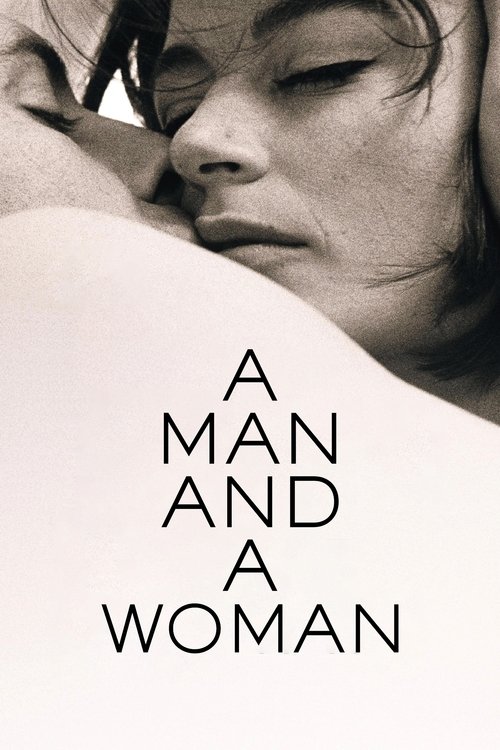
A Man and a Woman1966
Another French 60s romance about adults navigating love and loss, but it shares The Party's belief that emotion and beauty can coexist with humor and lightness. Visually gorgeous.
But The romantic idealism may feel dated or saccharine depending on your tolerance for that particular brand of French cinema.
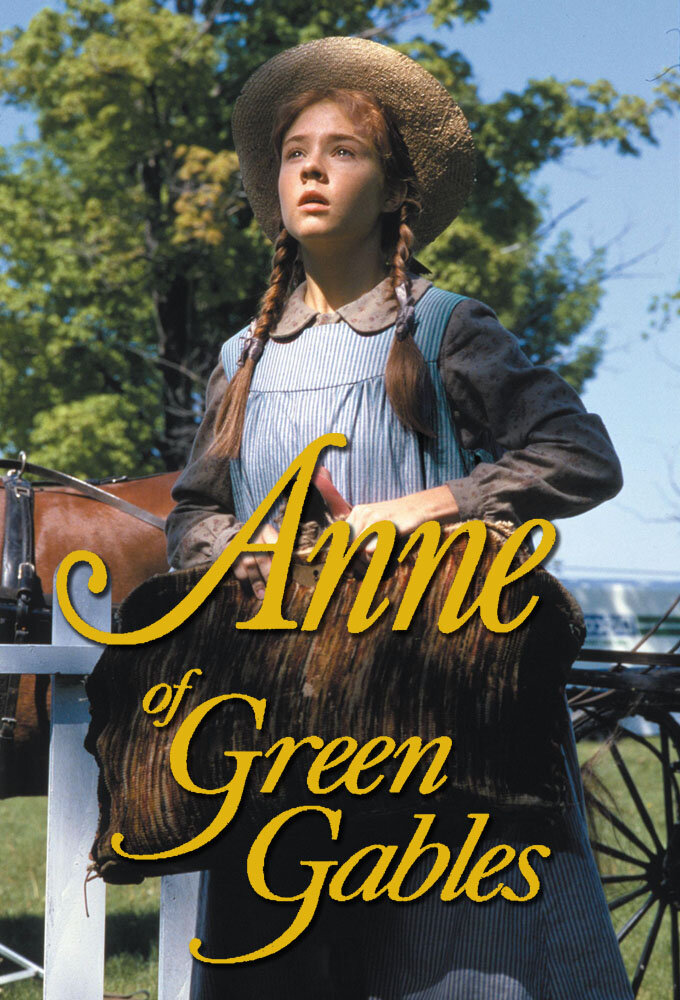
Anne of Green Gables1985
The Kevin Sullivan miniseries captures similar tenderness about a young girl finding her place, with warmth and comedy threading through genuine hardship. Anne and Vic both transform their worlds through fierce feeling.
But It's Canadian television from the 80s and looks it. Also pitched to a younger audience than The Party, though adults find it rewarding.
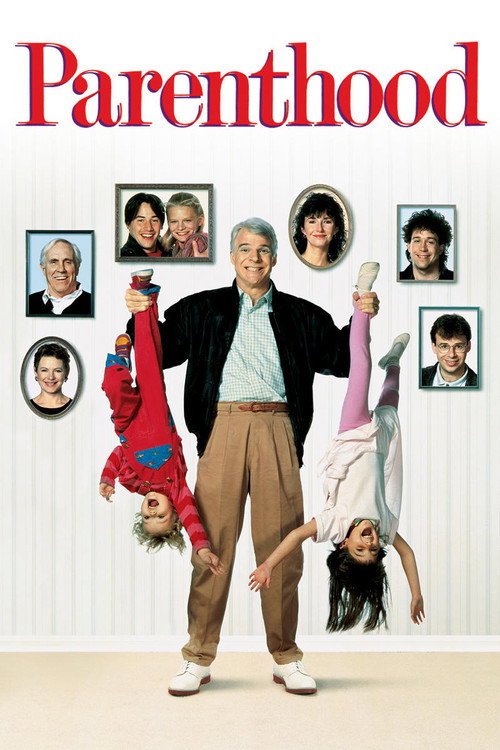
Parenthood1989
Ron Howard's ensemble piece about family chaos treats multiple perspectives on parental breakdown with humor and genuine heart. It has The Party's warmth without losing credibility about real pain.
But Much broader and more American in sensibility. Some scenes tip into sentimentality that The Party carefully avoids.
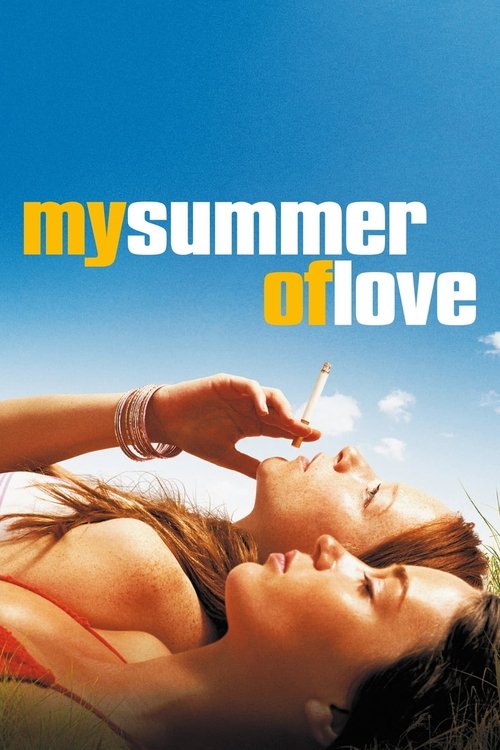
My Summer of Love2005
A British film about a teenage girl's emotional awakening during a summer of class and moral confusion. Tender, observant, and unflinching about adolescent desire and vulnerability.
But Darker and more sexually charged than The Party. The tone can feel oddly distant in places.
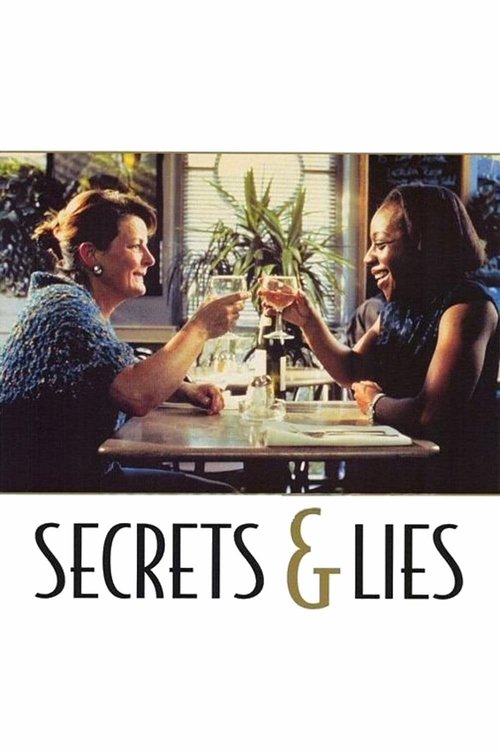
Secrets & Lies1996
Mike Leigh's ensemble drama about family rupture and repair. It shares The Party's belief that comedy and crisis are not opposites, and that ordinary people contain multitudes.
But Much longer and more improvisational in feel. Can be exhausting rather than cathartic.
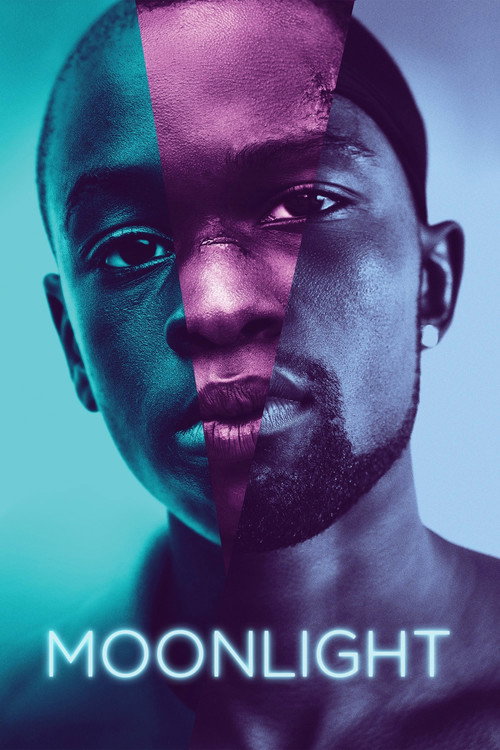
Moonlight2016
Both films understand adolescence as the experience of learning to navigate between competing versions of self, and both trust the audience to sit with ambivalence and longing.
Barry Jenkins's film about a Black boy's coming of age in Miami moves through three chapters with The Party's same commitment to emotional precision and refusal of easy resolution. Gorgeous, quietly devastating, about how we become ourselves despite circumstance.
But Nonlinear and elliptical. Some plot points are never explained. The register is much more serious and there is little comedy.
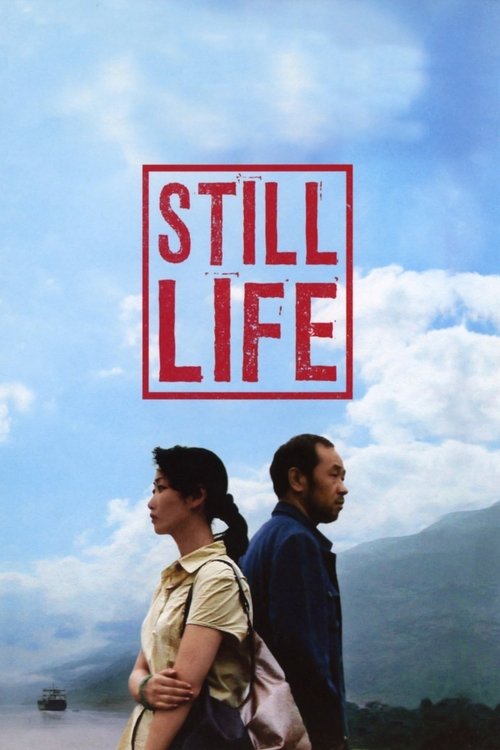
Still Life2006
Both films refuse melodrama about family separation and instead examine how people continue to live and feel and hope when everything shifts. Both are interested in what remains constant beneath change.
Jia Zhangke's Chinese film about an aging man searching for his estranged wife in a town about to be flooded. Slow, observational, unsentimental—a film about how people endure rupture and displacement, how love persists despite distance and failure.
But Meditative to the point of austere. There is almost no plot. Subtitled, in a patient mode that Western audiences often find punishing.
People
Cast
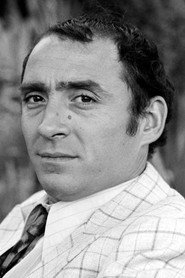 Claude BrasseurFrançois Beretton
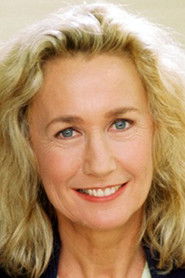 Brigitte FosseyFrançoise Beretton
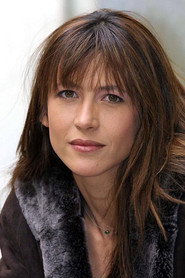 Sophie MarceauVictoire Beretton, aka 'Vic'
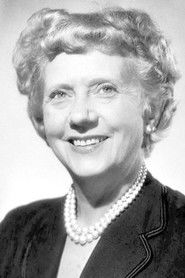 Denise GreyMrs Valadier aka 'Poupette', Vic's great grandmother
 Jean-Michel DupuisEtienne, François' dentist friend
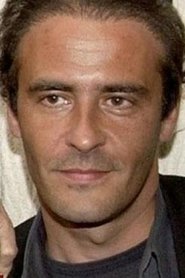 Alexandre SterlingMathieu
 Sheila O'ConnorPénélope Fontanet
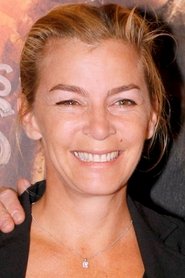 Alexandra GoninSamantha Fontanet
 Frédéric de PasqualeAntoine
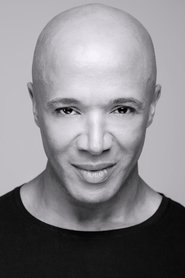 Laurent N'DiayeArnaud
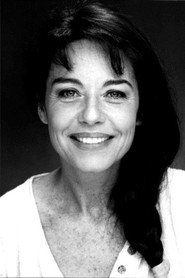 Diane BellegoÉliane
- Michel LasorneDavid
Directing
- Claude PinoteauDirector
- Rémy DucheminFirst Assistant Director
Writing
- Claude PinoteauWriter
- Danièle ThompsonWriter
Production
- Françoise MenidreyCasting
- Alain PoiréDelegated Producer
- Marcel DassaultProducer