
Film
Bonjour Tristesse
Deborah Kerr and David Niven star in this Riviera romance about a spoiled teenager determined to sabotage her father's chance at genuine love. Directed by Otto Preminger with lush cinematography and a jazzy score, it's stylish and morally complicated—a study of beautiful people protecting beautiful lies. You'll feel the Mediterranean heat and the chill of selfishness in the same breath.
Should you watch it?
Watch it if you enjoy sun-bleached, slightly cruel character studies where the pleasure lies in watching vain, careless people circle one another and mistake their own cleverness for control.
Skip it if you need a story that moves forward with clear purpose; this one drifts through languid days and sometimes lets its central choices sit unexplained, which can feel frustrating.
What it asks of you: Settle into a brisk, feather-light running time of about ninety minutes, then give it patience, since much of the drama is in glances, idle conversations and the mood of a holiday going slightly sour.
Not sure? Find tonight's pick in a minute.
If you liked this
A Place in the Sun1951
Montgomery Clift torn between two women across class lines, Preminger's moral universe transplanted to 1950s America. Elizabeth Taylor and Shelley Winters give performances that burn. A masterpiece of desire and consequence.
But Slower than modern cinema and heavy with postwar anguish. If you want plot momentum over emotional weight, this will frustrate you.

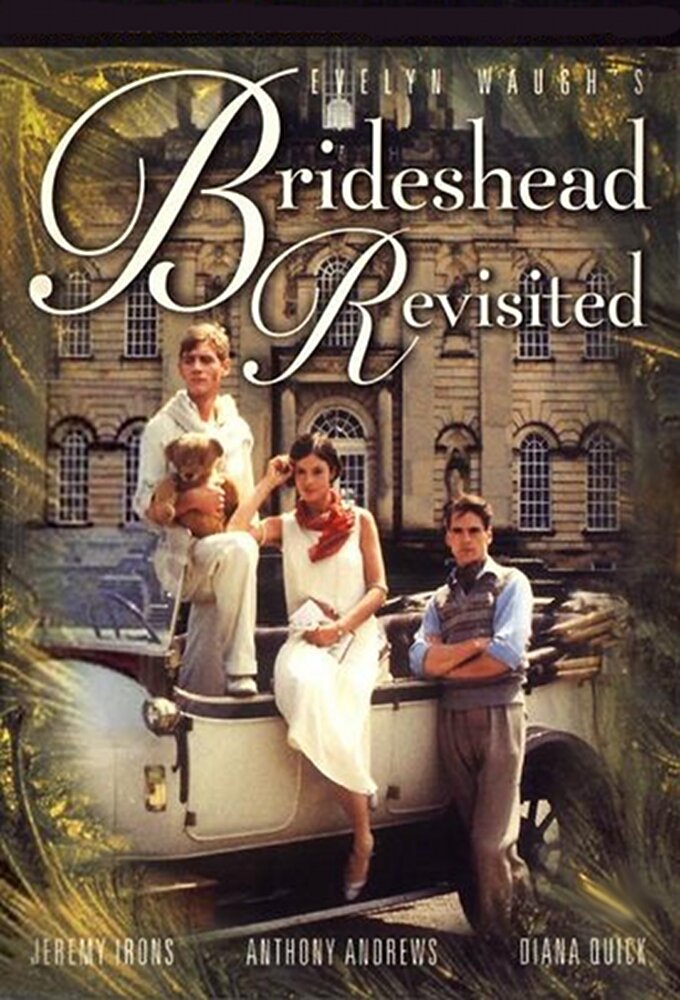
Brideshead Revisited1981
The same Waugh novel about privilege, beauty, and spiritual reckoning. Jeremy Irons and Anthony Andrews navigate forbidden love and family corruption with devastating elegance. Shot like a painting.
But It's eleven hours across eleven episodes. The pacing is deliberate to the point of drift, and the sexuality theme makes some viewers uncomfortable.
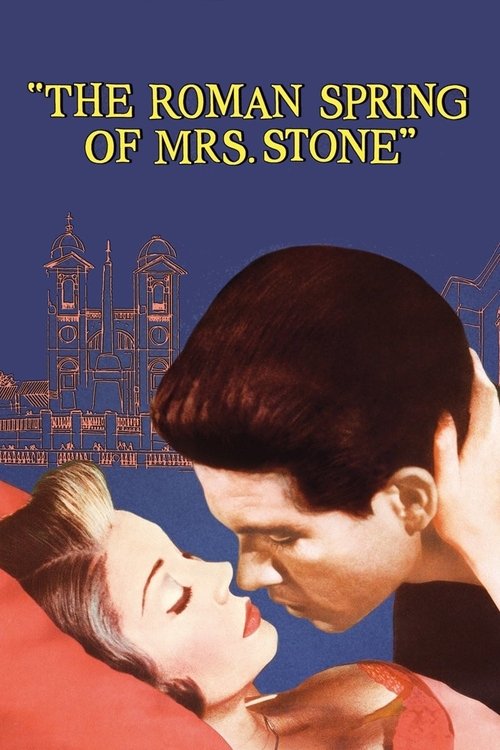
The Roman Spring of Mrs. Stone1961
Vivien Leigh as an aging widow seduced by Rome and a gigolo. Warren Beatty at his most dangerous. The same moral rot beneath glamour, the same Riviera-adjacent corruption and decay.
But Lean narrative. Long stretches of mood over plot. The sexual frankness was scandalous then and feels almost quaint now.
Not sure tonight? Get a pick in a minute, starting from Bonjour Tristesse
The wildcard
Something you would not have found on your own.
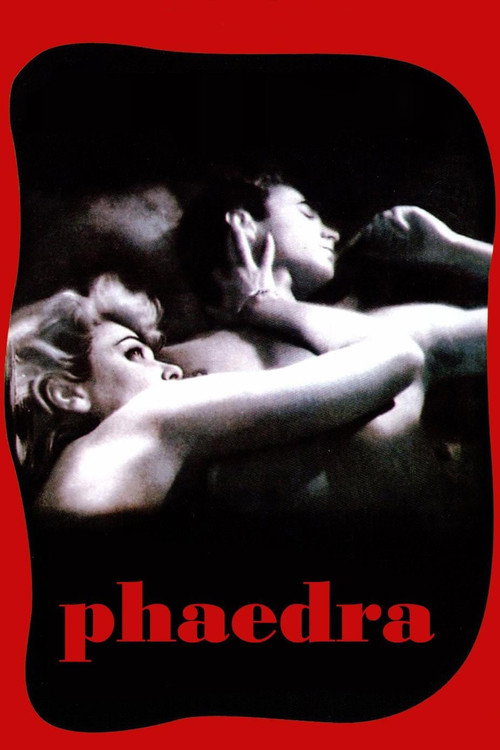
Phaedra1962
Both are moral tales about beautiful young women using their sexuality as a tool of control, set in Mediterranean luxury. The difference: Cecile destroys her father out of selfishness; Phaedra is destroyed by forces she cannot control. One is a comedy of manners, the other a genuine tragedy.
Jules Dassin transposes Greek tragedy to a billionaire's yacht. Melina Mercouri as a woman destroyed by her stepdaughter's sexuality and her own hidden desire. The same moral architecture as Bonjour Tristesse—lust, lies, and a beautiful woman's weapon—but in the register of high tragedy rather than drawing-room sabotage. Mercouri is incandescent.
But Explicitly tragic and sometimes overwrought. The Greek tragic inevitability makes it feel dated to modern sensibilities. Some find the melodrama exhausting.
More like this (8)
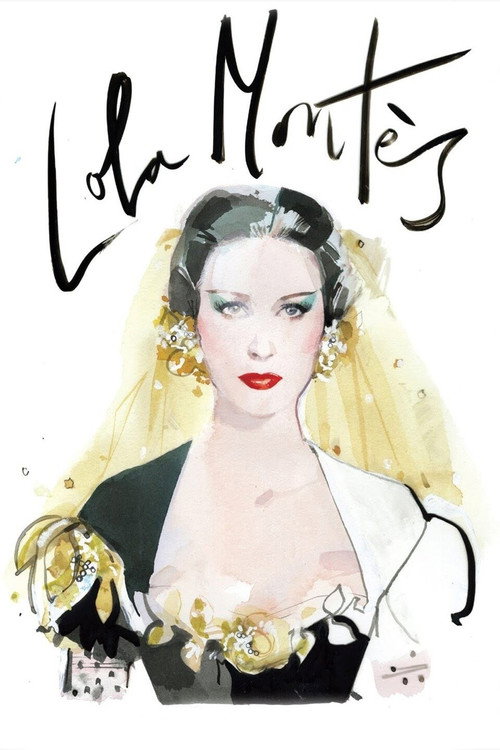
Lola Montès1955
Ophüls' masterpiece of a woman destroyed by men who collect her. Circular, baroque, impossibly stylish. Every frame is composed like a Baroque painting. If you loved the Riviera atmosphere and moral ambiguity, this is essential.
But It's experimental and refuses conventional narrative. The non-linear structure confuses viewers who want clear storytelling.
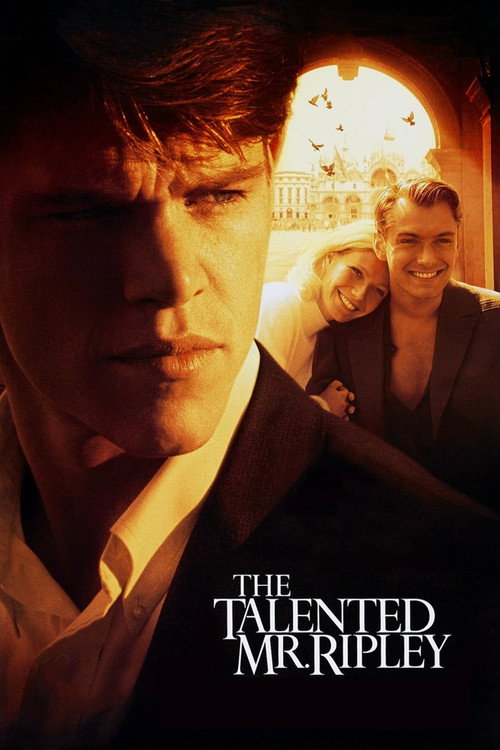
The Talented Mr. Ripley1999
Another beautiful European summer poisoned by a protagonist's moral emptiness. Matt Damon as Tom Ripley, Jude Law as Dickie, the Amalfi coast glowing. Adaptation of Highsmith's novel, same DNA as Bonjour Tristesse.
But Slower thriller. If you're expecting propulsive mystery, you'll be disappointed. Hitchcock it isn't; it's too in love with surfaces.
Letter from an Unknown Woman1948
Max Ophüls' supreme melodrama of obsession and illusion. A woman's entire life haunted by a man who barely remembers her. Deep sadness, Viennese waltzes, and the tragedy of wanting what you cannot keep.
But Deeply melancholic and fatalistic. Some find it self-indulgent. The romanticism of suffering isn't for everyone.

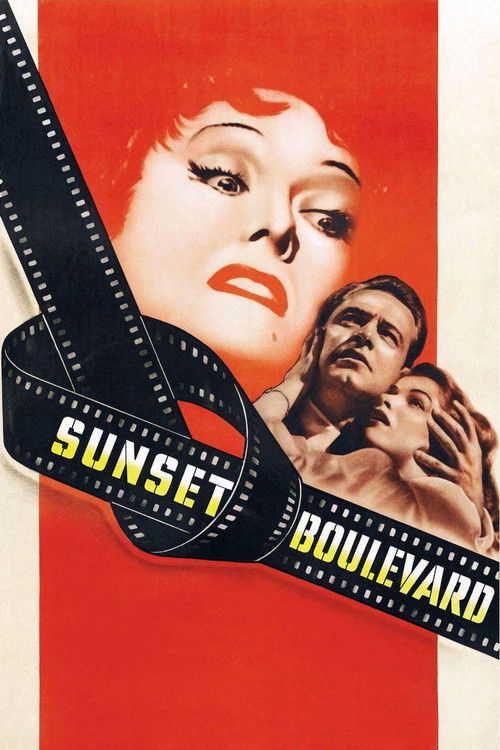
Sunset Boulevard1950
Wilder's noir about illusion and parasitism in Hollywood. William Holden trapped by Gloria Swanson's faded starlet. The same moral danger as Bonjour Tristesse—beauty as a weapon, beauty as a trap.
But Cynical and bleak. If you want hope or redemption in your stories, this offers none. Swanson's madness is deeply uncomfortable.
The Leopard1963
Visconti's epic about the old aristocracy facing irrelevance. Burt Lancaster as the Prince. Operatic in scope but intimate in observation. Another meditation on privilege, style, and the past refusing to die.
But Nearly three hours and deliberately paced. The print quality issues on some releases are frustrating. Requires patience and attention.

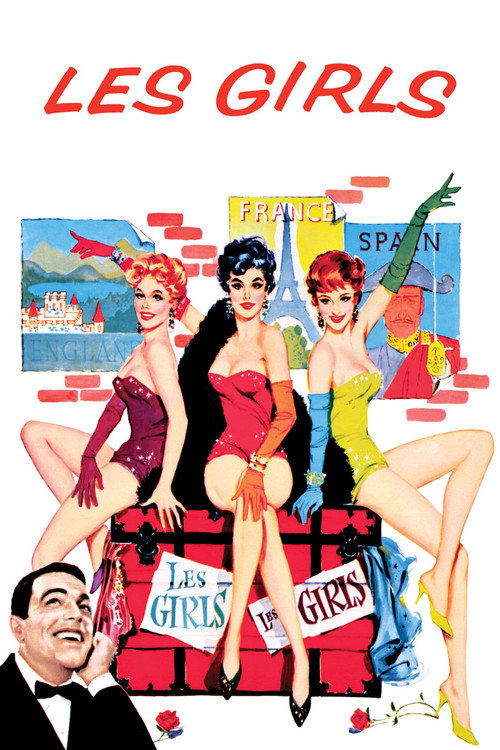
Les Girls1957
Cukor's musical comedy about three women telling contradictory stories about their past with Gene Kelly. Light as air but structurally clever—unreliable narrators in Technicolor. A different mode but the same interest in beautiful lies.
But Frothy and deliberately superficial. The songs are catchy rather than memorable. Some viewers find musicals exhausting.
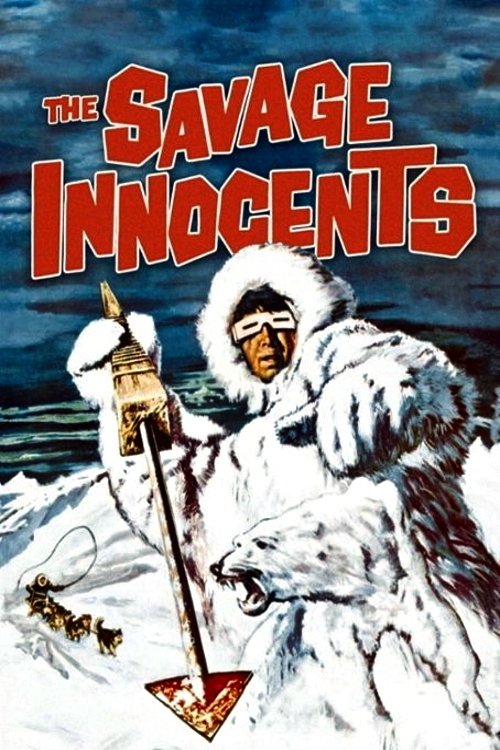
The Savage Innocents1960
Both examine how civilization—luxury, desire, the Riviera or the Arctic—corrupts innocence. But where Bonjour Tristesse shows a character corrupted by having too much, this shows a character by having too little imposed upon him. One is internal rot; the other is external.
Anthony Quinn as an Inuit hunter navigating contact with Western civilization. A film about spoiled selfishness, but from the opposite angle—a protagonist who has everything stripped away rather than defending what he has. Stunning Arctic cinematography. The moral weight of civilization's cost.
But Slow, anthropological, and the portrait of indigenous life is complicated and sometimes patronizing by modern standards. Not a plot film; it's a study of collision and loss.
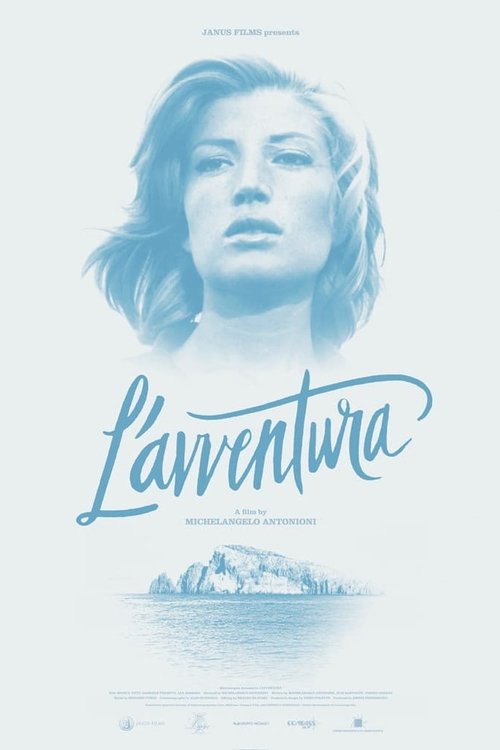
L'Avventura1960
Both are about attractive people in beautiful places who are fundamentally indifferent to anyone but themselves. But where Bonjour Tristesse is a sharp comedy of moral failure, L'Avventura makes that indifference existential and universal. One accuses its character; the other mourns humanity's condition.
Michelangelo Antonioni's three-hour meditation on aimlessness, desire, and the inability to feel. Monica Vitti and Gabriele Ferzetti wander through Sicily and beyond, pretending to search for a missing woman while spiraling into their own emptiness. No plot, all mood. The spiritual cousin of Bonjour Tristesse—beautiful people rendered hollow by their own indifference.
But Nothing happens. Literally nothing. There is no resolution, no answers, no forward motion. Modern viewers find it exasperating. The runtime feels deliberately punitive.
People
Cast
 Deborah KerrAnne Larson
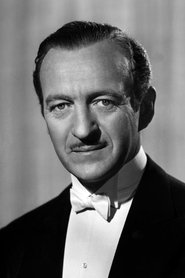 David NivenRaymond
 Jean SebergCecile
 Mylène DemongeotElsa
 Geoffrey HornePhilippe
 Juliette GrécoJuliette Greco
 Walter ChiariPablo
 Martita HuntPhilippe's Mother
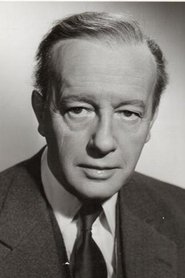 Roland CulverMr. Lombard
 Jean KentMrs. Helen Lombard
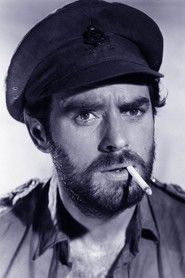 David OxleyJacques
 Elga AndersenDenise
Directing
- Adrian Pryce-JonesAssistant Director
- Serge FriedmanAssistant Director
- Otto PremingerDirector
- Eileen HeadScript Supervisor
- Joe MarksSecond Assistant Director
Writing
- Françoise SaganNovel
- Arthur LaurentsScreenplay
Production
- John PalmerAssociate Producer
- Otto PremingerProducer
- Erica MastersProduction Manager
- Philippe SennéProduction Manager
Recommended by
Where the Boys Are, My Mother's Castle, Peppermint Soda, The Party, Murmur of the Heart, Black Peter, C'est La Vie, In the Cool of the Day