
Film
Black Peter
Miloš Forman's debut follows a Prague teenager's first days as an errand boy, finding comedy and melancholy in small humiliations and the gap between adult expectations and adolescent reality. It's tender and unsentimental, shot with documentary clarity. For anyone who remembers feeling invisible, or who loves films about ordinary people discovering the world isn't built for them.
If you liked this
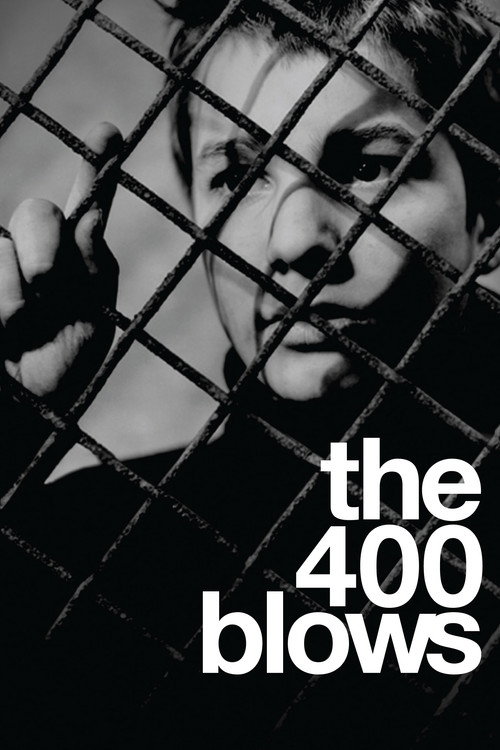
The 400 Blows1959
Truffaut's definitive portrait of teenage alienation: a boy adrift in Paris, stealing, lying, running. It has the same documentary naturalism and heartbreak as Black Peter, but turned up to tragedy.
But The boy's circumstances are harsher and the tone far grimmer. If you want comedy mixed in with your coming-of-age, this commits entirely to melancholy.
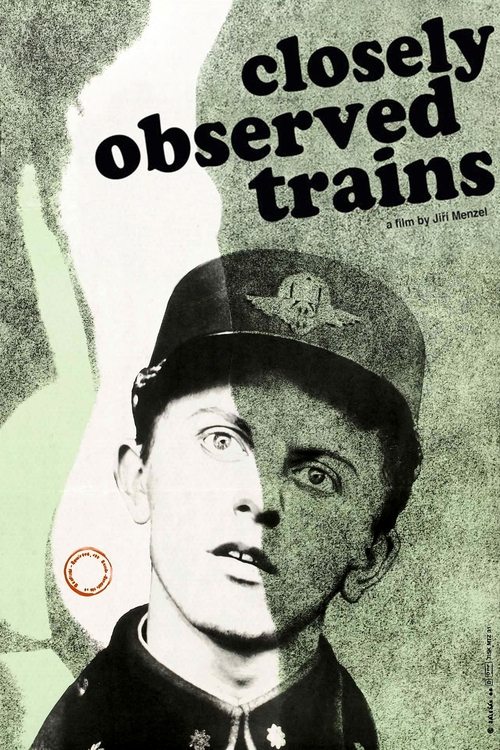
Closely Watched Trains1966
Another Czechoslovak New Wave gem about a young railway worker navigating small-town life, authority, and desire. Shot with the same eye for awkward comedy in everyday failure, same Eastern European wit.
But It moves slower and requires patience for its dark humour to land. The sexual content may feel dated, though not inappropriately so.
Kes1970
Ken Loach's portrait of a working-class boy and a hawk he trains. Both films find dignity in marginal lives and use small moments—a lesson, a task, a conversation—to say something huge about class and belonging.
But It's British and grittier, with a bleaker ending. Less comedic warmth; more social anger, though both are present.

Not sure tonight? Get a pick in a minute, starting from Black Peter
The wildcard
Something you would not have found on your own.
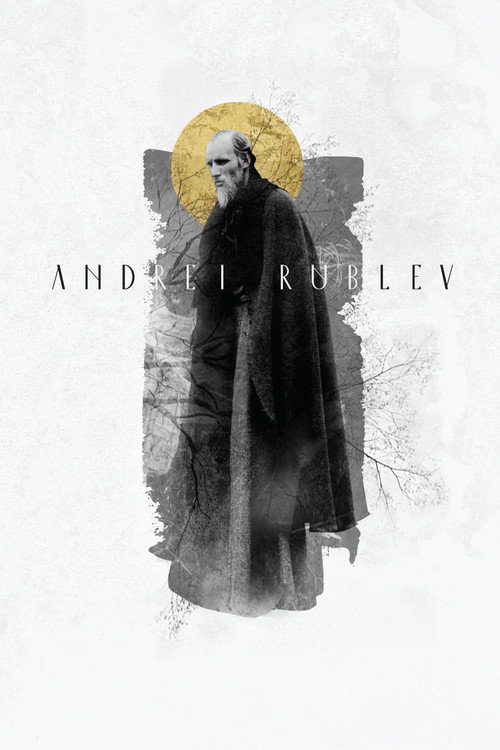
Andrei Rublev1966
Both are about a young person's initiation into a world that isn't built to honour what they are. One finds comedy in that collision; the other finds tragedy and transcendence. Both are precise about the cost.
Tarkovsky's three-hour meditation on an icon painter's doubt and silence in medieval Russia. Formally opposite to Black Peter—long, painterly, mystical—but united by the same question: what does a young person do when the world demands compromise?
But It's deliberately slow, abstract, and metaphysical. If Black Peter's naturalism appeals to you, this might feel forbiddingly austere. Requires serious patience.
More like this (5)
Bicycle Thieves1948
A father and son move through Rome searching for a stolen bicycle. Like Black Peter, it's interested in how ordinary people navigate small systems that don't bend for them, shot with neorealist clarity and heartfelt restraint.
But It's older and Italian, so the pacing and emotional register feel different. No teenage voice; an adult's desperation instead.

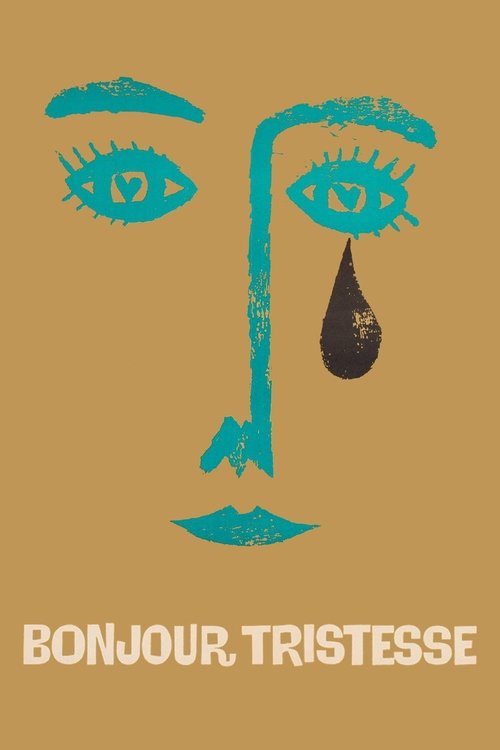
Bonjour Tristesse1958
A teenage girl narrates a summer with her father on the Riviera, caught between adult desires and her own confusion. Like Black Peter, it's interested in adolescence as a moment of exposure, with sharp-eyed comedy mixed in.
But It's set in wealth and leisure rather than work and struggle, so the texture is entirely different. French rather than Czech sensibility too.
Moonlight2016
Three sections of a boy's life in Miami, each shot with observational tenderness. It captures that documentary precision about how little moments—a conversation, a gesture—shape who we become.
But It's elliptical and asks a lot from viewers. Plotwise, very little happens; it's all mood and implication. Some find it distant.

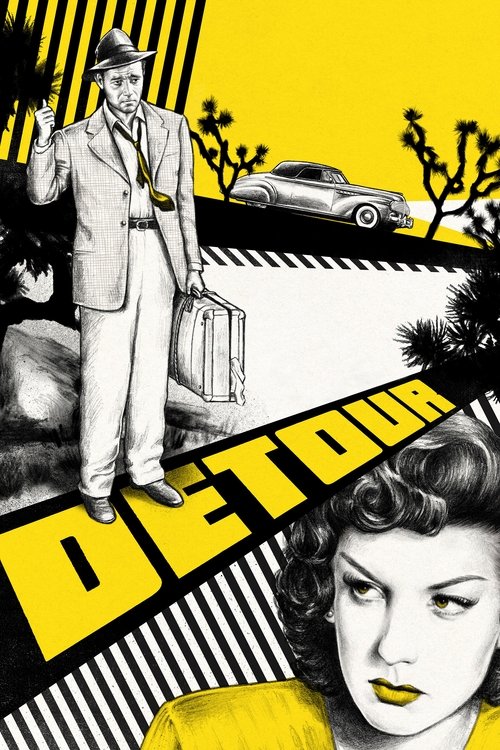
Detour1945
A young man's few days spiral from bad to worse as small choices compound. Tight, fatalistic, and weirdly darkly comic about how quickly a life can derail through circumstance and minor weakness.
But It's a noir from Hollywood's B-picture era, so the style is expressionistic rather than naturalistic. Very different register entirely.
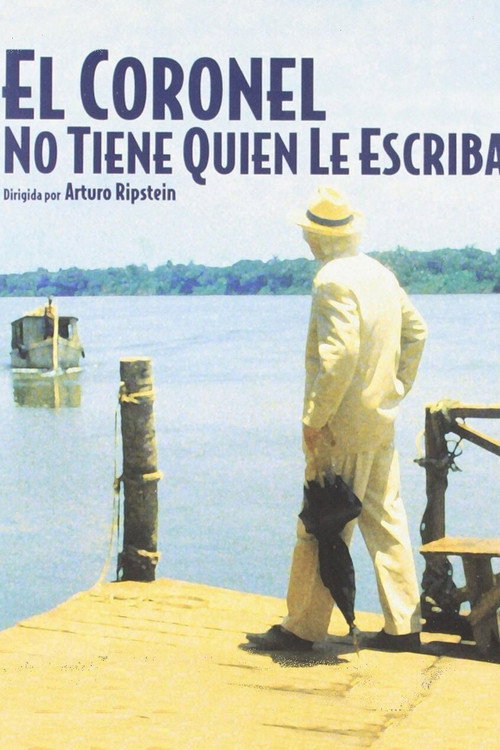
No One Writes to the Colonel1999
Black Peter watches a teenager enter a system that doesn't see him. This watches an old man exit it, having never been seen either. Same eye for how ordinary people move through structures that disregard them. Both find humour in dignity meeting indifference.
García Márquez adapted by Arturo Ripstein: an old man and his wife wait for a pension that never comes, inhabiting a Colombian town where time is stalled and dignity is all they have left. Quiet, precise, and devastatingly funny about powerlessness.
But It's slow and melancholic. Latin American cinema, so the rhythm is deliberate. No plot in the conventional sense—just two people and a day. Some find it static.
People
Cast
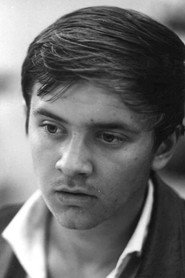 Ladislav JakimPetr
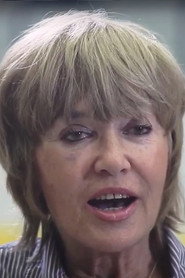 Pavla MartínkováPavla
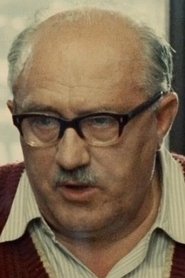 Jan VostrčilPetr's father
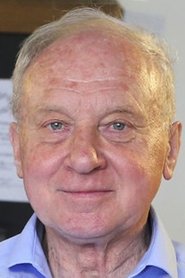 Vladimír PucholtČenda
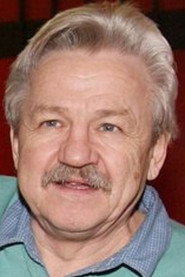 Pavel SedláčekLáďa
- Zdeněk KulhánekZdeněk
- František KosinaShop manager
- Josef KozaMason master
- Božena MatuškováPetr's mother
- Antonín PokornýSuspicious customer
- Jaroslav KladrubskýStockkeepper
- Františka SkálováShoplifter
Directing
- Miloš FormanDirector
- Ivan PasserFirst Assistant Director
- Lilian HavlíčkováScript Supervisor
Writing
- Vladimír BorCreative Producer
- Jaroslav PapoušekScreenplay
- Miloš FormanScreenplay
- Jaroslav PapoušekStory
- Miloš FormanStory
Production
- Jiří ŠeborExecutive Producer
- Rudolf HájekProduction Manager
- Antonín KubovýUnit Manager
- Jaroslav VlkUnit Manager
- Jiří UlrichUnit Manager