
Film
No One Writes to the Colonel
- Drama
- Very dark
- Slow-burning
A devastating portrait of a retired colonel living in a Colombian port town, sustained by the ritual of waiting for a pension that will never arrive. Adapted from García Márquez, it's a film about dignity, grief, and the quiet ways people endure when hope is all they have left. Spare, mournful, achingly human.
Should you watch it?
Watch it if you like slow, bleakly funny stories where dignity and small-town humiliation sit side by side, and you don't mind a film that circles one stubborn man rather than building toward a plot.
Skip it if the pace is deliberately glacial and the central situation barely moves, so if you need momentum or a clear story arc, the repetition will wear you down.
What it asks of you: Roughly two hours of patient, unhurried watching, with long silences and small humiliations stacked up until the mood settles over you.
Not sure? Find tonight's pick in a minute.
If you liked this
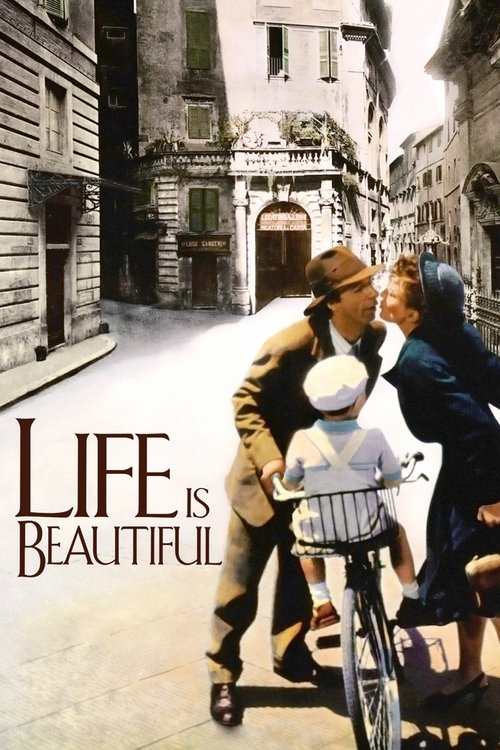
Life Is Beautiful1997
Benigni's father uses imagination and humor to shield his son from concentration camp horrors. Like the Colonel, it finds profound humanity in impossible circumstances, refusing despair without denying pain.
But The tonal balance between comedy and atrocity may feel manipulative to some. It's emotionally orchestrated rather than rough.
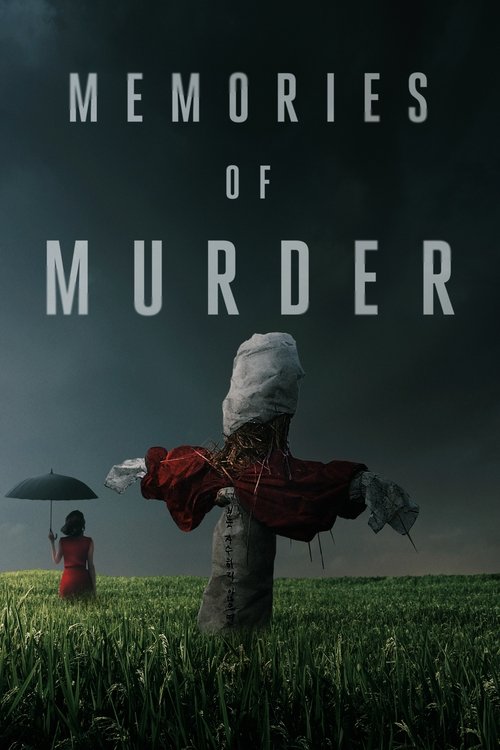
Memories of Murder2003
A grim Korean masterpiece about a detective chasing a serial killer through corruption and futility. Both films share an atmosphere of slow suffocation, where systems fail ordinary people.
But Bleak and procedural. No catharsis, no comfort. Some find it more punishing than illuminating.
Ikiru1952
Kurosawa's masterwork: a dying bureaucrat searches for meaning in a life wasted on meaningless work. It matches the Colonel's quiet reckoning with mortality and the human need for purpose.
But At over two hours, it moves with deliberate slowness. The pacing itself is part of the point, but impatient viewers will feel it.

Not sure tonight? Get a pick in a minute, starting from No One Writes to the Colonel
The wildcard
Something you would not have found on your own.
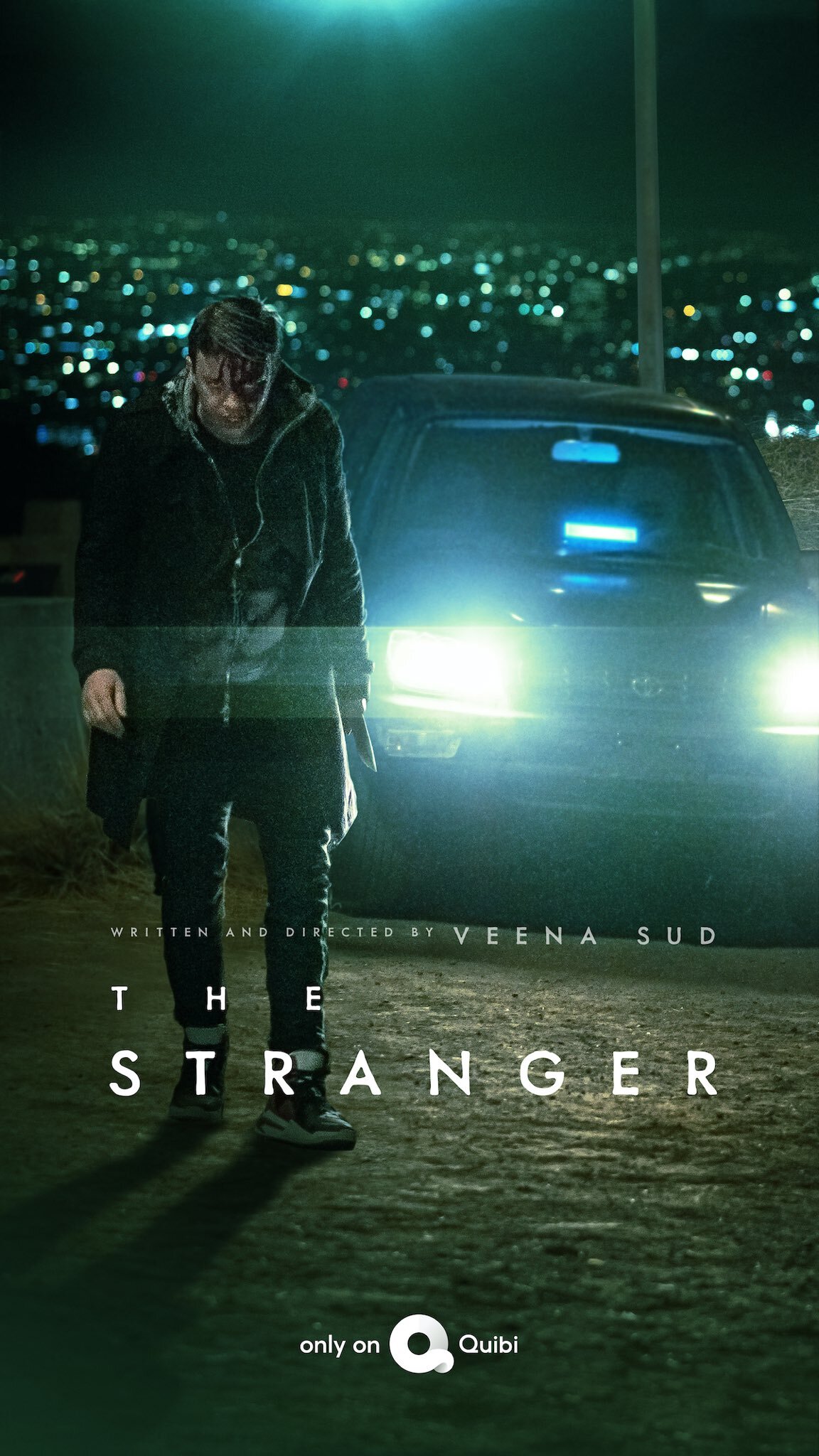
The Stranger2020
Both explore how communities contain dark secrets and how the powerful blind themselves to suffering they don't want to see.
A 2022 limited series about a recluse who ignites chaos in a small town with a terrible secret. Shares the Colonel's setting—a tight-knit community where everyone knows everyone—and explores how people live beside unbearable truths.
But British mystery-thriller, quite different in genre and pace. Viewers seeking another García Márquez adaptation will be surprised by the genre shift.
More like this (8)
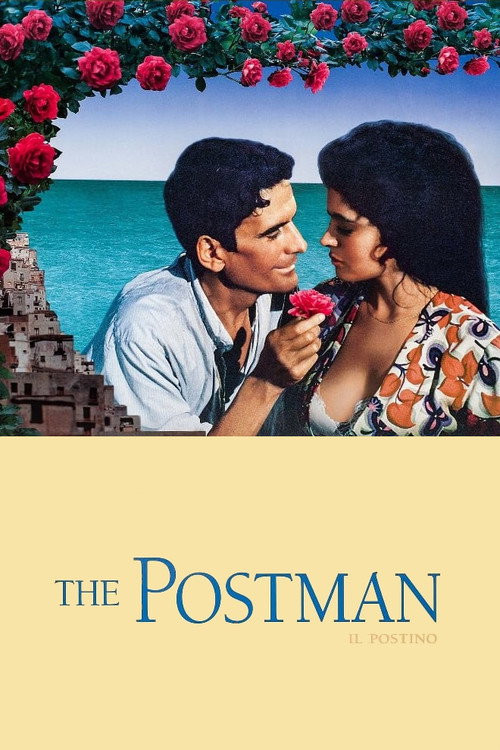
The Postman1994
Massimo Troisi's gentle fable about a mailman and the poet Pablo Neruda. Shares the Colonel's setting (a remote seaside place), its portrait of economic hardship, and faith in human connection.
But Whimsical and fable-like where the Colonel is austere. Some find its sweetness saccharine compared to harder realities.
Bicycle Thieves1948
The neo-realist foundation: a father and son search Rome for a stolen bicycle, unable to afford another. The Colonel's world—where small losses are catastrophic—finds its ancestor here.
But Shot in documentary style with non-actors, it can read as shapeless to viewers accustomed to tighter narratives.

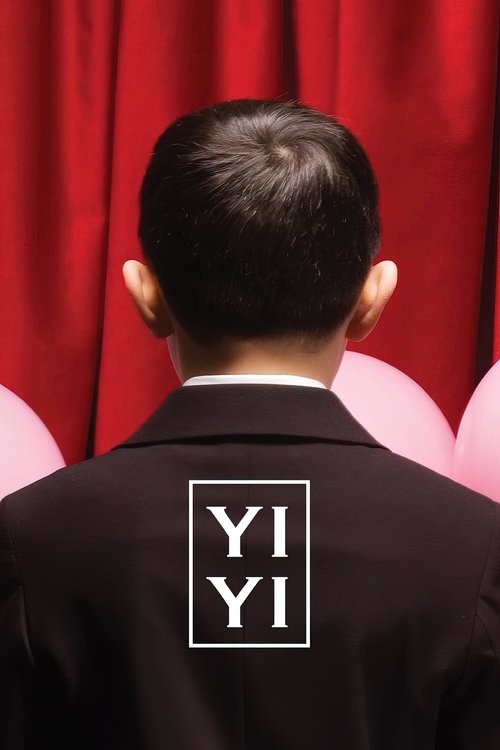
Yi Yi2000
Edward Yang's three-hour meditation on a Taipei family over two years. Like the Colonel, it observes how people live with disappointment, mortality, and the gap between hope and reality.
But Deliberately paced, episodic, without conventional plot momentum. Requires patience and tolerance for ambiguity.
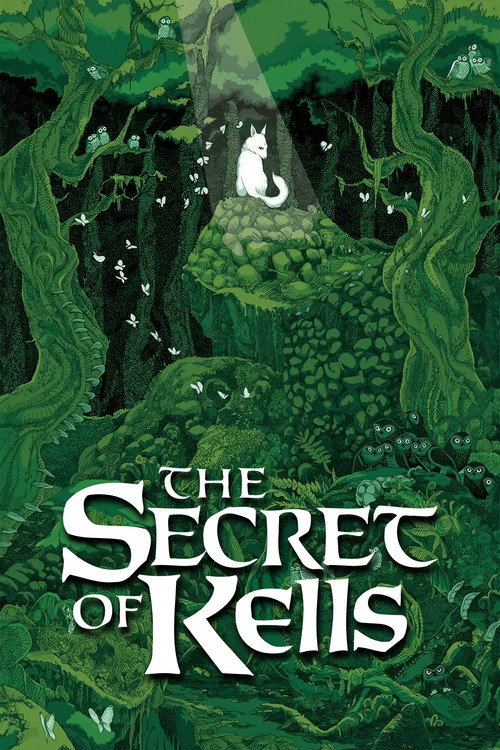
The Secret of Kells2009
An Irish animated folk-tale about grief, loss, and the consolations of beauty. Hand-drawn, luminous, and animated in a way that heightens rather than softens its melancholy.
But A fantasy adventure where you might expect drama. The animation may read as lightweight to viewers seeking social realism.
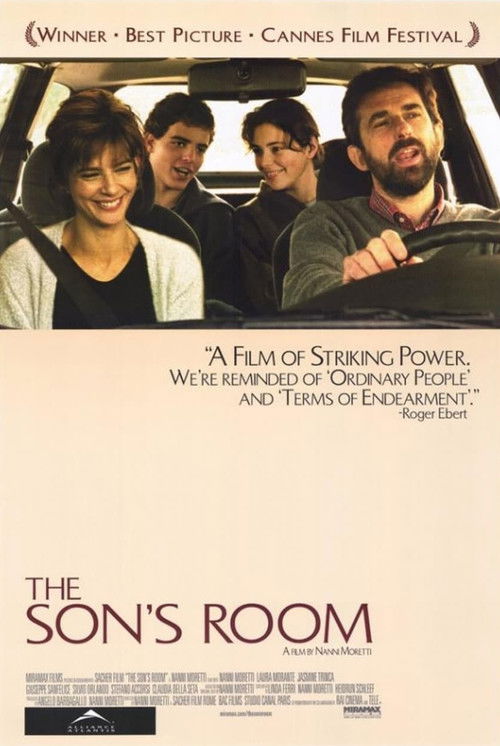
The Son's Room2001
Nanni Moretti's chamber piece about a psychoanalyst's family after their teenage son drowns. An unflinching portrait of grief without sentimentality, shared with the Colonel's emotional restraint.
But Italian, interior, and emotionally sparse. It values what is *not* said, which some find frustrating rather than powerful.
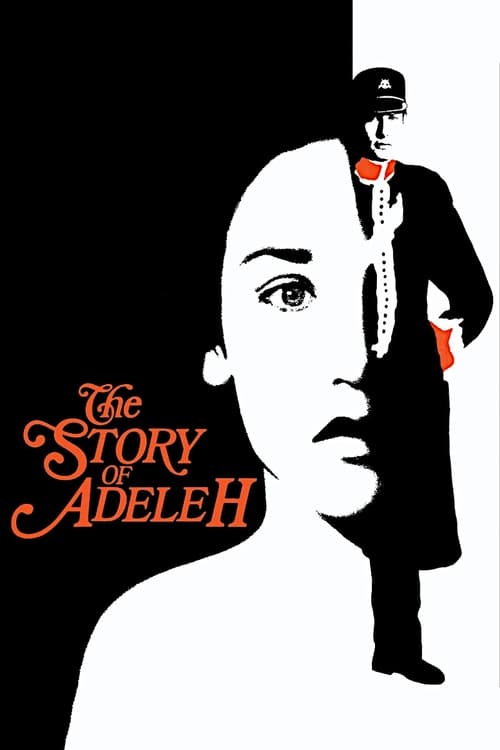
The Story of Adèle H.1975
Truffaut's study of obsession: the daughter of Victor Hugo pursues a British officer across the world, consumed by a hope that will never be fulfilled. The grammar of futile waiting translated to romance.
But Elliptical and repetitive by design, to mirror Adele's fixation. Some experience that repetition as tedious rather than hypnotic.
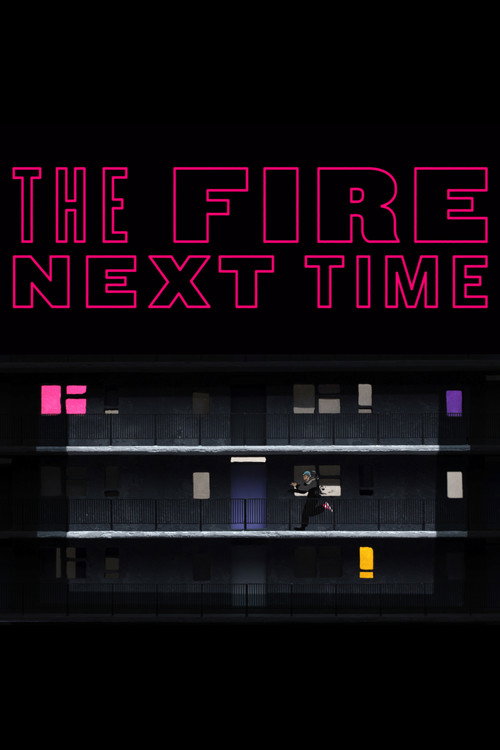
The Fire Next Time2020
Both are meditations on waiting—the Colonel waits for what will not come; the film observes humanity waiting passively for catastrophe. Same human reflex, opposite direction.
A documentary essay by Harun Farocki about climate collapse, memory, and inaction. Visual and philosophical, it asks why we cannot move toward what we see coming—an inversion of the Colonel's forward-looking paralysis.
But Experimental documentary, more essayistic than narrative. Dense and visual rather than traditionally dramatic. Requires active attention.
In the Mood for Love2000
Both films understand that the deepest drama occurs in what is *not* said and *not* done. Both find tragedy in restraint, in the chasm between feeling and action.
Wong Kar-wai's ravishing Hong Kong melodrama: two neighbors discover their spouses are having an affair and fall into quiet longing for each other. Sumptuous and aching, built from gesture and glance rather than plot.
But Glacially paced, more mood-painting than narrative. If you need clear story progression, its repetitive scenes of hallway encounters will frustrate you.

People
Cast
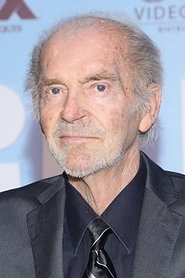 Fernando LujánEl coronel
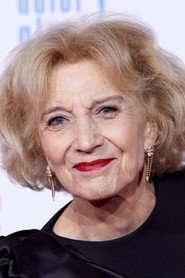 Marisa ParedesLola
 Salma Hayek PinaultJulia
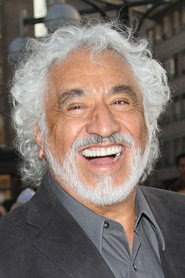 Rafael InclánPadre Ángel
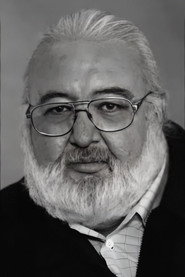 Ernesto YáñezDon Sabas
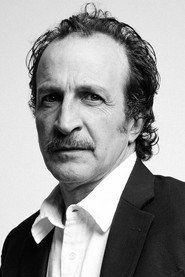 Daniel Giménez CachoNogales
 Esteban SoberanesGermán
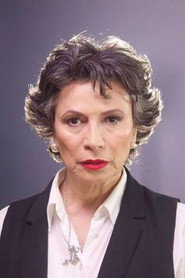 Patricia Reyes SpíndolaJacinta
 Eligio MeléndezSotero
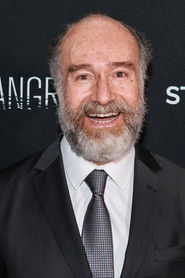 Odiseo BichirDr. Pardo
 Julián PastorLugones
- Eugenio LoboÁlvaro
Directing
- Mayra SeguraAssistant Director
- Arturo RipsteinDirector
- Mariana GironellaScript Supervisor
- Hugo GutiérrezSecond Assistant Director
- Nela FernándezSecond Assistant Director
Writing
- Gabriel García MárquezNovel
- Paz Alicia GarciadiegoScreenplay
Production
- Manuel TeilCasting
- Gerardo HerreroCo-Producer
- Thierry ForteCo-Producer
- Laura ImperialeExecutive Producer
- Mariela BesuievskyExecutive Producer
- Jorge SánchezProducer
- Carlos A. MoralesProduction Assistant