
Film
Gulliver's Travels
Other titles called Gulliver's Travels: the 2010 film.
- Action
- Light-hearted
Fleischer Studios' 1939 adaptation of Swift's tale, rendered in lush Technicolor with a score that dominates the film. Gulliver arrives in Lilliput to prevent war and bless a cross-kingdom romance. It's more operetta than adventure—long musical numbers, lavish animation, gorgeous but slow. For anyone curious about pre-Disney animation or the Fleischer aesthetic at its most ambitious.
If you liked this
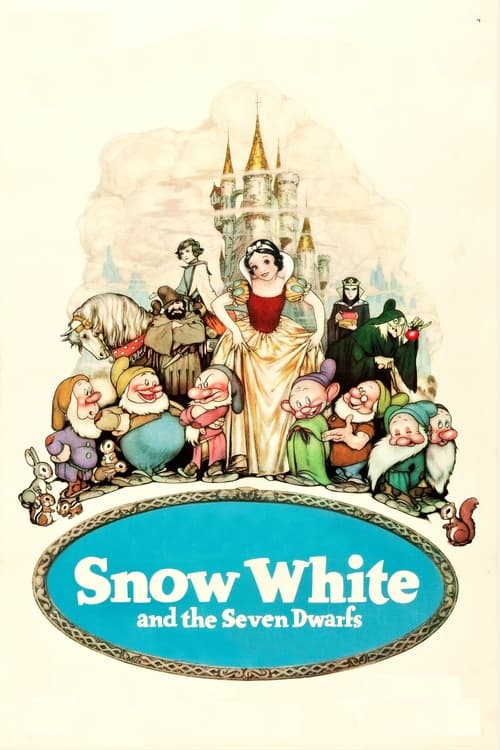
Snow White and the Seven Dwarfs1937
Disney's landmark, and the natural point of comparison: both feature-length animated fantasies released within two years, both lush in colour and ambition, both trying to prove animation could carry a full narrative.
But Snow White is leaner, faster, and more emotionally direct. Gulliver lingers on musical numbers in ways that feel indulgent by comparison.
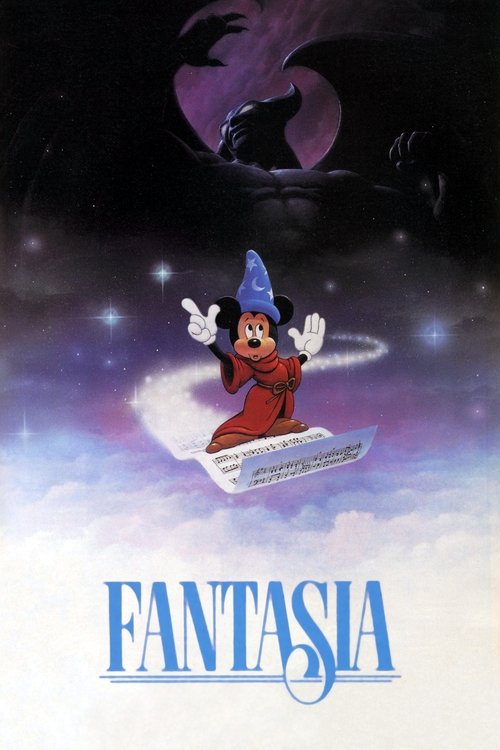
Fantasia1940
Another 1930s–40s ambition: animation paired with orchestral music as a complete artistic statement. Both films trust their audience to sit with passages of pure spectacle and song rather than constant plot momentum.
But Fantasia is even more abstract and patient. If Gulliver's pacing tests you, this will test you harder.
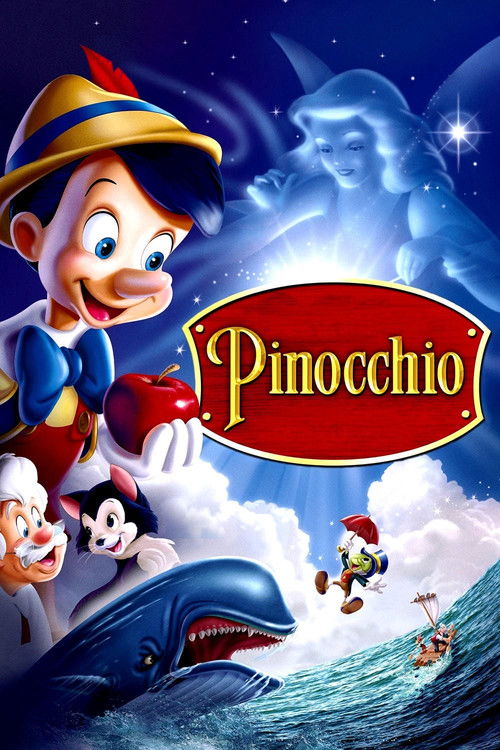
Pinocchio1940
Released a year after Gulliver, it shares the same era's belief in animation as high art and moral fable. Darker and stranger than people remember, with technical ambition to match Gulliver's.
But Pinocchio is more tonally unsettling and less musically prominent. If you're drawn to Gulliver's songs, this offers less comfort.
Not sure tonight? Get a pick in a minute, starting from Gulliver's Travels
The wildcard
Something you would not have found on your own.
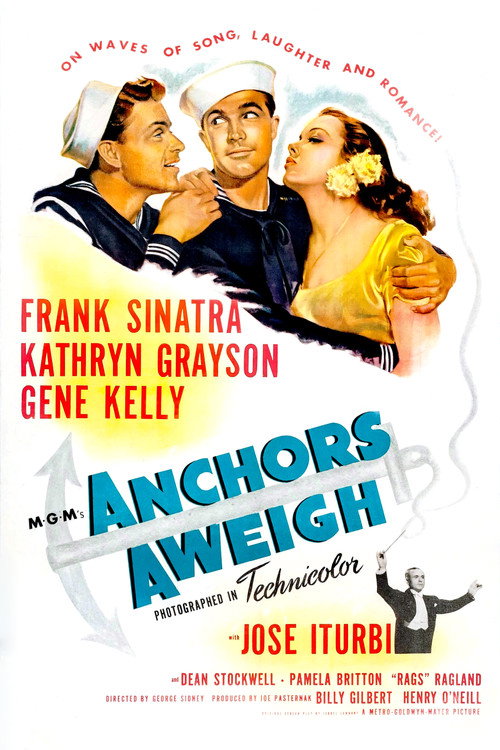
Anchors Aweigh1945
Both films are experiments in mixing animation with music and spectacle as co-equal elements of storytelling. Both trust that the human eye can follow and enjoy long passages where plot stops for pure visual performance.
A live-action MGM musical where Gene Kelly dances with an animated mouse (and briefly a mermaid) designed by the Fleischer team. It's the inverse: live actors learning to move inside cartoon logic instead of cartoons learning to move like humans. Gorgeously strange.
But It's a different beast entirely—a Hollywood spectacle, not a storybook. The live-action framework is glossy in a way that might feel thin if you're drawn to Gulliver's fairy-tale texture.
More like this (8)
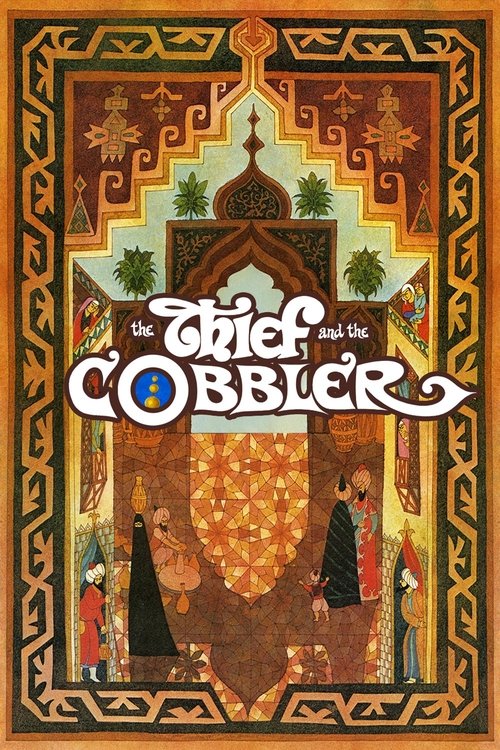
The Thief and the Cobbler1993
An animator's fever dream of a film, drowning in visual detail and hand-drawn excess. Like Gulliver, it's willing to sacrifice forward momentum for the sake of a single gorgeous frame or sequence.
But It's deliberately fragmented and narrative becomes almost optional. Some find it beautiful; others find it exhausting.
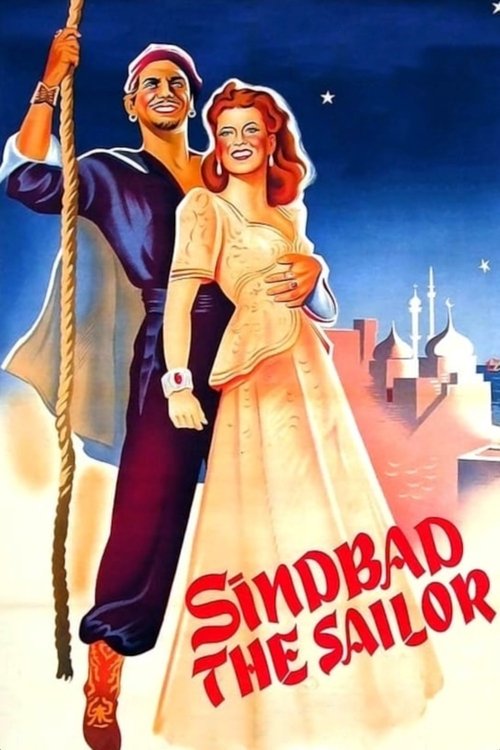
Sinbad the Sailor1947
A Fleischer Studios production (well, Famous Studios under the Fleischer banner), so it shares DNA with Gulliver—same grotesque character design, same willingness to make fun surreal. More adventure than operetta.
But By 1947, the Fleischer style was already fading into anachronism. It looks strange next to what Disney and Warner Bros. were doing.
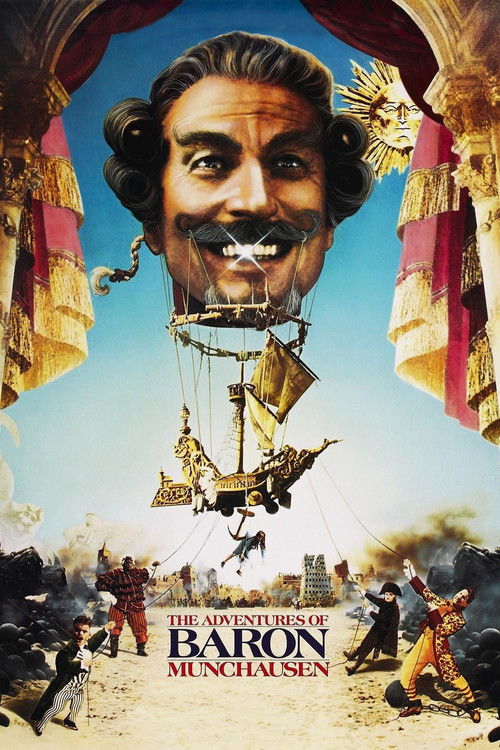
The Adventures of Baron Munchausen1988
Terry Gilliam's visual excess applied to a similar tall-tale structure. Like Gulliver, it's more interested in how things look and feel than in propulsive storytelling, and it revels in being ornate.
But Gilliam's style is aggressively artificial in a way that reads as steampunk rather than storybook. The tones couldn't be further apart.
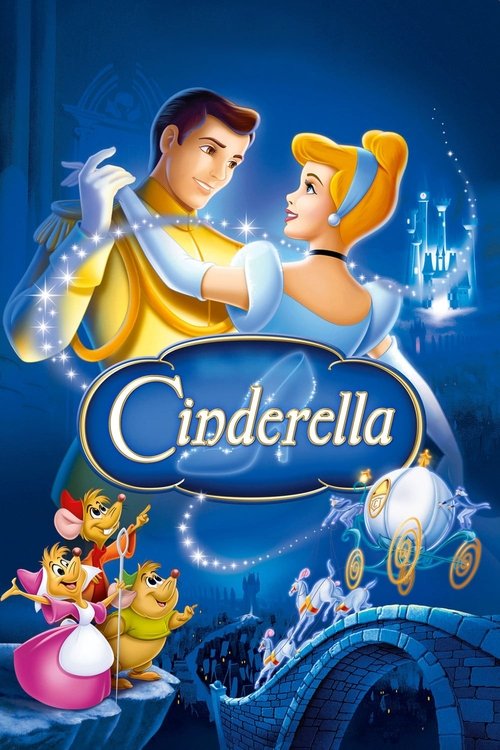
Cinderella1950
By the 1950s, Disney had refined the formula that Gulliver experiments with. Smoother, faster, more assured. It's what Gulliver was reaching toward, executed with a decade's hindsight.
But This is the safe version. Once you've seen it, Gulliver's rough edges and strange pacing actually become more interesting.
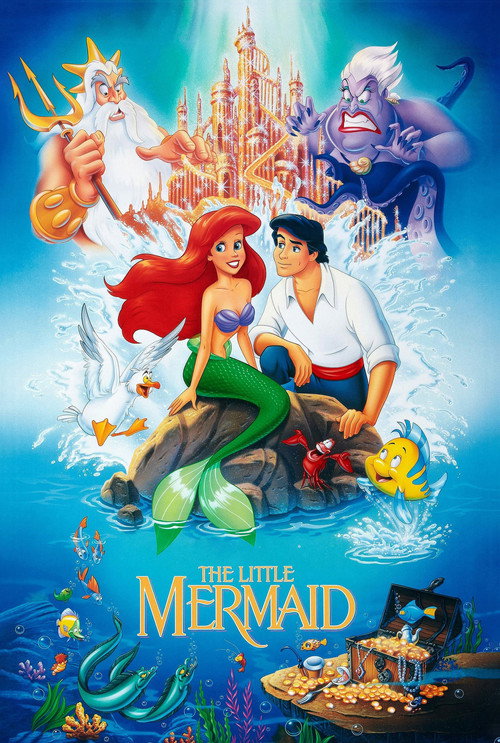
The Little Mermaid1989
Another Fleischer alumnus (Howard Ashman, who grew up on this era) brings operetta back to animation. Songs that drive character and plot, not just pause it. Proof that the approach works when executed with modern technique.
But Watching The Little Mermaid first will make Gulliver seem slow and ponderous by contrast.
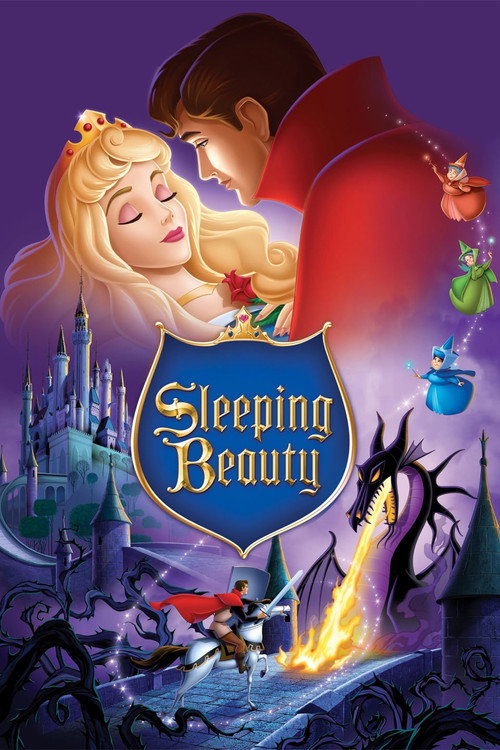
Sleeping Beauty1959
The last gasp of the hand-drawn Disney approach Gulliver pioneered—lavish, expensive, willing to sit with atmosphere over plot. A spiritual descendant, made by people who knew what they were doing.
But It's the polished version of everything Gulliver tries. Hard to go backward after you've seen the perfected form.
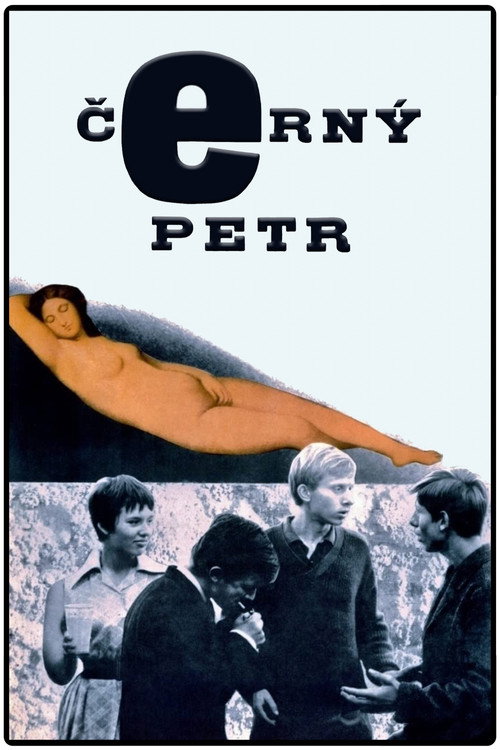
Black Peter1964
Both films center on an outsider (Gulliver the giant, Peter the awkward adolescent) whose arrival forces a small society to confront itself. Both are fascinated by social hierarchy and the absurdity of rules when one person doesn't fit the system.
Miloš Forman's debut: a documentary-realist Czech film about a teenage boy, utterly at odds with Gulliver's Technicolor operetta. But both are about a stranger disrupting a closed social order and the comic and tragic fallout that follows. Lean, sharp, human.
But It's austere and offers no comfort. The link is thematic rather than tonal—you're pivoting from one end of cinema to another.
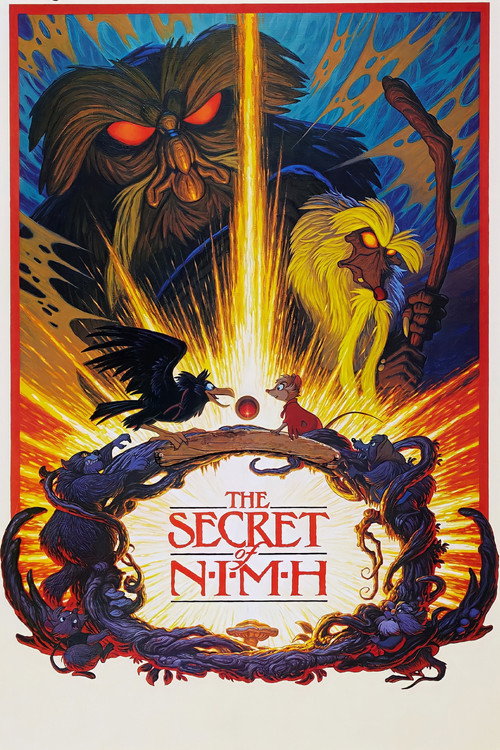
The Secret of NIMH1982
Both are pre-CGI animation made by artists who believed the form could hold adult complexity and technical mastery. Both films are hand-drawn love letters to what the medium could do when given resources and time.
Don Bluth's hand-drawn epic, full of the technical ambition and visual care of the Fleischer era but leaner and more purposeful. Animation as high craft, not as spectacle for its own sake. Gorgeous and urgent.
But It's darker and faster, driven by genuine stakes rather than charm. If you loved Gulliver's tone of goodwill and musical comedy, this will feel severe.
People
Cast
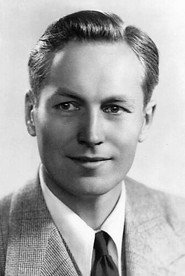 Lanny RossPrince David (singing voice)
- Sam ParkerGulliver (voice)
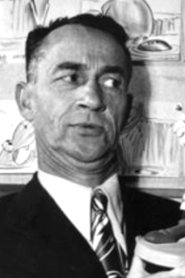 Pinto ColvigGabby (voice) (uncredited)
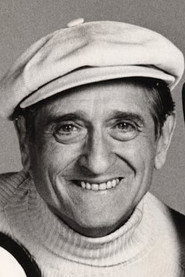 Jack MercerKing Little (voice) (uncredited)
- Cal HowardPrince David (voice)
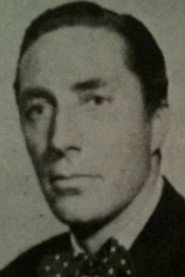 Tedd PierceKing Bombo (voice)
- Livonia WarrenPrincess Glory (voice)
- Jessica DragonettePrincess Glory (singing voice)
- Max SmithSinger (voice) (uncredited)
- Gus WickeVarious (voice) (uncredited)
Directing
- Dave FleischerDirector
- Willard BowskyDirector
Writing
- Jonathan SwiftNovel
- Cal HowardScreenplay
- Dan GordonScreenplay
- Edmond SewardScreenplay
- Izzy SparberScreenplay
- Tedd PierceScreenplay
- Edmond SewardStory
Production
- Max FleischerProducer
Recommended by
The 5,000 Fingers of Dr. T., Jack Frost, Heidi, Jungle Boy, The Heckle and Jeckle Show, Betty Boop's Bamboo Isle