
Film
Heidi
Other titles called Heidi: the 1937 film, the 2015 film.
A 1968 Swiss-German adaptation of Johanna Spyri's beloved novel about a spirited orphan girl who thaws her estranged grandfather's heart in the Alpine mountains. Visually stunning, tenderhearted without being saccharine, and genuinely touching. Perfect for family viewing that doesn't talk down to children or adults.
Should you watch it?
Watch it if you love gentle, old-fashioned family storytelling where a prickly grown man slowly thaws under a child's stubborn warmth, and you don't mind a story that trusts sunlight, mountains and patience to do the work.
Skip it if you want brisk plotting or sharp modern edges; this moves at the unhurried pace of its alpine setting, and its sentiment is broad and sincere rather than ironic or subtle.
What it asks of you: It asks for a little over an hour and a half of unhurried watching, with long quiet stretches of landscape and small domestic moments, and a willingness to let warmth build rather than arrive.
Not sure? Find tonight's pick in a minute.
If you liked this
The Sound of Music1965
Another Alpine-set family classic with music, mountains, and a child's transformative arrival into a guarded household. Julie Andrews and Christopher Plummer have the same warm-cold dynamic as Heidi and her grandfather.
But The elaborate musical numbers and scale might feel quite different if you're after Heidi's quieter, more intimate mood. It's showier.
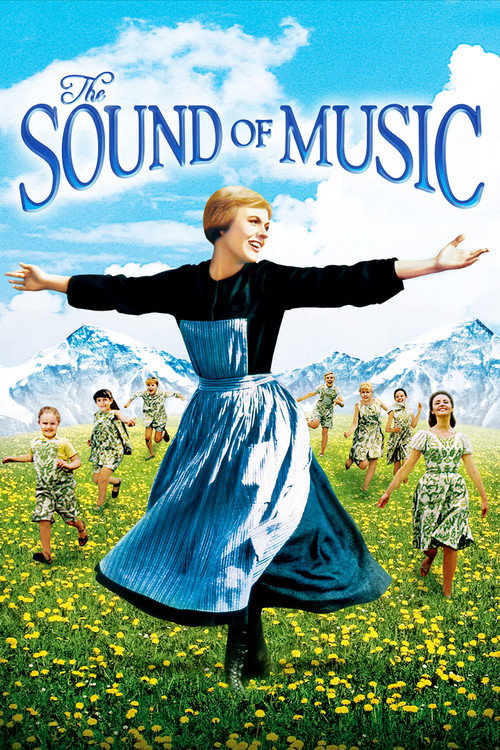
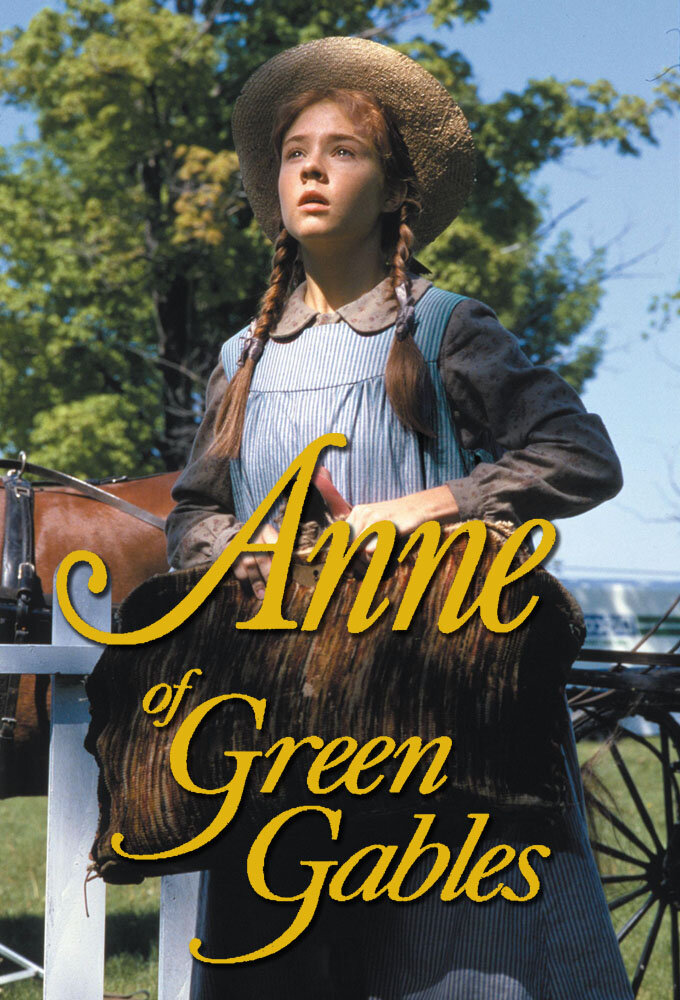
Anne of Green Gables1985
Same DNA: an orphaned girl with imagination and spirit softens a stern elderly guardian in a rural setting. Megan Follows brings the same infectious optimism, and the Canadian landscape mirrors Alpine beauty.
But It's a miniseries commitment, and some of the later seasons lose the early magic. The opening episodes are flawless, but patience is required.
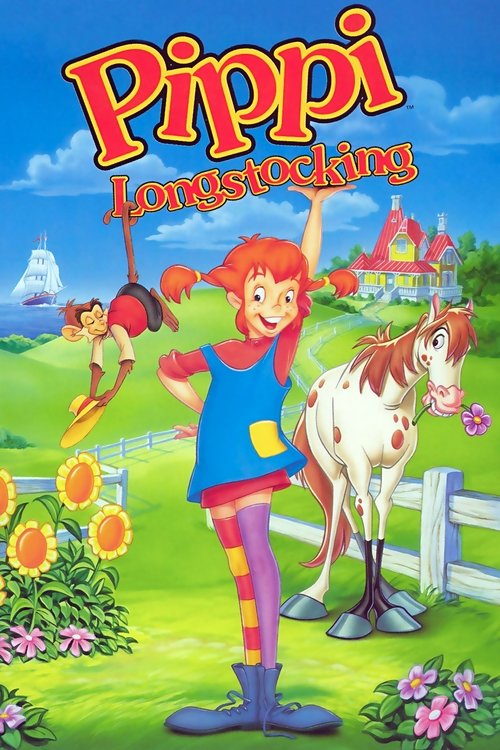
Pippi Longstocking1997
Another Swedish-language film about a fearless orphan girl who disrupts a staid household and wins hearts through sheer force of personality and goodness. Similar tone: anarchic but never mean-spirited.
But It's considerably wilder and more surreal than Heidi. If you want grounded emotional realism, this swings toward fanciful chaos.
Not sure tonight? Get a pick in a minute, starting from Heidi
The wildcard
Something you would not have found on your own.
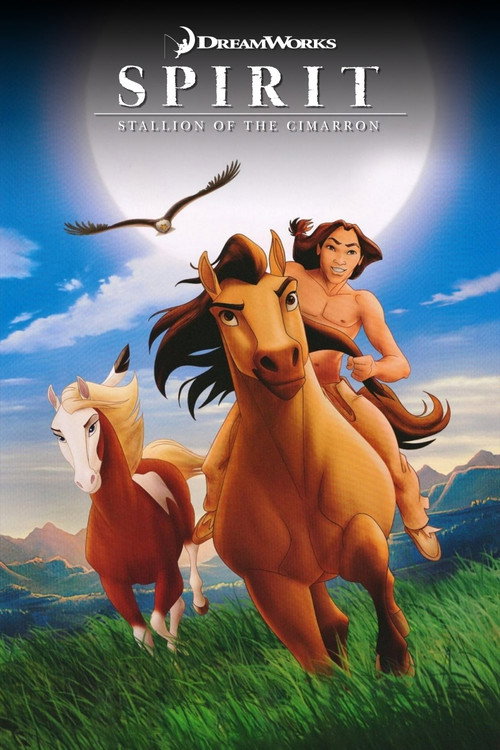
Spirit: Stallion of the Cimarron2002
Both films argue that connection and love need no words—they're built through presence, patience, and shared space. Wordless storytelling as emotional core.
An animated film about a wild horse and an indigenous boy forming connection in untamed landscape. Zero dialogue, purely visual storytelling. Like Heidi, it trusts silence and beauty to carry emotion; the horse-boy bond mirrors Heidi-grandfather tenderness.
But No spoken words means you're reading images and Hans Zimmer's score. If you need dialogue to follow a story, this will frustrate you. Animation style is CGI, not traditional.
More like this (7)
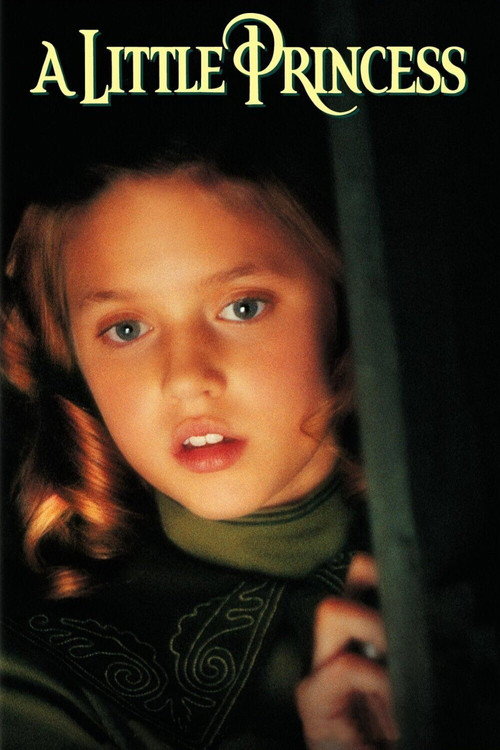
A Little Princess1995
Another orphan-girl story, exquisitely filmed, about kindness and resilience in a harsh institution. Frances Hodgson Burnett's gift for showing how children civilize the world around them shines through Tomas Bourdais's production.
But It's heavier—there's real suffering and injustice. The tone is more gothic and emotionally demanding than Heidi's gentler arc.
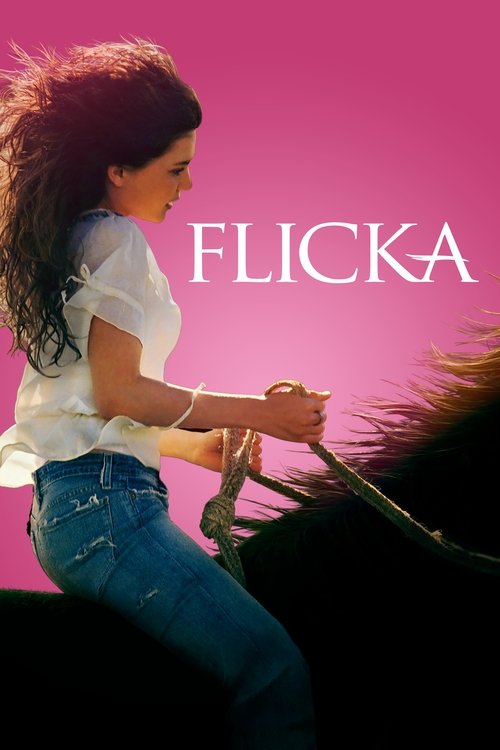
Flicka2006
A girl, a ranch, and a stern father learning to see her. It moves at Heidi's pace, values landscape as a character, and trusts that quiet moments matter. Good cinematography of wild spaces.
But The script is thinner and more predictable. It plays it safer, which means less memorable. Some scenes feel obligatory.
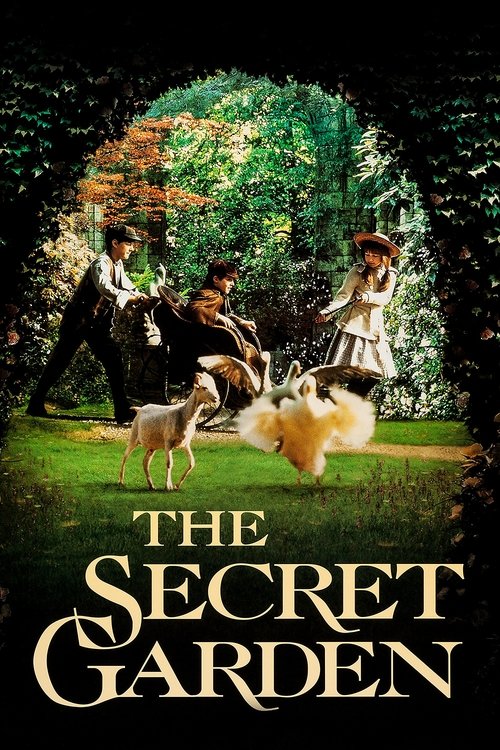
The Secret Garden1993
Orphans arriving at an isolated estate, gardens as emotional landscape, a household transformed by children's presence. Kate Maberly and Colin Firth capture the same sense of lonely people learning connection through youth.
But It's longer and more sprawling. The pacing is deliberately slow, and some viewers find the theatrical style dated.
National Velvet1945
A young girl and a horse in the English countryside; Elizabeth Taylor embodies the same determined kindness and imaginative spirit. Post-war British family film that genuinely earns its emotional beats.
But The horse subplot dominates, so it's not quite as character-focused as Heidi. And the horse racing climax divides audiences on whether it lands or feels manipulative.

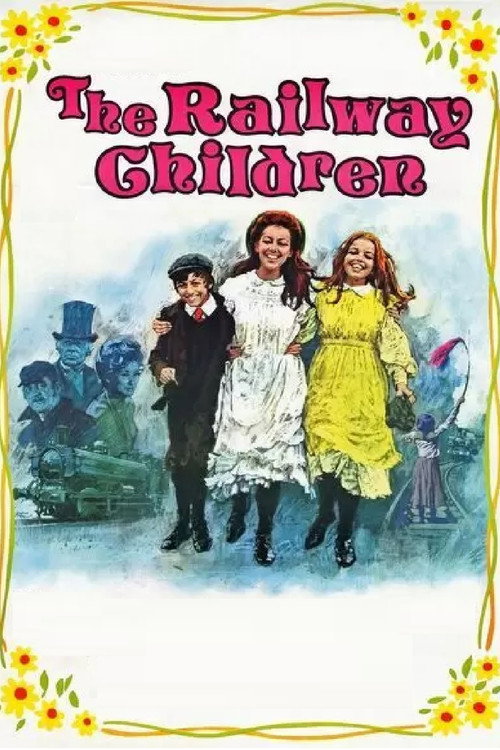
The Railway Children1970
Three orphaned siblings find home and purpose near a railway in Edwardian England. Like Heidi, it's about resilience, found family, and the way rural spaces heal. Warm without being saccharine.
But Multiple storylines mean less focus on any single emotional core. It's more episodic, which some find charming and others find meandering.
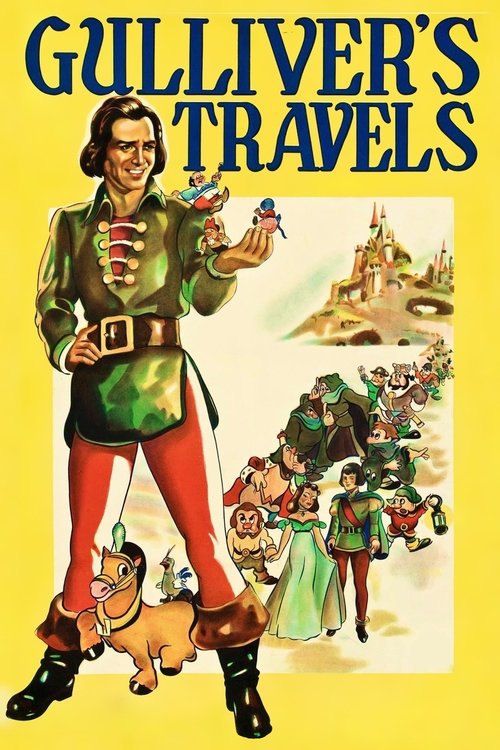
Gulliver's Travels1939
An early Fleischer Studios animated classic; different medium entirely, but shares Heidi's sense of wonder, journey, and a outsider finding kindness in an alien world. Stunning hand-drawn animation.
But It's quite dated visually, and the narrative is loose. If you want a tight three-act story, this won't satisfy. Animation style is decidedly retro.
La Haine1995
Both films locate moral beauty in ordinary people in difficult circumstances. Both use landscape—whether mountains or streets—as extension of character. Both trust the camera to tell the story, not plot.
French film about three young men in a banlieue, shot in black-and-white. Completely different setting and genre—urban, contemporary, violent—but shares Heidi's conviction that character and decency survive circumstance. Shot with visual poetry that makes landscape (here concrete, not Alps) into emotional truth.
But It's in French with subtitles, shot in harsh black-and-white, and the story ends badly. If you want comfort or resolution, this rejects it. Mathieu Kassovitz's film is about systems that don't allow happy endings.

People
Cast
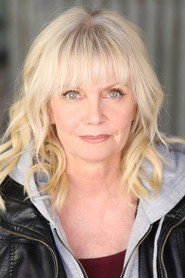 Jennifer EdwardsHeidi
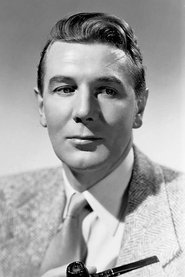 Michael RedgraveGrandfather
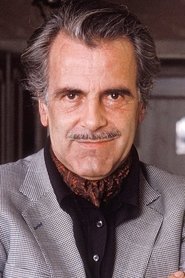 Maximilian SchellRichard Sessemann
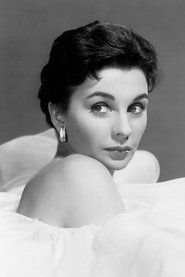 Jean SimmonsFrl. Rottenmeier
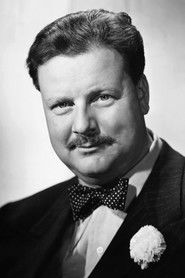 Walter SlezakFather Richter
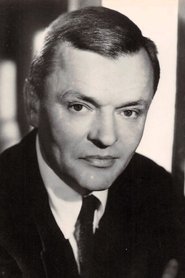 Peter van EyckDr. Bernd Reboux
- Zuleika RobsonKlara
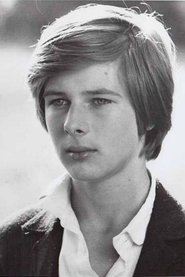 John Moulder-BrownPeter
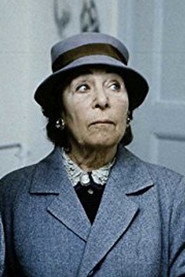 Elisabeth Neumann-ViertelGrandmother
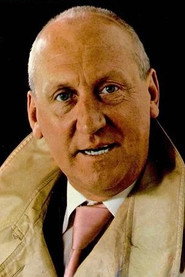 Karl LieffenSebastian
Directing
- Delbert MannDirector
Writing
- Johanna SpyriNovel
- Earl Hamner, Jr.Teleplay
Production
- Frederick BroggerProducer
- Gyula TrebitschProducer
- James FranciscusProducer