
Film
My Lover, My Son
- Drama
- Very dark
A 1970 psychological drama starring Romy Schneider as a woman trapped between a failing marriage and an illicit affair, watching her life unravel as her son becomes implicated in a violent crime. It's a tense, morally murky chamber piece that trades in uncomfortable family secrets and the consequences of desire. For viewers drawn to intimate character studies about complicity and maternal guilt.
If you liked this
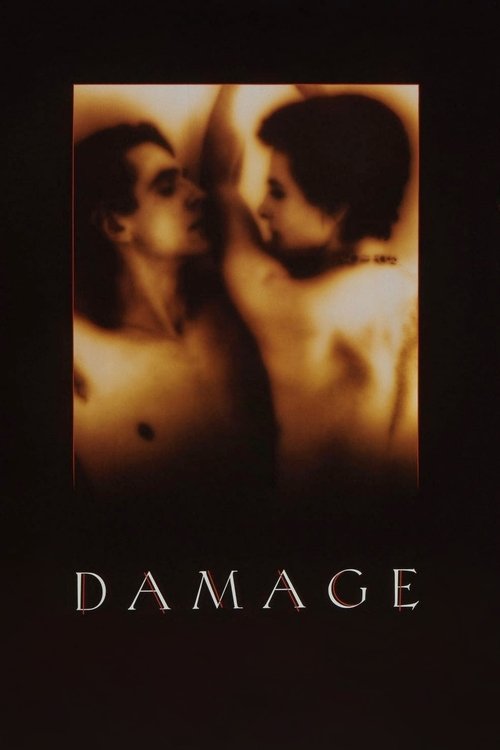
Damage1992
Jeremy Irons and Juliette Binoche navigate a corrosive affair that destroys everyone around it. Like My Lover, My Son, it's about how desire blinds us to the wreckage we cause, especially to those we claim to love most.
But The pacing is glacial and deliberately airless. If you need momentum or likeable characters, this will feel like watching paint dry.
Shame2011
Michael Fassbender in a film about sexual compulsion and family dysfunction that refuses to judge him neatly. Both films understand that people contain contradictions—you can be selfish and sympathetic simultaneously.
But Graphically sexual content. The film never lets you look away from uncomfortable material, which is the point but not everyone wants to sit with that.

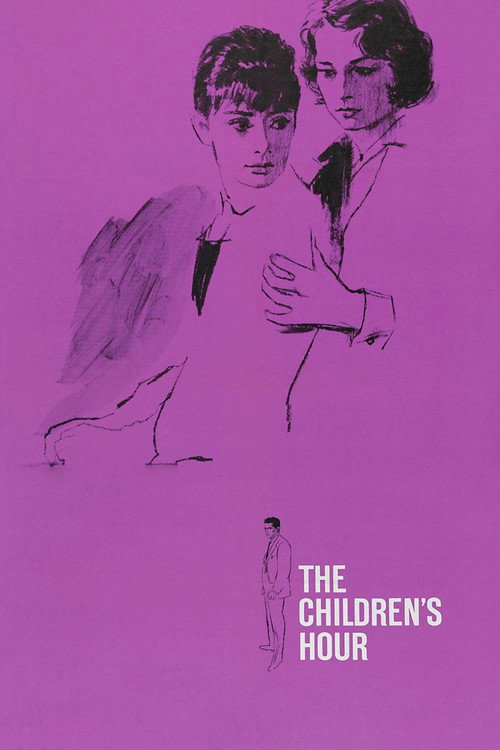
The Children's Hour1961
Audrey Hepburn and Shirley MacLaine in a drama about how a child's accusation can destroy lives, whether true or false. Both films examine how maternal bonds fracture under pressure and suspicion.
But The dialogue-heavy script feels stagey. Modern audiences sometimes find the pacing theatrical rather than cinematic.
Not sure tonight? Get a pick in a minute, starting from My Lover, My Son
The wildcard
Something you would not have found on your own.
Hiroshima Mon Amour1959
Both use illicit desire to explore guilt and complicity—personal betrayal echoing larger moral failures.
Alain Resnais' experimental film about two lovers meeting in the aftermath of war. Both films use the affair as a prism to examine how personal shame mirrors historical trauma and complicity. The structure—fragments, repetition, refusal of clear chronology—mirrors guilt itself.
But Demanding and avant-garde. The non-linear narrative and heavy philosophical content make this feel more like a poem than a plot. Patience required.

More like this (8)
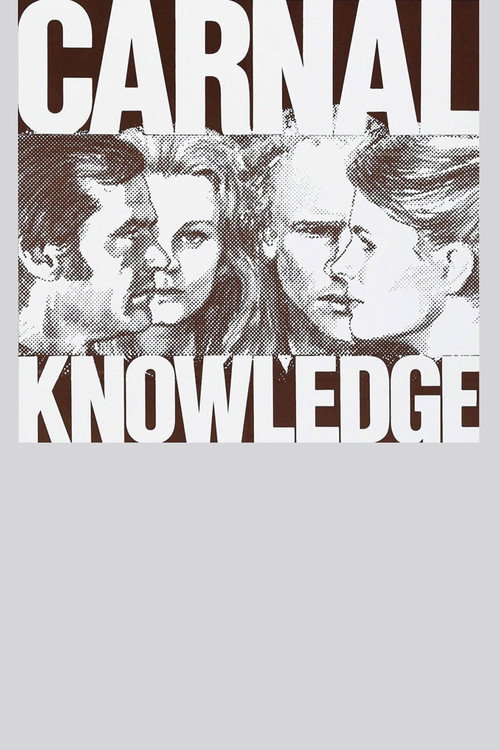
Carnal Knowledge1971
Mike Nichols' unflinching look at male sexuality and marriage, released the same year. It shares My Lover, My Son's refusal to provide moral comfort—these are people you understand but don't necessarily forgive.
But Explicit for 1971. Some found it offensive then and some still do. The sexual content isn't titillating; it's meant to disturb.
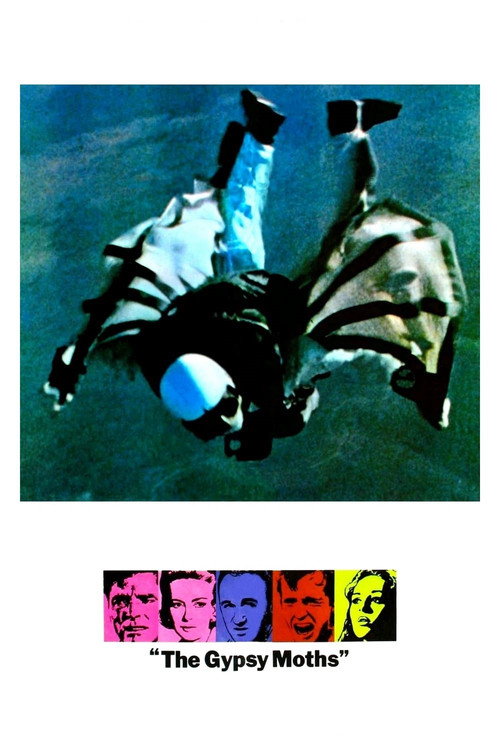
The Gypsy Moths1969
Burt Lancaster and Deborah Kerr in a film about a brief affair that upends everyone's stability. Both explore how passion destroys the domestic order and leaves collateral damage in its wake.
But It meanders; the elliptical plotting may feel aimless if you're looking for a tighter narrative.
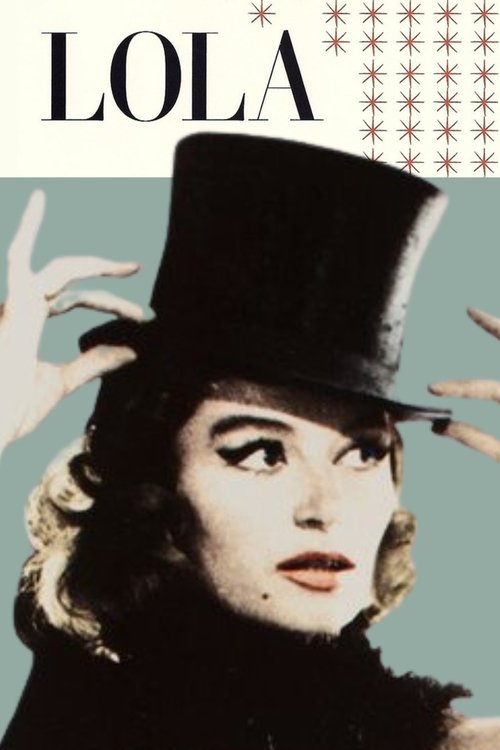
Lola1961
Jacques Demy's French drama about a woman caught between her past and present, desire and duty. It shares the same atmosphere of moral ambiguity and the weight of accumulated choices.
But Demy's style is operatic and artificial, which distances you from the characters' pain—some find it mannered rather than moving.
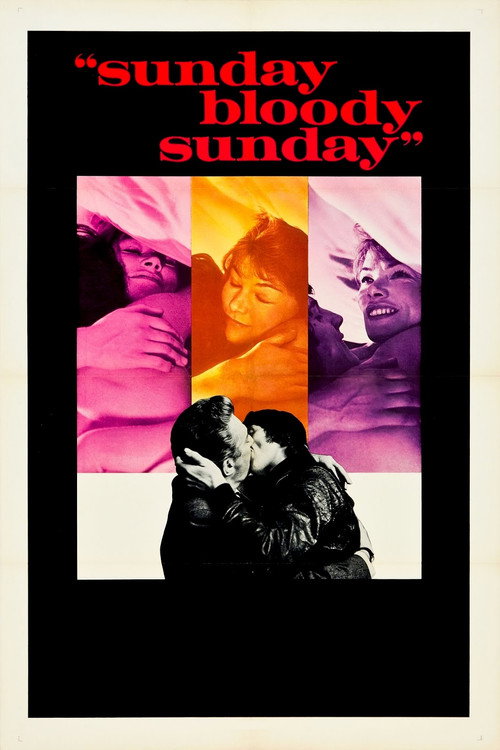
Sunday Bloody Sunday1971
John Schlesinger's film about a bisexual man caught between two lovers explores messy, non-conventional desire with surprising tenderness. Both films treat infidelity as human rather than scandalous.
But The romance elements may feel dated. Modern viewers sometimes see it as melancholic to the point of passivity.
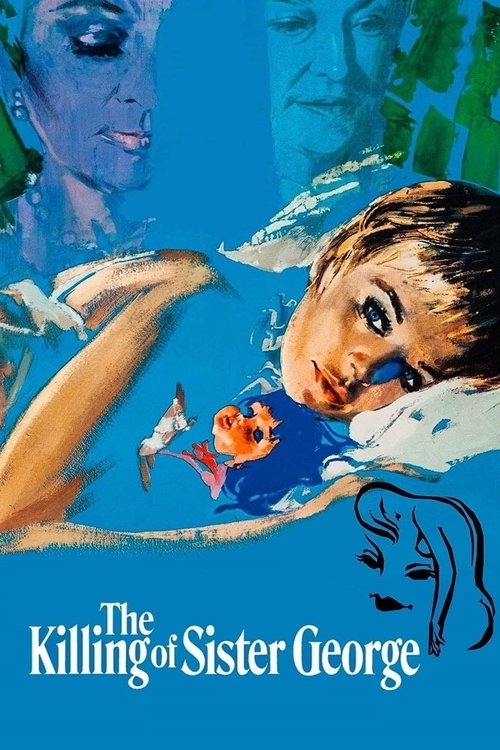
The Killing of Sister George1968
Susannah York and Beryl Reid in a taut psychological drama about power, dependency, and toxic intimacy. Both films understand how love can become a weapon in close relationships.
But Uncomfortable and bleak. There's no redemption arc, and the cruelty is relentless—some audiences find it punishing.
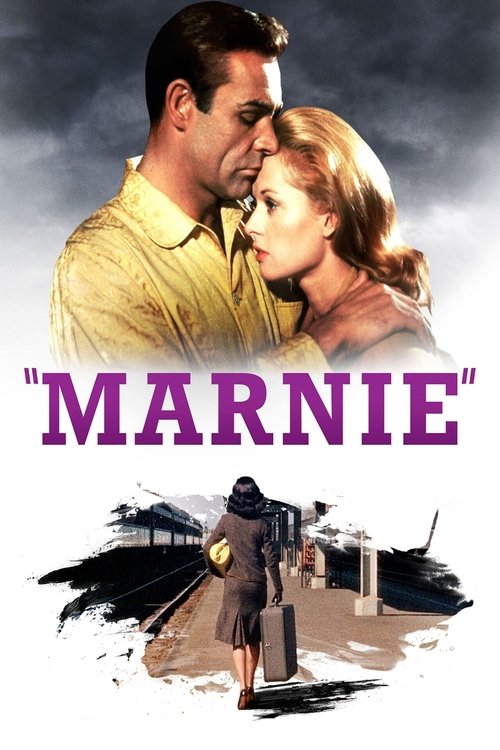
Marnie1964
Hitchcock's psychological thriller with Tippi Hedren as a woman whose past trauma shapes her present behaviour. Both examine how childhood wounds determine adult choices and relationships.
But The famous 'cure' scene and some gender politics haven't aged well. Modern viewers often find the sexual coercion angle troubling.
The Servant1963
Both are intimate dramas about moral rot within confined spaces—how desire and resentment twist relationships into something unrecognizable.
Joseph Losey's corrosive chamber piece about a master and servant whose relationship becomes inverted through manipulation and class resentment. Like My Lover, My Son, it's about how intimacy breeds power plays, and how the victim can become the perpetrator.
But The mood is suffocating and claustrophobic. Nothing is resolved; you leave feeling unsettled rather than cathartic.

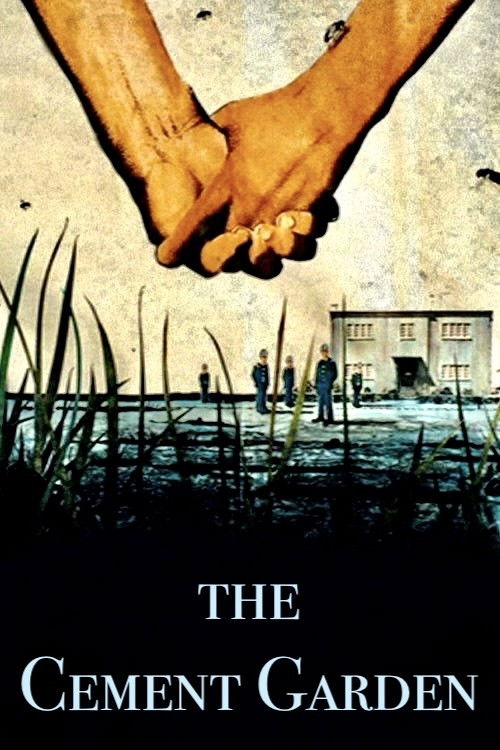
The Cement Garden1993
Both explore how family dysfunction and absent parental care create psychological pressure that erupts into transgression and crime.
Andrew Birkin's adaptation of Ian McEwan's novel: siblings trapped in a house after their parents die, forbidden desires building in isolation. It examines maternal absence and incestuous impulse with unflinching psychological precision—the dark mirror of My Lover, My Son's family pathology.
But Profoundly disturbing content involving minors and sexuality. The film makes no concessions; it's clinical rather than sensationalized, but deeply uncomfortable throughout.
People
Cast
 Romy SchneiderFrancesca Anderson
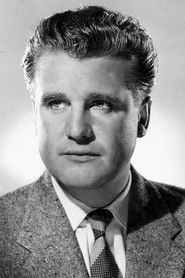 Donald HoustonRobert
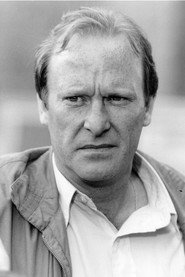 Dennis WatermanJames Anderson
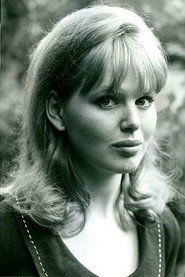 Patricia BrakeJulie
 Peter SallisSir Sidney Brent
 William DexterParks
 Alexandra BastedoCicely Clarkson
- Mark HawkinsMacer - Francesca's lover
- Maggie WrightProstitute
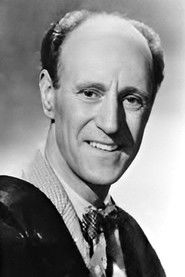 Arthur HowardJudge
 Janet BrownMrs. Woods
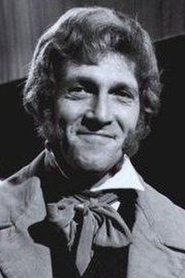 Peter GilmoreBarman
Directing
- John NewlandDirector
Writing
- Edward GriersonNovel
- Jenni HallWriter
- Wilbur StarkWriter
- William MarchantWriter
Production
- Wilbur StarkProducer