
Film
For Love of Ivy
- Comedy
- Romantic comedy
- Light-hearted
A 1968 romantic comedy that brought Sidney Poitier and Abbey Lincoln together with genuine warmth. It's breezy and earnest—a film about desire and agency dressed in period charm. For viewers hungry for Black cinema from Hollywood's transition era, it's a rare thing: a studio picture that lets its leads be funny, sexy, and complicated without apology.
If you liked this
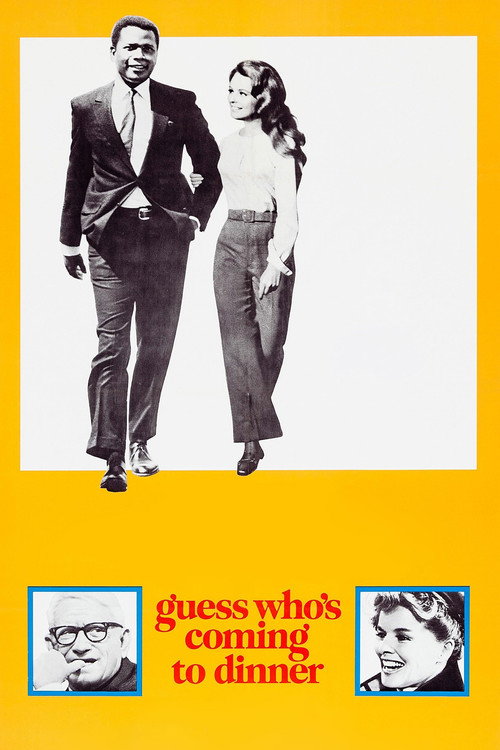
Guess Who's Coming to Dinner1967
Sidney Poitier at peak charisma, navigating family tension and racial politics with intelligence. Spencer Tracy's final role carries real weight. It's what For Love of Ivy orbits—the prestige version of its concerns.
But Heavy-handed at moments. The social messaging sometimes overrides the human story, and it feels very much like a film made to reassure white audiences.
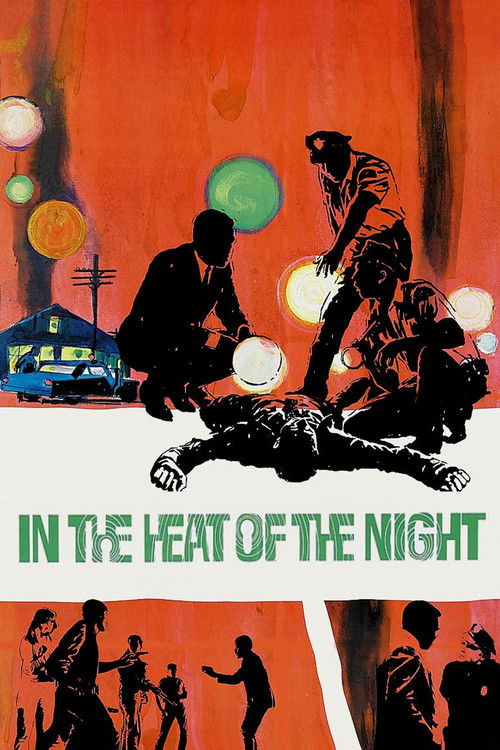
In the Heat of the Night1967
Poitier again, but this time in a crime thriller where he's the protagonist and moral centre. Sharp, tense, and his performance is coiled and magnetic. A masterclass in screen presence.
But It's a procedural thriller first, so if you want lightness, this isn't it. The racism is structural and unrelenting—not a date-night movie.
Shaft1971
A Black action hero on his own terms, doing exactly what he wants. Stylish, confident, and Isaac Hayes' theme song is unforgettable. The film moves like a groove.
But The plot is secondary to mood and image. If you need clarity and tight narrative logic, it can feel loose and impressionistic.

Not sure tonight? Get a pick in a minute, starting from For Love of Ivy
The wildcard
Something you would not have found on your own.
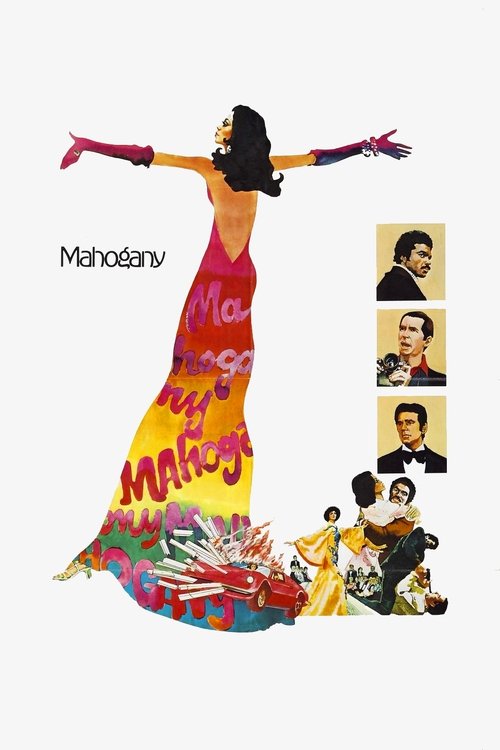
Mahogany1975
Both centre on a Black woman's desire to leave—Ivy to school, Tracy to fashion—and both ask whether a man and romance are solution or distraction. Both are romantic comedies that trust their female lead to know her own mind.
Diana Ross in a melodrama about ambition, beauty, and self-invention. It's stylish, moody, and completely sincere about wanting things. A film that understands glamour as both armour and prison.
But The writing can be overwrought and the logic loose. Some scenes feel more like music videos than plot. If you need narrative coherence, you'll get frustrated.
More like this (7)
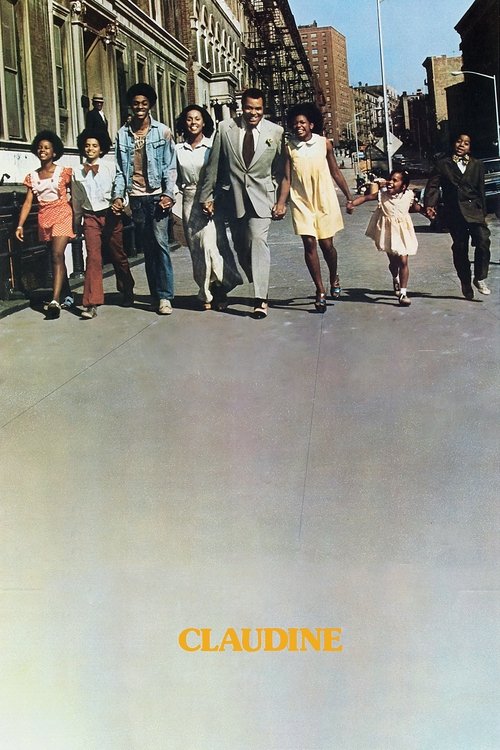
Claudine1974
Diahann Carroll and James Earl Jones in a genuine love story about a poor single mother and a garbage collector. It's joyful, funny, and treats both leads as full human beings with real stakes.
But Low production values show. It's a modest film, and the TV-movie feel might register as cheap to modern eyes.
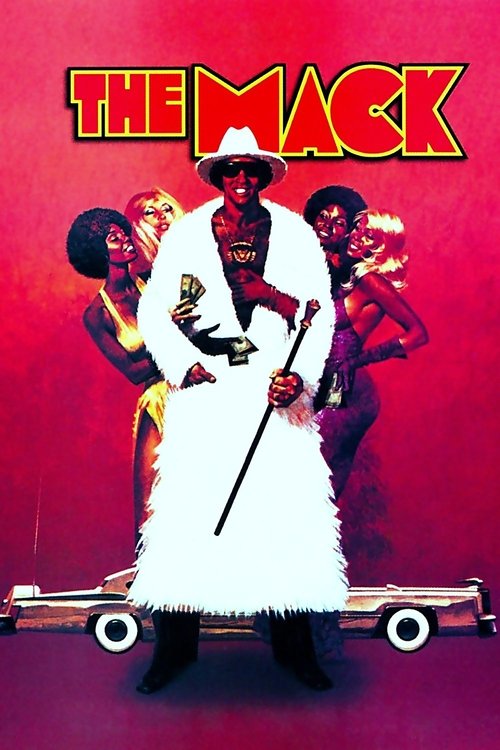
The Mack1973
Blaxploitation at its most entertaining and irreverent. Max Julien is magnetic, the dialogue crackles, and it doesn't apologize for what it is. A time capsule of swagger and style.
But It's about pimping and sex work. Treat it as pulp, not sociology. Some will find it exploitative; they're not wrong.
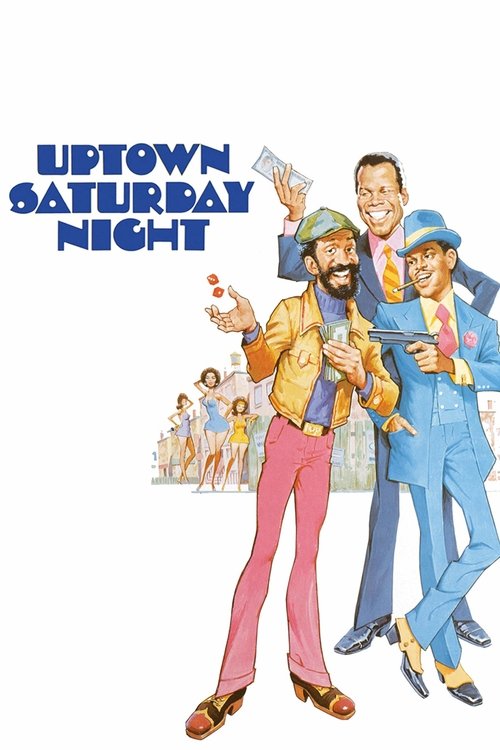
Uptown Saturday Night1974
Sidney Poitier and Bill Cosby in a heist-comedy that's pure entertainment. It's warm, funny, and genuinely interested in Black social life as the landscape rather than the problem.
But The plot is thin and the comedy is broad. It's made for pleasure, not cleverness, which some viewers will read as beneath them.
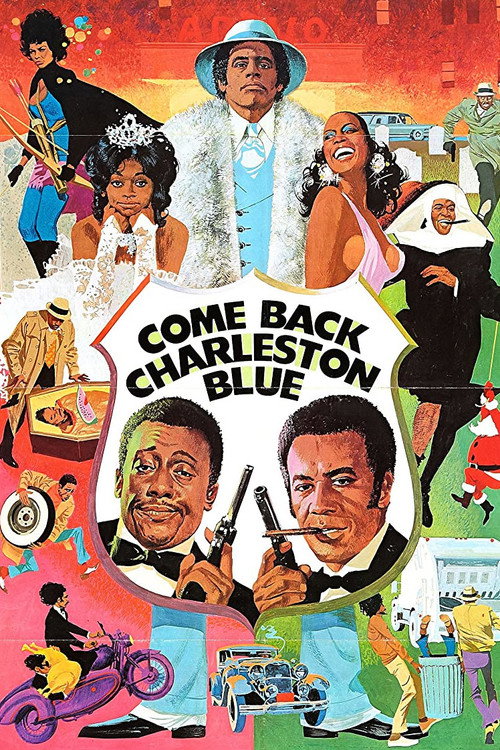
Come Back, Charleston Blue1972
The sequel to Cotton Comes to Harlem, with Godfrey Cambridge and Raymond St. Jacques as mismatched detectives. It's odd, colourful, and willing to be goofy in ways that feel liberating.
But Aggressively weird in tone—comedy, crime, mystery, satire all jammed together. It doesn't cohere, which is either its charm or its failure.
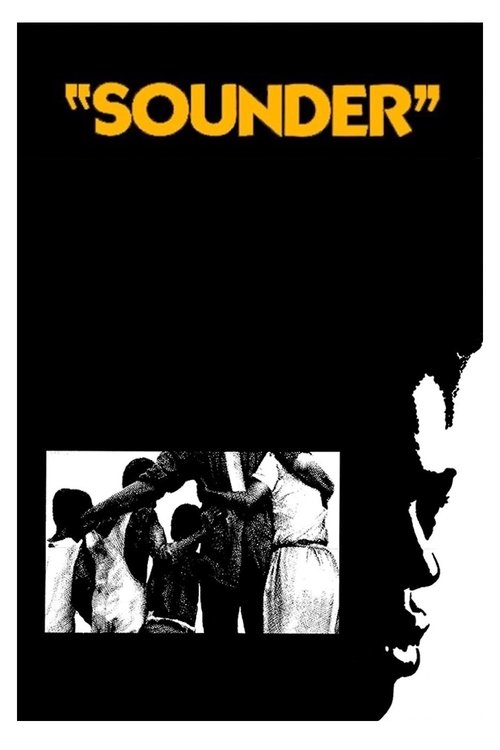
Sounder1972
A rural Depression-era story centred on a Black family. Cicely Tyson is extraordinary. It's gentle, deeply humane, and lets the landscape and emotion breathe without melodrama or explanation.
But Slow-paced and quiet. There's no plot momentum. If you need things to happen quickly, it will feel static.
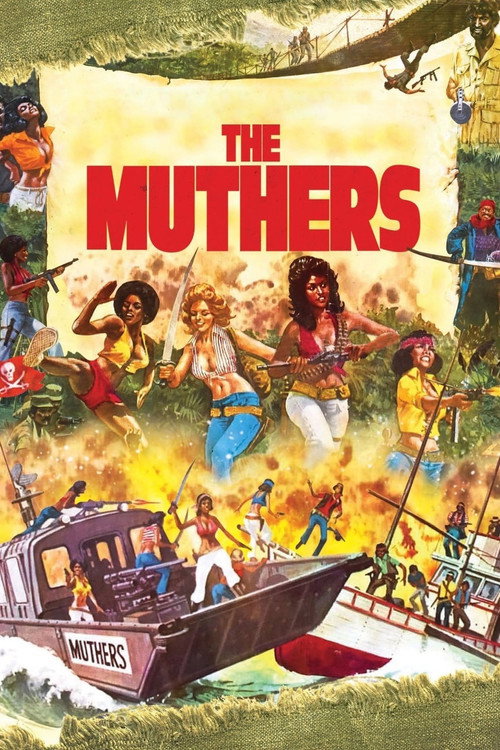
The Muthers1976
A Blaxploitation women-in-prison film with real action and personality. It's trashy, committed, and the women are allowed to be competent and dangerous, which was not a given in 1976.
But Genuinely disreputable. Exploitation cinema means exploitation—of plot, of bodies, of good taste. It's not a guilty pleasure if you're not comfortable with guilt.
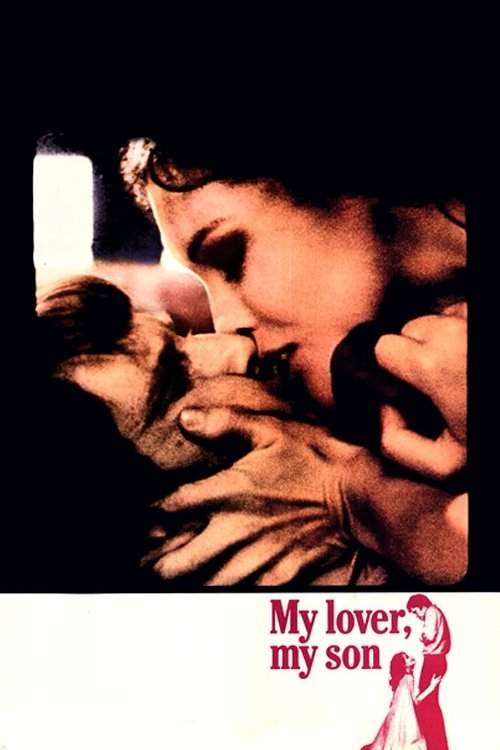
My Lover, My Son1970
Both are films from the late 60s–early 70s about the arrangement of desire between family members—In For Love of Ivy, the son engineers romance for the family's maid. Here, a mother and son circle each other in a darker spiral. Same era, same question, completely different emotional register.
An almost-forgotten psychological thriller with Romy Schneider that pivots on obsession and the impossible nature of motherhood. It's Freudian without winking, and genuinely unsettling. A film that stays with you.
But It's bleak and sometimes exploitative. The son is pathetic and the mother is trapped. There's no catharsis, just damage radiating in different directions.
People
Cast
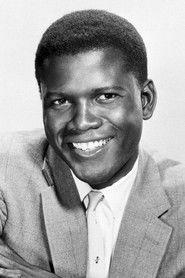 Sidney PoitierJack Parks
 Abbey LincolnIvy Moore
 Beau BridgesTim Austin
 Nan MartinDoris Austin
 Lauri PetersGena Austin
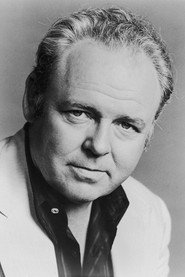 Carroll O'ConnorFrank Austin
 Leon BibbBilly Talbot
 Hugh HurdJerry
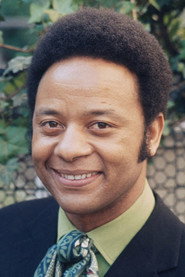 Lon SattonHarry
- Stanley GreeneEddie
 Paul HarrisDealer
- Tony MajorDealer
Directing
- Stephen J. BarnettAssistant Director
- Daniel MannDirector
Writing
- Sidney PoitierOriginal Story
- Robert Alan AurthurScreenplay
Production
- Joel GlickmanAssociate Producer
- Jean ArleyCasting
- Edgar J. ScherickProducer
- Jay WestonProducer
- Joel GlickmanProduction Manager