
Film
The Cement Garden
- Drama
- Very dark
Andrew Birkin's adaptation of Ian McEwan's transgressive novel captures four siblings spiralling into psychological decay after hiding their mother's death. It's austere, unsettling, suffused with dread—a film that watches its characters with clinical precision as social bonds dissolve into something darker. For viewers prepared for genuine discomfort and moral ambiguity without resolution.
If you liked this
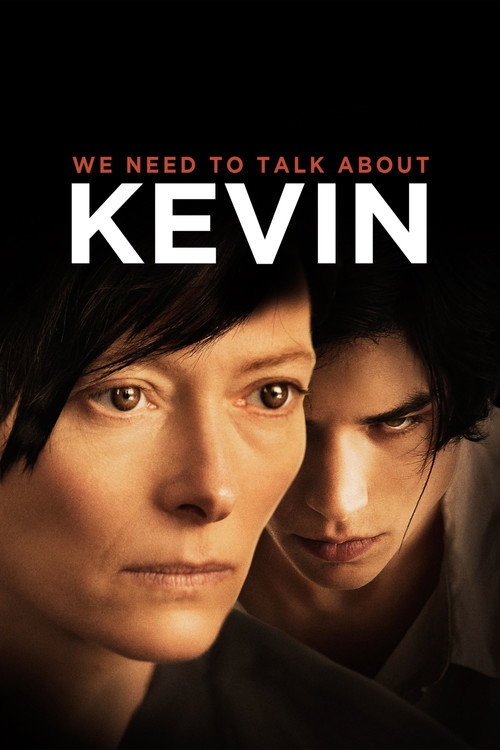
We Need to Talk About Kevin2011
Lynne Ramsay's film about a mother reckoning with her son's violence shares this film's unflinching examination of family toxicity and the impossibility of understanding what happens behind closed doors. Both ask difficult questions without offering comfort.
But It's relentlessly bleak and asks you to sit with a mother's anguish rather than resolve it. The portrait of domestic horror is deliberately painful to watch.
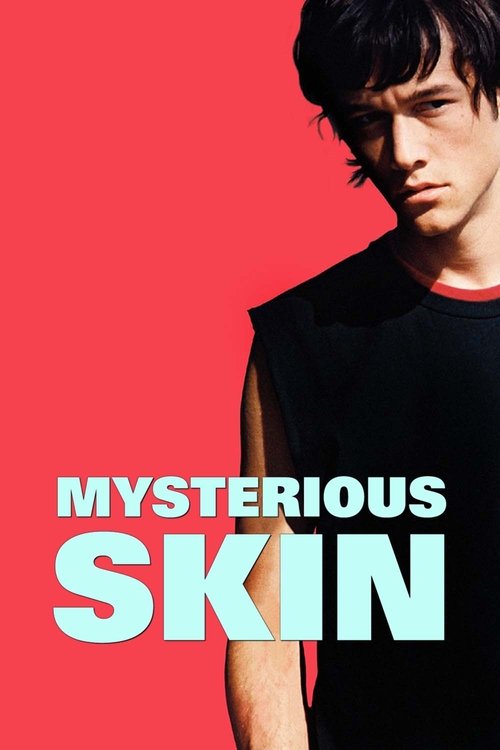
Mysterious Skin2005
Gregg Araki's film about trauma and two teenagers finding each other in the wreckage has the same unsparingly intimate tone and refusal to look away from damaged lives. Both films trust the audience to handle complicated emotions.
But It deals with child abuse and its aftermath with unflinching detail. The healing is tentative and incomplete, which is its honesty but also its weight.
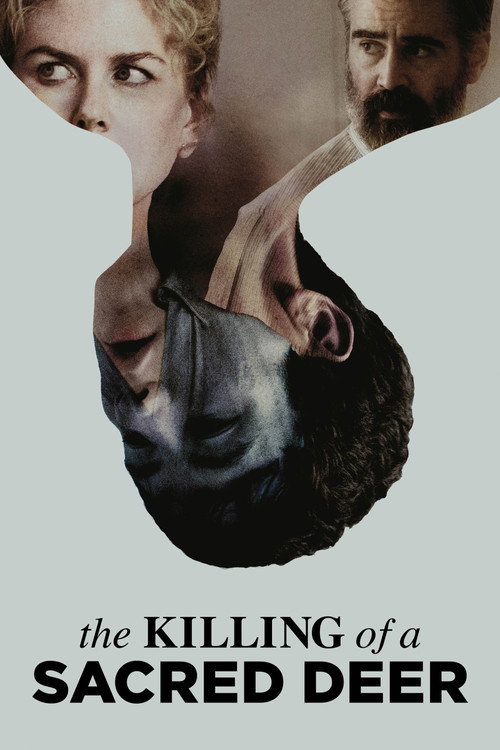
The Killing of a Sacred Deer2017
Yorgos Lanthimos creates a similar atmosphere of mounting dread as a family's equilibrium fractures from within. Both films use formal precision to make the ordinary feel deeply threatening and wrong.
But The pacing is glacial and deliberately strange. If you need plot momentum or conventional narrative satisfaction, this will frustrate you.
Not sure tonight? Get a pick in a minute, starting from The Cement Garden
The wildcard
Something you would not have found on your own.
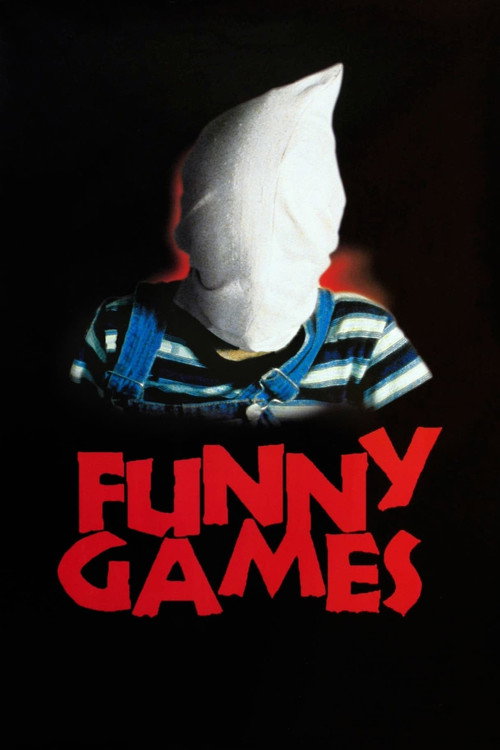
Funny Games1997
Both films make the family unit a site of violation and terror, but one attacks from outside and one implodes from within. Same philosophical question: where is safety?
Michael Haneke's film about a family held hostage shares this film's interest in the breakdown of domestic safety and the sudden visibility of violence lurking beneath ordinary life. But Haneke puts the violence *at* the audience rather than within the family, creating a completely different kind of provocation.
But It's aggressively confrontational about what you're watching. Haneke wants you to feel complicit and uncomfortable, which some experience as brilliant and others as manipulation.
More like this (7)
Kes1970
Ken Loach's portrait of a working-class boy finding brief escape through a hawk captures the same naturalistic observation of childhood vulnerability and the adult world's indifference. Both films see young people with clarity and tenderness.
But It's slower than modern cinema and rooted in a specific time and place. The realism can feel unglamorous and the ending offers no uplift.

Under the Skin2014
Jonathan Glazel's film shares this one's commitment to strangeness and sensory dread over narrative clarity. Both create atmosphere through image and sound more than dialogue, trusting silence and stillness.
But It's oblique and gives you very little to hold onto. If you need a story explained to you, this will leave you frustrated and confused.

Requiem for a Dream2000
Darren Aronofsky's descent into addiction and decay parallels the siblings' psychological unravelling. Both films use formal technique—editing, music, visual repetition—to make internal collapse visible and visceral.
But The sensory assault is intentional and relentless. It's designed to make you uncomfortable, and some viewers find the technique manipulative rather than moving.

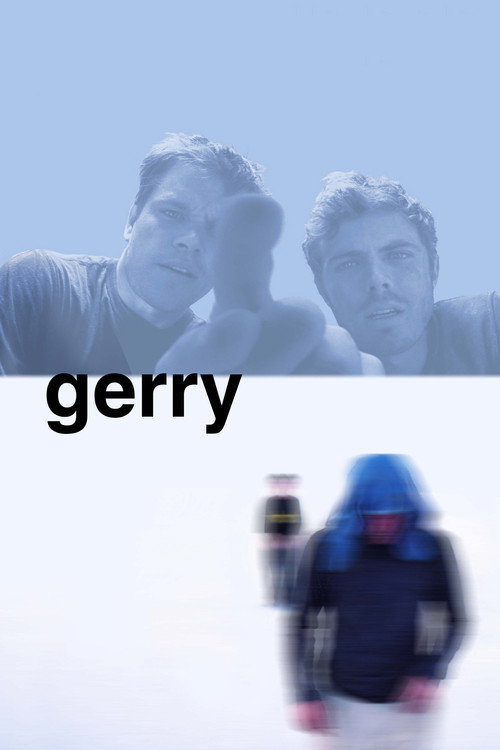
Gerry2002
Gus Van Sant's minimalist film about two young men getting lost in the desert has a similar patience with silence and the unspeakable. Both films understand that sometimes what's not said matters more than dialogue.
But There is almost no plot and almost no dialogue. It moves at its own glacial pace and expects you to find meaning in emptiness. Many will find it tedious.
A Prophet2009
Jacques Audiard's portrait of a young man's transformation in prison shares this film's interest in how isolation and institutional confinement reshape a person's moral boundaries. Both are unflinching about corruption.
But It's two and a half hours in a claustrophobic setting with characters who aren't likeable. The violence is sudden and brutal, not stylised.

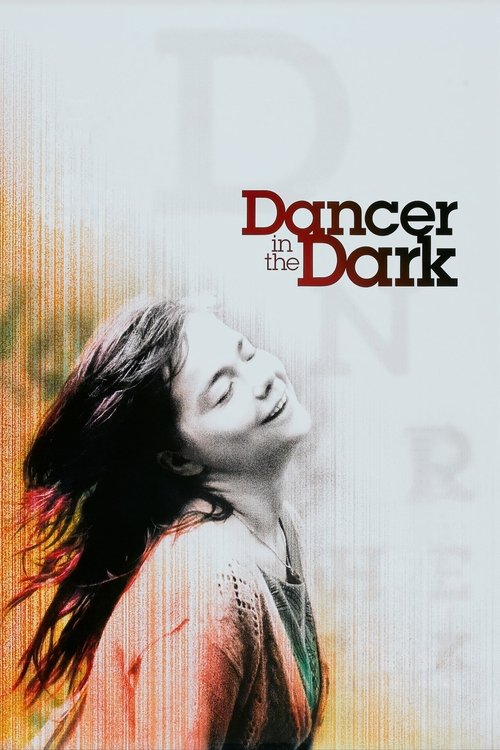
Dancer in the Dark2000
Lars von Trier's musical tragedy traps a woman in circumstances that gradually tighten around her. Both films share a sense of inexorable doom and a refusal to let their characters escape consequences.
But It's punishing to watch. The ending is devastating in a way designed to wound, and the musical numbers won't redeem the darkness for everyone.
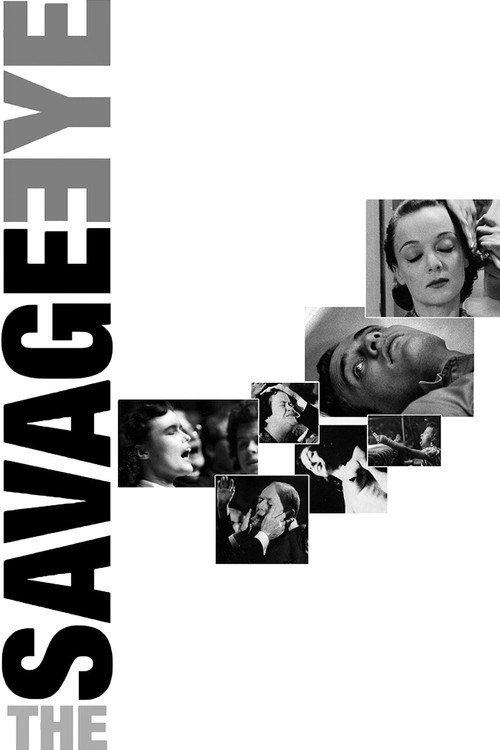
The Savage Eye1960
Both use observation and restraint to map the interior collapse of a consciousness. One does it through family claustrophobia; the other through urban vastness. Both refuse to explain or resolve.
This experimental documentary follows an unnamed woman through the streets and streets of Los Angeles with minimal narration, creating a portrait of alienation and psychological drift that's almost novelistic. It has the same hypnotic, alienated tone as *The Cement Garden* but in documentary form and a completely different era.
But It's plotless and nearly silent. The image track is often chaotic and disorienting. It's closer to visual poetry than conventional documentary, which will lose many viewers immediately.
People
Cast
 Andrew RobertsonJack
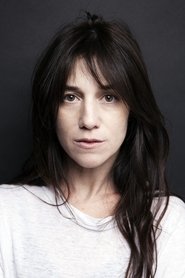 Charlotte GainsbourgJulie
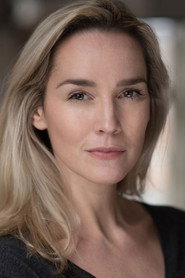
 Ned BirkinTom
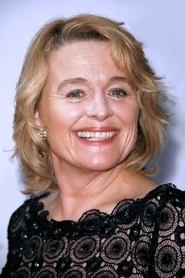 Sinéad CusackMother
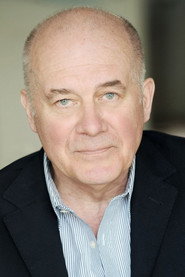 Hanns ZischlerFather
- Jochen HorstDerek, Julie's Friend
- Gareth BrownWilliam
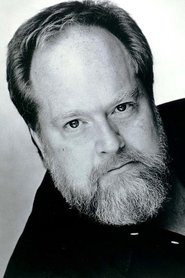 William HootkinsCommander Hunt (voice)
- Dick FlockhartTruck Driver
- Mike ClarkeDriver's Mate
Directing
- Andrew BirkinDirector
Writing
- Ian McEwanNovel
- Andrew BirkinWriter
Production
- Stephen O'RourkeCo-Producer
- Sylvia MontaltiCo-Producer
- Bernd EichingerExecutive Producer
- Martin MoszkowiczExecutive Producer
- Bee GilbertProducer
Recommended by
Damage, The House of Bernarda Alba, My Lover, My Son, The House of the Angel