
Film
The House of the Angel
- Coming-of-age
- Very dark
A searing Argentine chamber piece about a sheltered teenage girl trapped between her iron-fisted father, zealously religious mother, and a family friend's predatory attention. Shot in austere black and white, it's a study in suffocation—how innocence becomes a weapon, how family becomes a cage. Essential viewing for anyone interested in the roots of psychological realism in cinema.
If you liked this
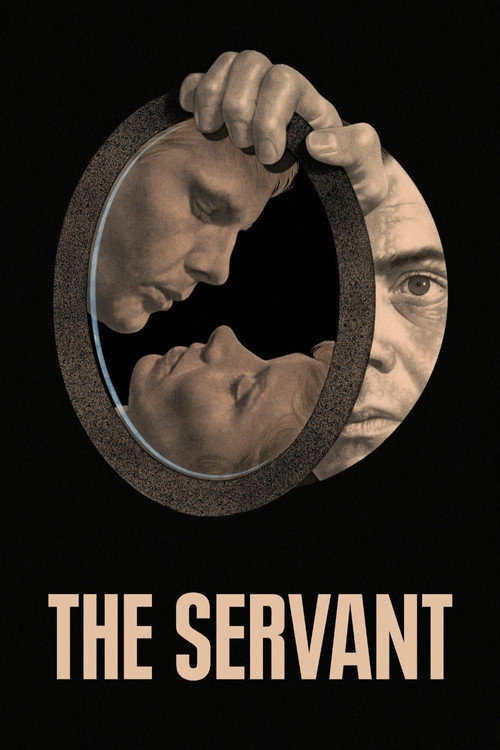
The Servant1963
Pinter's corrosive psychological thriller about power games within a household, where politeness masks cruelty and social hierarchy becomes a battleground. Like *The House of the Angel*, it's claustrophobic, sexual without being explicit, and morally ambiguous.
But Glacial pacing and oblique dialogue can feel mannered. The shift in dynamics may confuse rather than clarify on first viewing.
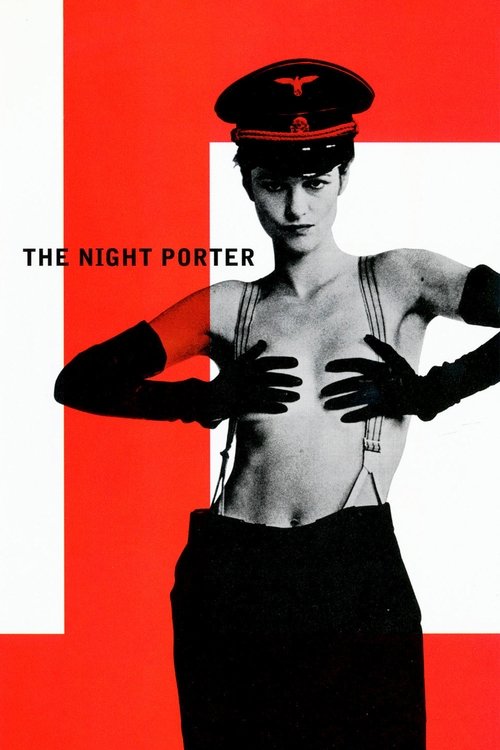
The Night Porter1974
Liliana Cavani's disturbing study of sadomasochism and the persistence of Nazi trauma. It shares the same unflinching gaze at perverse family dynamics and the corruption of innocence, but operates in full moral darkness.
But Genuinely transgressive and sexually explicit. Not a film that lets viewers off the hook; many will find it repellent by design.
Bitter Lake2011
Hungarian drama about a girl's adolescence in an oppressive household, with similarly precise direction and a focus on how abuse silences its victims. The visual language is restrained but devastating.
But Slow and introspective to the point of near-silence. Requires patience and offers no catharsis.

Not sure tonight? Get a pick in a minute, starting from The House of the Angel
The wildcard
Something you would not have found on your own.
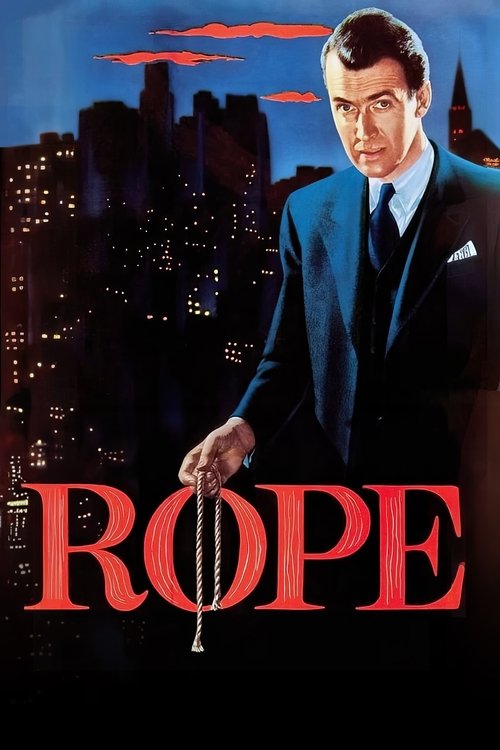
Rope1948
Both films prove that a single room and moral dread are enough. Neither needs spectacle; both make walls into characters.
Hitchcock's real-time thriller confined to a single apartment, built almost entirely on atmosphere and dialogue. Like *The House of the Angel*, it's a masterclass in wringing unbearable tension from confinement and from characters who cannot leave.
But Feels stagey and theatrical; the continuous take can look like a technical stunt. And Hitchcock's detachment toward the psychological horror is very different from Duran's.
More like this (8)
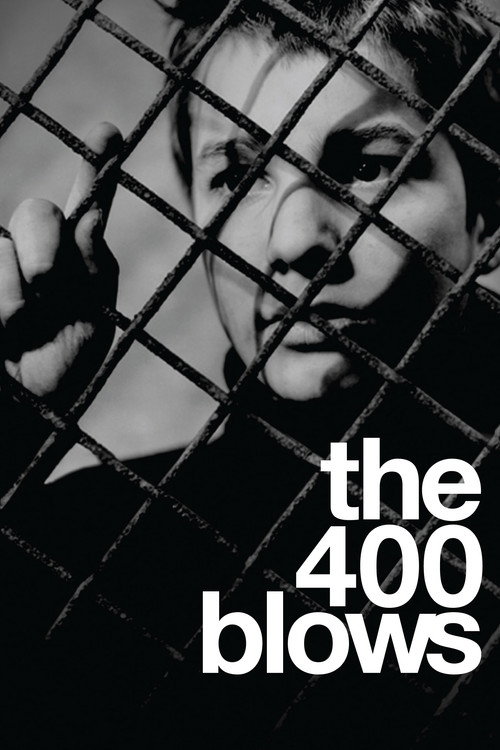
The 400 Blows1959
Truffaut's tender but clear-eyed portrait of a trapped adolescent, though here the boy rebels where Ana Castro submits. Both films understand how institutions—family, school, society—conspire to keep youth powerless.
But The tonal warmth may feel like sentimentality if you're expecting the moral coldness of *The House of the Angel*.
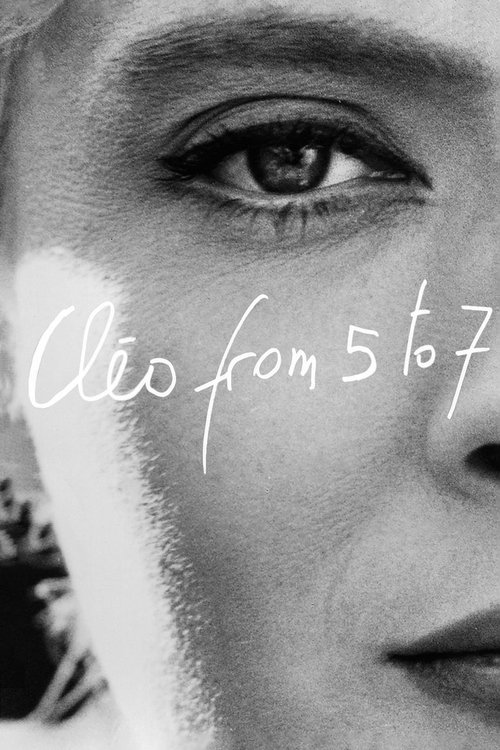
Cléo from 5 to 71962
Agnès Varda's real-time meditation on female vulnerability and the male gaze. Like *The House of the Angel*, it's about a woman's body being perceived and owned by others, though Cléo is older and more aware.
But Plotless and meditative. Some will find it precious rather than piercing.
The Seventh Seal1957
Bergman's masterpiece of existential dread, made the same year. Both films use sparse, symbolic mise-en-scène to explore the suffocation of human will—whether by fate, faith, or family.
But Bergman's reputation can invite pretension. It's also metaphysical where *The House of the Angel* is psychological.

Vivre Sa Vie1962
Godard's portrait of a woman's disintegration, filmed with cool detachment. Shares the same interest in how society uses and discards female bodies, though via very different formal means.
But Deliberately fragmented and essayistic. Some sequences feel didactic; the tone is alienating rather than empathetic.

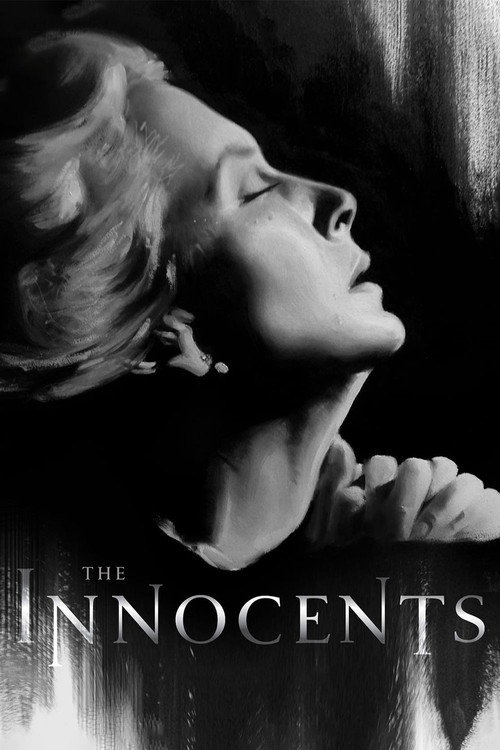
The Innocents1961
Jack Clayton's ambiguous ghost story about a governess and two children in an isolated house. Like *The House of the Angel*, it's fundamentally about whether innocence can survive proximity to corruption.
But The ambiguity about what's real may frustrate those wanting moral clarity. Can feel more gothic than grounded.
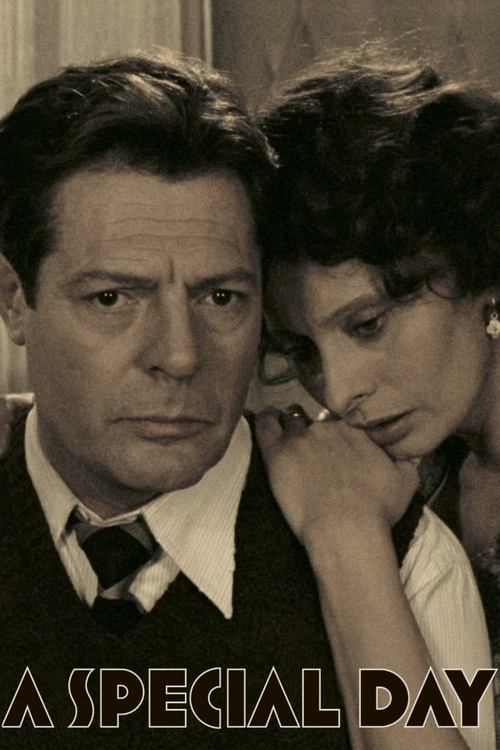
A Special Day1977
Ettore Scola's study of two isolated people discovering forbidden connection during Fascism. Both are chamber pieces about what people hide, though this one finds unexpected grace in its tragedy.
But The romance may seem to soften the moral weight. Some find the ending sentimental rather than honest.
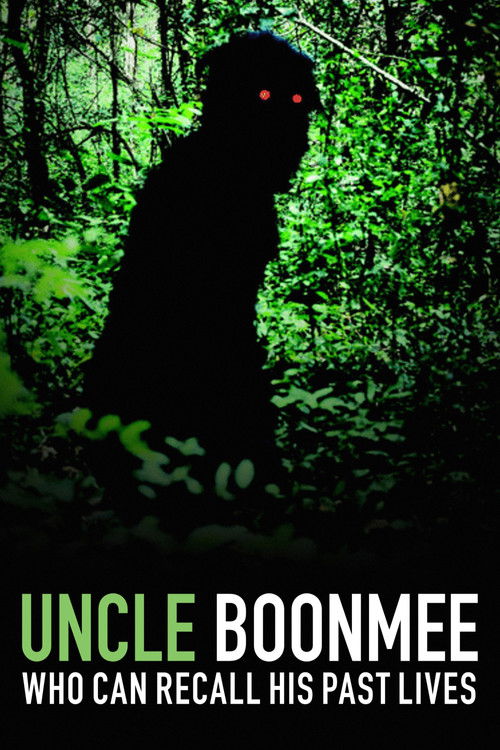
Uncle Boonmee Who Can Recall His Past Lives2010
Both use extreme visual restraint to suggest psychological states beyond language. Both understand that family is haunted by forces no one names.
Apichatpong Weerasethakul's Thai meditation on memory, family, and the past's intrusion into the present. Formally radical—long takes, minimal plot, ghosts that aren't explained. But it shares *The House of the Angel*'s interest in how the dead (and the past) haunt family spaces.
But Glacial, mysterious, and often incomprehensible on first viewing. The spiritual framework may alienate Western viewers. Some will find it pretentious.
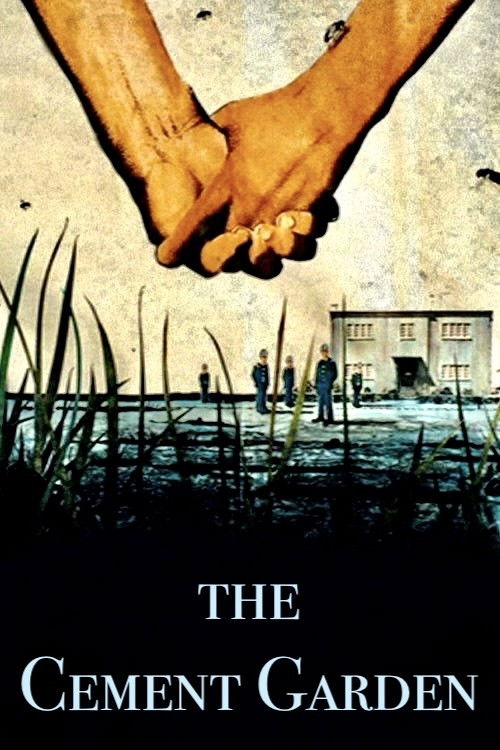
The Cement Garden1993
Both trap adolescents in houses that become worlds unto themselves, where adult rules dissolve and younger people discover their bodies in isolation. But where *The House of the Angel* indicts the adults, *The Cement Garden* complicates the innocence of the young.
Andrew Birkin's adaptation of Ian McEwan's transgressive novel about orphaned siblings and the collapse of civilization within four walls. It's a dark mirror of *The House of the Angel*—where that film shows incipient abuse, this shows its flowering, though with uncomfortable ambiguity about the children's agency.
But Genuinely disturbing and deliberately provocative about taboos. The film's moral position is slippery; it may feel exploitative or nihilistic. Some will find it unwatchable.
People
Cast
 Elsa DanielAna Castro
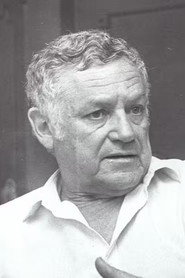 Lautaro MurúaPablo Aguirre
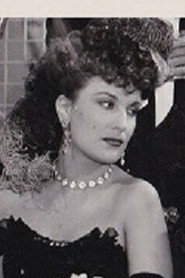 Berta OrtegosaSra. de Castro
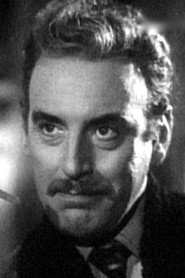 Guillermo BattagliaDr. Castro
 Bárbara MújicaVicenta
 Alejandro ReyJulián
- Yordana FainNana
 Lilí GacelJulieta
- Nora MassiIsabel
- Paquita VehilCristina
Directing
- Orlando ZumpanoAssistant Director
- Leopoldo Torre NilssonDirector
- José LagrecaFirst Assistant Director
Writing
- Beatriz GuidoNovel
- Beatriz GuidoScreenplay
- Leopoldo Torre NilssonScreenplay
- Martín Rodríguez MentastiScreenplay
Production
- Adolfo CabreraProduction Assistant