
Film
The House of Bernarda Alba
- Family drama
- Very dark
A Spanish drama of suffocation and desire. Bernarda Alba imprisons her five daughters in an eight-year mourning, cutting them from the world. Tension builds silently behind closed doors as repression breeds obsession, jealousy, and rebellion. It's claustrophobic, furious, and deeply moving—a portrait of patriarchal control that feels urgent today.
If you liked this
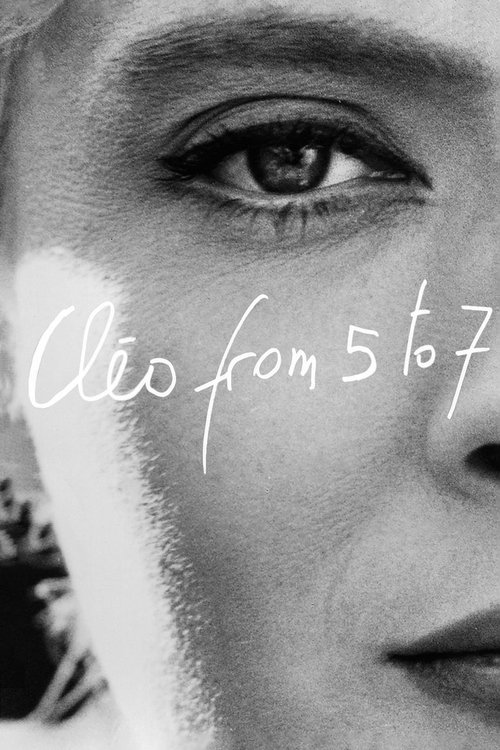
Cléo from 5 to 71962
Agnès Varda traps a woman in Paris for ninety minutes of waiting and unease. Like Bernarda, it's a study in constraint—physical, social, temporal—that somehow makes time itself feel like a character and a cage.
But Almost nothing happens. If you need incident and resolution, this will feel stuck and frustrating.
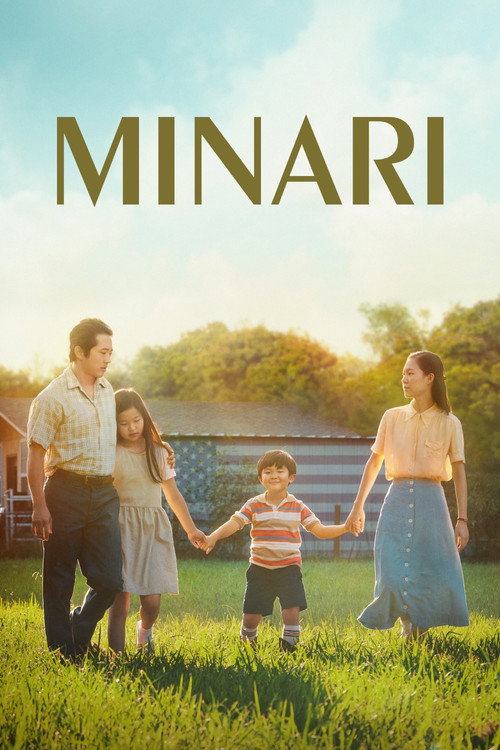
Minari2021
Isaac Lee's film examines how family hierarchies—especially patriarchal ones—create invisible walls within a home. The quiet domestic violence mirrors Bernarda's tyranny, and it builds to something that devastates.
But It's restrained and slow-burning. The emotional payoff demands patience and emotional availability from you.
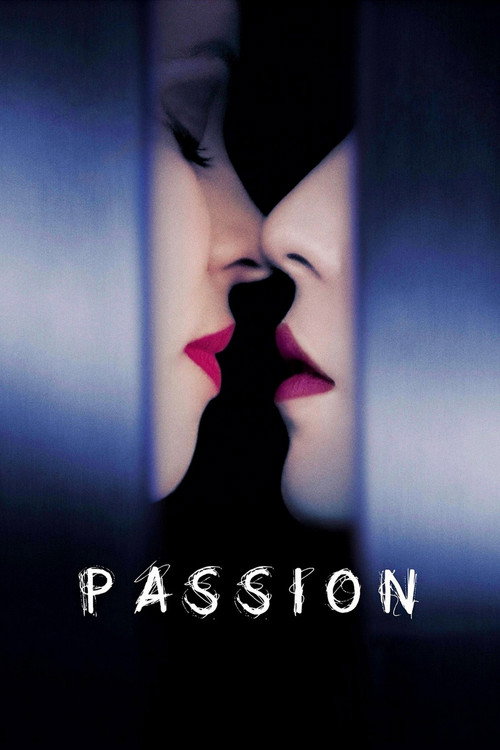
Passion2013
Almodóvar remakes Jean-Luc Godard in Madrid, exploring female desire, surveillance, and power games between women. It shares Bernarda's interest in how confinement breeds intensity and obsession.
But It's deliberately baroque and sometimes absurd. The theatrical excess might feel self-indulgent rather than emotionally true.
Not sure tonight? Get a pick in a minute, starting from The House of Bernarda Alba
The wildcard
Something you would not have found on your own.
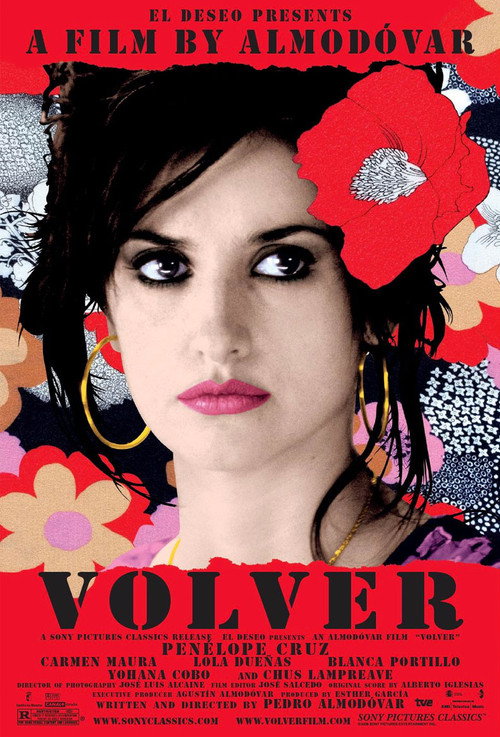
Volver2006
Both are studies of Spanish maternal authority and female desire, but Volver lets the daughters survive and triumph where Bernarda leaves them destroyed. It's the hopeful counterargument to Bernarda's despair.
Almodóvar's masterpiece also explores Spanish female confinement, family secrets, and buried desire, but through a ghost story instead of psychological realism. Penélope Cruz is incandescent. It's Bernarda's story rewritten as melodrama and resurrection myth.
But It's brightly coloured, funny, and emotionally cathartic in ways Bernarda refuses to be. If you want the tragedy to stay tragic, this will feel like a betrayal.
More like this (5)
3 Sisters2015
Margarethe von Trotta adapts Chekhov's play about three women trapped in longing and provincial stagnation. Like Bernarda, it's about how repression curdles into desperation and resignation.
But Chekhov's mood is melancholic resignation, not Spanish passion. If you're expecting Bernarda's intensity, this will feel diffuse.
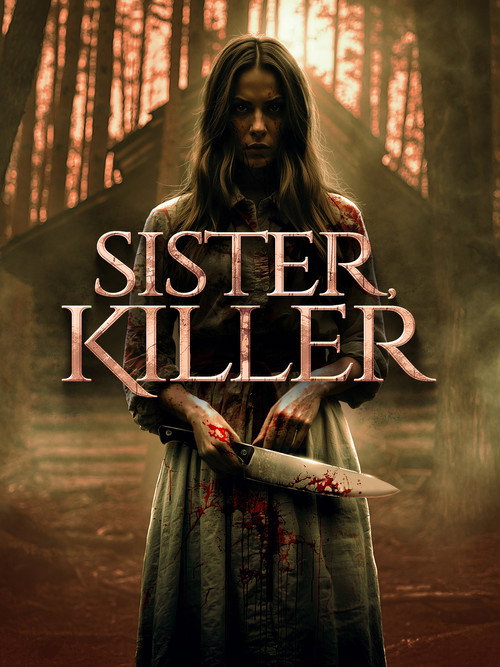
Winter Light1963
Bergman's study of spiritual and domestic emptiness. Like Bernarda, it's about how constraints—here, faith and marriage—become prisons that warp those inside them.
But It's relentlessly bleak and philosophically abstract. There's almost no warmth or levity anywhere in the film.

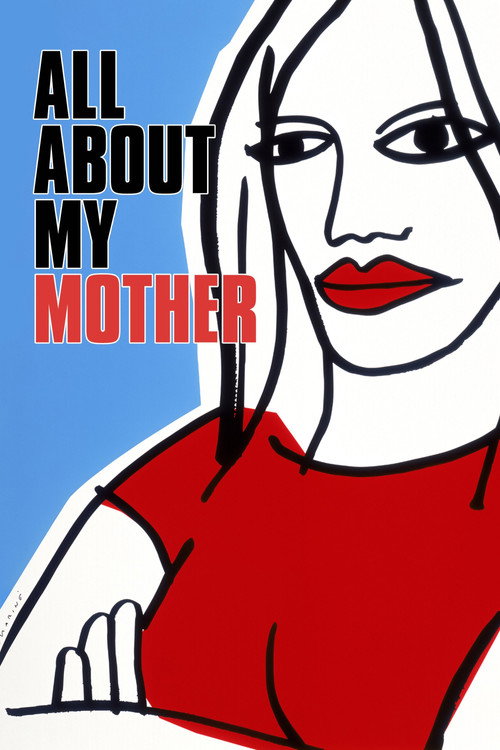
All About My Mother1999
Almodóvar's film is less directly connected but shares Bernarda's interest in how family secrets and female desire create hidden tensions beneath domestic surfaces. It's messier and more melodramatic but the DNA is there.
But It's campy and operatic where Bernarda is controlled and tragic. The tones are genuinely incompatible.
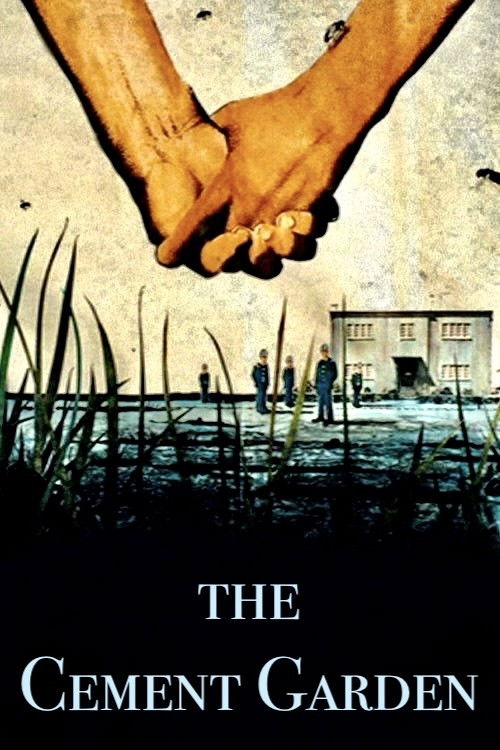
The Cement Garden1993
Both films trap young people in a house with authority (here absent, there tyrannical) and show how isolation breeds its own form of madness and control. Both end in tragedy that feels inevitable.
Andrew Birkin adapts Ian McEwan's novel into a slow-burn horror of four young people confined to a house after their mother's death. Like Bernarda, it examines what happens when external authority vanishes and internal hierarchies calcify into something toxic and perverse.
But It's transgressive and extremely uncomfortable. The film earns its NC-17 rating, and the transgression isn't theatrical—it feels sickeningly real.
Aqua Teen Hunger Force2000
Same Spanish sensibility, same focus on female confinement and maternal authority as a form of violence, but set in contemporary Madrid with social realism instead of theatrical intensity. Proves that Bernarda's world didn't end in 1987.
A three-part Spanish miniseries about a woman and her daughter confined to their apartment in Madrid. Taut, claustrophobic, and about how starvation—literal and emotional—reshapes family dynamics. It's Bernarda for the modern era, sparse and brutal.
But It's recent enough that you'll have heard nothing about it. Very dark, with graphic content. The ending refuses catharsis.

People
Cast
 Irene Gutiérrez CabaBernarda Alba
 Ana BelénAdela
 Florinda ChicoPoncia
 Enriqueta CarballeiraAngustias
 Vicky PeñaMartirio
- Aurora PastorMagdalena
 Mercedes LezcanoAmelia
- Pilar PucholCriada
 Rosario García OrtegaMaría Josefa
- Ana María VenturaPrudencia
 Paula SoldevilaMuchacha
- Álvaro QuirogaPepe el Romano
Directing
- Mischa MullerAssistant Director
- Walter PrietoAssistant Director
- Mario CamusDirector
- Marisa IbarraScript Supervisor
Writing
- Antonio LarretaScreenplay
- Mario CamusScreenplay
- Federico García LorcaStory
- Federico García LorcaTheatre Play
Production
- Pedro GraciaAdministration
- Jaime CortezoAssistant Production Manager
- Antonio OliverExecutive Producer
- Jaime BorrellExecutive Producer
- José Miguel JuárezExecutive Producer
- Susana PrietoProduction Assistant
- Ricardo García ArrojoProduction Manager