
Film
The Children's Hour
William Wyler's adaptation of Lillian Hellman's play turns a single malicious lie into a slow strangulation of two women's lives and livelihood, all silence, glances and social suffocation rather than melodrama. Hepburn and MacLaine bring real ache beneath the period restraint. It's a patient, talky character study for anyone drawn to stories about reputation, repression and the cruelty of certainty over truth.
If you liked this
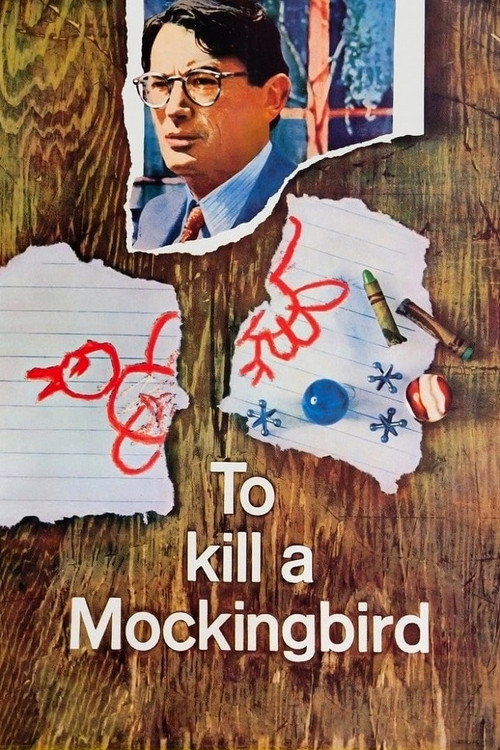
To Kill a Mockingbird1962
A courtroom drama about a false accusation destroying an innocent man in a small Southern town, seen through children's eyes, with the same moral clarity Wyler brought to his film that same year.
But Its focus on race and Atticus Finch's heroism sidelines the female perspective that's at the heart of The Children's Hour.
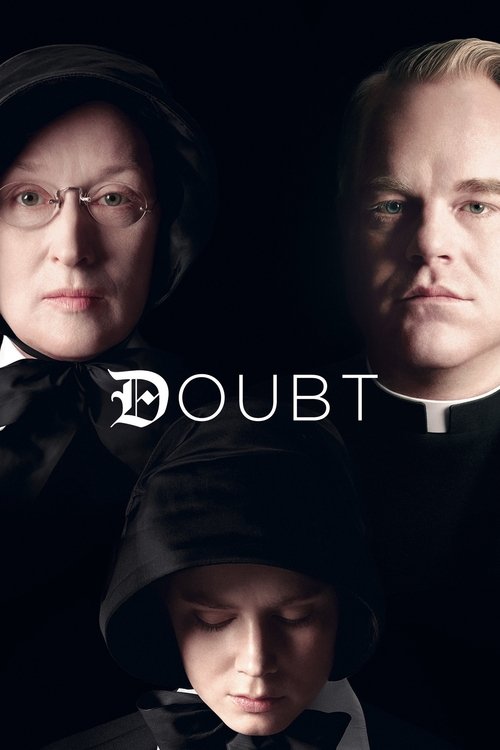
Doubt2008
A nun's unproven suspicion about a priest becomes a war between certainty and ambiguity, staged with the same claustrophobic institutional intensity that lets gossip destroy careers instantly.
But It thrives on ambiguity rather than resolution, so you leave with more questions than answers, which some find maddening.
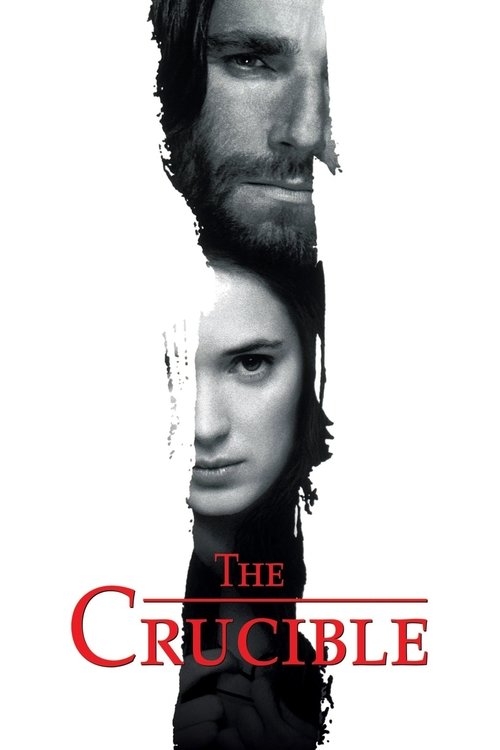
The Crucible1996
Arthur Miller's witch-hunt allegory shows how one girl's lie metastasizes into mass hysteria and ruin, echoing the same McCarthy-era subtext buried in Hellman's original play.
But The 17th-century setting and heightened dialogue feel stagier and more remote than Wyler's intimate schoolroom drama.
The wildcard
Something you would not have found on your own.
These Three1936no page yet
Same director, same source play, same cast of moral consequences — but made 25 years earlier, when the truth couldn't be said aloud, so the censors changed the lie itself.
Wyler's own first attempt at this exact play, made under Hollywood's Production Code, rewrites the accusation as a heterosexual love triangle — you're watching censorship physically distort a story you already know.
But If you already know the outcome, the softened, straightened plot can feel like the story with its nerve removed.
More like this (8)
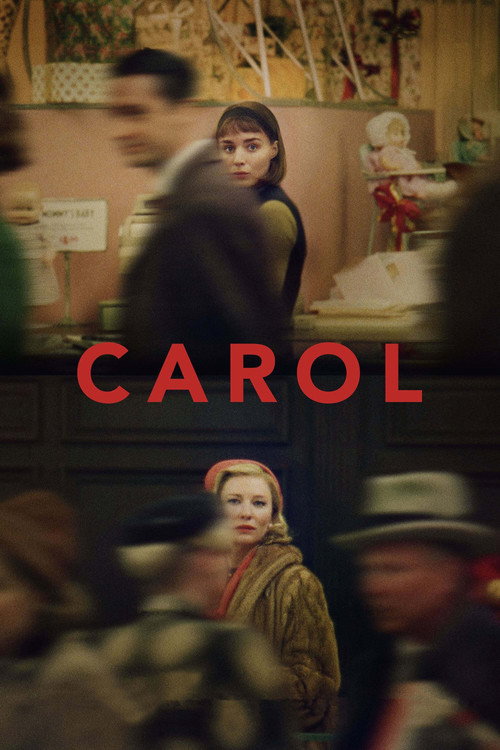
Carol2015
A tender, dangerous love story between two women in 1950s New York, told with the same hush and secrecy that made Karen and Martha's relationship so combustible to expose.
But It's slower and more interior, a mood piece rather than a plot-driven drama, with none of the courtroom fireworks.
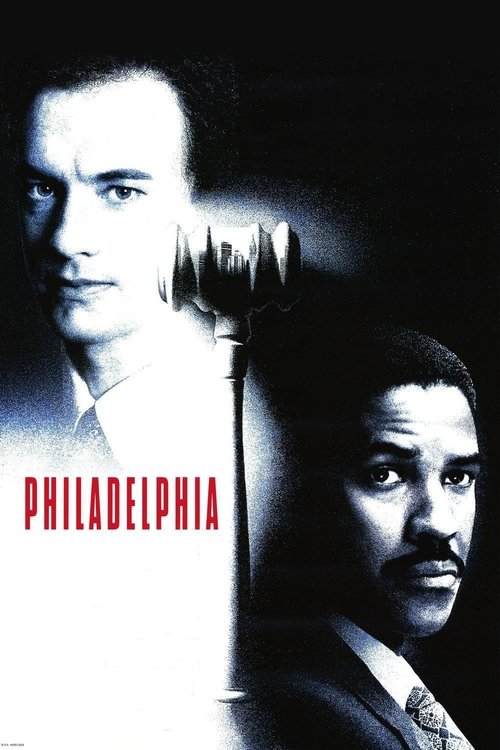
Philadelphia1993
A lawyer fired for being gay fights back in court, exposing how fast a private identity becomes public scandal — the same machinery of exposure and ruin, decades later.
But The AIDS-era specifics and courtroom triumphalism give it a very different, more hopeful arc.
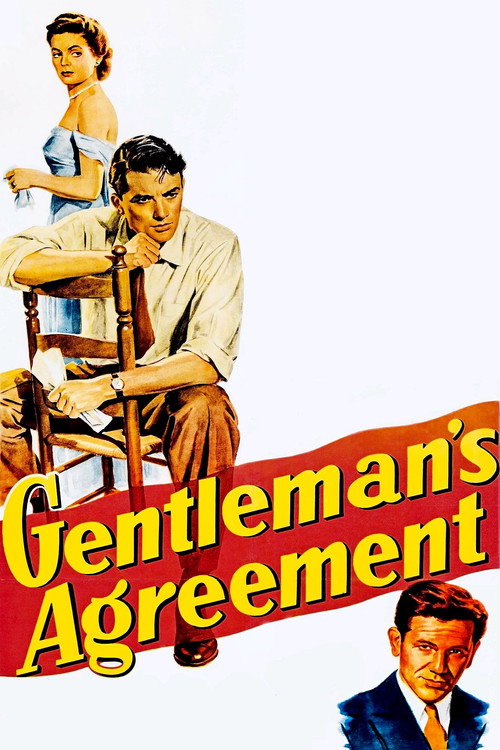
Gentleman's Agreement1947
A journalist poses as Jewish to expose casual antisemitism, using deception the way Hellman's play uses a lie — to reveal how thin social respectability really is.
But Its message-movie earnestness and dated attitudes toward its subject can feel heavy-handed by today's standards.
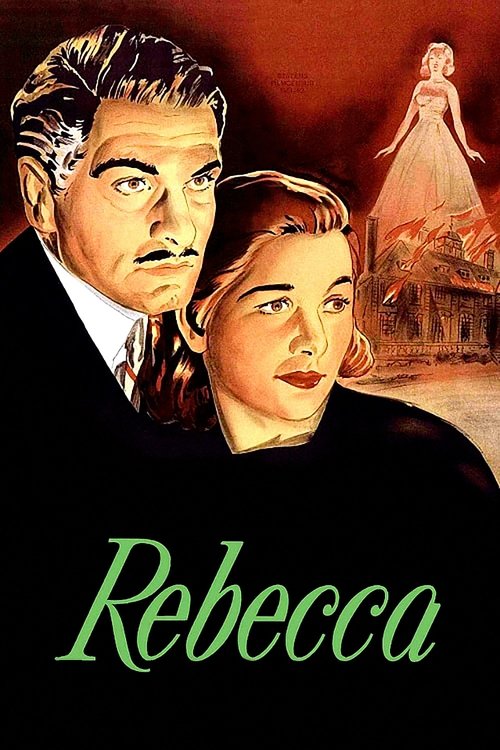
Rebecca1940
A household ruled by an unspoken, possibly romantic obsession, dripping with the same repression and dread that hangs over the school in Hellman's story.
But It's a gothic thriller first, more interested in suspense and mystery than in the social fallout of a rumor.
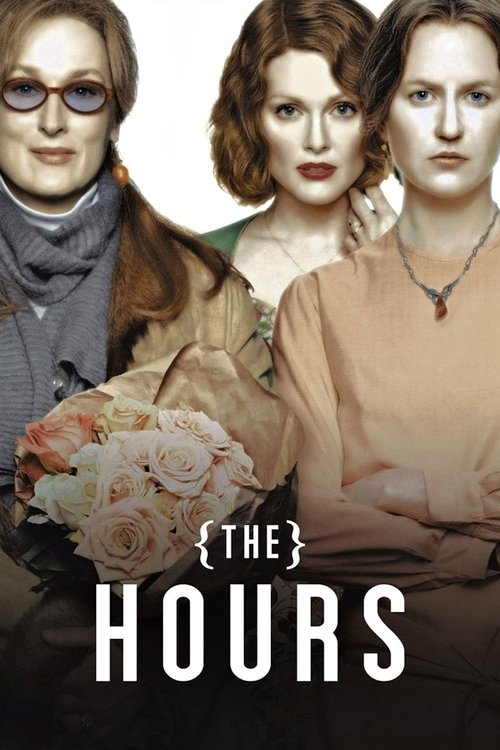
The Hours2002
Three women across three eras quietly suffocate under the same unspoken longing and social expectation that trapped Karen and Martha, told with real tenderness.
But Its literary structure and slow, melancholic pacing ask for patience rather than drama.
The Children Act2018no page yet
Emma Thompson plays a judge whose ruling on a child's life collides with her own crumbling marriage, another story of institutions passing judgment on private lives.
But It's a much quieter, more procedural drama, without the visceral injustice that drives Hellman's story.
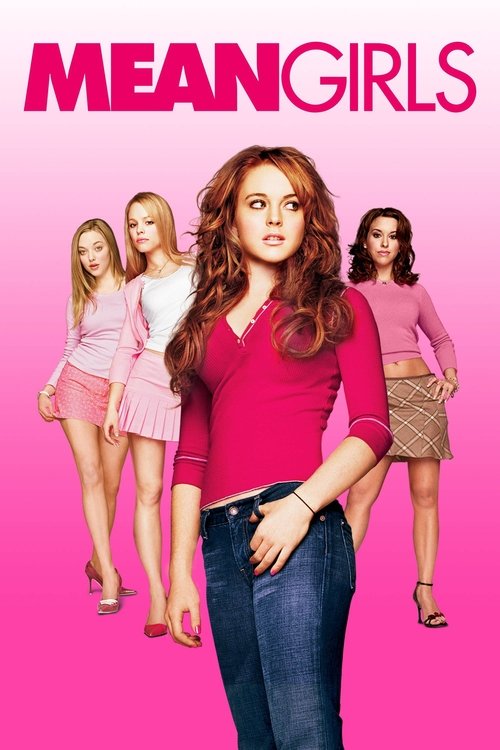
Mean Girls2004
Strip away the tragedy and Mary Tilford's malicious lie is basically Regina George's playbook — a manipulative girl weaponizing gossip to destroy the adults who trusted her.
A scheming teenager spreads a devastating lie about an adult's private life and watches it ripple through an entire community — the same engine, dialed up into loud, quotable teen comedy.
But Its glossy high-school satire and happy ending are a world away from the quiet devastation of Wyler's drama.
Paragraph 1752000no page yet
The Children's Hour turns one whispered rumor into private ruin; this film shows the same accusation made into law, with far higher stakes and no fictional distance to soften it.
A sober documentary gathering testimony from gay men and lesbians persecuted under Nazi Germany's anti-homosexuality law, showing what happens when an accusation like Karen and Martha's is backed by the full force of the state.
But It's real historical suffering, not drama — unflinching and grim, a genuine tonal jolt after a stylish studio picture.
People
Cast
 Audrey HepburnKaren Wright
 Shirley MacLaineMartha Dobie
 James GarnerJoe Cardin
 Miriam HopkinsLily Mortar
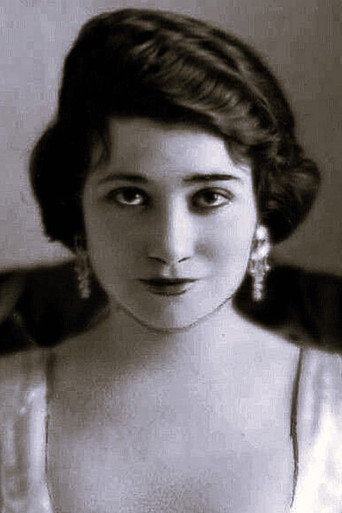 Fay BainterAmelia Tilford
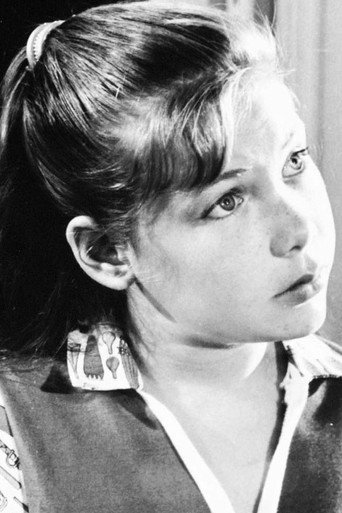 Karen BalkinMary Tilford
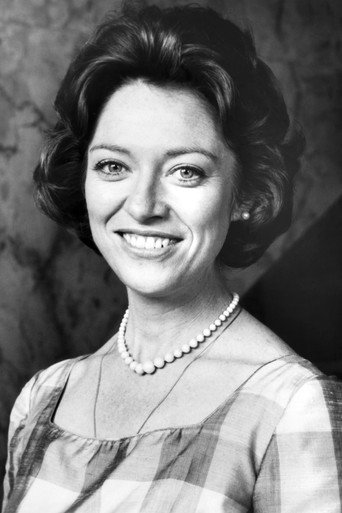 Veronica CartwrightRosalie Wells
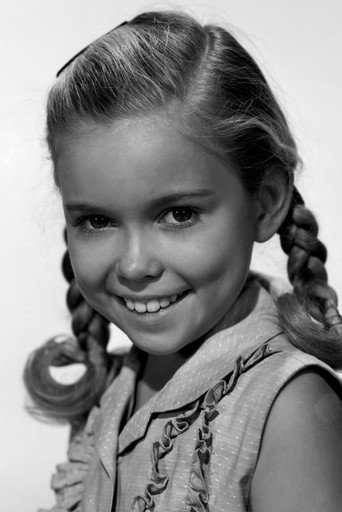 Mimi GibsonEvelyn
- Debbie MoldowStudent
- Diane MountfordStudent
- William MimsMr. Burton
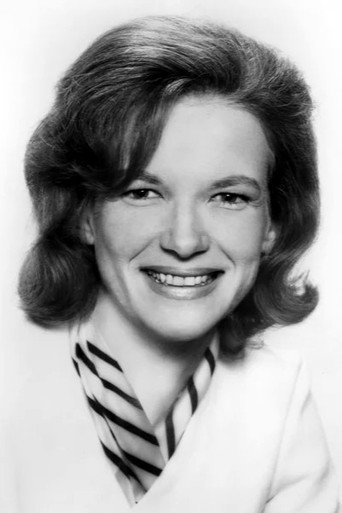 Sally BrophyMrs. Wells
Directing
- Robert E. RelyeaAssistant Director
- William WylerDirector
- John FrancoScript Supervisor
- Jerome M. SiegelSecond Assistant Director
Writing
- Lillian HellmanAdaptation
- John Michael HayesScreenplay
- Lillian HellmanTheatre Play
Production
- Robert WylerAssociate Producer
- Walter MirischExecutive Producer
- William WylerProducer
- Clarence MarksProducer's Assistant
- Allen K. WoodProduction Manager