
Film
The Little Foxes
A 1941 melodrama about a Southern family's ruthless pursuit of wealth and power. Bette Davis commands every frame as Regina, a woman willing to destroy anyone—including her own husband—for money and status. It's poisonous, gripping, and beautifully shot; a masterclass in how to make moral corruption utterly riveting to watch.
Should you watch it?
Watch it if you love a stage-bred drama where every line is a knife and the money talk is as tense as any thriller, especially if you enjoy watching a magnetic, morally rotten schemer dominate a room.
Skip it if you want fast action or a warm, forgiving story, since this is talky, airless and mostly confined to a few rooms where people wound each other with polite venom.
What it asks of you: Sit still for almost two hours of tightly staged dialogue, with a slow build and little relief, where the tension comes from what people hold back rather than what they do.
Not sure? Find tonight's pick in a minute.
If you liked this
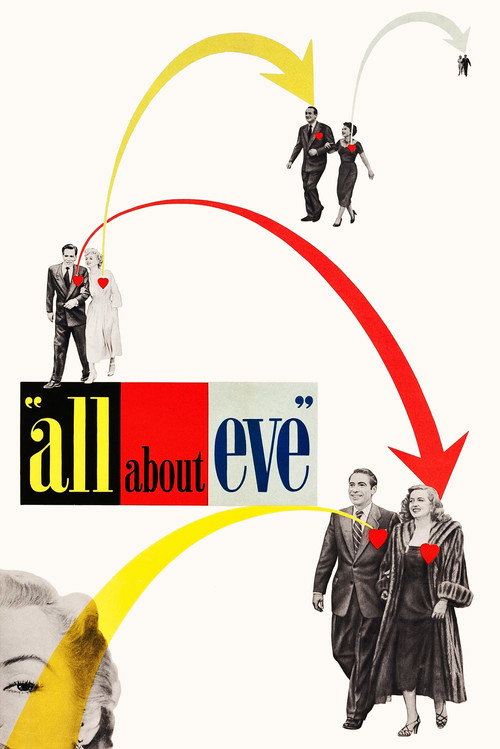
All About Eve1950
Another Davis triumph: a acidic, witty dissection of ambition and ego in a world of scheming women. The dialogue snaps like a whip, and the ensemble cast is impeccable. Same era, same command of the frame.
But It's a very talky film about theatre people, which can feel mannered or dated if you're not in the mood for measured, theatrical delivery.
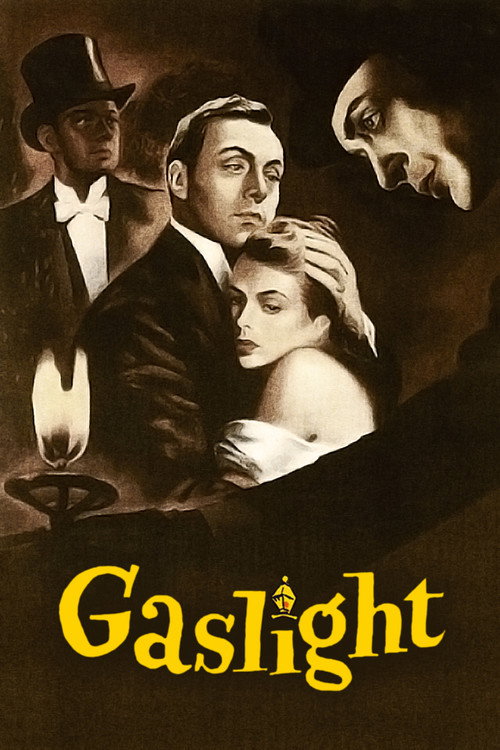
Gaslight1944
A psychological thriller where power, manipulation, and marriage become weapons. Charles Boyer is terrifyingly plausible as a man gaslighting his wife. Ingrid Bergman gives one of cinema's great performances of psychological unraveling.
But The pacing is deliberate, almost stately. If you need constant action or plot momentum, it may feel slow.
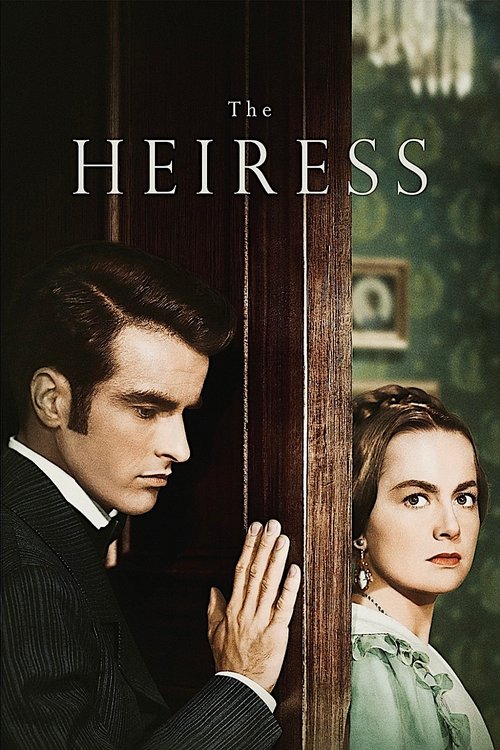
The Heiress1949
Olivia de Havilland as a timid woman who discovers her own capacity for cruelty when betrayed. Like *The Little Foxes*, it explores how circumstances and selfishness can corrupt. Elegantly directed, morally complex, devastating.
But It's primarily a chamber piece set in interiors. Very little happens on screen; most of the drama is internal and silent.
Not sure tonight? Get a pick in a minute, starting from The Little Foxes
The wildcard
Something you would not have found on your own.
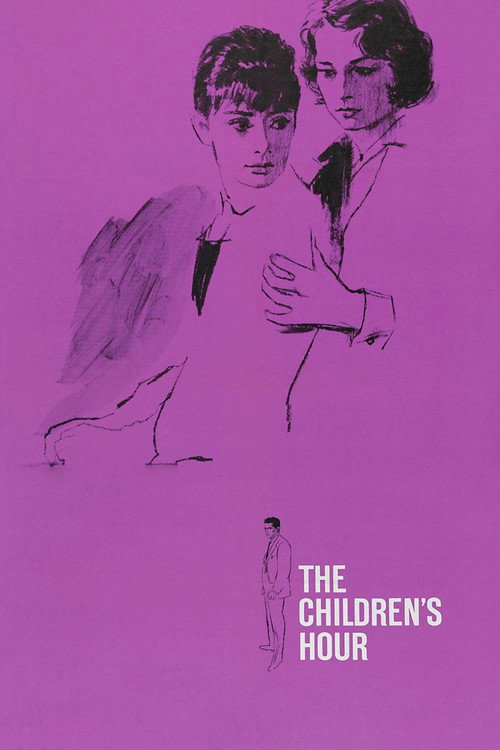
The Children's Hour1961
Both explore how cruelty and ambition destroy people who matter to the protagonist, but *The Children's Hour* strips away the financial motivation and shows us pure malice—the same moral collapse, different engine.
Audrey Hepburn and Shirley MacLaine as two women whose lives are destroyed by a malicious lie. It has *The Little Foxes*' DNA—cruelty, secrets, the way one lie metastasizes into total ruin—but inverts it: here the victim fights back, and the consequences are as poisonous as the original betrayal.
But It's a heavy film about homophobia and destroyed innocence. The weight of it doesn't lift, and the catharsis is complicated by the fact that vindication doesn't repair the damage.
More like this (6)
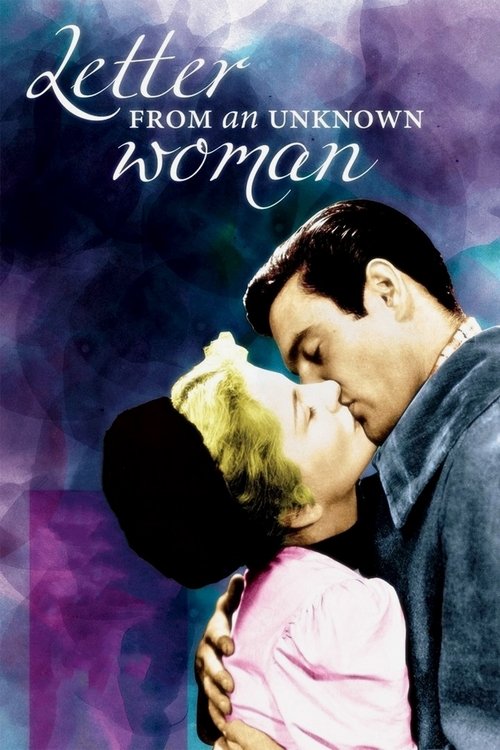
Letter from an Unknown Woman1948
A woman's entire life defined by obsessive love for a careless man. Max Ophüls directs with such visual poetry that the tragedy feels inevitable and gorgeous. It's about power imbalances in desire, not cash, but the moral rot runs deep.
But The romantic framing might seem to forgive what is essentially stalking and self-destruction in the name of love.
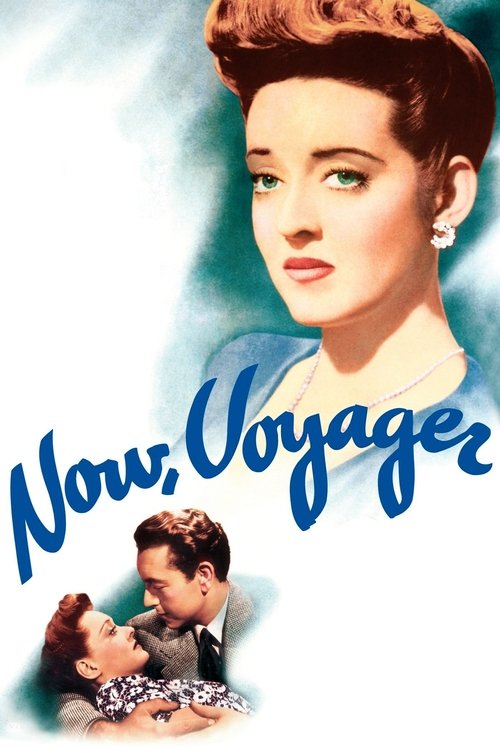
Now, Voyager1942
Bette Davis again, this time as a woman finding liberation and self-determination. It's more hopeful than *The Little Foxes*, but it's the same actress exploring what happens when women decide to seize control of their own lives.
But The ending is a romantic compromise that some find as constraining as the beginning, despite the journey getting there.
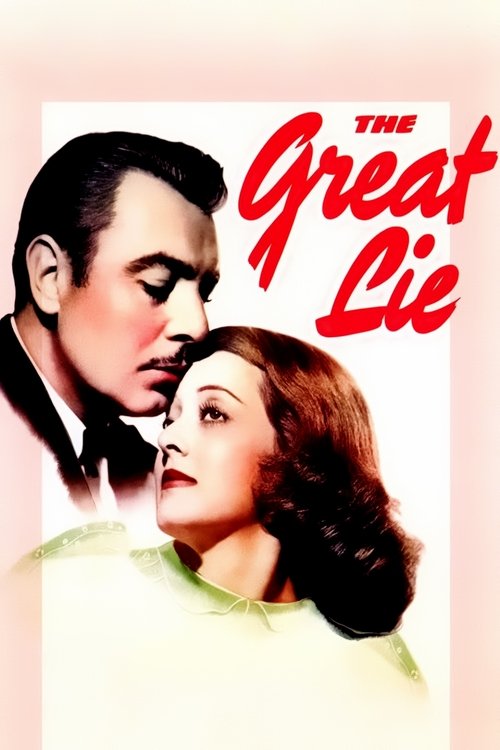
The Great Lie1941
Released the same year as *The Little Foxes*. Mary Astor and Bette Davis in a soap opera about ambition, pregnancy, and betrayal. Pure melodrama with genuine emotional stakes and two powerhouse performances.
But The melodrama is unironic and sometimes uneven. If you're allergic to theatrical emotion, this will feel overwrought.
In a Lonely Place1950
Humphrey Bogart as a screenwriter suspected of murder. Like *The Little Foxes*, it's about the gap between outward charm and inner rot. Nicholas Ray directs with real moral ambiguity; no one is innocent.
But The misogyny is unironic and disturbing, which is the point but can make it hard to sit with.

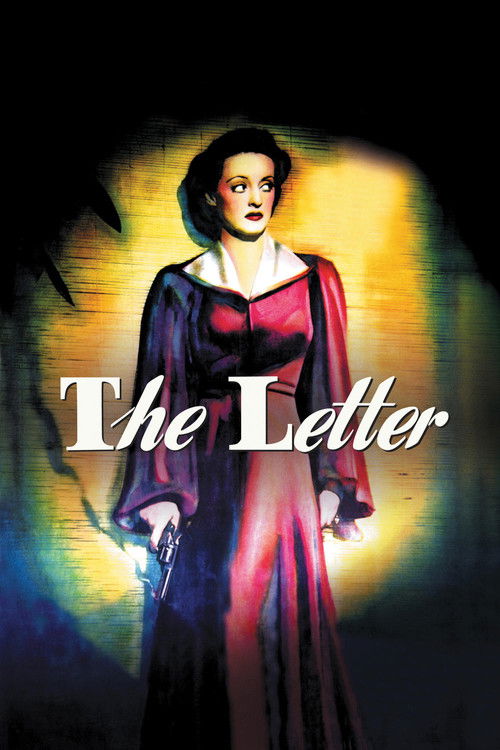
The Letter1940
Bette Davis in an earlier Davis showcase about a woman who murders her lover and must navigate the consequences. It has the same colonial-era setting as *The Little Foxes* and the same exploration of female violence and secrets.
But It's a courtroom drama with long legal exposition. The middle section drags before the moral reckoning arrives.
Requiem for a Dream2000
Both are about the machinery of corruption: how desire metastasizes into something that consumes not just the person but everyone near them. *Little Foxes* is Southern Gothic; *Requiem* is modern nightmare. Same moral engine.
A film about four people destroyed by their own appetites and addictions. It's structured like a Greek tragedy: inexorable, visually devastating, morally precise. The human cost of wanting too much, of refusing to stop, echoes *The Little Foxes*' core idea.
But It's brutally dark and technically punishing to watch. The visual style is aggressive. It ends in absolute despair with no redemption or even dignity.

People
Cast
 Bette DavisRegina Hubbard Giddens
 Herbert MarshallHorace Giddens
 Teresa WrightAlexandra "Zan" Giddens
 Richard CarlsonDavid Hewitt
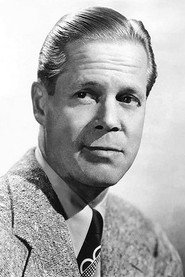 Dan DuryeaLeo Hubbard
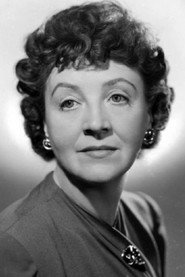 Patricia CollingeBirdie Hubbard
 Charles DingleBen Hubbard
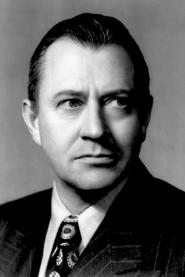 Carl Benton ReidOscar Hubbard
- Jessica GraysonAddie
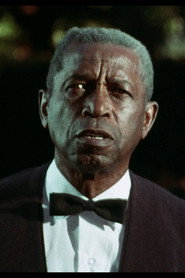
 Russell HicksWilliam Marshall
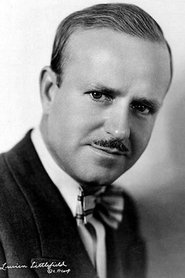 Lucien LittlefieldManders
Directing
- William TummelAssistant Director
- William WylerDirector
Writing
- Lillian HellmanScreenplay
- Niven BuschStoryboard
- Lillian HellmanTheatre Play
Production
- Herman ShumlinProducer
- Samuel GoldwynProducer