
Film
Mr. Skeffington
A 1944 portrait of vanity, sacrifice and late redemption. Bette Davis plays a woman who trades her husband's devotion for a lifetime of shallow admirers, then confronts what remains when beauty fades. It's a showcase for Davis—theatrical, unsparing, occasionally heavy-handed, but undeniably alive. For anyone who loves mid-century melodrama with teeth.
Should you watch it?
Watch it if you love a long, talky melodrama where a sharp-tongued heroine's vanity and wit carry the whole film, and you enjoy watching a flawed character get older on screen without any flattering disguise.
Skip it if you want brisk plotting or a tidy emotional payoff, since this is a leisurely, dialogue-heavy film that lingers on its characters' regrets and resentments.
What it asks of you: Settle in for a long, unhurried sitting of nearly two and a half hours, with scenes that breathe, a lot of verbal sparring, and a tone that drifts between biting and bittersweet.
Not sure? Find tonight's pick in a minute.
If you liked this
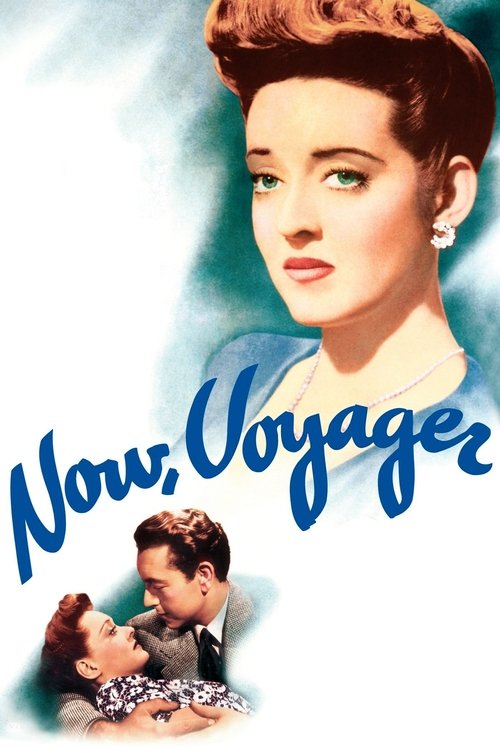
Now, Voyager1942
Another Bette Davis vehicle about a woman reclaiming her life on her own terms. Less about vanity, more about self-discovery, but with the same careful anatomy of female desire and the price of convention.
But The pacing is glacial by modern standards, and the happy ending feels earned but small—a cup of coffee instead of a revolution.
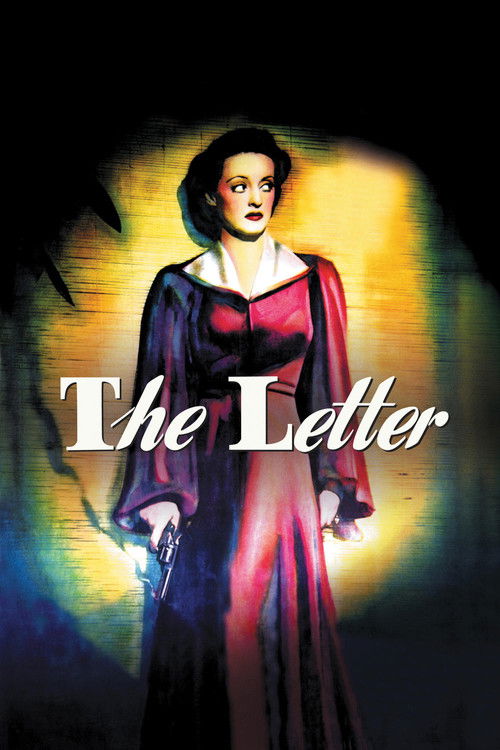
The Letter1940
Davis at her coldest and most compelling: a woman who lies, manipulates and kills to protect her reputation. William Wyler's direction is surgical. No sentimentality, no redemption arc—just the slow unraveling of someone who refuses to bend.
But It's essentially a courtroom procedural that takes its time. Some will find it slow; others will call that suspense.
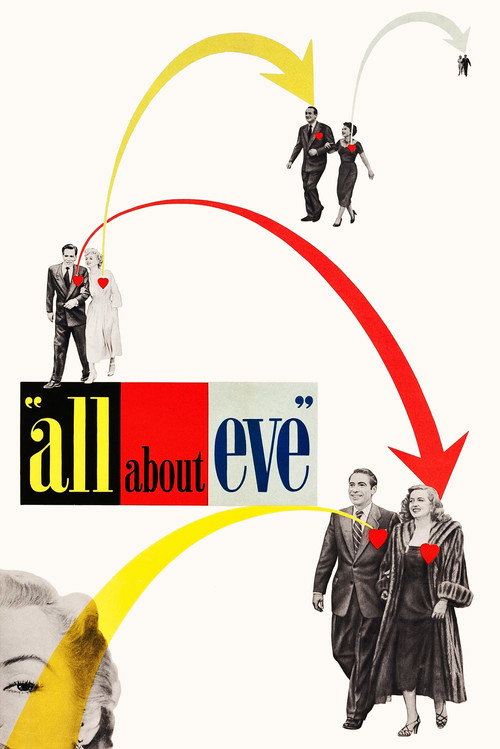
All About Eve1950
Addison DeWitt's narration cuts through vanity with wit sharper than any blade. It's about women competing for attention and relevance in a world that ages them out. Funnier than Mr. Skeffington, but asking the same brutal questions.
But The camp is intentional and biting—if you want sincerity, this will feel like mockery.
Not sure tonight? Get a pick in a minute, starting from Mr. Skeffington
The wildcard
Something you would not have found on your own.
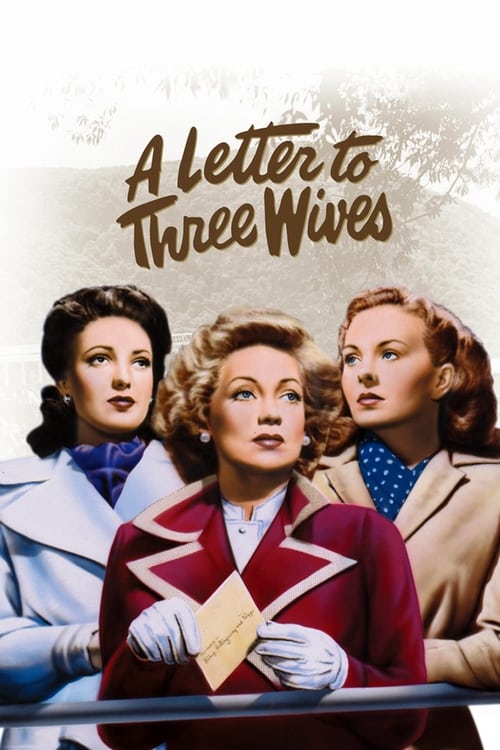
A Letter to Three Wives1949
Both examine what women fear losing most as they age, and what marriage actually costs. But where Skeffington is tragic and operatic, this is urbane and forgiving.
Three women learn that one of their husbands is leaving with an old flame. It's a portrait of marriage, desire and the fear of obsolescence—same thematic DNA as Mr. Skeffington, but filtered through the eyes of multiple women instead of one. Funnier, less baroque, more humane.
But The framing device is clunky and the resolutions are neat in ways that undercut the complexity. It feels smaller than it could.
More like this (8)
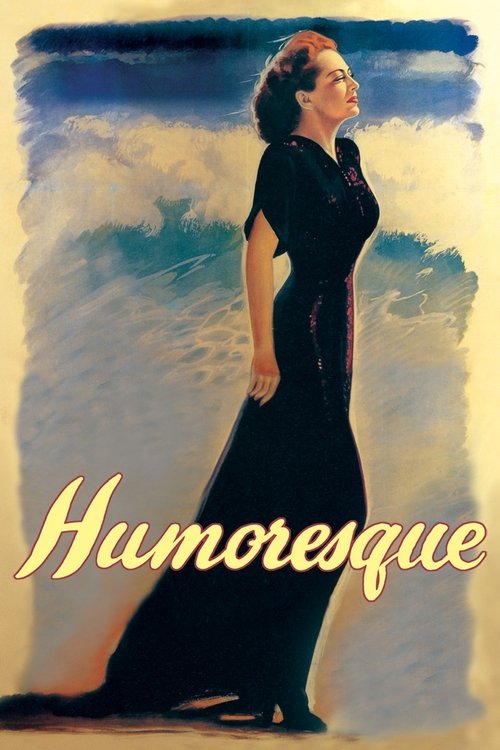
Humoresque1947
A wealthy, bored woman pursues a younger man while her marriage crumbles. Joan Crawford, not Davis, but the same dynamic: female desire as transgression, beauty as currency, age as catastrophe.
But The ending punches down on female sexuality in ways that feel more dated than Mr. Skeffington's similar moral conservatism.
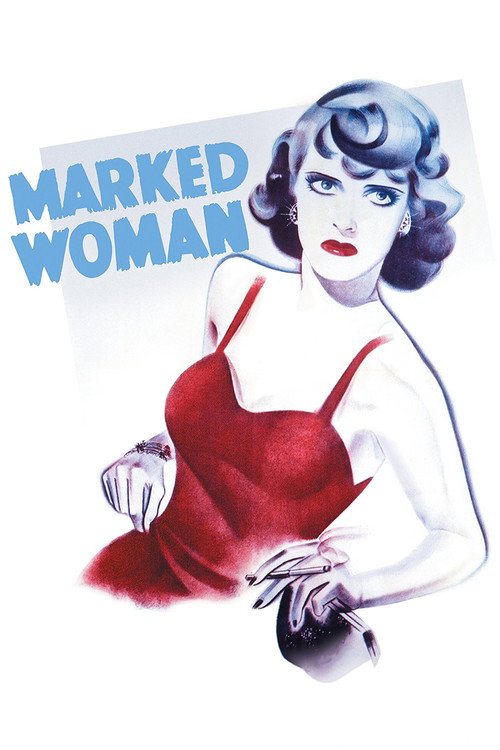
Marked Woman1937
Davis plays a hostess marked by her life of compromise. It's a noir-inflected melodrama about women trapped by circumstance and their own choices, with real anger underneath.
But The production values are cheap and the plot is standard B-picture stuff. It's the performance that carries it.
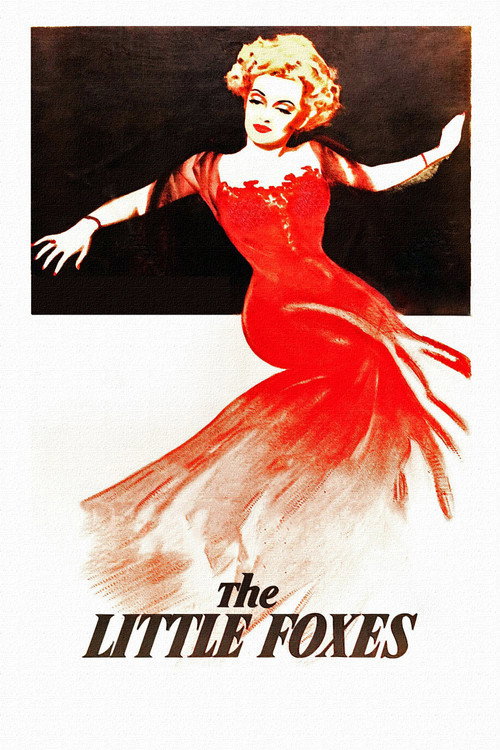
The Little Foxes1941
Davis as Regina Giddens, a woman who destroys everyone around her—husband, sister, daughter—for money and power. Wyler again. It's Mr. Skeffington's darker sibling: vanity as weaponry.
But It's baroque and stagey. The moral stakes are blunt. Some viewers find that operatic; others find it exhausting.
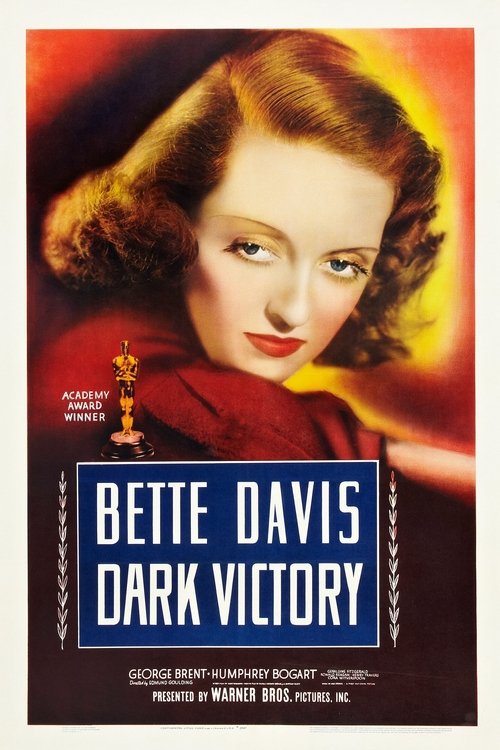
Dark Victory1939
A socialite with a brain tumor learns to live beyond vanity. Davis brings wounded dignity to a woman stripping away her own armor. It's melodrama, but it earns its tears.
But The disease-of-the-week plot is pure '30s sentimentality. It hasn't aged well for viewers allergic to weeping on schedule.
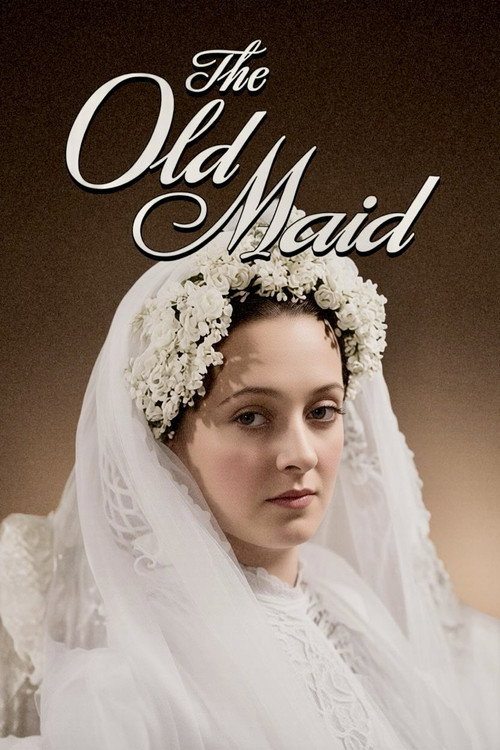
The Old Maid1939
Davis and Miriam Hopkins as two women whose lives diverge after a secret. It's about the roles women are forced to play and the resentment that festers underneath. Quieter than Mr. Skeffington but just as cutting.
But It's slow, interior, and dramatically sparse. A lot of meaningful glances and very little happens on the surface.
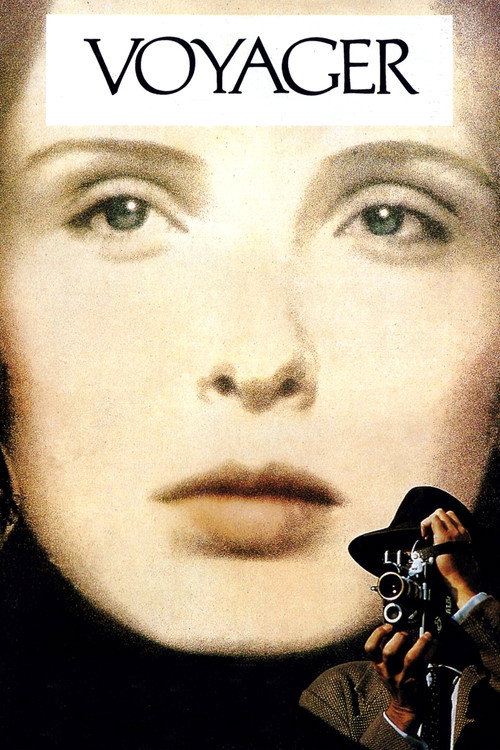
Voyager1991
A meditation on how we lie to ourselves about our lives and loves. It's much more philosophical than Mr. Skeffington—less melodrama, more grief—but they're both about the self-deceptions we wrap ourselves in.
But It's deliberately austere and intellectual. If you want emotional catharsis, this will feel withholding and cold.
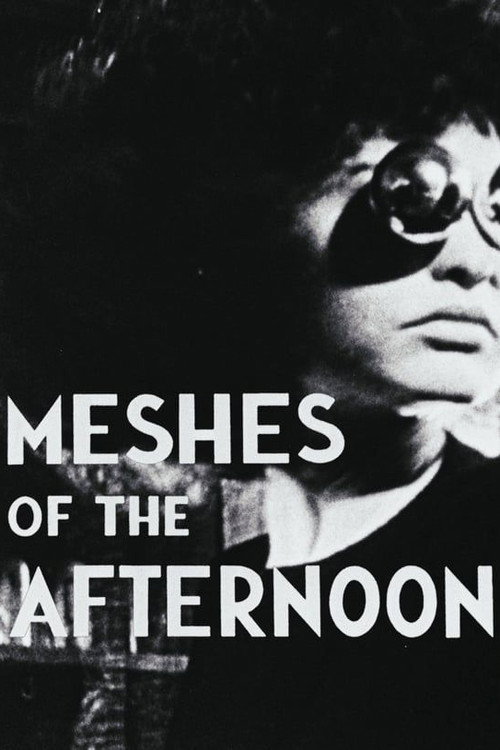
Meshes of the Afternoon1943
Both use female bodies and female time as their central subject. Where Skeffington is about beauty aging, this is about the self fractured and looped. One is commercial melodrama; the other is pure cinema.
A sixteen-minute experimental film by Maya Deren about a woman caught in obsessive loops of self-repetition and disintegration. It's abstract and hypnotic—nothing like Skeffington's melodrama—but it's engaged in the same question: Who is a woman if she strips away the surface she's built?
But It's avant-garde, often confusing, silent, and demands active interpretation. If you want narrative clarity, you will be frustrated.
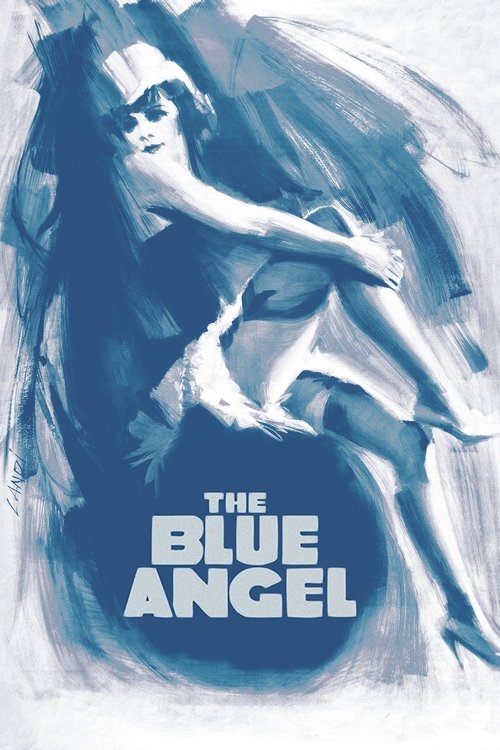
The Blue Angel1930
Skeffington asks what beauty costs the woman who possesses it; The Blue Angel asks what beauty costs the man who worships it. They're inverse tragedies about the same corrupting force.
Emil Jannings plays a professor destroyed by his infatuation with a cabaret singer (Marlene Dietrich). It's the mirror image of Mr. Skeffington: the man undone by beauty, the woman wielding it without remorse. German Expressionist, morally ambiguous, hypnotic.
But It's in German (with subtitles), made in the Weimar period, and deeply cynical about desire and class. The pacing is deliberate. The ending is bleak.
People
Cast
 Bette DavisFanny Trellis
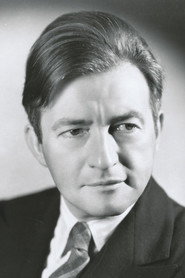 Claude RainsJob Skeffington
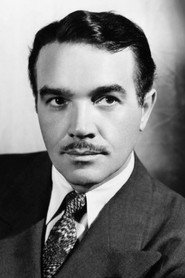 Walter AbelGeorge Trellis
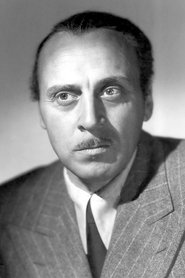 George CoulourisDr. Byles
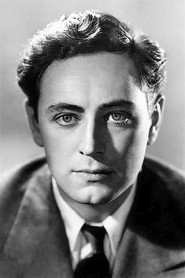 Richard WaringTrippy Trellis
 Marjorie RiordanYoung Fanny
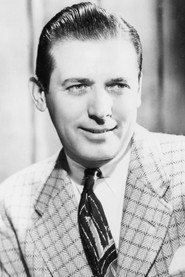 Robert ShayneMacMahon
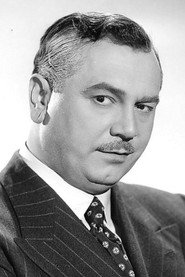 John AlexanderJim Conderley
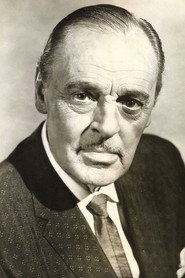 Jerome CowanEdward Morrison
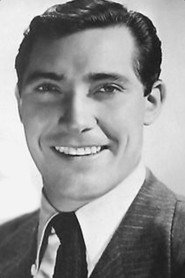 Johnny MitchellJohnny Mitchell
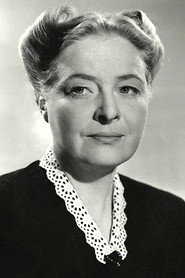 Dorothy PetersonManby
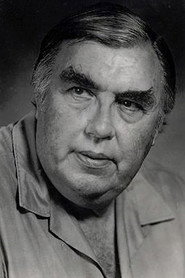 Peter WhitneyChester Forbish
Directing
- William KissellAssistant Director
- Vincent ShermanDirector
Writing
- Julius J. EpsteinScreenplay
- Philip G. EpsteinScreenplay
- Elizabeth von ArnimStory
Production
- Jack L. WarnerExecutive Producer
- Julius J. EpsteinProducer
- Philip G. EpsteinProducer