
Film
Voyager
A restless engineer haunted by a missed past collides with a young woman on a transatlantic voyage. Volker Schlöndorff's adaptation of Max Frisch's novel is a chamber piece about time, destiny, and whether we can ever escape who we've been. Melancholic, European, slow-burn. For viewers who find romance in conversation and regret.
If you liked this
Hiroshima Mon Amour1959
Two strangers in a hotel room excavate memory, desire, and the weight of the past through intimate dialogue. Like Voyager, it treats time as the real antagonist—what we've forgotten, what we can't forget, what it costs to move forward.
But Abstract, poetic, almost plotless. If you need narrative momentum or clear emotional resolution, this will feel glacial and unresolved.
Last Year at Marienbad1961
An enigmatic man insists he met a woman a year ago. Resnais builds dread and desire from pure atmosphere and uncertainty. Both films ask: how well can we know another person, and does it matter?
But Deliberately obscure and repetitive. The puzzle has no answer, and that's the point—which some viewers find infuriating rather than profound.
The Passenger1975
Antonioni's masterpiece about a man who assumes another identity and becomes entangled with a woman he barely understands. Existential, gorgeous, about the impossibility of knowing anyone—or yourself.
But Glacially paced with a detached tone. Long takes and minimal plot progression feel like punishment if you're looking for engagement rather than contemplation.
Not sure tonight? Get a pick in a minute, starting from Voyager
The wildcard
Something you would not have found on your own.
The Marriage of Maria Braun1979
Both films see the past as a kind of gravity from which escape is futile. Both are European art cinema treating ordinary people with tragic weight.
Rainer Werner Fassbinder's film about a woman rebuilding her life after WWII in postwar Germany. Like Voyager, it's about time, survival, and the impossible weight of the past. Both are about people trying to move forward and failing, beautifully.
But Fassbinder's style is abrasive and artificial. His actors often seem to be performing at a distance from their emotions, which can feel cold rather than contemplative.
More like this (7)
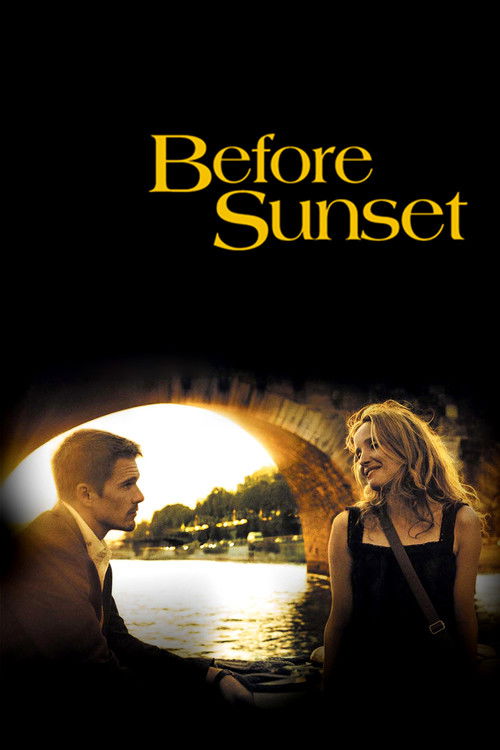
Before Sunset2004
Linklater and Hawke's film is almost entirely conversation between two people with shared history. Nine years have passed; they walk through Paris and talk. It has the same quiet intensity about time, regret, and second chances.
But It's ninety minutes of talking. If you don't connect with the characters and their rhythms within the first twenty minutes, you won't make it.
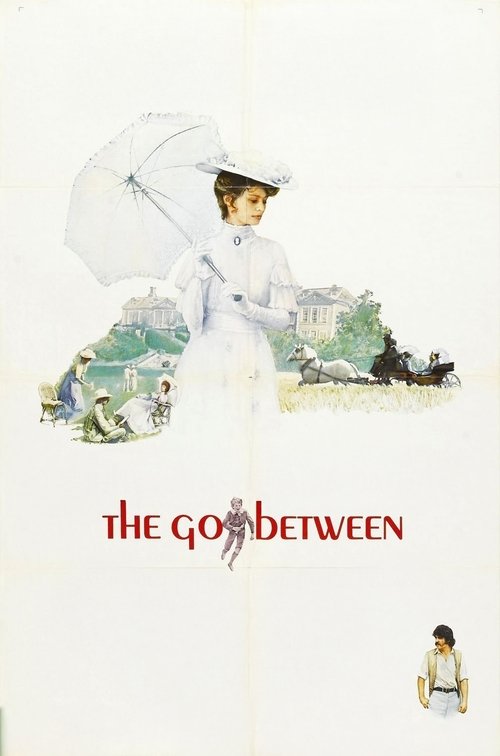
The Go-Between1971
Losey's film about a boy caught between two lovers echoes Voyager's meditation on fate and passion as destructive forces. Beautiful, sad, morally complicated about youth and complicity.
But Emotionally grim. The tragedy unfolds slowly and there's no redemption—only the weight of what cannot be undone.
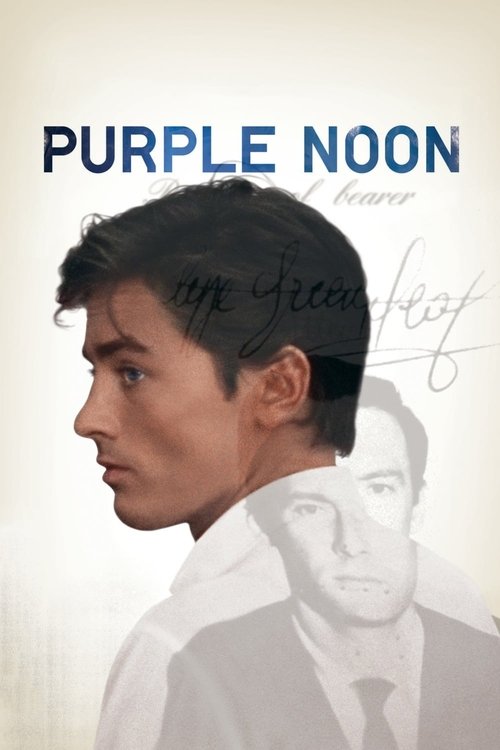
Purple Noon1960
Clément's film about moral corruption aboard a yacht shares Voyager's confined European setting and claustrophobic atmosphere. Two men, increasing tension, beautiful Italian cinematography masking something rotten.
But Ambiguous about who deserves sympathy. If you need clear moral anchors, the film's lack of judgment will feel slippery and unsatisfying.
La Haine1995
A different kind of European art cinema: raw, furious, about young men trapped by circumstance. It shares Voyager's concern with fate and whether we can escape the gravity of our own lives.
But Bleak, angry, and violent. No comfort here, and the ending is deliberately harsh. Tonally the opposite of Voyager's sad romanticism.

All That Jazz1979
Fosse's semi-autobiographical film about a man confronting his mortality and his relationships. Like Voyager, it's about running from the past and the impossibility of escape.
But Indulgent and self-obsessed. The protagonist is deeply unlikeable, and Fosse doesn't ask you to forgive him—he asks you to watch him anyway.
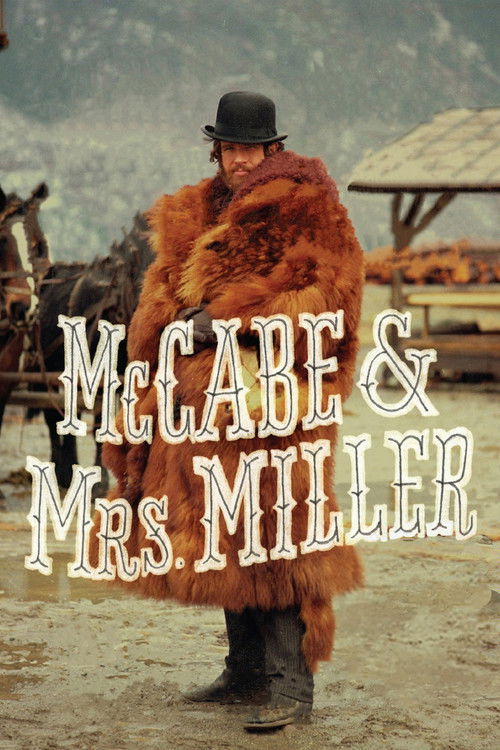
McCabe & Mrs. Miller1971
Altman's film about two people trying to build something together in a harsh landscape. It has Voyager's romantic fatalism—the sense that some people and moments are doomed from the start, however beautiful.
But Muddy sound design, overlapping dialogue, and an ending that punishes hope. It requires patience and rewards it unevenly.
The Turin Horse2011
Both place two people in enclosed spaces and ask them to confront the fact that time itself is the enemy. Tarr makes it explicit what Schlöndorff leaves whispered.
Béla Tarr's final film is about a man and woman living in isolation, waiting for the world to end. Wordless, hypnotic, about how time passes when there is nowhere to go and nothing to do. Faber and Sabeth's voyage feels almost exactly like this.
But Monochrome, glacially slow, nearly devoid of dialogue or plot. The apocalyptic tone is unrelenting and the film punishes impatience. You must surrender to it or it will destroy you.

People
Cast
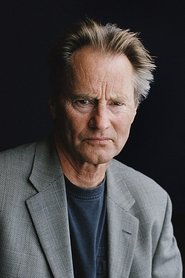 Sam ShepardWalter Faber
 Julie DelpySabeth
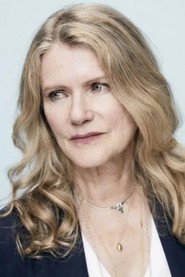 Barbara SukowaHannah
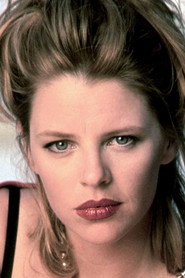 Traci LindCharlene

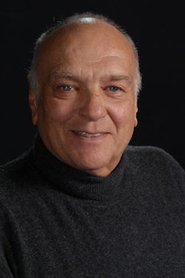 Dieter KirchlechnerHerbert Hencke
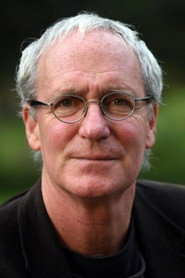 August ZirnerJoachim Hencke
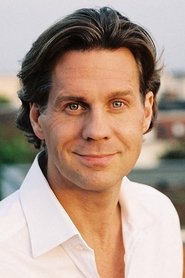 Thomas HeinzeKurt
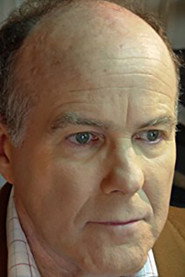 Bill DunnLewin
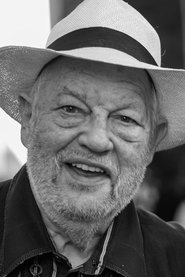 Peter BerlingBaptist
- Lorna FarrarArlette
- Kathleen MatiezenLady Stenographer
Directing
- Volker SchlöndorffDirector
Writing
- James RaganAdaptation
- Max FrischNovel
- Rudy WurlitzerScreenplay
- Volker SchlöndorffScreenplay
Production
- Pat GoldenCasting
- Sabine SchrothCasting
- Bodo ScribaCo-Producer
- Klaus HellwigExecutive Producer
- Vasilis KatsoufisExecutive Producer
- Eberhard JunkersdorfProducer