
Film
The Great Lie
A 1941 melodrama where a wife discovers her husband's lover is carrying his child after he vanishes in a plane crash. Bette Davis commands the screen as a woman navigating betrayal, maternal duty, and her own resilience. It's all swooning passion and moral complexity wrapped in gorgeous black-and-white cinematography. For anyone who loves Hollywood's golden age at its most deliciously overwrought.
Should you watch it?
Watch it if you love old-Hollywood women's pictures where the dialogue is sharp, the rivalry is operatic, and the emotions are played straight without winking at the audience.
Skip it if you want brisk modern pacing, since this is a talky piece of 1940s studio melodrama that lingers over its feelings and runs nearly two hours.
What it asks of you: Long scenes, lingering close-ups and a melodramatic register that rarely lets up; it rewards patience more than restlessness.
Not sure? Find tonight's pick in a minute.
If you liked this
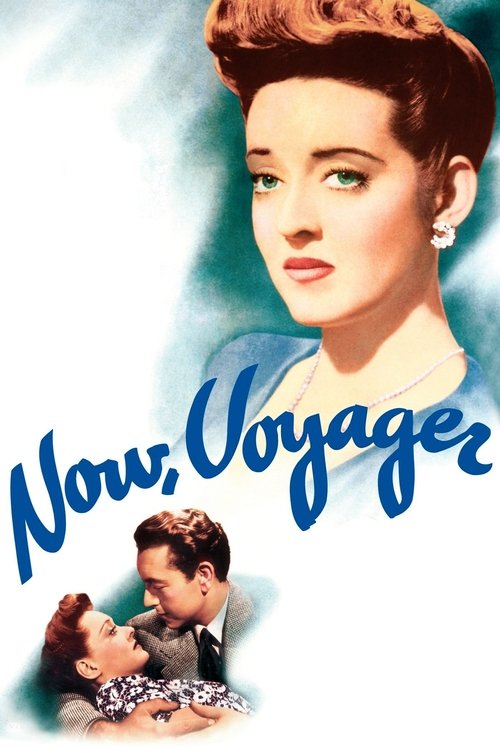
Now, Voyager1942
Another Bette Davis triumph, equally invested in female transformation and romantic longing. She's magnificent as a woman discovering herself after a lifetime of constraint. The emotional stakes feel genuinely earned, not just melodramatic flourish.
But The pacing is leisurely; scenes linger in ways that feel indulgent now. If you want quick cuts and snappy exposition, this will feel slow.
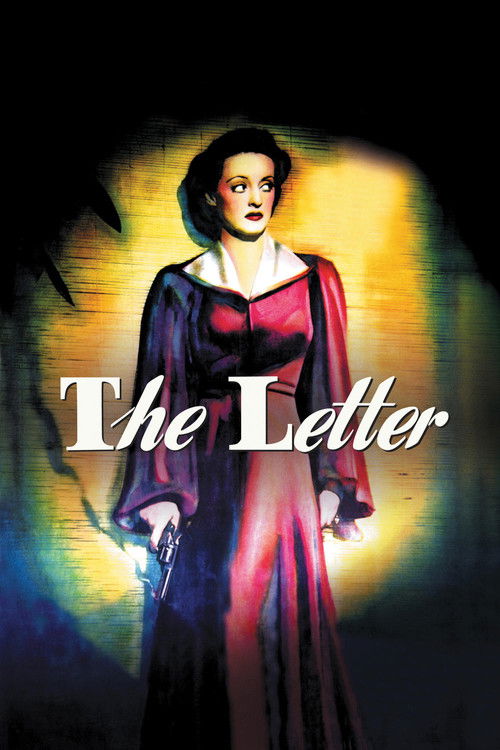
The Letter1940
Davis again, in an even darker role as a woman whose lie spirals into consequence. William Wyler directs with surgical precision. It's morally unsparing and genuinely tense in ways that deepen with repeat watching.
But The colonial setting and racial politics haven't aged well; the film doesn't interrogate them. Some viewers will find that aspect genuinely hard to sit with.
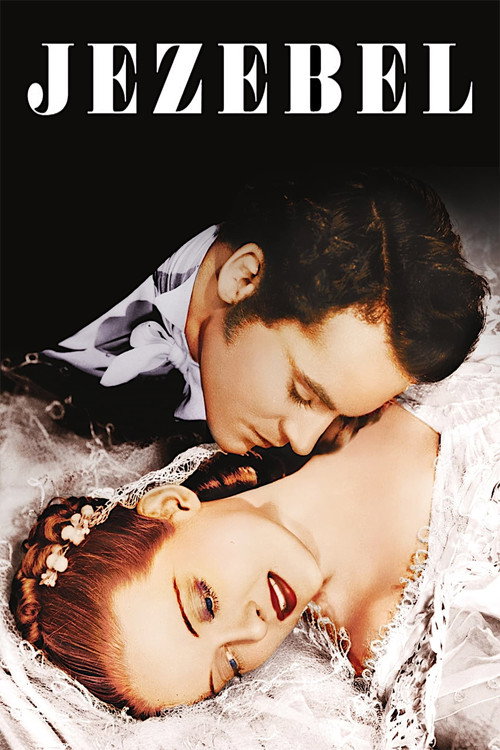
Jezebel1938
Davis won an Oscar for this one, and she deserved it. A woman's refusal to be tamed by Southern propriety sets everything else in motion. The sexual tension and defiance packed into her scenes is electric.
But The film is ultimately conservative about that defiance, pulling her back into line. If you want a real rebel, you might feel short-changed by the ending.
Not sure tonight? Get a pick in a minute, starting from The Great Lie
The wildcard
Something you would not have found on your own.
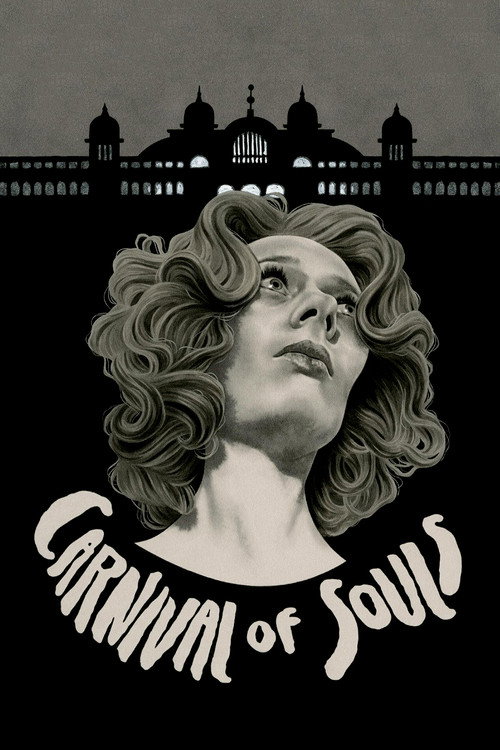
Carnival of Souls1962
Both pit a woman alone against a secret reality that reshapes everything she thought was true. Both find psychological horror in domestic or romantic betrayal.
A woman survives a car accident but may be dead. Shot in black-and-white on a shoestring budget, it's dreamlike and deeply unsettling. Herk Harvey creates atmosphere from nothing; it haunts you for weeks after.
But Very slow, very strange, with dated acting and a sound design that's deliberately discordant. It's not trying to be traditionally entertaining.
More like this (8)
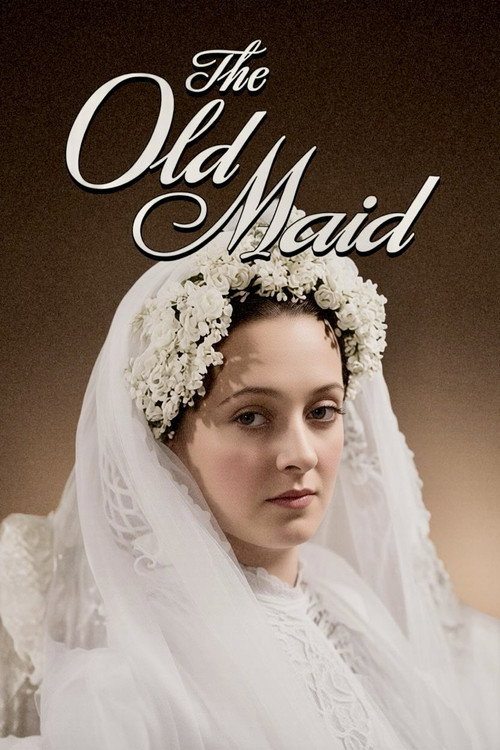
The Old Maid1939
Two women bound by a secret across decades. Davis and Miriam Hopkins create a relationship so textured you believe every year of tension. It's about sacrifice without sentiment, which is harder than it sounds.
But Very little happens in plot terms. If you need external conflict—fights, chases, clear obstacles—this will feel static.
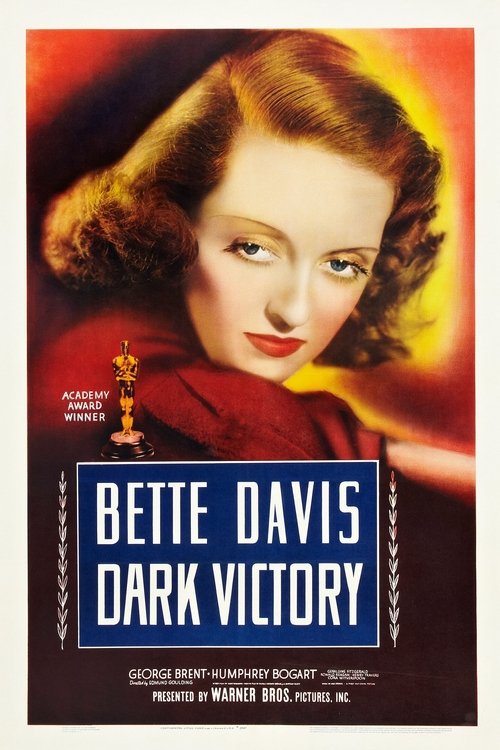
Dark Victory1939
Davis facing her own mortality with grace and humor. George Brent (your film's leading man) co-stars. It finds real dignity in suffering without wallowing, which is its own kind of bravery.
But The medical subplot is dated and somewhat patronizing. The film's kindness sometimes reads as naiveté about what illness actually costs.
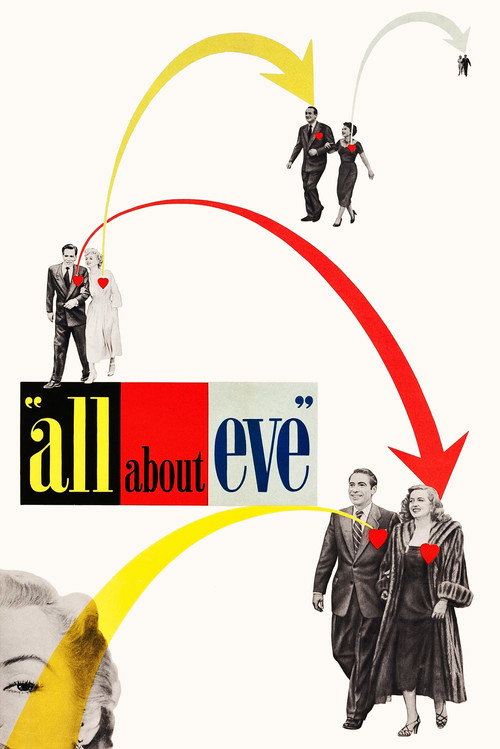
All About Eve1950
A masterpiece of backstage theatre politics and the hunger that drives ambition. Bette Davis as an aging star is cutting and funny. Mankiewicz's script is nearly perfect; every scene pays off.
But It's very much of its time in how it punishes female ambition, even as it celebrates it. The ending resolves in ways that feel designed rather than inevitable.
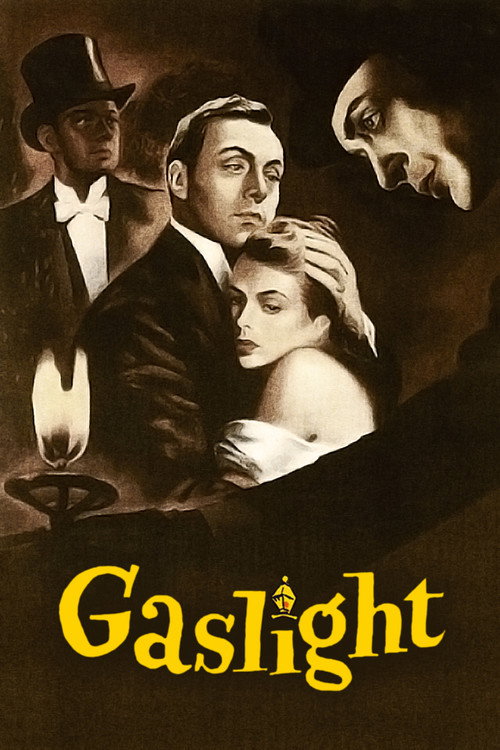
Gaslight1944
Ingrid Bergman as a woman systematically made to doubt her own mind by her husband. It's psychologically devastating and utterly gripping. Charles Boyer is chillingly credible as the architect of her dissolution.
But The manipulative premise can feel punishing to watch. If you're sensitive to gaslighting or emotional abuse, it's a hard sit.
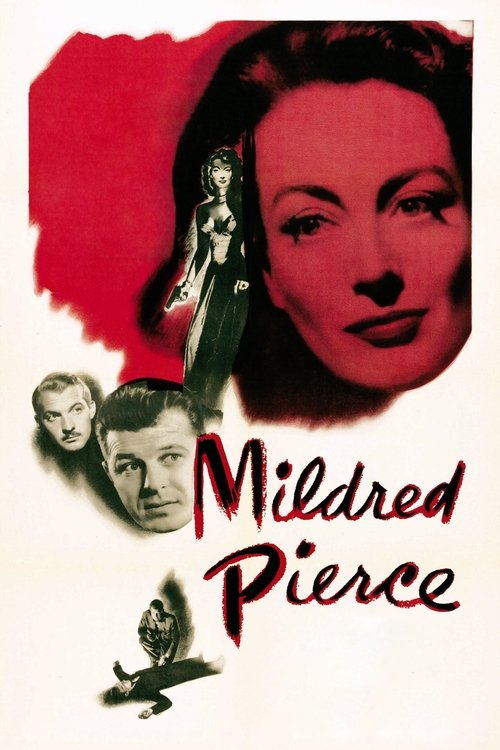
Mildred Pierce1945
Joan Crawford as a woman whose devotion to her daughter becomes almost pathological. It's noir-adjacent melodrama with real moral complexity. The twist lands hard because you don't see it coming.
But The daughter is so thoroughly awful that the film becomes painful. If you need characters to root for, there aren't many here.
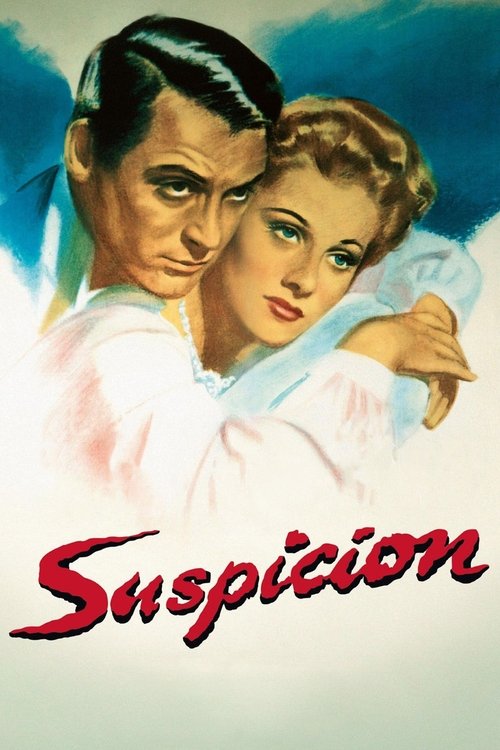
Suspicion1941
Cary Grant in a rare villainous role, Joan Fontaine as a wife slowly realizing her husband might be a murderer. Hitchcock builds paranoia beautifully. The ending is controversial, but what precedes it is genuine terror.
But The ending itself feels like a studio compromise, and it undercuts everything. Many viewers find it actively frustrating, and they're right.
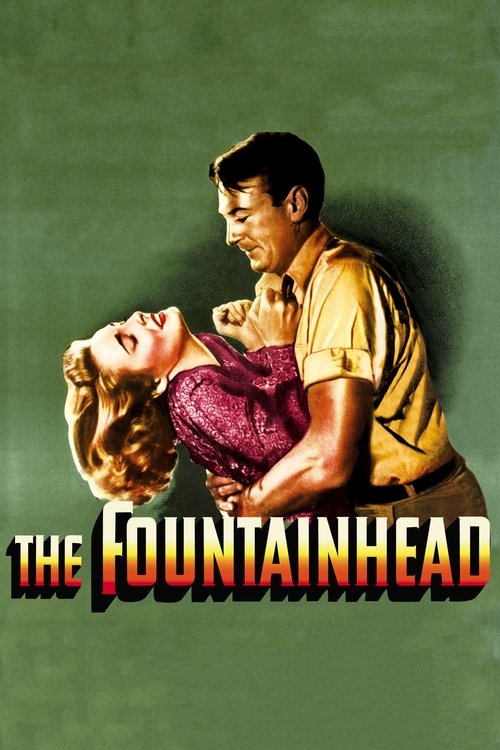
The Fountainhead1949
Both are about women and men who want something so badly they're willing to wreck themselves and others to get it. Both take that hunger seriously rather than punishing it.
Gary Cooper as an architect who refuses to compromise his vision, Ayn Rand's ideology made visual. King Vidor directs it like a fever dream. Whether you buy Rand's philosophy or not, the film's conviction is absolute and kind of thrilling.
But It's essentially one long argument. If you disagree with Rand, you may find the film actively infuriating rather than engaging. Some of it really is that obvious.
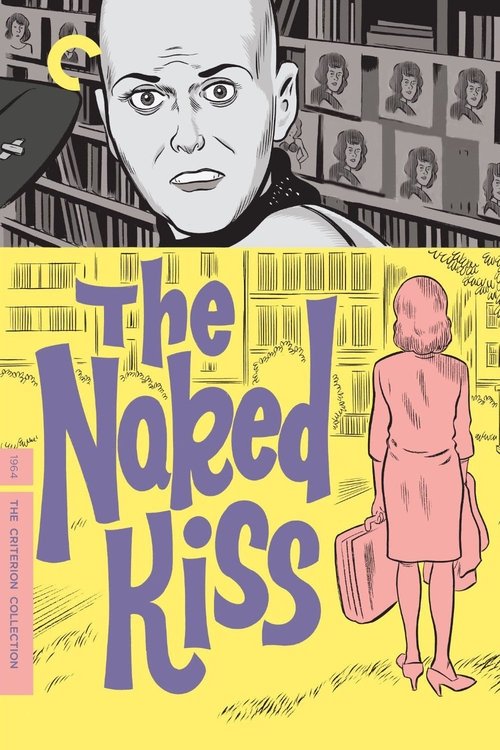
The Naked Kiss1964
A woman fighting against how the world has decided to define her, trying to rebuild herself as someone new. Both refuse to let female compromise look like defeat.
Samuel Fuller's film about a former sex worker trying to build a respectable life. Shot in gorgeous black-and-white, it's shameless and morally complicated in ways mainstream cinema won't touch. Fuller has no patience for judgment; he just shows you.
But It's genuinely transgressive and the 1964 moment shows. Some scenes feel exploitative by current standards, and that discomfort isn't entirely wrong. Also quite bizarre and disjointed tonally.
People
Cast
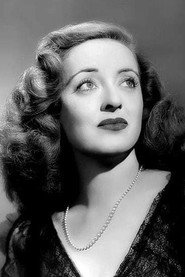 Bette DavisMaggie Patterson Van Allen
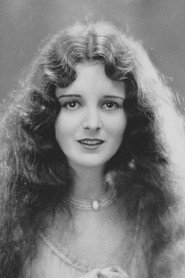 Mary AstorSandra Kovak
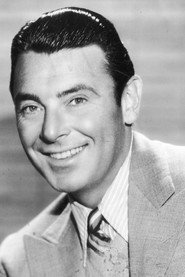 George BrentPeter 'Pete' Van Allen
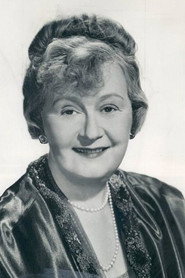 Lucile WatsonAunt Ada Greenfield
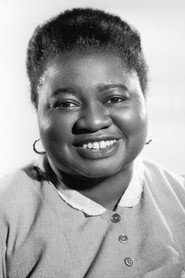 Hattie McDanielViolet
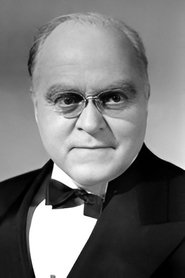 Grant MitchellJoshua Mason
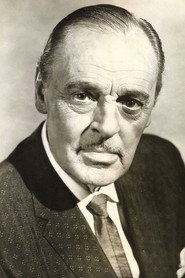 Jerome CowanJock Thompson
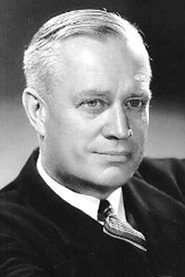 Charles TrowbridgeSenator Ted Greenfield
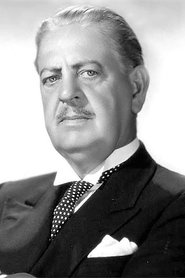 Thurston HallOscar Worthington James
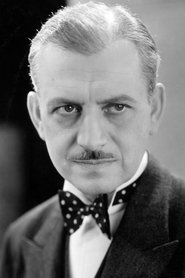 Russell HicksColonel Harriston
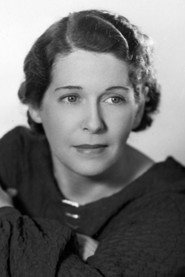 Virginia BrissacSadie
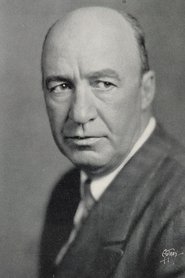 J. Farrell MacDonaldDr. Ferguson
Directing
- Jack SullivanAssistant Director
- Edmund GouldingDirector
Writing
- Polan BanksNovel
- Lenore J. CoffeeScreenplay
Production
- Henry BlankeAssociate Producer
- Hal B. WallisExecutive Producer
Recommended by
The Little Foxes, Jezebel, Four Daughters, Swing High, Swing Low, Women in War