
Film
Swing High, Swing Low
A 1937 romantic drama about a woman stranded in Panama who falls for a trumpet player on the rise, only to watch ambition and success corrode everything between them. Carole Lombard brings warmth and intelligence to a story about loving someone who loves themselves more. It's a genuinely felt film about the cost of dreams, wrapped in the glamour and melancholy of pre-war Hollywood.
If you liked this
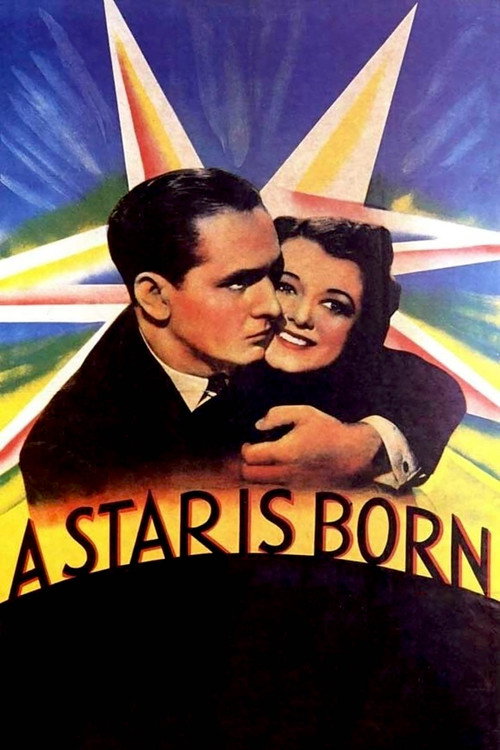
A Star Is Born1937
Released the same year, this is the definitive Hollywood story about talent, ambition, and the wreckage it leaves behind. Janet Gaynor and Fredric March burn with the same doomed chemistry Lombard and MacMurray share here.
But It's bleaker and more explicitly tragic than Swing High, Swing Low. The ending doesn't offer even the comfort this film does.
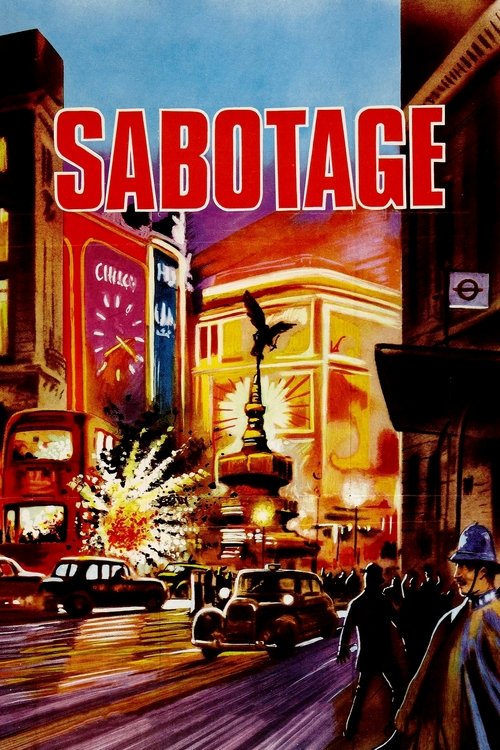
Sabotage1936
Hitchcock's tense romance between a woman and a spy in London, where love becomes entangled with deception and danger. Dorothy Lamour appears here too—a reminder of how skilled these actors were at navigating romantic peril.
But It's far more thriller than romance. The tone is colder and the stakes are political rather than personal.
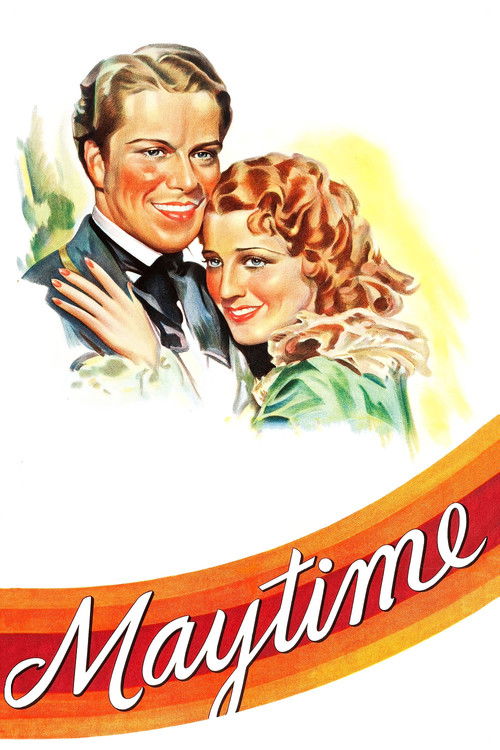
Maytime1937
Jeanette MacDonald and Nelson Eddy in an operetta about artists in love across decades, with genuine pathos beneath the singing. It has Swing High's romanticism but more overt tragedy and spectacular production numbers.
But The musical numbers will feel dated and lengthy if you're not already sold on that genre. Some find the sentimentality overdone.
Not sure tonight? Get a pick in a minute, starting from Swing High, Swing Low
The wildcard
Something you would not have found on your own.
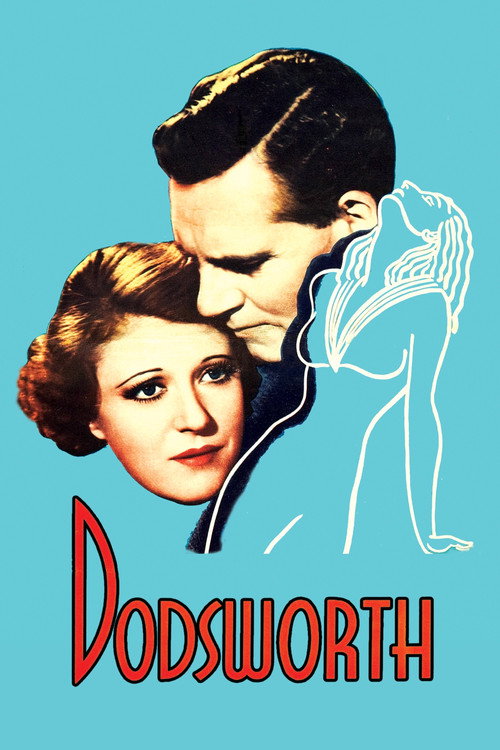
Dodsworth1936
Both films are interested in the same quiet devastation: watching someone you love choose themselves, and having to live with that knowledge every day.
William Wyler's film about a businessman and his wife traveling Europe after retirement—a study of how love can fracture when one partner changes and the other doesn't. Walter Huston is magnificent in the role of the man left behind, watching ambition and selfishness destroy what he thought was solid.
But It's a portrait of slow disintegration rather than dramatic romance. The pacing is deliberate and the emotional landscape is gray. Not cathartic—just true.
More like this (8)
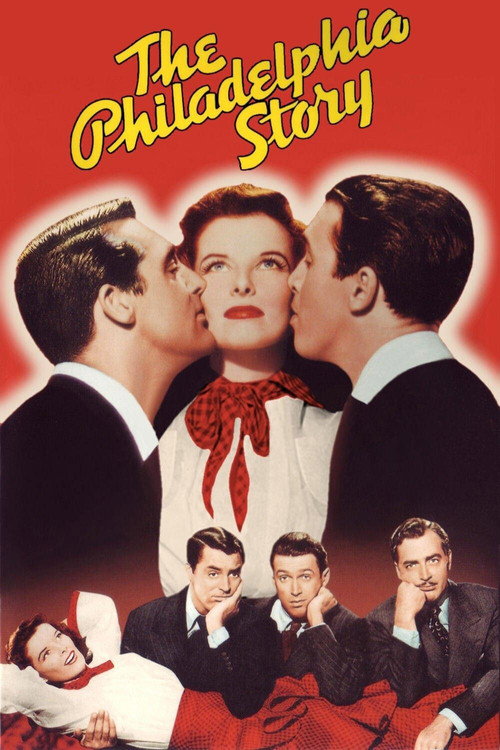
The Philadelphia Story1940
Cary Grant, Katharine Hepburn, and James Stewart navigate love and ego with sharp comedy. Like Swing High, it's interested in how ambition and vanity can poison what should be simple affection.
But It's a comedy first, so the emotional stakes feel lighter. The glamour sometimes overshadows the genuine hurt underneath.
Breakfast at Tiffany's1961
Audrey Hepburn as a woman drawn to a man she can't quite hold onto, surrounded by the glitter of New York nightlife. It shares Swing High's mood of beautiful surfaces concealing loneliness and compromise.
But It's more whimsical and less grounded than a 1937 drama. The romance feels less urgent, more like a stylish game.

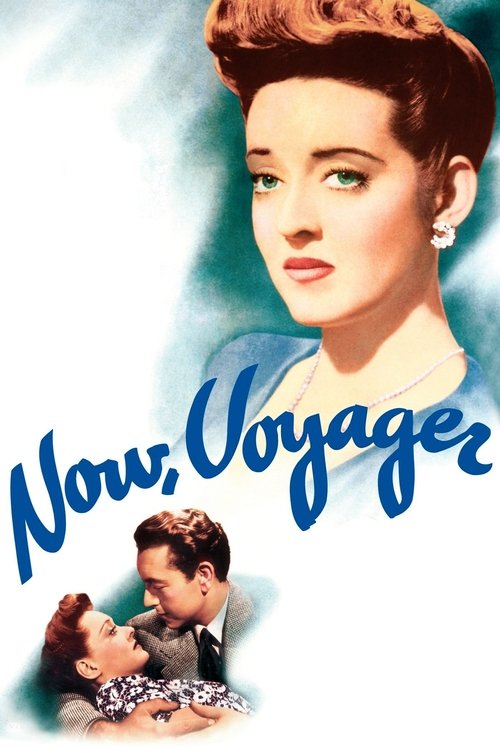
Now, Voyager1942
Bette Davis transforms under the love of Paul Henreid, only to discover the price of that devotion. A superb actress at full power, wrestling with the same questions about love and self that Lombard faces here.
But It's slower-paced and more psychologically baroque. Davis's intensity can feel overwrought if you prefer subtlety.
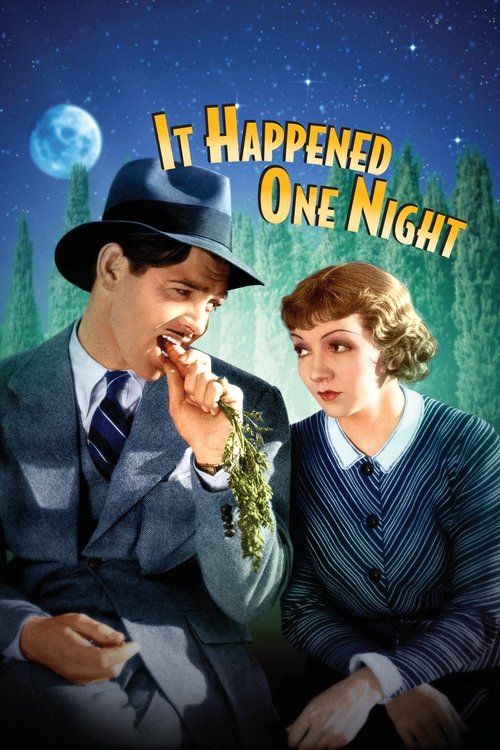
It Happened One Night1934
Claudette Colbert and Clark Gable in the template for romantic screwball: two people who don't belong together, thrown together anyway. The chemistry is immediate and the comedy takes the edge off the sentiment.
But It's much lighter in tone. If you want the melancholy of Swing High, this won't provide it—it's all deflection and wit.
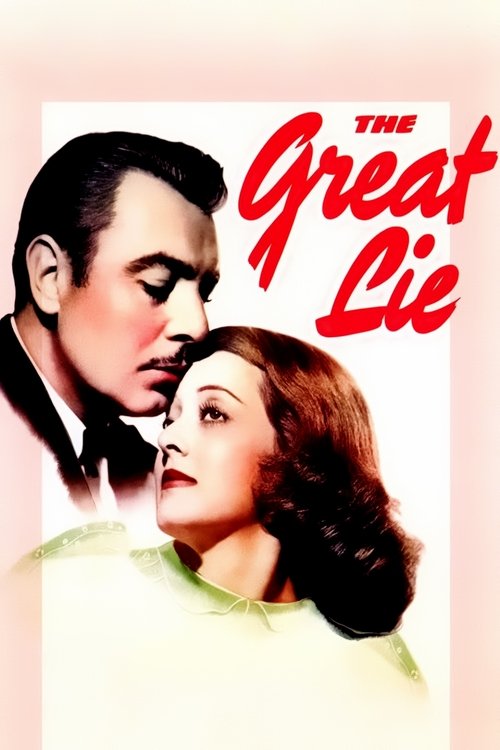
The Great Lie1941
Bette Davis and George Brent in a drama about ambition, betrayal, and the woman left behind. It has real dramatic weight and Davis's ability to convey heartbreak without melodrama is extraordinary.
But The plot mechanisms are baroque and sometimes strain credibility. It's a studio product, and it shows in the contrivances.
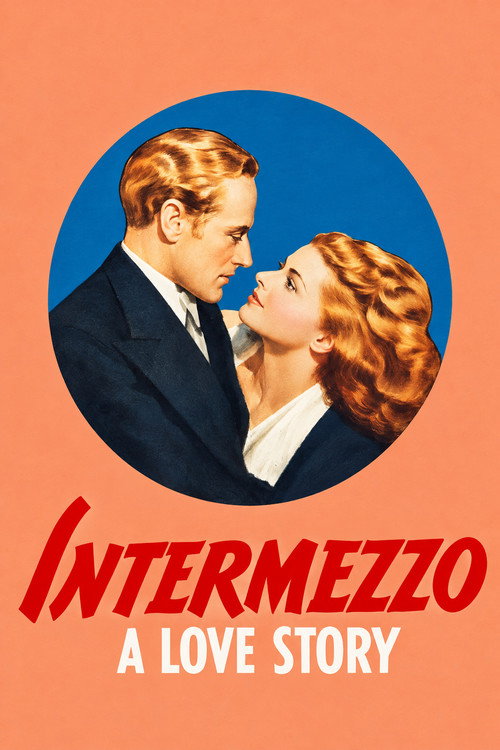
Intermezzo: A Love Story1939
Ingrid Bergman in her Hollywood debut with Leslie Howard, a concert pianist drawn into an affair that tests his marriage and her integrity. A quieter, more melancholic take on passion meeting consequence.
But It's slow by modern standards and the emotional resolution feels almost too neat. Bergman's perfection can feel distant compared to Lombard's warmth.
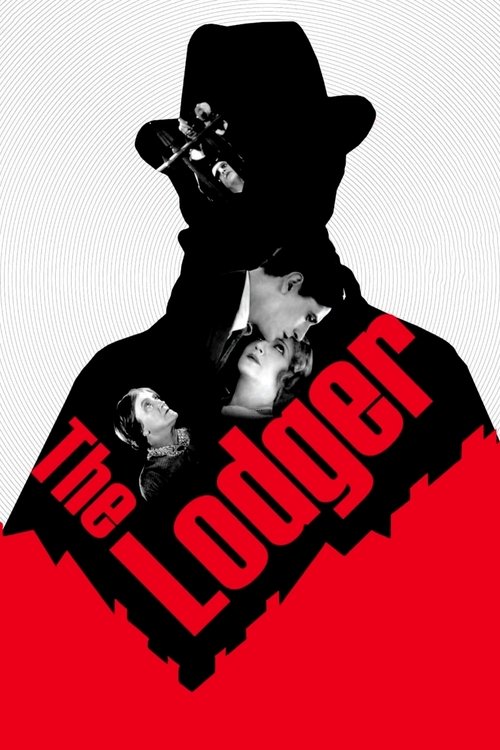
The Lodger: A Story of the London Fog1927
Both films understand that nightclubs, glamour, and the promise of transformation are surface textures over darker currents of human nature and longing.
F.W. Murnau's silent film about a landlady and a mysterious tenant—desire complicated by suspicion and fear. The visual language is extraordinary, and the atmosphere of romance curdling into dread is genuinely unsettling in ways sound film rarely achieves.
But It's silent. If you've never watched one, the learning curve is steep. Some find the expressionist style more arch than moving.
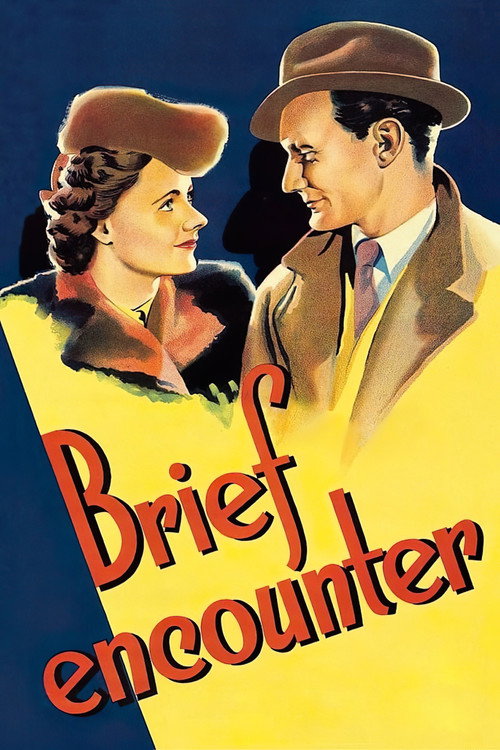
Brief Encounter1945
Like Swing High, Swing Low, it's about the moment when love collides with the real world—but where that film watches ambition destroy romance, this one watches circumstance and duty do the same, with even less hope of escape.
David Lean's masterpiece about two ordinary people meeting in a railway café, falling in love across weeks of stolen moments. Celia Johnson and Trevor Howard are understated and devastating—the film is about what isn't said, the life unlived. It's the anti-Hollywood romance.
But It's very British in its restraint and melancholy. If you want resolution or catharsis, this offers only the ache of longing. Some find it too sad to revisit.
People
Cast
 Carole LombardMaggie King
 Fred MacMurraySkid Johnson
 Charles ButterworthHarry
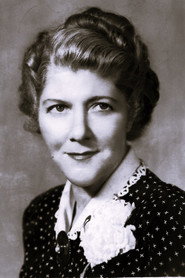 Jean DixonElla
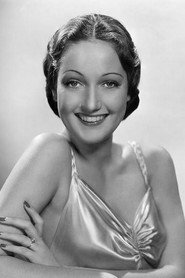 Dorothy LamourAnita Alvarez
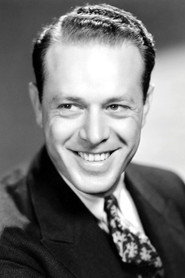 Harvey StephensHarvey Howell
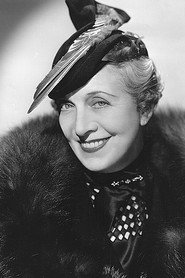 Cecil CunninghamMurphy
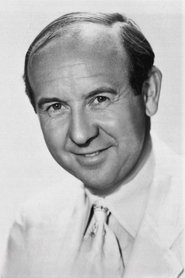 Charles ArntGeorgie
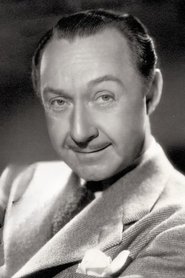 Franklin PangbornHenri
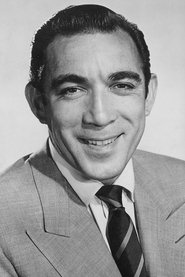 Anthony QuinnThe Don
 Charles JudelsTony
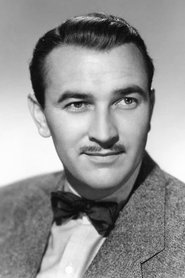 Lee BowmanEl Greco Patron (uncredited)
Directing
- Mitchell LeisenDirector
Writing
- Oscar Hammerstein IIScreenplay
- Virginia Van UppScreenplay
- Arthur HopkinsTheatre Play
- George Manker WattersTheatre Play