
Film
The Good Companions
- Musical
- Light-hearted
A 1933 film musical where three disparate characters—a runaway piano teacher, a weary mill-worker, and a jaded composer—band together to resurrect a dying touring theatre company. It's buoyant and earnest, buoyed by Jessie Matthews' charisma and real musical numbers. Made for anyone who loves the idea of ragtag underdogs saving a show through talent and determination.
Should you watch it?
Watch it if you have a soft spot for backstage Britain in the early talkie years, where a shabby touring troupe and a pile of cheerful songs carry more warmth than polish.
Skip it if you find early musicals stiff going, since the songs, sentiment and early sound can feel dated next to modern film.
What it asks of you: Settle in for a leisurely, ambling run of nearly two hours, with long stretches of chatter and tunes before the story gathers momentum, and a tolerance for old-fashioned sincerity.
Not sure? Find tonight's pick in a minute.
If you liked this
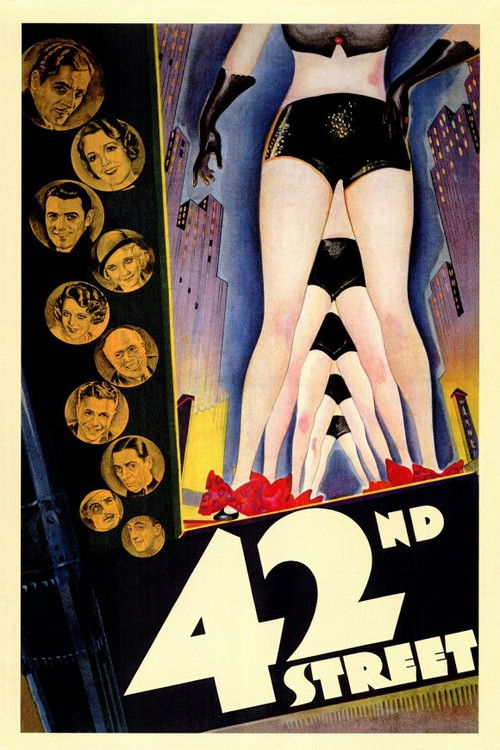
42nd Street1933
Released the same year, this archetypal backstage musical has the same DNA: struggling performers, a show that must go on, big production numbers, and genuine stakes. Warner Bros. perfected the formula here.
But The plot is frankly thin and the pacing occasionally sluggish by modern standards. Some dialogue hasn't aged particularly well.
Singin' in the Rain1952
The spiritual descendant of everything The Good Companions does right: charm, real dancing, camaraderie between leads, and genuine affection for the theatre itself. Infinitely more polished, but the heart is the same.
But It's been canonised to the point of exhaustion. You may feel you've already seen it, even if you haven't.

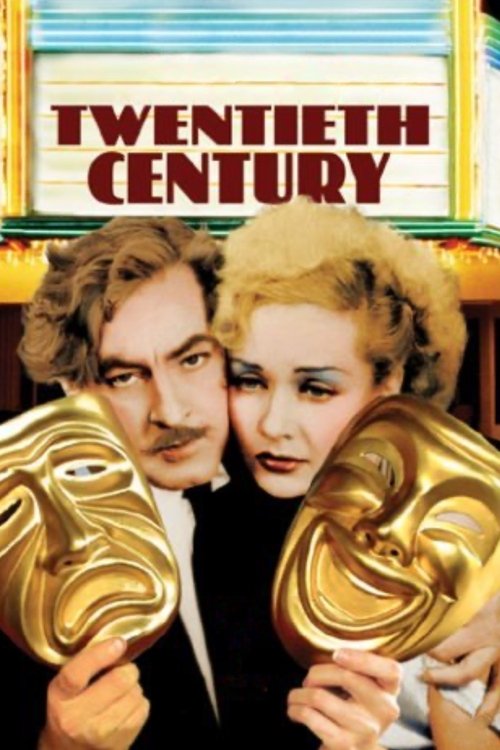
Twentieth Century1934
Another theatre story from the same era, but wilder and faster. John Barrymore and Carole Lombard spar brilliantly; it's proof that 1930s cinema could be genuinely funny and moving at once.
But The tone whipsaw from farce to melodrama won't work for everyone. Some scenes verge on farcical in ways that might feel dated.
Not sure tonight? Get a pick in a minute, starting from The Good Companions
The wildcard
Something you would not have found on your own.
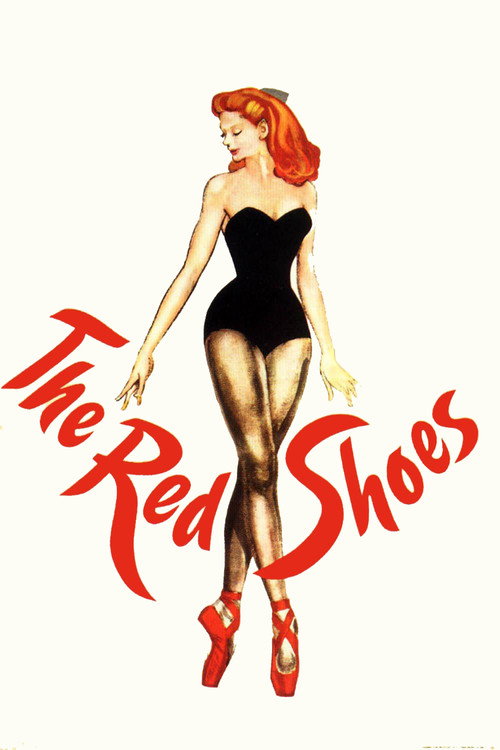
The Red Shoes1948
Both films centre on ensemble casts united by art rather than romance. Both treat performance as a kind of salvation. But where The Good Companions is sunny about it, The Red Shoes shows the cruelty that ambition demands.
Powell and Pressburger's ballet film is about theatre, art, ambition, and the cost of creation. Like The Good Companions, it venerates the ensemble and the collaborative act of making something, but it goes dark where The Good Companions stays hopeful.
But It's slow and formally architectural in a way that requires patience. Some viewers find it overwrought or self-consciously arty.
More like this (6)
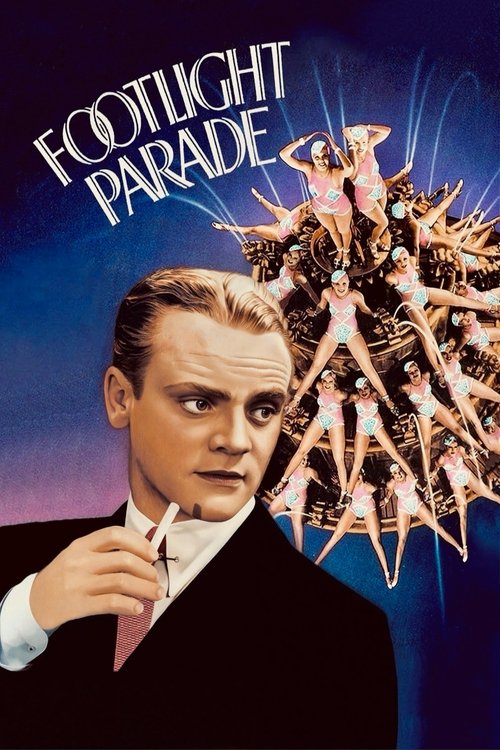
Footlight Parade1933
James Cagney in full charismatic mode, orchestrating chaos backstage. Like The Good Companions, it celebrates the people who make theatre work behind the scenes, not just the stars.
But At two and a half hours, it sags in places. The Busby Berkeley numbers, while spectacular, can feel disconnected from the plot.
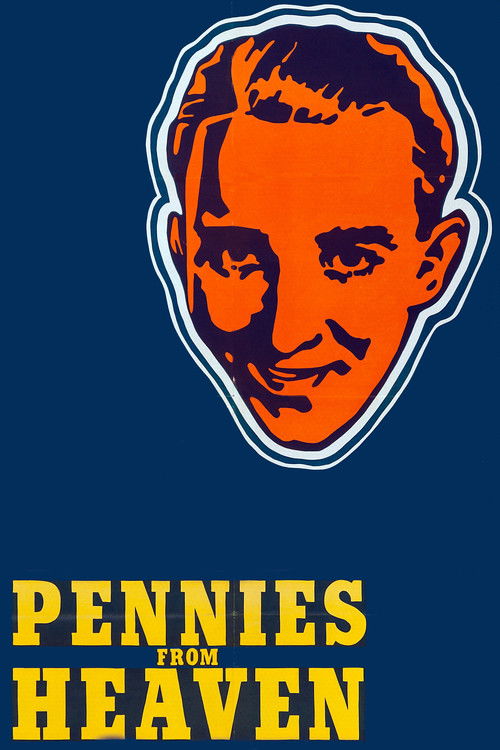
Pennies from Heaven1936
Another Depression-era show-must-go-on story, with Bing Crosby and Madge Evans. It captures that specific 1930s belief that music and determination can overcome economic disaster.
But The tone is saccharine by design. If you find earnestness about hardship difficult, this will feel maudlin.
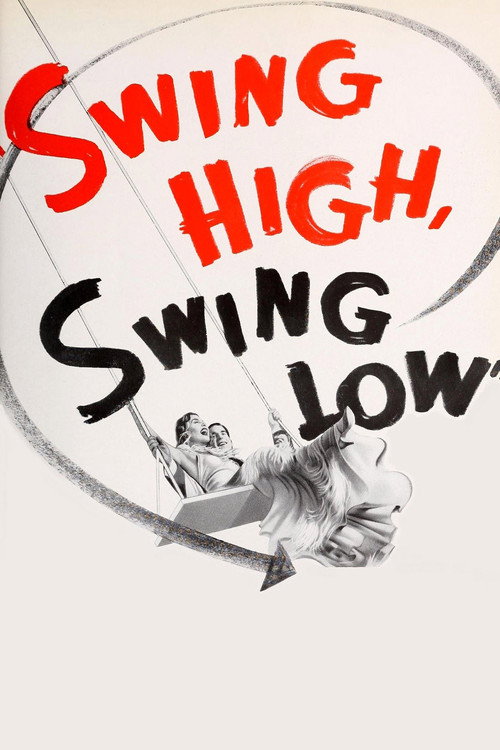
Swing High, Swing Low1937
Fred MacMurray and Carole Lombard in a Caribbean-set musical about musicians on their luck. It shares the picaresque spirit of three mismatched people making music together in difficult circumstances.
But The plot turns melodramatic in the second half and abandons the lightness that made the first act work.
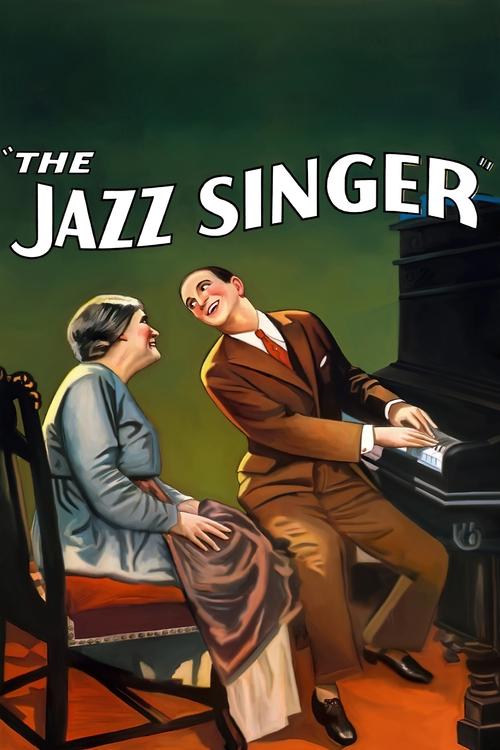
The Jazz Singer1927
The first talkie, and surprisingly affecting about performance and belonging. If you want to understand why 1930s musicals like The Good Companions mattered, this is where the sound era began.
But The central relationship hinges on ethnic stereotyping that will make you uncomfortable. It's historically important but difficult to watch now.
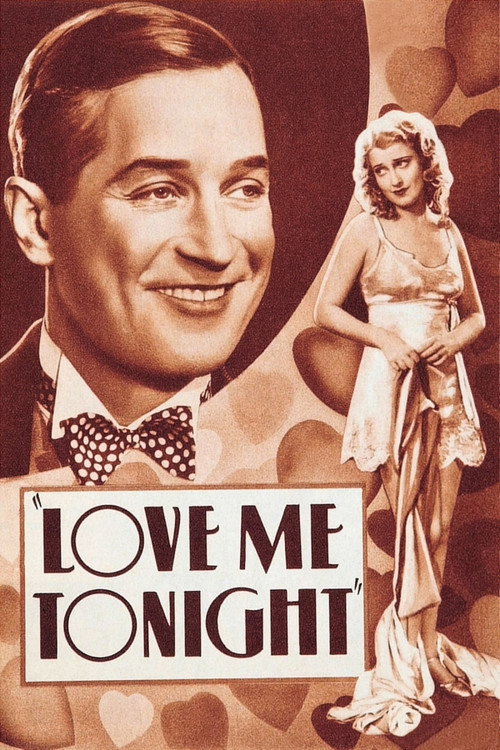
Love Me Tonight1932
Maurice Chevalier and Jeanette MacDonald in an effortlessly charming musical just before The Good Companions. Rouben Mamoulian's direction is witty and inventive in ways that influenced the whole genre.
But The plot is flimsy even by 1932 standards. The romance at the centre is pleasant rather than compelling.
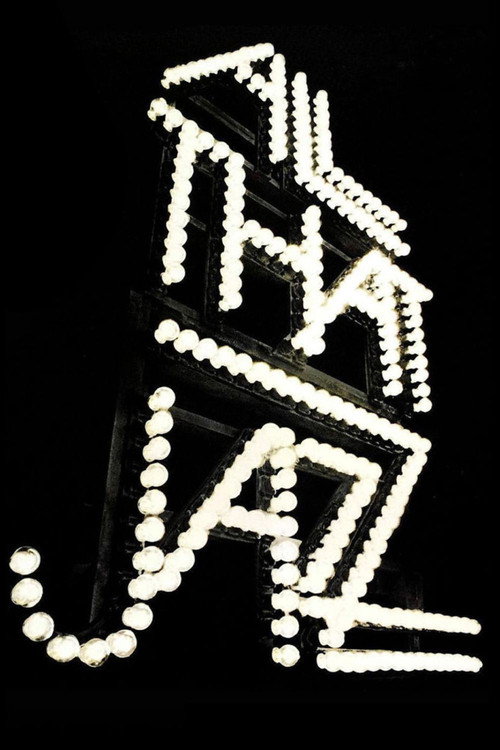
All That Jazz1979
Both films use the creation and performance of a show as their structural spine. The Good Companions says theatre saves you; All That Jazz says it consumes you. Same engine, opposite conclusions.
Bob Fosse's musical memoir about an ageing theatre director trying to mount his greatest show while his life falls apart. It has the same obsessive love of performance and ensemble as The Good Companions, but filtered through exhaustion and mortality.
But It's graphic about illness and sex in ways completely at odds with the 1933 film. The non-linear structure is deliberately disorienting and may feel pretentious.
People
Cast
 Jessie MatthewsSusie Dean
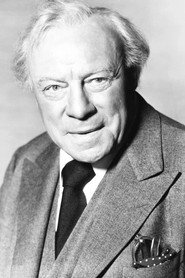 Edmund GwennJess Oakroyd
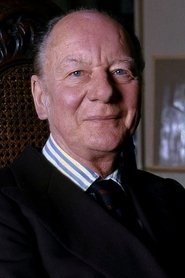 John GielgudInigo Jollifant
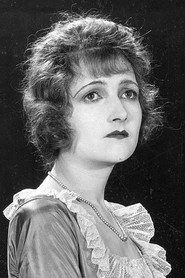 Mary GlynneMiss Elizabeth Trant
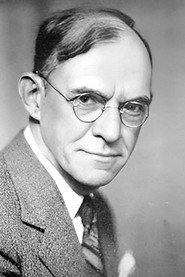 Percy ParsonsMorton Mitcham
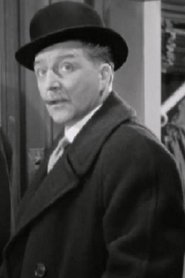 D.A. Clarke-SmithRidvers
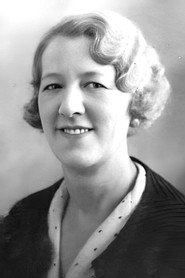 Florence GregsonMrs. Oakroyd
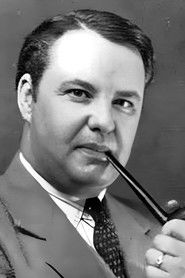 Frank PettingellSam Oglethorpe
- Alex FrazerDr. Macfarlane
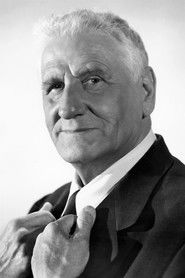 Finlay CurrieMonte Mortimer
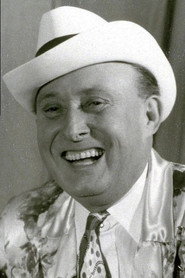 Max MillerMillbrau
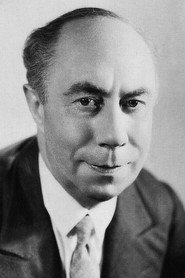 A.W. BaskcombJimmy Nunn
Directing
- Victor SavilleDirector
Writing
- Douglas FurberLyricist
- J. B. PriestleyNovel
- W.P. LipscombScenario Writer
- Angus MacPhailWriter
- Ian DalrympleWriter
Production
- Michael BalconProducer
- T.A. WelshProducer