
Film
The Naked Kiss
- Social drama
- Very dark
Samuel Fuller's 1964 crime drama follows a former sex worker rebuilding her life in a small town, only to confront a dark secret that shatters her hard-won respectability. It's a pulpy, morally urgent film shot in stark black-and-white, with sudden violence and real emotional stakes. Fuller directs with raw energy, treating his protagonist with uncommon dignity while never softening the world's cruelty.
Should you watch it?
Watch it if you like pulpy, provocative melodrama that doesn't flinch, where a lurid genre setup is used to pry open hypocrisy in a sleepy small town and the camera hits hard.
Skip it if you need restrained, subtle storytelling, since this is blunt, abrupt and often theatrical, with performances and dialogue that seem pitched at full volume for most of its 93 minutes.
What it asks of you: Brisk at ninety-three minutes, it moves quickly and changes gear more than once, so stay alert as the mood swings between hard-edged and sentimental.
Not sure? Find tonight's pick in a minute.
If you liked this
In a Lonely Place1950
Bogart as a volatile screenwriter suspected of murder—a noir about reputation destroyed by circumstance and character flaw alike. Like The Naked Kiss, it's about how quickly society turns on you when the truth becomes convenient.
But Slower than you'd expect, more interested in psychology than plot. The romance subplot doesn't earn its weight.

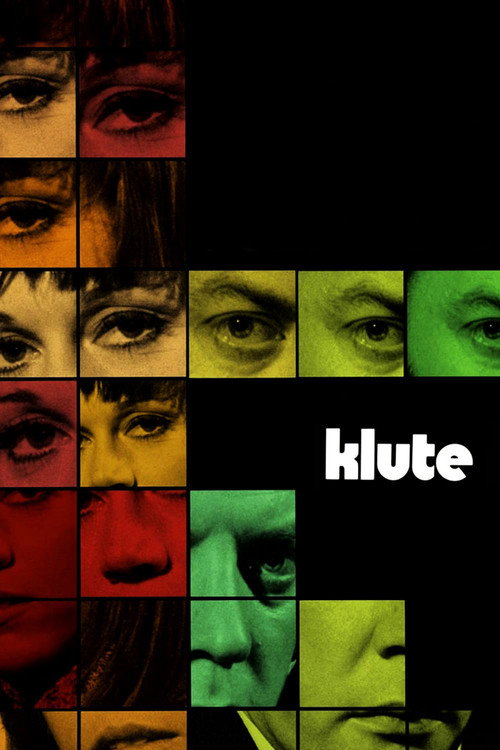
Klute1971
Jane Fonda as a sex worker pulled into a murder investigation, refusing to be anyone's victim or redemption arc. It has the same unflinching look at survival and agency that Fuller brings to his heroine.
But The thriller mechanics are secondary to character study. If you want plot momentum, you'll find it frustratingly slow.
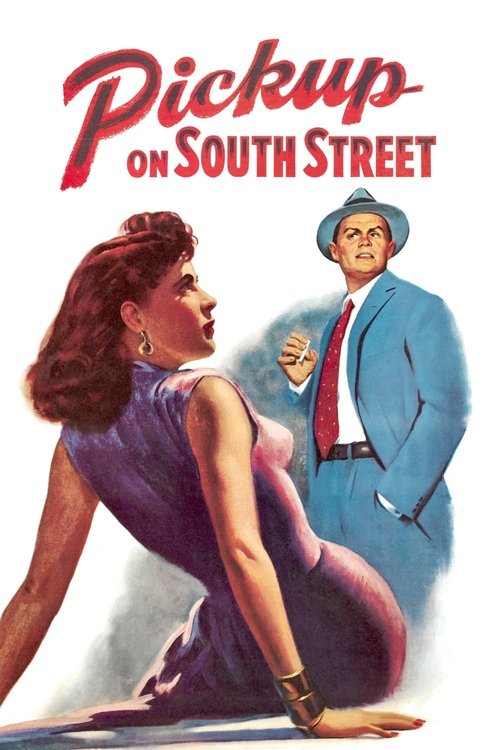
Pickup on South Street1953
Another Fuller film with the same velocity and moral complexity—a pickpocket, a prostitute, and Cold War paranoia. If you respond to The Naked Kiss, this proves Fuller's worldview is consistent and worth deeper exploration.
But Made a decade earlier, so the pacing is even spikier. The political subtext may feel dated or oblique.
Not sure tonight? Get a pick in a minute, starting from The Naked Kiss
The wildcard
Something you would not have found on your own.
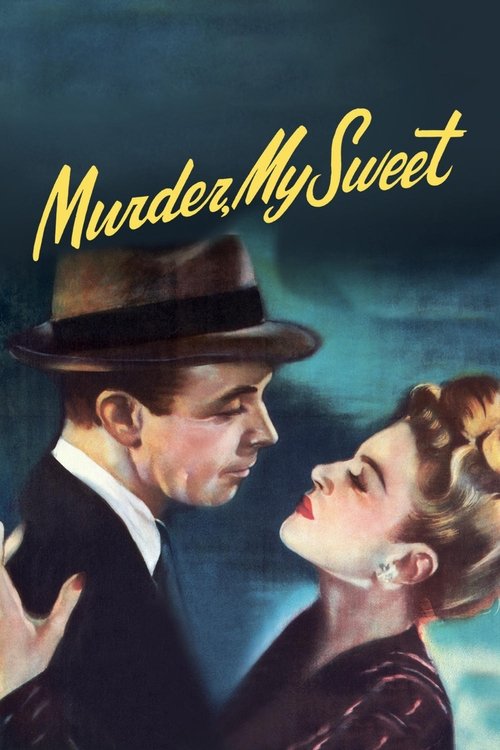
Murder, My Sweet1944
Both films use genre entertainment to ask serious questions about reinvention and whether society allows people to escape their pasts. Both have charismatic leads doing work they never expected.
Dick Powell as a private eye—but the shock here is that Powell, a song-and-dance man from musicals, plays it with genuine noir darkness and desperation. A former entertainers turning to dangerous work, same as Kelly's reinvention, but the genre and the decade are entirely different.
But It's a conventional detective story that demands attention to plot mechanics. The fedora-and-gun aesthetic can feel dated if you're allergic to classic noir tropes.
More like this (7)
The Killing1956
Kubrick's heist film moves like lightning and trusts the audience completely. It has that same propulsive, noir energy as Fuller's work—economy of storytelling, moral ambiguity, no hand-holding.
But The fragmented narrative can feel gimmicky on first viewing. Some scenes are nearly silent, which tests patience.

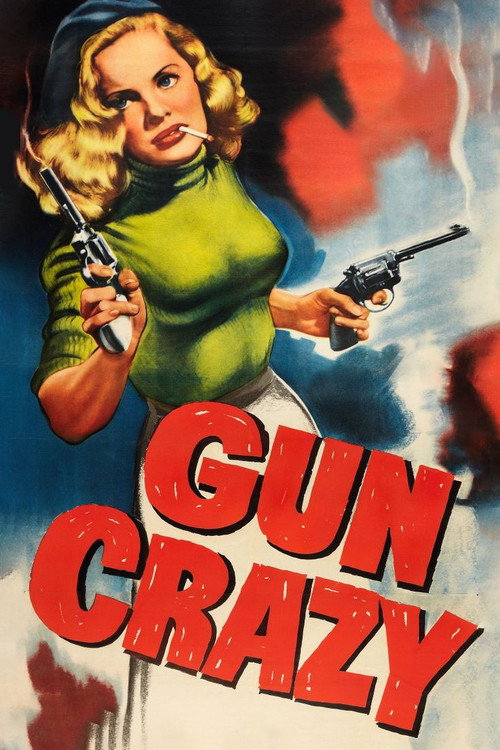
Gun Crazy1950
A couple on the run—desperate, violent, weirdly in love. It predates Bonnie and Clyde and has the same raw urgency, shot in that crisp black-and-white that makes violence look inevitable rather than spectacular.
But The romance is more interesting than the crime spree, which some find frustrating. The ending is bleak in ways that won't satisfy conventional viewers.
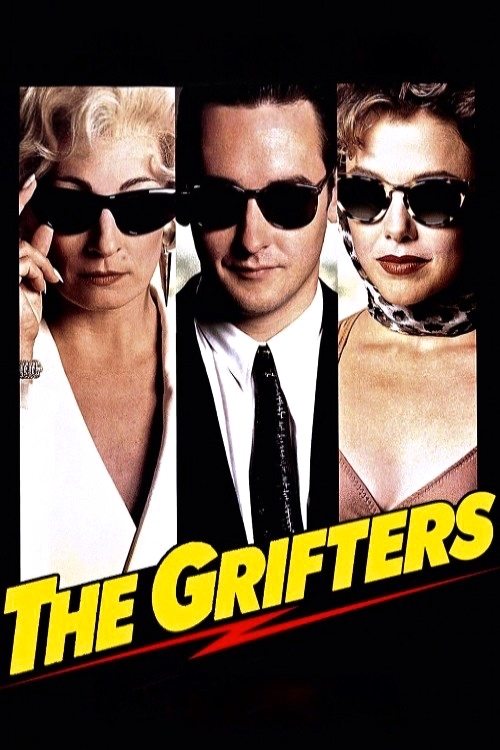
The Grifters1990
Anjelica Huston and John Cusack in a crime film about people with no solid ground beneath them. It has that same sense of desperation and moral flexibility—survival through cunning and nerve.
But It's cold and doesn't ask you to like anyone. The ending refuses catharsis. Huston's performance is uncomfortable to watch.
Johnny Guitar1954
Vienna, a saloon owner facing a lynch mob—Joan Crawford in Western drag, standing her ground. Fuller made this too; it's his most baroque film, but it has the same defiant morality and refusal to explain itself.
But It's bizarre and camp in ways that can seem accidental rather than intentional. The gender dynamics may read as confused rather than progressive.

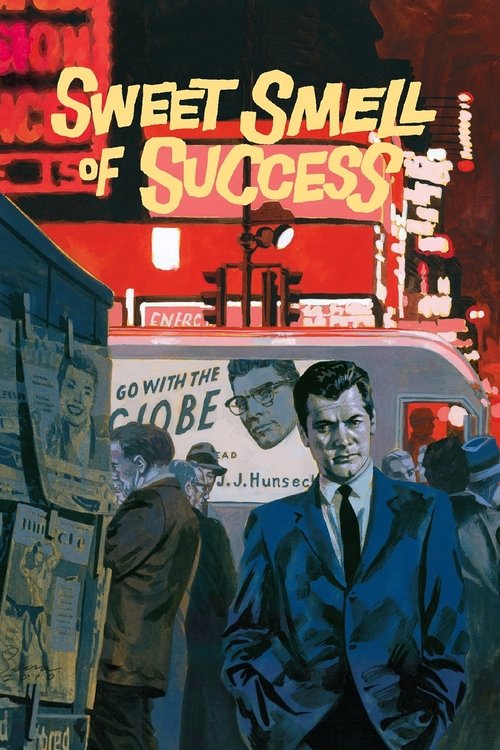
Sweet Smell of Success1957
Manhattan corruption and moral rot—a gossip columnist and his fixer destroying people for sport. It's vicious and darkly funny, with that same unflinching view of how societies chew people up.
But The cynicism is total and unrelenting. There's no one to root for, and the film doesn't offer comfort or justice.
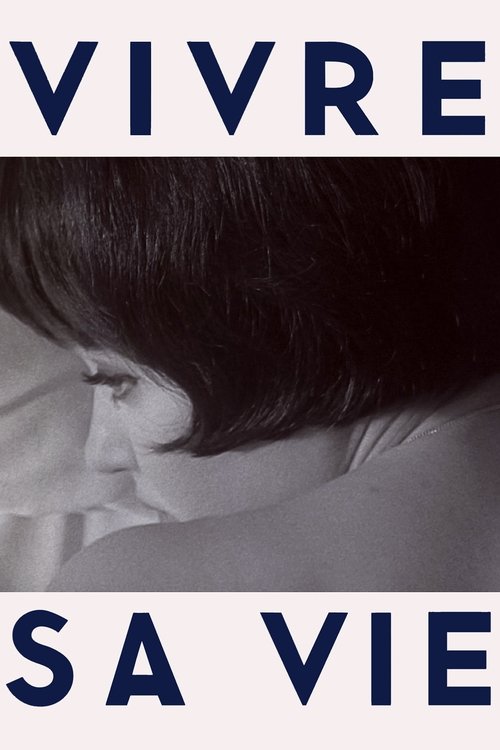
Vivre Sa Vie1962
Both films center a female protagonist's economic desperation without sentimentalizing it. Both refuse the redemption narrative or the victim narrative—she exists as she is.
Godard's film about a woman turning to prostitution—philosophical, alienating, shot in long takes that let you see her thinking. It's avant-garde and punishing, but it asks the same question as The Naked Kiss: what does it cost to survive, and who gets to judge?
But No plot in the conventional sense. Godard's technique is deliberately cold and distancing. Some sequences are nearly unwatchable in their refusal to dramatize.
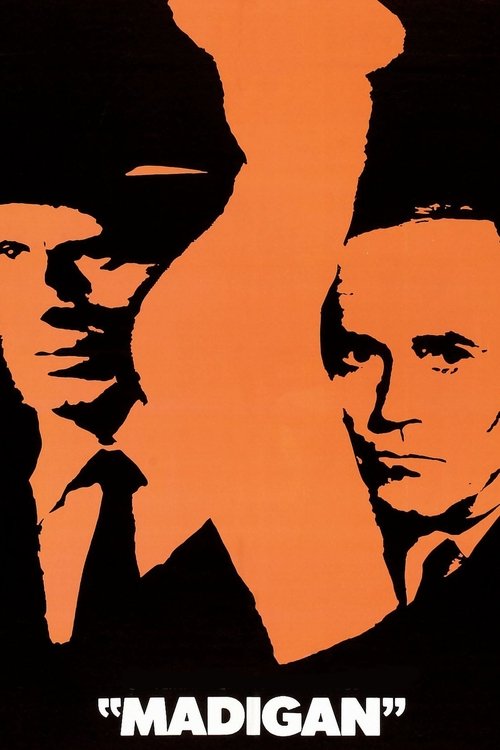
Madigan1968
Both films see corruption as structural rather than individual—it's not just one bad apple, it's the system itself that's compromised. Both protagonists operate within it because they have no choice.
Don Siegel's police procedural with Richard Widmark—it's a crime film about rules and authority, where the protagonist's personal chaos mirrors institutional chaos. Fuller-adjacent in tone but different in structure: less pulp, more bureaucratic.
But It's a procedural first, a character study second. If you want the moral urgency to dominate, this is too interested in plot.
People
Cast
 Constance TowersKelly
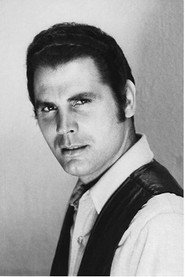 Michael DanteJ.L. Grant
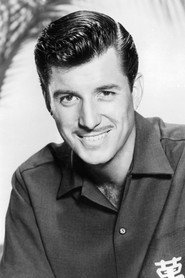 Anthony EisleyCapt. Griff
 Virginia GreyCandy
 Patsy KellyMac, Head Nurse
 Marie DevereuxBuff
- Karen ConradDusty
- Linda FrancisRembrandt
- Bill SampsonJerry
- Sheila MintzReceptionist
 Edy WilliamsHatrack
 Betty BronsonMiss Josephine
Directing
- Nate LevinsonAssistant Director
- Samuel FullerDirector
- John DuttonScript Supervisor
Writing
- Samuel FullerWriter
Production
- Leon FromkessExecutive Producer
- Sam FirksExecutive Producer
- Samuel FullerProducer
- Herbert G. LuftProduction Manager
Recommended by
The Great Lie, Mudhoney!, The Passion of Anna, Madame X, Pickup, Moonrise