
Film
Moonrise
- Social drama
- Very dark
A 1948 noir about inherited shame and sudden violence. Danny Hawkins carries his father's criminal legacy like a scar; when brutality pushes him too far, he kills and runs. It's introspective and claustrophobic, built on the tension between what we're born into and what we choose. For anyone drawn to morally complicated characters and the quiet devastation of social stigma.
Should you watch it?
Watch it if you are drawn to quiet, mournful dramas of the 1940s, where a damaged man's inner life matters more than the plot's machinery, and you don't mind a love story that unfolds in shadow.
Skip it if you want brisk pacing or a clear-cut story, since this one lingers in its moods and its symbolism can feel heavy-handed and old-fashioned.
What it asks of you: Ninety minutes of patience with long silences, sudden lurches of violence, and a slow, sorrowful rhythm that gathers weight rather than racing toward a payoff.
Not sure? Find tonight's pick in a minute.
If you liked this
In a Lonely Place1950
Bogart as a volatile man whose violence is questioned by those closest to him. Sharp dialogue, sexual tension, and a refusal to let the audience off the hook about who deserves redemption.
But Claustrophobic and bleak. The romance doesn't redeem anything, and if you need hope, this film will not provide it.

The Killing1956
Kubrick's debut traces how one act of desperation spirals. Fractured narrative, perfect casting, and a genuine sense that fate is closing in. Every moment feels like the last before everything collapses.
But It's relentlessly dark and the structure can feel cold. There's no warmth anywhere, even in the moments meant to be human.

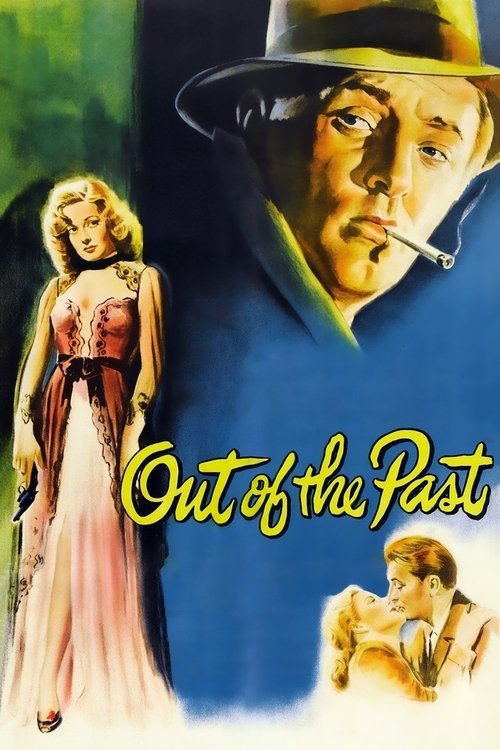
Out of the Past1947
Mitchum and Kirk frame a man drowning in his past. Rain-soaked, sultry, and morally murky—it understands that trying to escape who you are is usually futile, no matter how hard you run.
But The femme fatale role hasn't aged perfectly, and the plot turns hinge on women's unreliability in ways that feel dated now.
Not sure tonight? Get a pick in a minute, starting from Moonrise
The wildcard
Something you would not have found on your own.
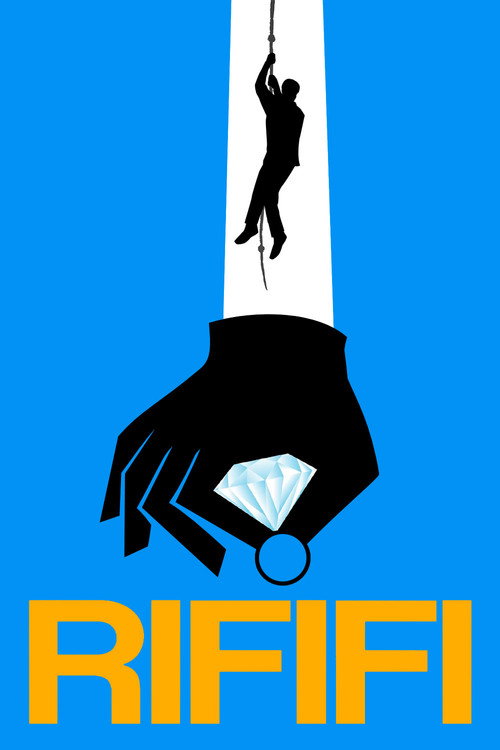
Rififi1955
Both films ask whether a man can outrun his nature. Rififi argues he can't; it only asks whether he can do it with style. The structural DNA is identical, but Dassin chose Europe and aesthetics over America and psychology.
Dassin's French masterpiece about a thief and the crew he assembles. It shares Moonrise's fascination with men trapped by their nature, but transforms it into something almost lyrical. The heist is silent and balletic. Crime becomes geometry and grace.
But Subtitled. The moral framework is entirely different—no redemption narrative, only professionalism and fate. You have to accept the world on its terms.
More like this (8)
A Prophet2009
A young man enters prison as nobody and reinvents himself through violence and intelligence. It's a modern spiritual successor to this kind of story—brutal, intimate, and genuinely suspenseful about transformation.
But Nearly two and a half hours. Graphic prison violence. The ending resists catharsis in ways that might frustrate you.

The Asphalt Jungle1950
Huston's masterpiece about men bound by circumstance and desperation. Every character has been worn down by the world. It's the template for heist and crime noir, and it earned that status honestly.
But Slow by modern standards. The heist doesn't come until halfway through, and some scenes feel like setup that takes forever.

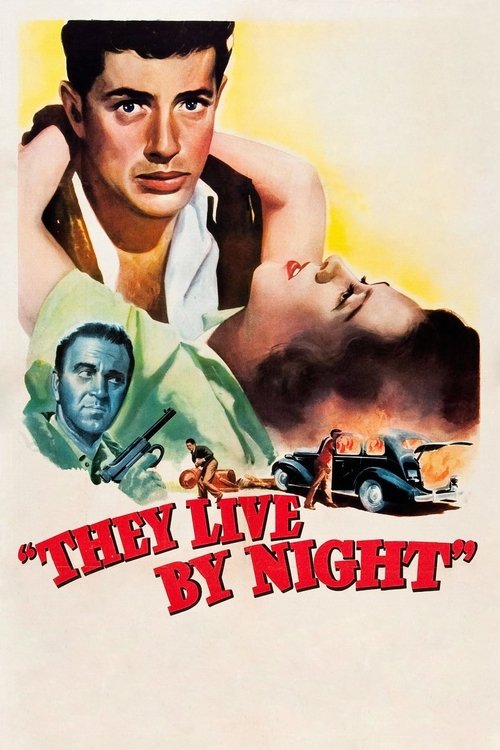
They Live by Night1949
Ray's debut about young lovers on the run. Tender and fatalistic at once. It captures something real about how quickly you can become a fugitive, and how love can feel like the only thing that's real.
But The pacing is deliberately unhurried. If you want action or plot momentum, you'll be frustrated by how much time lives in small moments.
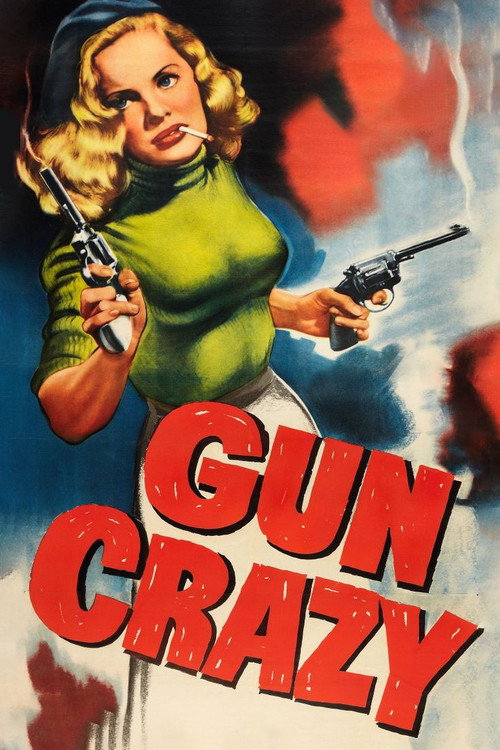
Gun Crazy1950
A couple bonds over violence and runs from the law. Stark, sexually charged, and influential beyond measure. The gun obsession feels prophetic now, and their mutual descent is hypnotic.
But The female lead can read as a muse rather than a full character. It's a man's film about a couple, which is its own limitation.
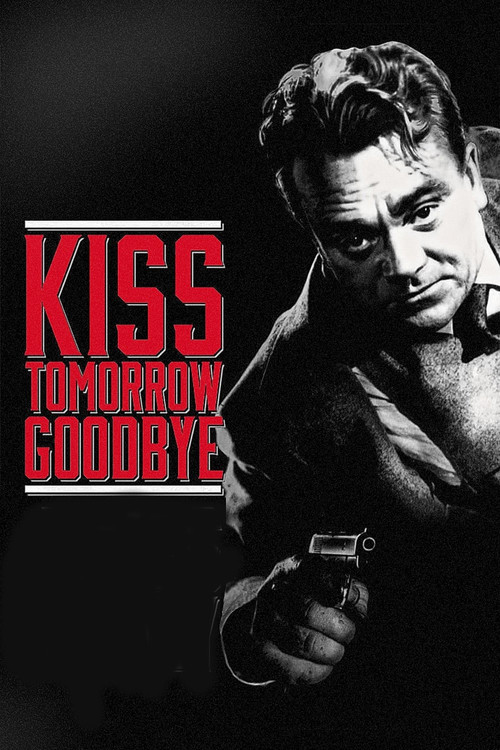
Kiss Tomorrow Goodbye1950
Cagney as a man without conscience, charming and vicious by turns. Brutal for 1950, cynical about institutions and redemption, and propelled by Cagney's refusal to make himself likeable.
But Misogyny on the page and in the frame. The violence toward women is not interrogated, and it will make you angry in a way the film doesn't intend to explore.
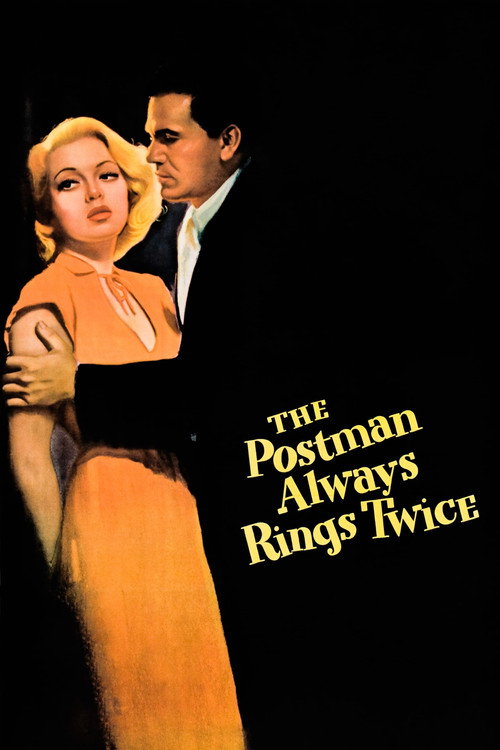
The Postman Always Rings Twice1946
Garfield and Turner in a humid, suffocating affair. Betrayal and regret are the real plot. It understands that some choices can't be unmade, and desire can be its own kind of crime.
But The Production Code censors the sexuality to the point of frustration. You watch around the restrictions rather than through them.
La Haine1995
Both films understand that violence isn't random—it's the inevitable arithmetic of a person with no way out. Moonrise asks it as a question; La Haine presents it as prophecy.
Mathieu Kassovitz's ferocious black-and-white film about three young men in a Paris banlieue, circling the drain together. Brutality begets brutality; circumstance begets rage. It's Moonrise as a document of systemic violence, not personal tragedy.
But Relentlessly confrontational. The style is as aggressive as the content. If you want cinema to comfort you, this will feel like being pushed.

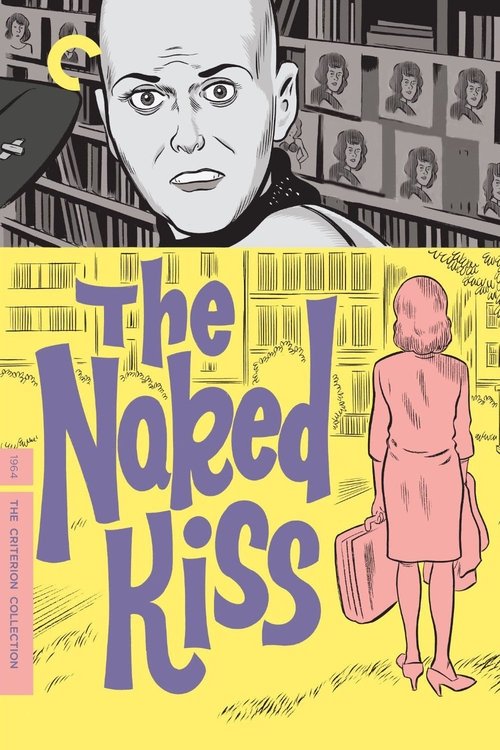
The Naked Kiss1964
Like Moonrise, it's about social stigma, the possibility of escape, and whether love can redeem a marked life. But Fuller puts a woman at the center and asks her to be the architect of her own transformation, not the passive object of redemption.
Fuller's wild, feverish film about a sex worker who reforms and falls in love with a small-town police chief. It's about being judged by your past while desperately trying to be someone new. Visually savage and emotionally raw.
But The plot turns on a revelation about disability that lands very badly now. Fuller's intentions were progressive for 1964, but the film doesn't age around that choice.
People
Cast
 Dane ClarkDanny Hawkins
 Gail RussellGilly Johnson
 Ethel BarrymoreGrandma
 Allyn JoslynClem Otis
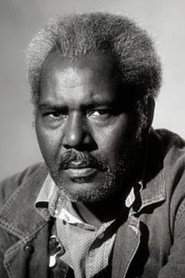 Rex IngramMose
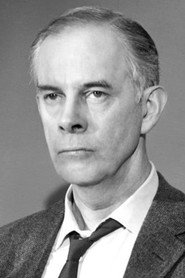 Harry MorganBilly Scripture
 David StreetKen Williams
 Selena RoyleAunt Jessie
 Harry Carey Jr.Jimmy Biff
 Irving BaconJudd Jenkins
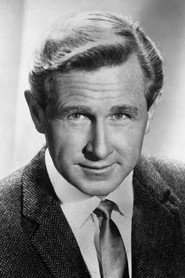 Lloyd BridgesJerry Sykes
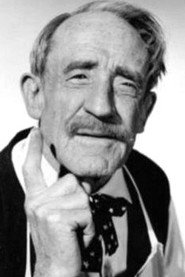 Houseley StevensonUncle Joe Jingle
Directing
- Frank BorzageDirector
Writing
- Ted StraussNovel
- Charles F. HaasScreenplay
Production
- Marshall GrantExecutive Producer
- Charles F. HaasProducer
- Virgil HartProduction Manager