
Film
Lisbon
A 1950s smuggler thriller set in Lisbon, where a cynical captain takes a job springing a political prisoner from behind the Iron Curtain—only to discover the man's already dead, and his glamorous wife wants him back from the dead. It's a moody, tense noir with European locations and high-wire plot mechanics. For anyone craving tight, economical thrillers that trust their audience.
If you liked this
The Third Man1949
Post-war Vienna intrigue with split loyalties, murky morality, and a fugitive nobody can quite pin down. Reed's direction and that zither score create an atmosphere that lingers. A masterclass in how to sustain suspense through character rather than action.
But It's paced like a conversation, not a chase. If you need constant momentum, it will feel mannered and slow.

The Asphalt Jungle1950
Huston's heist blueprint: cool professionals executing a plan that goes wrong in human ways. The job is clever, but the film's real interest is in watching desperate men negotiate their fate. Economical, smart, and genuinely tense.
But It's a procedural at heart. Long stretches of planning with no glamour or twists—just competent men thinking through logistics.

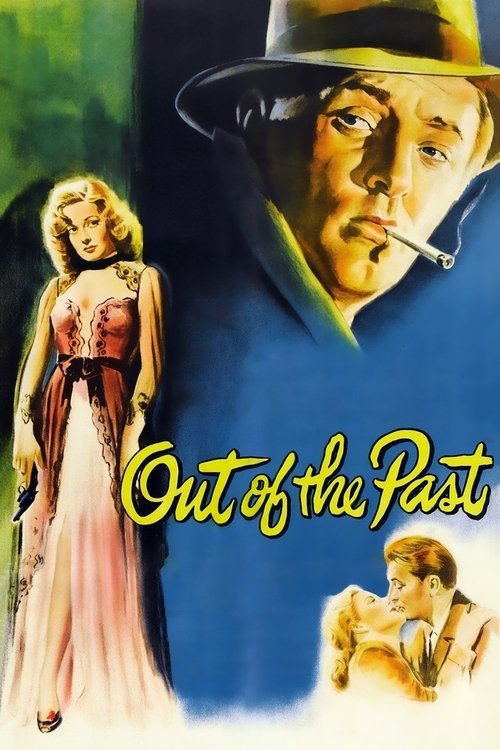
Out of the Past1947
A drifter pulled back into crime by his own past and a woman's fatal beauty. Mitchum and Greer make it feel inevitable and doomed. The plot moves like a sentence that cannot be taken back once spoken.
But The femme fatale archetype can read as dated. If you need your female characters to be more than a plot device, you'll find it thin.
Not sure tonight? Get a pick in a minute, starting from Lisbon
The wildcard
Something you would not have found on your own.
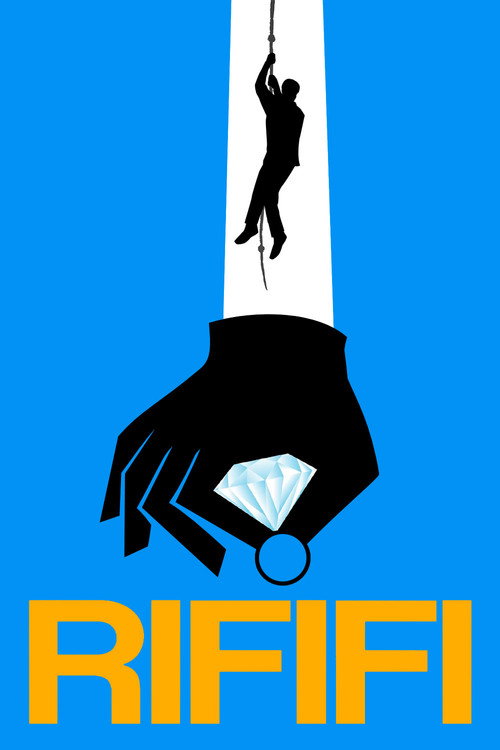
Rififi1955
Both are European-set heist-adjacent thrillers built on the logic of the impossible job executed by professionals who keep secrets about their real motivations.
A French heist film where a master thief plans one last job. The centerpiece—a silent, thirty-minute robbery with no dialogue—is cinema at its most inventive. It influenced everything after it and still feels radical. Dassin's direction is sculptural.
But It's French, subtitled, and the pacing is European—long stretches of mood and planning. If you're impatient with style over speed, it will test you.
More like this (8)
The Killers1946
Two hitmen arrive to execute a man, then the film backtracks to understand why he accepts it. Siodmak fractures time brilliantly. Burt Lancaster's debut is magnetic; the whole thing crackles with style and moral complexity.
But It's structured in fragments. If non-linear narratives frustrate you, you'll be fighting the film rather than following it.

In a Lonely Place1950
Bogart as a volatile, brilliant, possibly guilty man. Ray's film explores paranoia, jealousy, and whether damaged people can ever be trusted—even with evidence of innocence. It's a noir about the impossibility of love between broken people.
But Bogart's character is genuinely unpleasant. The film offers no comfort, and the ending lands hard.

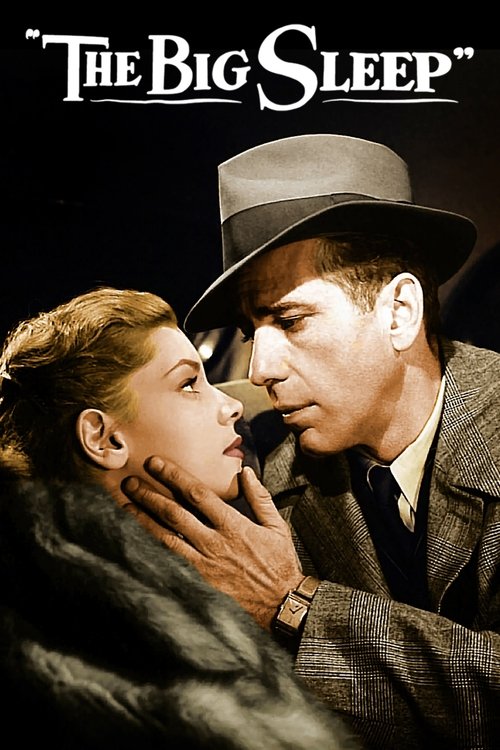
The Big Sleep1946
Chandler's first Marlowe, directed by Hawks, with Bogart and Bacall in electric chemistry. The plot barely holds together, but that's almost the point—it's pure style, banter, and atmosphere. A film about the pleasure of watching beautiful people move through a story.
But The mystery is genuinely impossible to follow. If coherent plotting matters more to you than mood, you'll be frustrated.
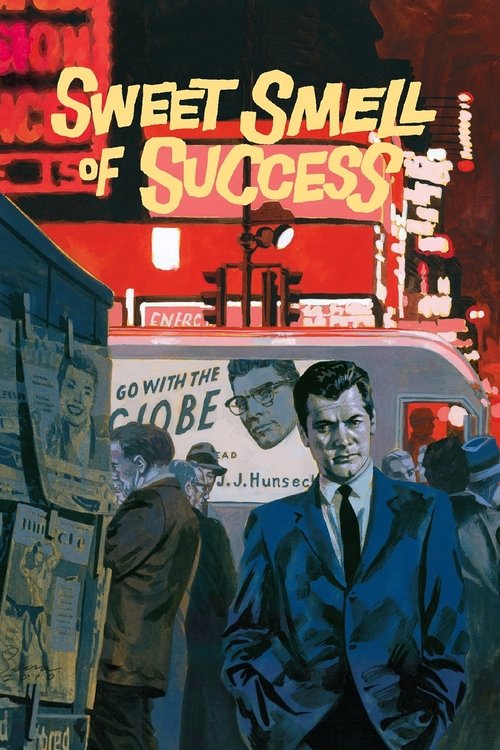
Sweet Smell of Success1957
A gossip columnist and a press agent locked in symbiotic corruption. The dialogue is intoxicating, the moral universe fully inverted, and every frame is composed like a knife. Lehman's script is the best American thriller dialogue ever written.
But It's punishing and cynical. The worldview allows no redemption. If you need a character to root for, there isn't one.
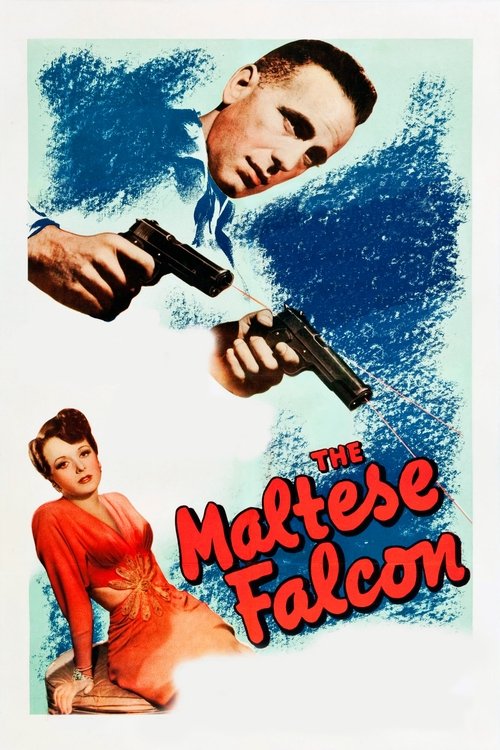
The Maltese Falcon1941
Huston's debut: a private detective navigating a maze of liars, all hunting the same object. Bogart establishes himself as a screen presence; the plot mechanics are tidy and satisfying. A film that taught everyone how thrillers should work.
But It's a template, now familiar from a thousand imitations. Seeing it first would be better; knowing every move in advance dulls it slightly.
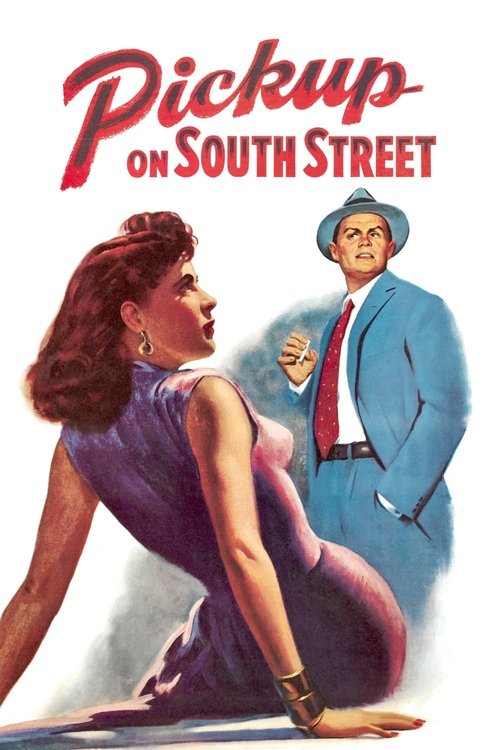
Pickup on South Street1953
Fuller's lean, vicious crime film about a pickpocket who lifts a purse containing Soviet microfilm. It's stripped down, propulsive, and interested in the lives of small-time crooks. Fuller directs like he's fighting the clock.
But The anti-communist messaging is blunt and dated. The film moves so fast it's occasionally hard to follow, especially the final act.
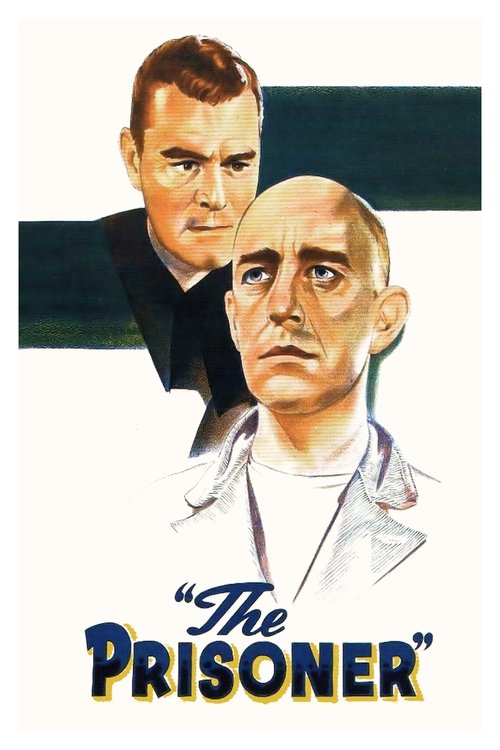
The Prisoner1955
Both involve a prisoner held by powerful men with hidden agendas, and both suggest that some truths cannot be recovered or resurrected, only endured.
An elderly cardinal is arrested by the secret police. We never learn his real crime. It's a philosophical torture, a battle of wills about confession, guilt, and the self. Gielgud is extraordinary. It's a thriller that operates entirely in conversation and psychology.
But It's abstract and slow. The tension comes from ideas, not events. If you need visible jeopardy and a ticking clock, it offers none of that.
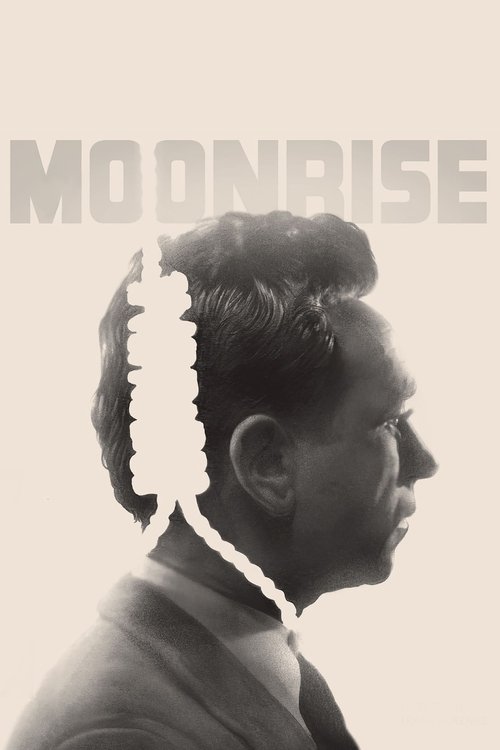
Moonrise1948
Both examine men trying to escape their past by taking on impossible tasks, only to discover that some things cannot be run from or undone.
A man commits murder in a moment of rage, then tries to escape and begin again. It's a noir shot in America but suffused with dream logic—expressionist, strange, and oddly tender about human failure. Borzage made poetry from desperation.
But The prints are often poor and the film is obscure—you may struggle to find a good version. It's also melancholic to the point of weightlessness.
People
Cast
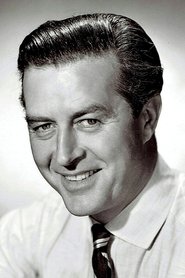 Ray MillandRobert John Evans
 Maureen O'HaraSylvia Merrill
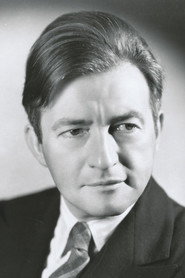 Claude RainsAristides Mavros
 Francis LedererSeraphim
 Yvonne FurneauxMaria Maddalena Masanet
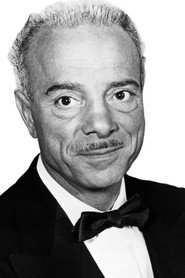 Jay NovelloFonseca
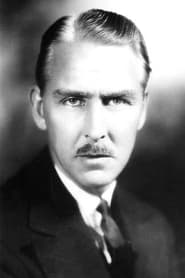 Percy MarmontLloyd Merrill
 Robie LesterSinger
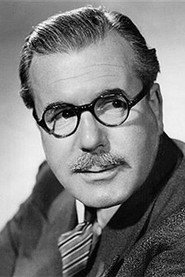 Edward ChapmanEdgar Selwyn
- Harold JamiesonPhilip Norworth
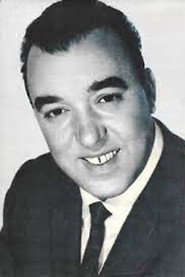 Humberto MadeiraTio Rabio
 Anita GuerreiroFado Singer
Directing
- William LangAssistant Director
- Ray MillandDirector
Writing
- John Tucker BattleScreenplay
- Martin RackinStory
Production
- Ray MillandAssociate Producer
- Lee LukatherUnit Manager