
Film
The Prisoner
Other titles called The Prisoner: the 1967 series (ITV1).
- Political drama
- Prison
- Very dark
A cardinal languishes in a totalitarian state's prison, interrogated relentlessly to extract a confession that will shatter his people's faith. Alec Guinness delivers a masterclass in spiritual conviction versus political pressure. Claustrophobic, talky, and utterly gripping—a battle of wills played in shadows and silences. Essential for anyone who loves intellectual drama where ideas matter as much as plot.
If you liked this
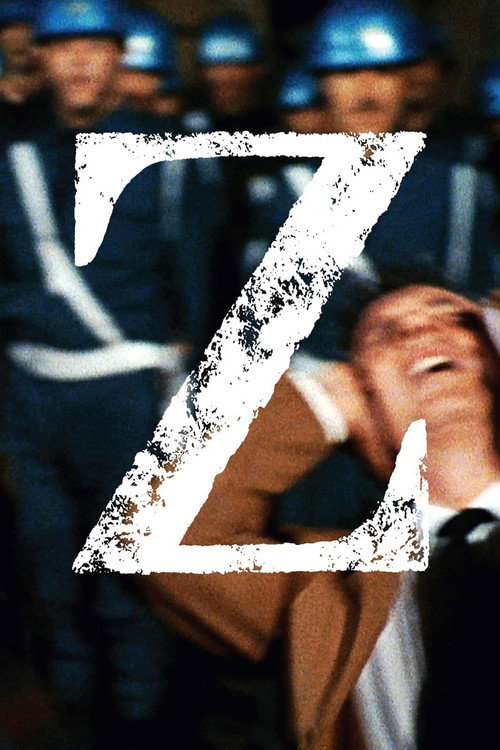
Z1969
Costa-Gavras's electrifying political thriller about a state apparatus grinding down dissent and truth. Fast-paced where The Prisoner is slow, but both are about power's machinery versus individual conscience. Absolutely gripping.
But The editing is frenetic and deliberately disorienting—it can feel exhausting rather than propulsive if you're not in the right headspace.
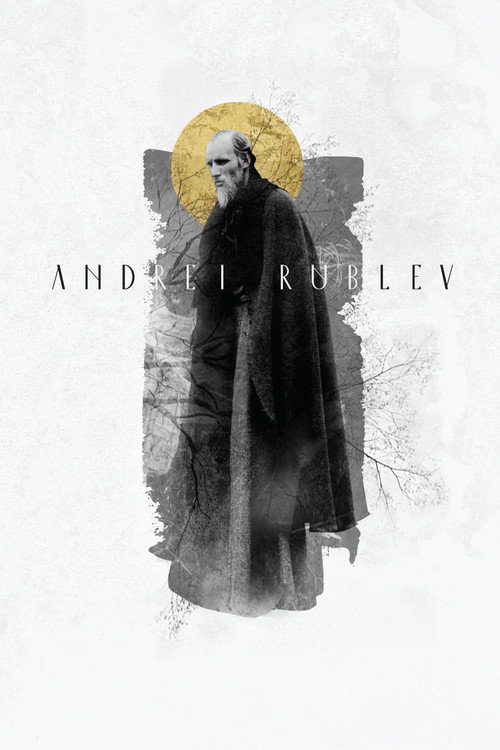
Andrei Rublev1966
Tarkovsky's epic about a medieval icon painter navigating tyranny, faith, and silence. Long, visually magnificent, and shares The Prisoner's exploration of how belief survives in oppressive systems. Profoundly moving.
But Nearly three hours of Tarkovsky means extremely slow, meditative pacing. You have to be ready for it.
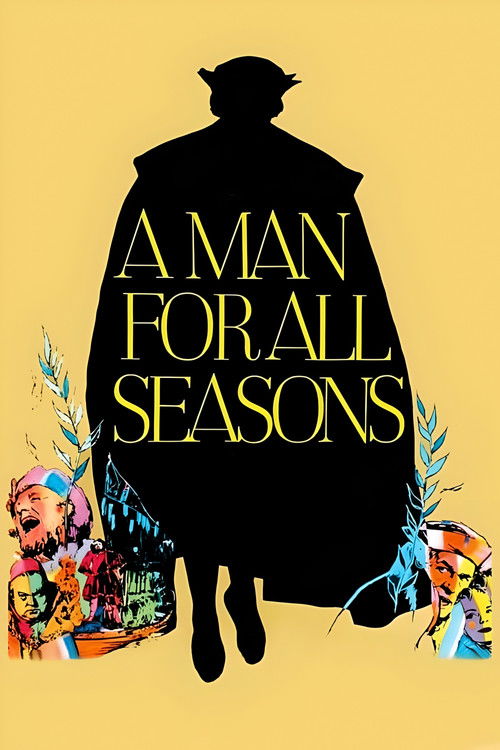
A Man for All Seasons1966
Thomas More's refusal to bend under political pressure, played with quiet dignity by Paul Scofield. Like The Prisoner, it's about conscience versus state power, but warmer and more accessible without losing moral weight.
But Adapted from a stage play and it shows—long scenes of dialogue and argument rather than action. Runs 120 minutes.
Not sure tonight? Get a pick in a minute, starting from The Prisoner
The wildcard
Something you would not have found on your own.
Stalker1979
Both explore how faith and conviction survive when external power—state, nature, fate—tries to break them. Both believe ideas matter more than action.
Tarkovsky again, but wildly different: a guide leads two men into a mysterious zone toward a wish-granting room. Looks like sci-fi but functions as spiritual and political allegory. Shares The Prisoner's obsession with belief under pressure, ideology's corruption, and what remains when systems strip everything else away.
But Nearly three hours of philosophical science fiction that refuses plot clarity. You spend much of it waiting and watching landscapes. Demands intellectual engagement, not passive consumption.

More like this (7)
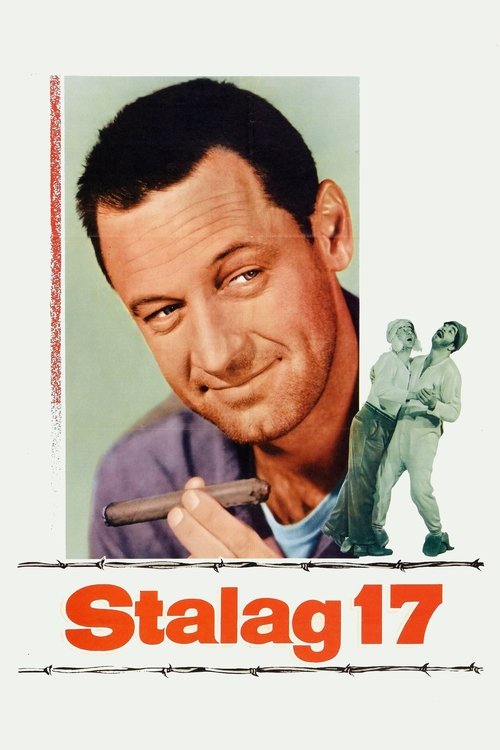
Stalag 171953
Billy Wilder's POW camp thriller where interrogation, suspicion, and survival politics create constant tension. Shares The Prisoner's interest in confinement and psychological pressure, but with more wit and faster pacing.
But It's a World War II film first, an ideological one second. If you wanted The Prisoner's existential focus, this leans more toward entertainment.
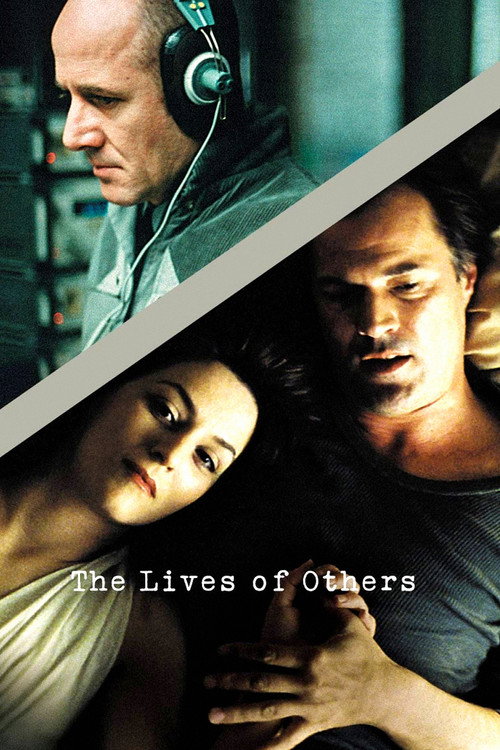
The Lives of Others2006
Stasi surveillance state oppression made visceral and personal. Another story of an interrogator confronting conscience, but told with suspense and emotional weight. Devastating and compulsively watchable.
But More conventional thriller structure than The Prisoner. Some find its moral clarity neat compared to the 1955 film's ambiguity.
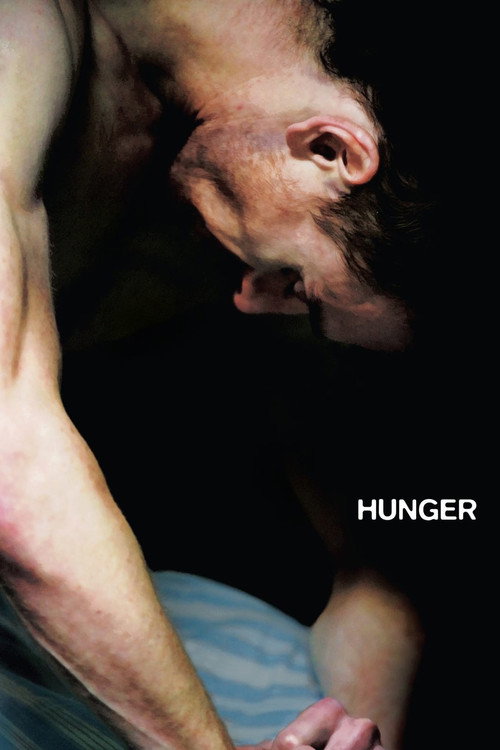
Hunger2008
Steve McQueen's film about Bobby Sands—prison, resistance, ideology, and the body as political weapon. Relentlessly harsh and intellectually rigorous. Makes The Prisoner's interrogation scenes feel like philosophical sparring.
But Genuinely difficult viewing. Violence, suffering, and bodily degradation are not abstracted. The final act is almost unwatchable in its extremity.
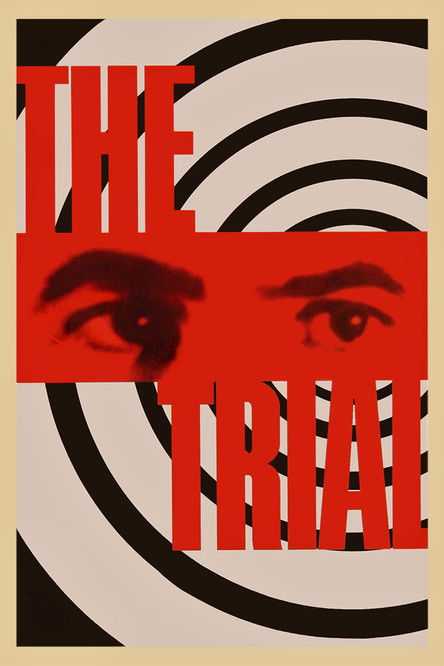
The Trial1962
Orson Welles adapts Kafka's nightmare about a man destroyed by bureaucratic absurdity. Like The Prisoner, it's about power versus the individual, but hallucinatory and baroque where the 1955 film is austere and contained.
But Visually overwhelming and narratively disjointed by design. Some find Welles's style self-indulgent. Requires patience with strangeness.
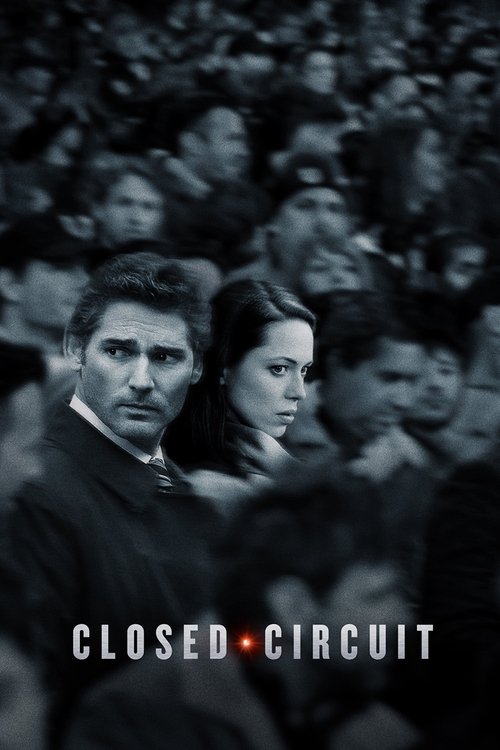
Closed Circuit2013
Two lawyers defending a terrorist suspect in a British surveillance-state thriller. Modern take on institutional power crushing individual agency. Tense and paranoid in ways that echo The Prisoner's political anxieties.
But Clever but somewhat routine spy-thriller mechanics. Doesn't have The Prisoner's philosophical depth or the interrogation's psychological intensity.
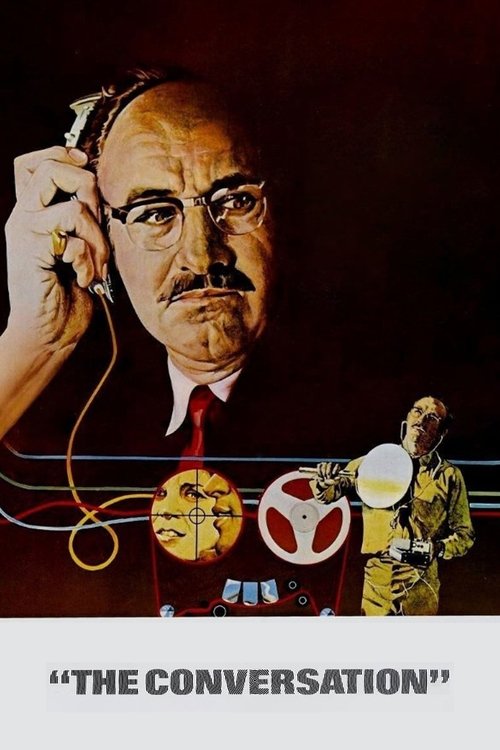
The Conversation1974
Both feature an individual trapped by an apparatus larger than themselves, but in The Conversation the prison is psychological and professional rather than literal. Both ask: at what point does compromise become betrayal?
Coppola's surveillance thriller about a sound engineer caught between ethics and state power. Seems like a paranoia thriller but becomes a meditation on complicity and conscience. Gene Hackman's best work—quiet, paranoid, morally deteriorating.
But Slow-burn 1970s cinema. Very little plot in the traditional sense. Much of it is technical work and interior monologue. Some find it dated and overwrought.
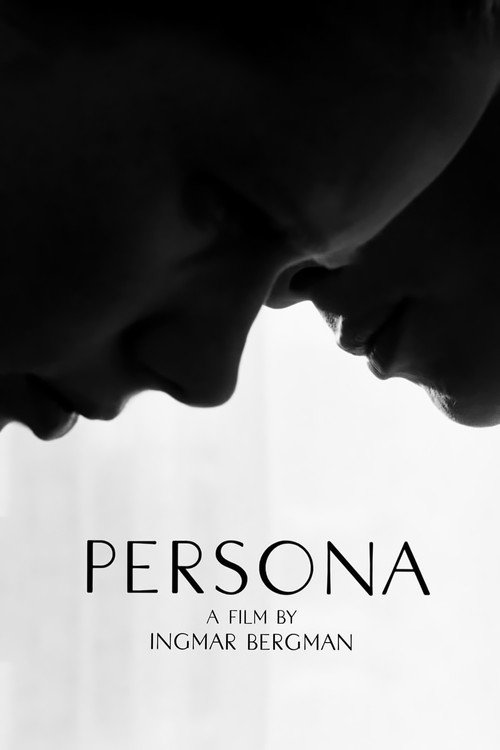
Persona1966
Like The Prisoner, it's about two people in confined space where silence becomes weaponized, where identity dissolves, where we can't know what's real or performed. Both suggest that interrogation—brutal or subtle—might destroy the thing you're trying to extract.
Bergman's cryptic masterpiece: a nurse and a mute actress in isolation, one breaking down, one silent and unknowable. Not about interrogation but about power, silence, identity, and who controls meaning. Hypnotic, disturbing, visually extraordinary.
But Deliberately obscure and hostile to interpretation. Forty minutes in you may not know what's happening or why. Bergman wants you unsettled, not satisfied. Black and white, experimental form.
People
Cast
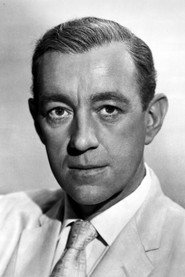 Alec GuinnessThe Cardinal
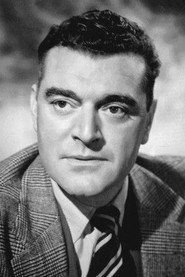 Jack HawkinsThe Interrogator
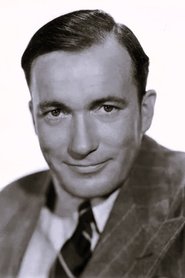 Wilfrid LawsonThe Jailer
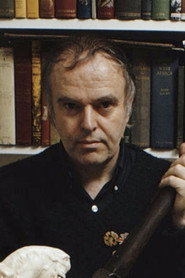 Kenneth GriffithThe Secretary
 Jeanette SterkeThe Girl
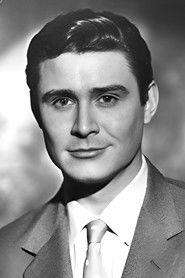 Ronald LewisThe Guard
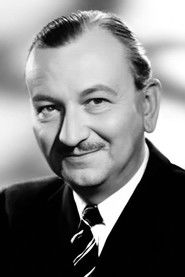 Raymond HuntleyThe General
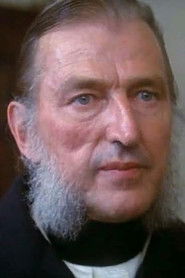 Mark DignamThe Governor
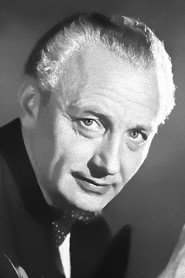 Gerard HeinzThe Doctor
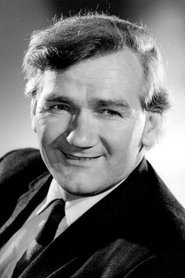 Percy HerbertSoldier (uncredited)
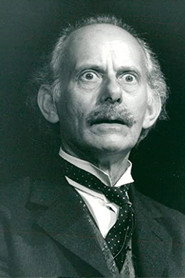 Oscar QuitakCafe Waiter (uncredited)
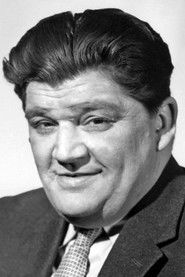 Denis ShawPlainclothesman (uncredited)
Directing
- Denis O'DellAssistant Director
- Phyllis CrockerContinuity
- Peter GlenvilleDirector
Writing
- Bridget BolandWriter
Production
- Sydney BoxExecutive Producer
- Vivian CoxProducer
- Douglas PeirceProduction Manager