
Film
Hanzo the Razor: Sword of Justice
A pulp samurai thriller about an Edo-period cop who uses unorthodox methods—mostly sexual coercion—to extract confessions. Shintarō Katsu is magnetic and cruel. It's lurid exploitation wrapped in period drama, proudly amoral, visually striking, and deeply uncomfortable. For viewers who want their heroes morally compromised and their violence explicit.
If you liked this
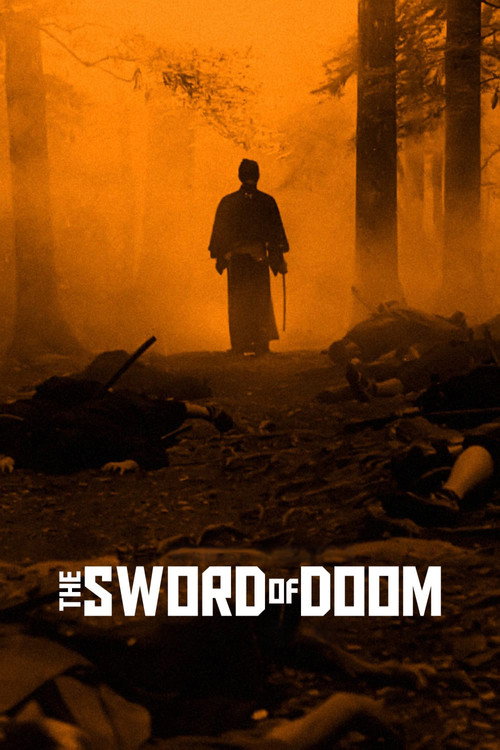
The Sword of Doom1966
Tatsuya Nakadai as a nihilist samurai in Edo Japan, equally vicious and mesmerizing. Criterion-level cinematography, a genuinely bleak worldview, and a protagonist who makes Hanzo look almost wholesome by comparison.
But Slower and more introspective than Hanzo; the philosophical dread might feel like a slog if you want propulsive action.
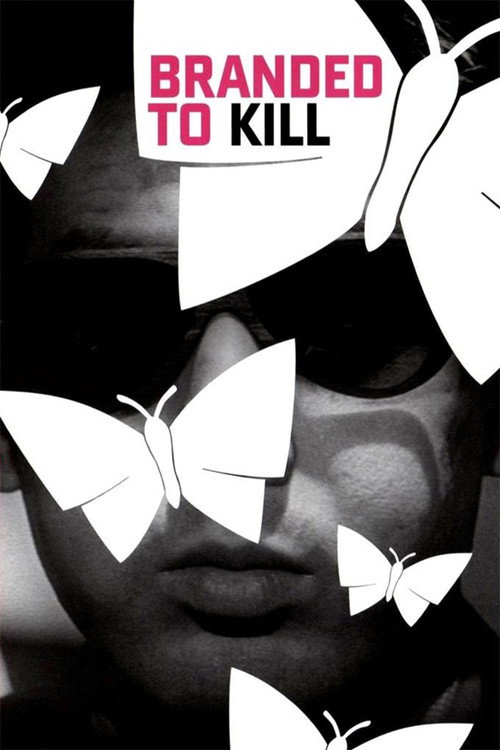
Branded to Kill1967
Seijun Suzuki's fever-dream yakuza film has the same pulp energy and sexual darkness. A hired assassin framed for murder, surreal cinematography, and a moral vacuum that matches Hanzo's casual cruelty perfectly.
But Deliberately fractured narrative and dream logic—it abandons plot coherence in ways that frustrate viewers looking for straightforward storytelling.
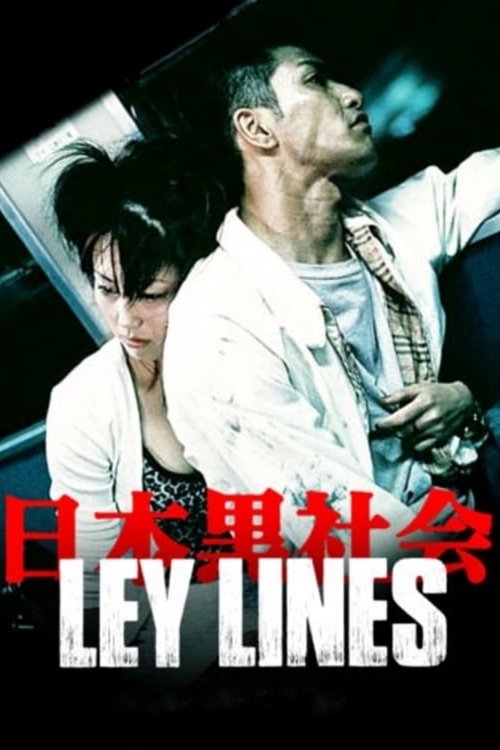
Ley Lines1999
Isao Yukisada's brutal character study of three working-class men in modern Japan. Visceral, intimate, and unsparing about exploitation and desperation in a way that echoes Hanzo's seediness but with tragic weight.
But Grim and patient. No heroics, no catharsis—just the slow accumulation of damage that some find depressing rather than gripping.
Not sure tonight? Get a pick in a minute, starting from Hanzo the Razor: Sword of Justice
The wildcard
Something you would not have found on your own.
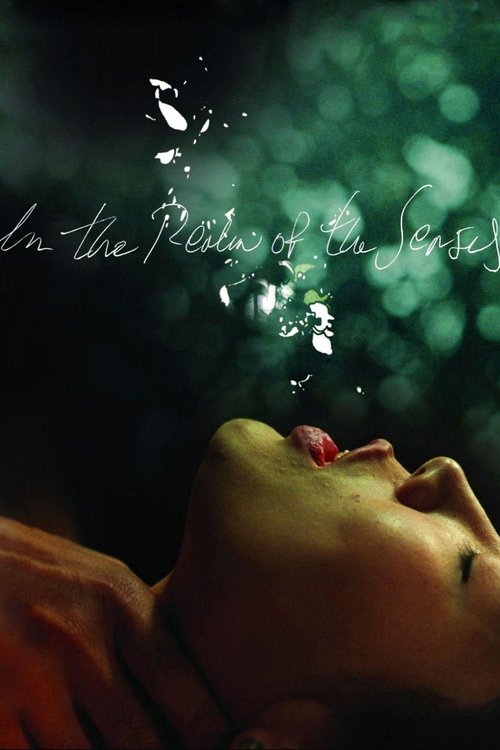
In the Realm of the Senses1976
Both use sex not as entertainment but as a tool—Hanzo's weapon, here the characters' prison and freedom. Both refuse the discretion that period films usually demand.
Nagisa Ōshima's transgressive masterpiece about obsessive sexual love during wartime. Uncut, uncensored, genuinely shocking. It shares Hanzo's willingness to make sexuality explicit and dangerous, but frames it as the only realm where characters have agency.
But Graphic and unsimulated. Not titillating—the sex is portrayed as consuming and tragic. Many distributors won't touch it; even finding a proper copy is an act of commitment.
More like this (7)
Harakiri1962
Masaki Kobayashi's masterwork about ritual suicide in samurai culture. Formal, devastating, and it recontextualizes everything you think about honor in these films. A corrective to Hanzo's swagger.
But Intentionally bleak and anti-glamorous—if you want samurai cool rather than samurai critique, this will feel like punishment.

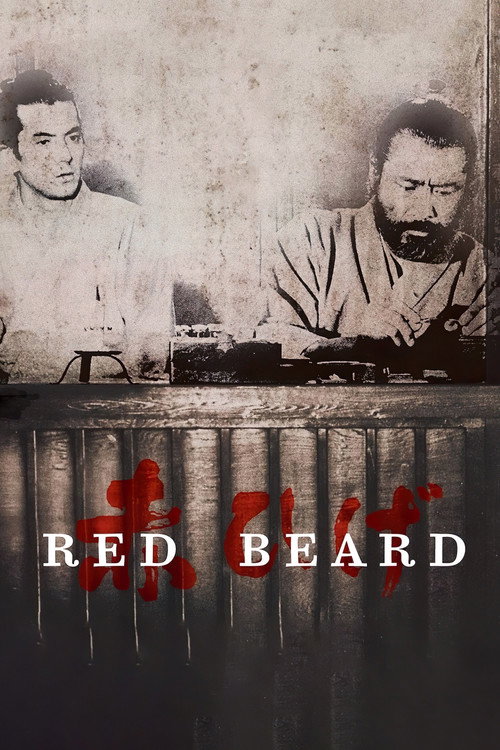
Red Beard1965
Kurosawa's humanist period drama set in an Edo clinic. A younger man learns compassion from his mentor. The opposite moral universe from Hanzo, but equally convincing about what men are capable of.
But Nearly three hours and meditative rather than propulsive. Feels more like a novel than a thriller.
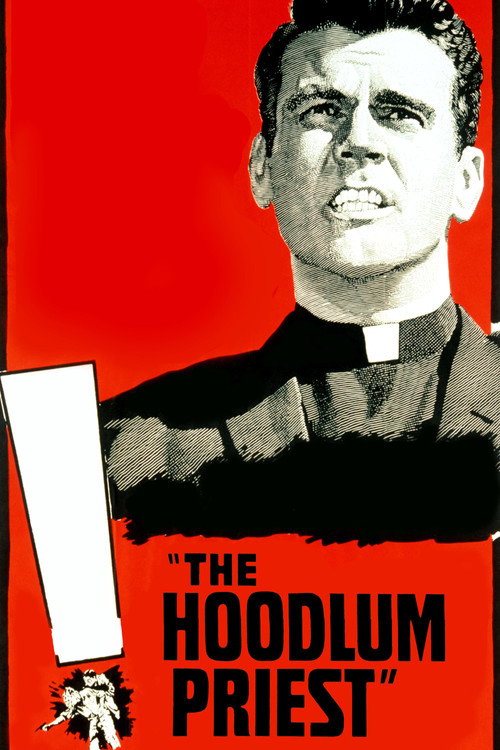
The Hoodlum Priest1961
Karl Malden as a Jesuit trying to reach hardened criminals in St. Louis. Rough-edged and genuinely messy about redemption. Hanzo inverts this—here's what trying to save people actually costs.
But American social drama with a sermonic undercurrent that can feel dated. The piety might grate on viewers allergic to moral earnestness.
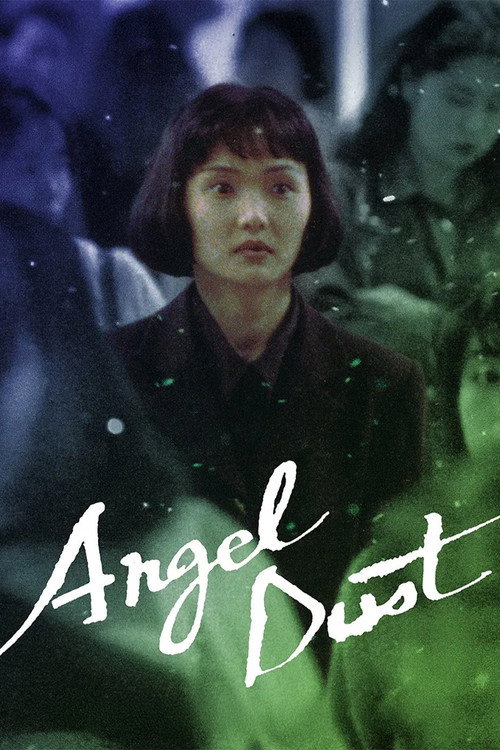
Angel Dust1994
Tsuyoshi Kusanagi in Ishii Teruyoshi's noir about a detective pursuing a killer through moral fog. Gorgeous grimy Tokyo cinematography and a protagonist just as compromised as Hanzo, but sadder about it.
But Deliberately oblique plotting—you have to accept ambiguity and won't get neat resolution.
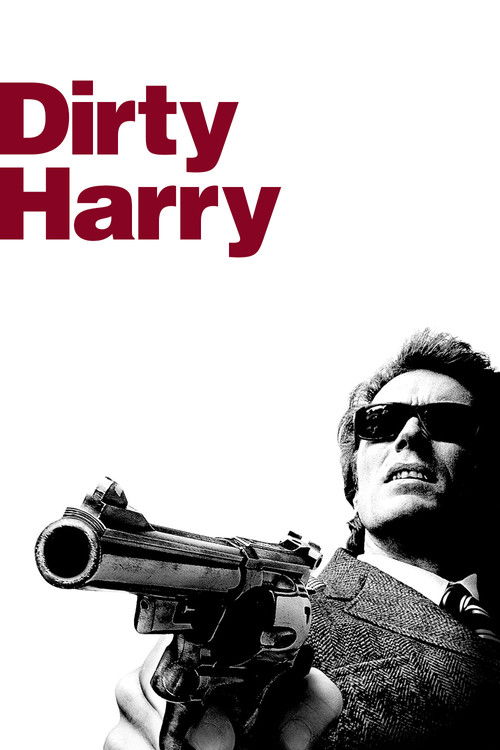
Dirty Harry1971
Clint Eastwood's San Francisco cop uses rough methods for good ends. Hanzo's American cousin: the maverick who breaks rules because the system is broken. Tighter plotting, clearer moral stakes, iconic and influential.
But By now it's been so imitated and referenced that the novelty's gone. Feels more like a template than a fresh discovery.
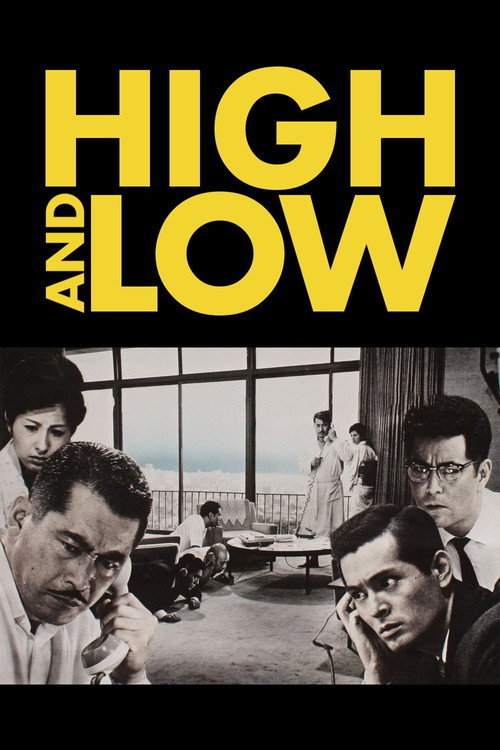
High and Low1963
Both explore what authority looks like in Edo and modern Japan. But where Hanzo is all instinct and sexuality, Kurosawa's detective is rational method. They're mirror images of how power extracts truth.
Kurosawa's kidnapping thriller about a rich executive and the detective pursuing the criminals. A procedural with real architectural rigor: every frame is composed like a blueprint. Tense, moral, intelligent in a way that makes Hanzo's brute methods look primitive.
But Long, dialogue-heavy police work. If you need action, this is patient interrogation and phone calls—the thriller equivalent of crossword solving.
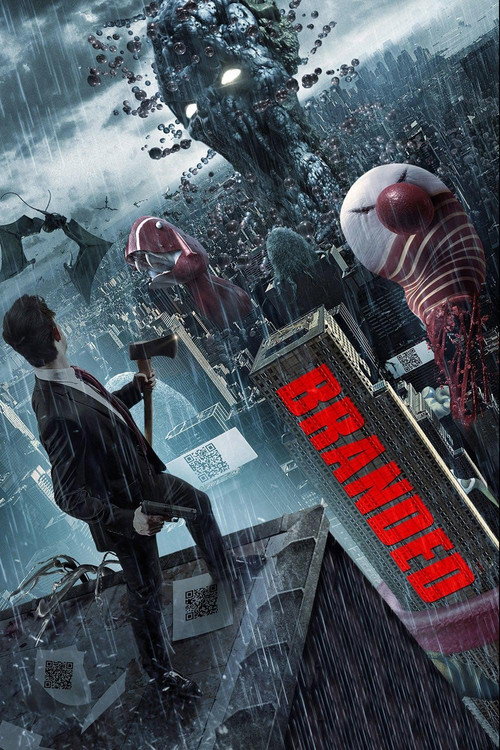
Branded2012
Both use sex and violence as languages of investigation and domination. But Branded inverts the power: instead of a predatory cop extracting confessions, a victim extracts justice from those who thought themselves untouchable. It's Hanzo's story told from the other side.
Karyn Kusama's quietly vicious revenge film about a woman reconstructing the crime that destroyed her. Hanzo interrogates suspects; this film interrogates memory and identity itself. Sculpture-like cinematography, escalating moral horror, and a woman reclaiming violence on her own terms.
But Deliberately enigmatic—it withholds explanation and emotional clarity. Viewers wanting coherent plot will feel cheated. Also harder to find than mainstream releases.
People
Cast
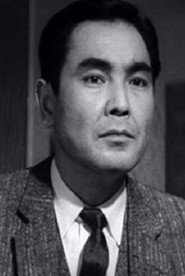
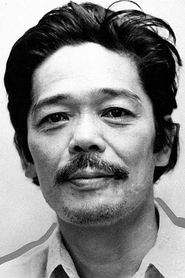
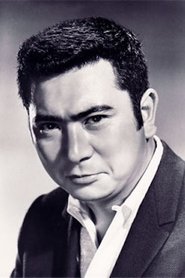 Shintarō KatsuHanzo 'The Razor' Itami
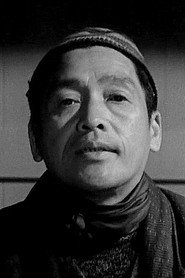
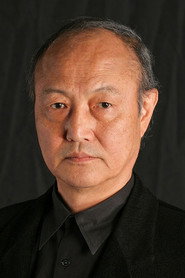
 Yukiji AsaokaOmino

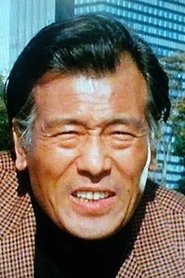
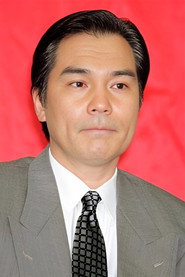
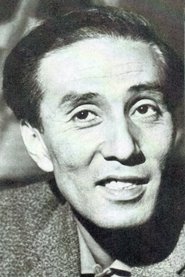 Kō NishimuraMagobei 'Snake' Onishi
Directing
- Toshihiro NabeiAssistant Director
- Kenji MisumiDirector
Writing
- Kazuo KoikeOriginal Story
- Takeshi KandaOriginal Story
- Kazuo KoikeScreenplay
Production
- Hiroyoshi NishiokaProducer
- Shintarō KatsuProducer