
Film
Ley Lines
Takashi Miike's Ley Lines follows three Japanese-born youths of Chinese descent fleeing their cramped hometown for Tokyo's neon underbelly. They tumble into Shinjuku's criminal networks and class warfare, making the film a brutal study of belonging, assimilation, and how thin the line is between survival and complicity. It's disorienting, visceral, and refuses easy answers.
Should you watch it?
Watch it if you like crime stories driven by outsiders trying to belong, where the grime of Shinjuku and the ache of assimilation matter as much as the violence.
Skip it if you want a tidy, fast-moving thriller; this one wanders, lingers on bleak corners of Shinjuku, and its plot can feel loose and episodic.
What it asks of you: Settle in for 105 minutes of uneven, restless momentum, where you must keep track of shifting loyalties while sudden bursts of brutality jolt the mood.
Not sure? Find tonight's pick in a minute.
If you liked this
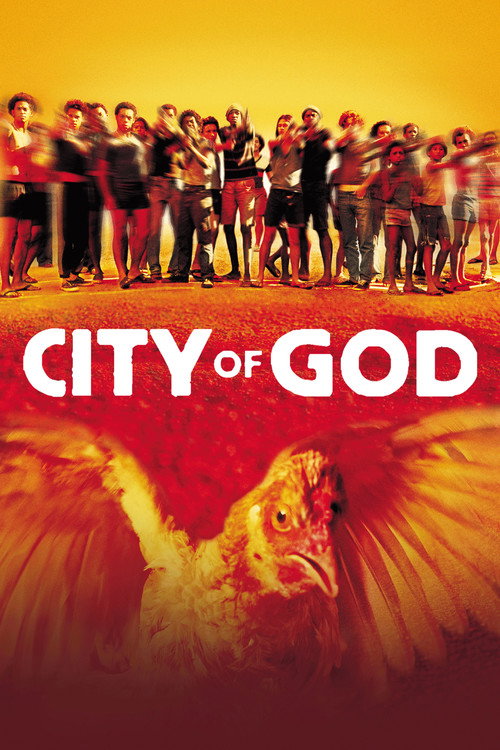
City of God2002
A kinetic portrait of Rio's favela gangs told through fractured perspectives and raw energy. Like Ley Lines, it locates moral complexity in systemic abandonment rather than individual evil, and refuses sentimentality.
But The rapid cutting and overlapping timelines can feel chaotic on first viewing. Subtitles demand focus.
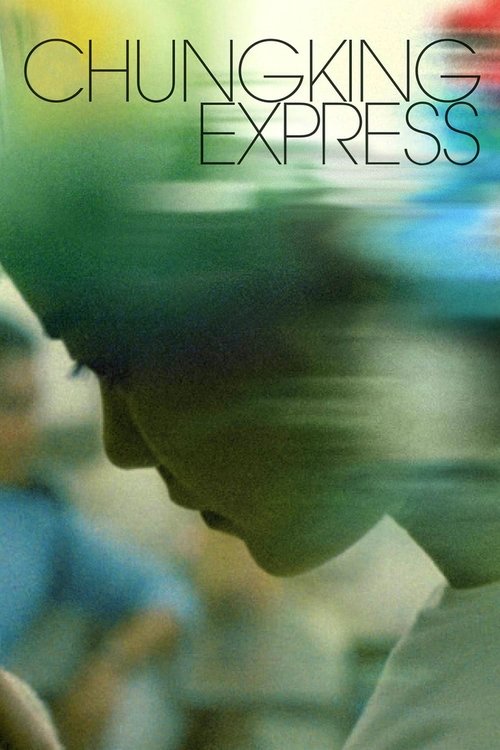
Chungking Express1994
Wong Kar-wai's Tokyo-adjacent meditation on urban alienation and transient connection. Gorgeous where Ley Lines is harsh, but both films use the sprawl of the city to explore what it means to be adrift and unseen.
But Deliberately paced to feel like a dream. If you want narrative momentum and clarity, you'll find this frustrating.
A Prophet2009
A raw, claustrophobic story of a young man's initiation into prison crime hierarchies and ruthless self-preservation. It has Ley Lines' unflinching eye for how systems corrupt the young, with similar moral gravity.
But Prison brutality is depicted without flinching. Long dialogue scenes in French may test your patience with subtitles.

Not sure tonight? Get a pick in a minute, starting from Ley Lines
The wildcard
Something you would not have found on your own.
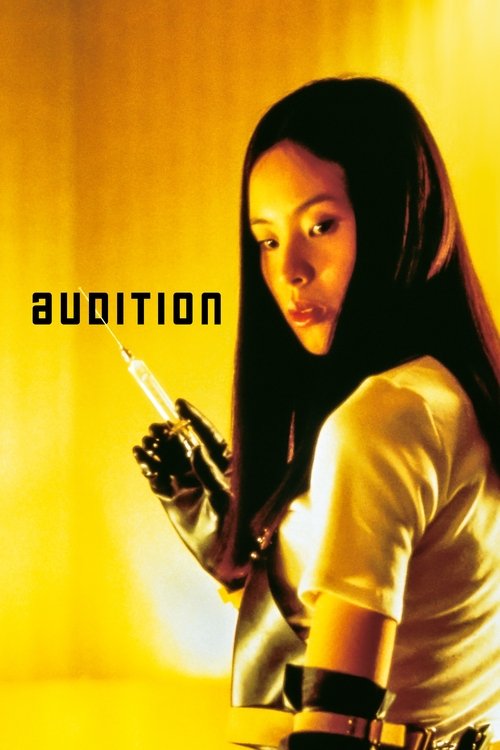
Audition2000
Both are 1999 Miike films exploring how systems and desires destroy the vulnerable, but Audition weaponizes cinema itself as its instrument of dread.
Takashi Miike's own 1999 masterpiece of psychological horror masquerading as romance. Same year, same director, radically different register—this one erupts into body horror and surreal dread. It's the Miike film that defines his willingness to fracture genre entirely.
But The second half contains graphic violence and body horror that feels genuinely transgressive. Not easy to watch; some will feel it crosses into exploitation.
More like this (8)
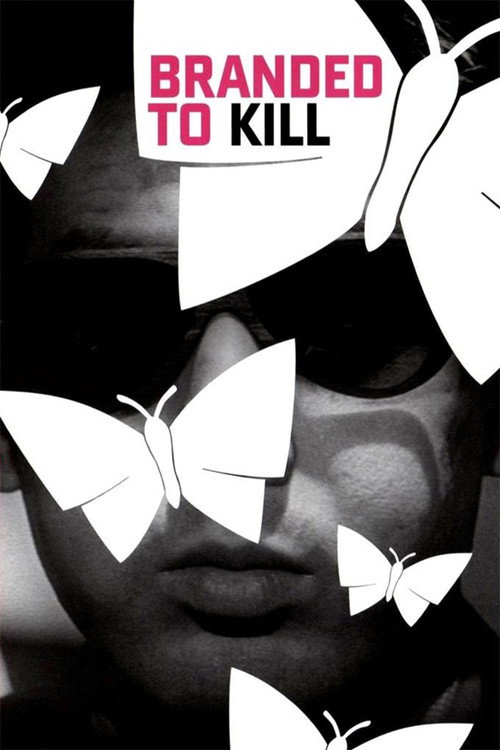
Branded to Kill1967
Seijun Suzuki's surreal yakuza film that warps genre expectations into something hallucinogenic and genuinely strange. Like Ley Lines, it's a film about criminal underworlds that refuses to play by the rules of what a crime film should be.
But The logic is dreamlike and sometimes impenetrable. If you need plot coherence, this will baffle you.
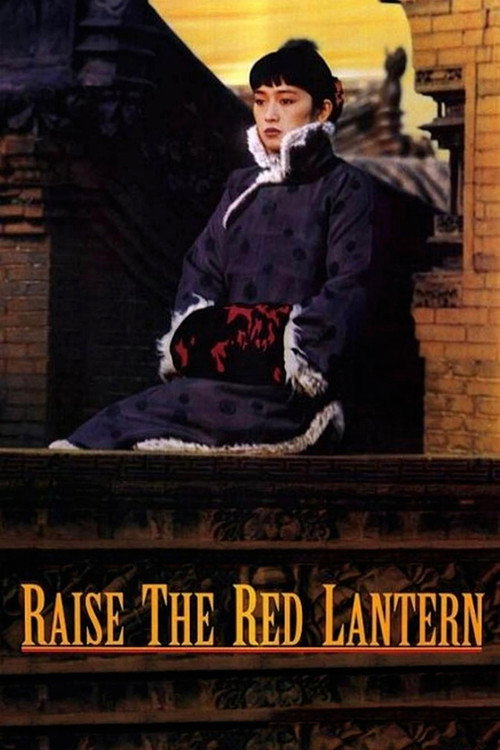
Raise the Red Lantern1991
Zhang Yimou's examination of power, complicity, and survival within rigid hierarchies. Both films use a confined social world to explore how people navigate impossible circumstances without moral escape routes.
But Formally austere and deliberately slow. The beauty can feel cold. Demands patience over plot.
In the Mood for Love2000
Another Wong Kar-wai film, but vastly different in mood—romantic where Ley Lines is savage, yet both use repetition, confinement, and longing as structural and emotional engines. Worth two viewings.
But Deliberately mannered to the point of artificiality. The gorgeous mise-en-scène may feel like posturing if you're not in the mood for pure cinema.

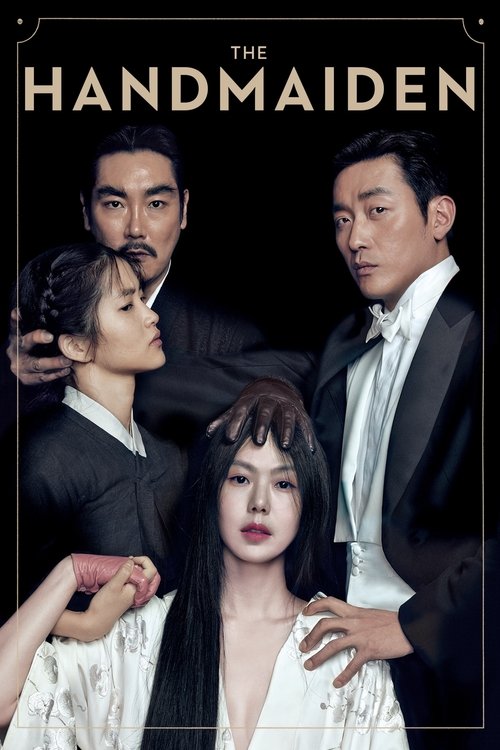
The Handmaiden2016
Park Chan-wook's intricate thriller about con artists and colonialism in 1930s Manchuria. Like Ley Lines, it examines class, desperation, and how systems use individuals as pawns in larger games.
But The plot twists require close attention. Some may feel the revelations are more clever than emotionally resonant.
Shoplifters2018
Hirokazu Koreeda's portrait of Tokyo's invisible poor—a makeshift family surviving theft and precarity. Gentler than Ley Lines but asking the same question: what does survival cost when society has abandoned you?
But Its quietness and lack of conventional drama may feel anticlimactic after you've watched it. It trusts you to feel the weight yourself.

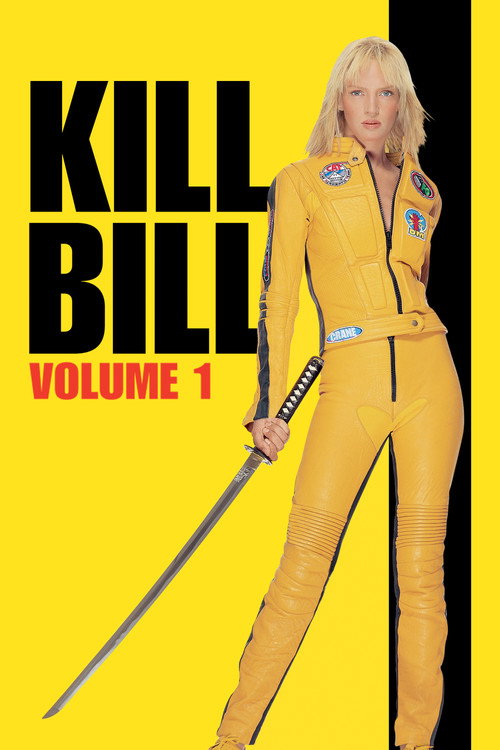
Kill Bill: Vol. 12003
Tarantino's visceral, genre-bending revenge fantasy with a similar visual audacity and willingness to blur serious violence with stylized excess. Both films treat their action as character revelation.
But The tonal shifts between cartoonish and brutal can feel gratuitous. If you dislike stylization for its own sake, the filmmaking may overshadow the story.
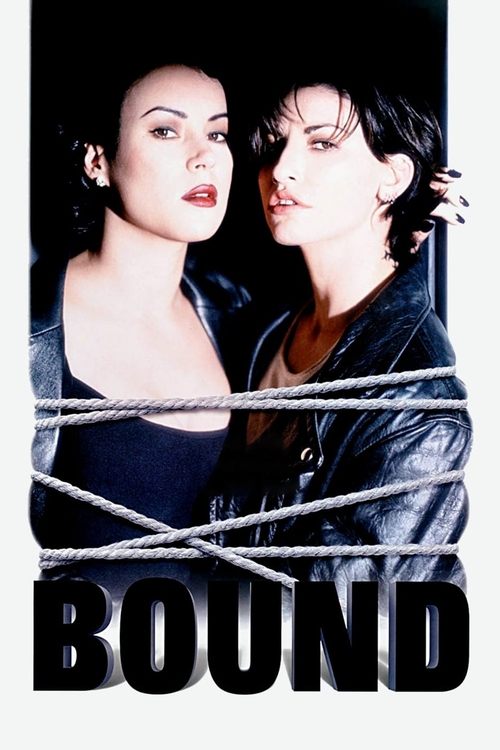
Bound1996
Both films treat crime not as spectacle but as a logic system ordinary people get trapped inside; both favor style and moral complexity over easy resolution.
The Wachowskis' debut about two women, crime, and double-crosses in a Chicago apartment building. A stripped-down, high-tension thriller with visual sophistication and real moral ambiguity about who deserves sympathy in a corrupt world.
But It's fundamentally a genre exercise in suspense, not a portrait of lived experience. If you want social realism over formal cleverness, the artifice will show.
Mulholland Drive2001
Both examine the machinery that grinds up the young and hopeful; both structure their films around entrapment and the impossibility of escape, but through entirely different formal means.
David Lynch's fractured Los Angeles fever dream about aspiration, identity, and the entertainment industry. Like Ley Lines, it's about outsiders navigating a corrupt city that promises everything and destroys everyone, but told through fragmentation and nightmare logic instead of linear crime.
But The narrative deliberately refuses clarity; the structure can feel pretentious or impenetrable. If you want answers, this will frustrate you profoundly.

People
Cast
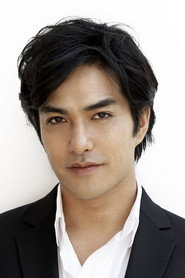 Kazuki KitamuraRyuichi
- Dan LiAnita
- Michisuke KashiwayaShunrei
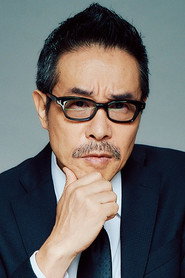 Tomorowo TaguchiChan
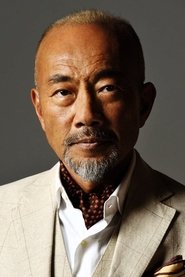 Naoto TakenakaWong
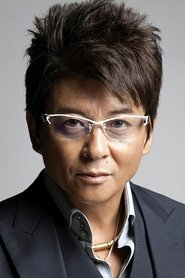 Show AikawaIkeda
- Samy PopBarbie
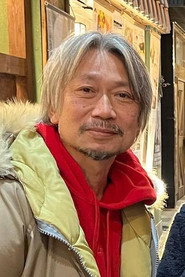 Kaei OkinaPimp

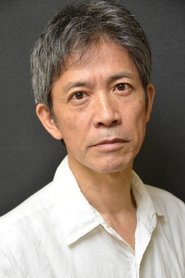 Yozaburo ItoSM Man
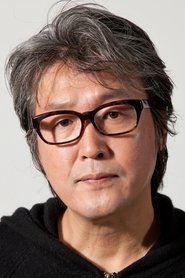 Ryushi MizukamiFake Passport Shop