
Film
The Tree of Life
The Tree of Life is Terrence Malick's cosmic family memoir — a hushed, image-driven meditation on a 1950s Texas childhood, told through fragments of memory, whispered voiceover, and interludes of creation itself. It's less a story than a mood, a contemplation of grace, grief and growing up under a hard father. Patient viewers find it overwhelming; impatient ones find it maddening.
If you liked this
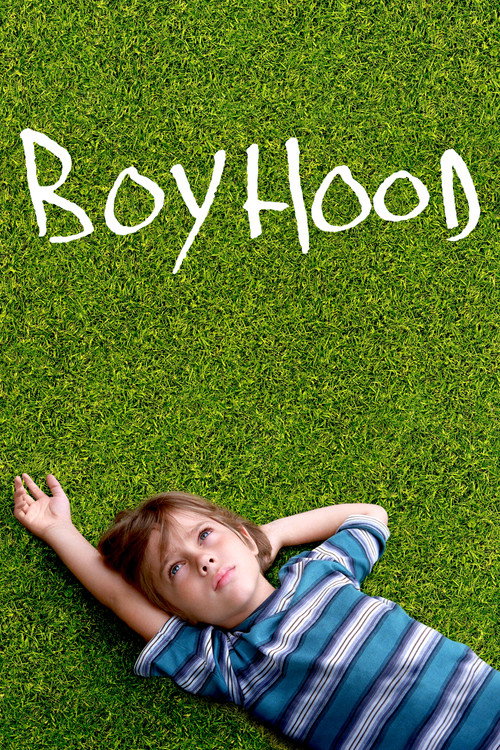
Boyhood2014
Filmed over twelve real years, it captures the same slow accrual of memory and parental imperfection Malick chases through poetry — here through patient, unforced realism instead of cosmic imagery.
But No visual fireworks, no voiceover — if you loved the transcendence, this might feel almost too plain.
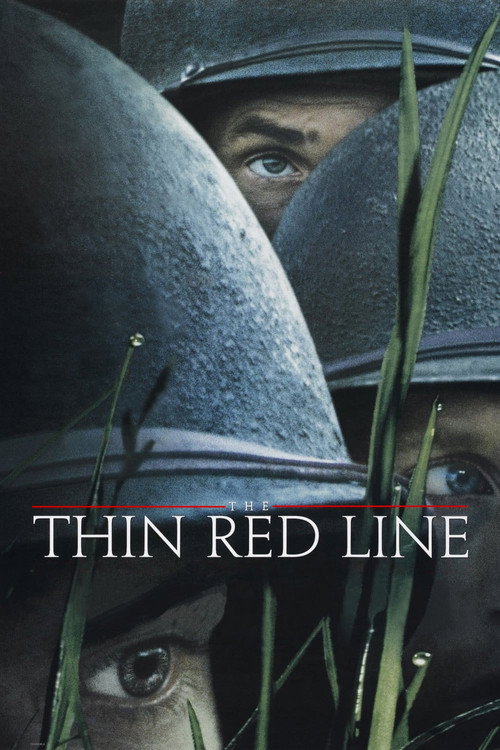
The Thin Red Line1998
Malick's own meditation on nature, violence and the soul, wrapped inside a WWII battle epic — the same whispering internal voices, the same awe at grass and light amid horror.
But Nearly three hours of war-as-philosophy; some find its lyricism at odds with the subject.
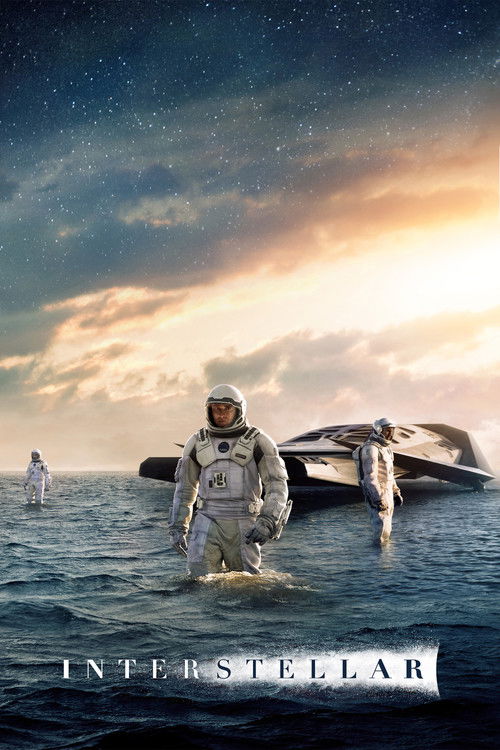
Interstellar2014
A father-child bond stretched across galaxies and time itself, chasing the same big questions about love, mortality and cosmic scale, filtered through science fiction spectacle rather than reverie.
But Trades hushed ambiguity for exposition-heavy dialogue and a much louder emotional register.
The wildcard
Something you would not have found on your own.
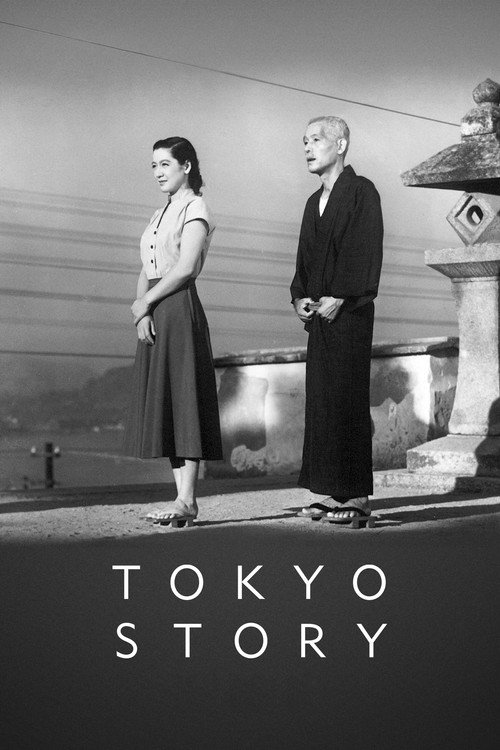
Tokyo Story1953
Both films are about children who've drifted from their parents' values, structured around the slow shrinking of a household, using stillness instead of plot to get at grief.
Ozu's tatami-level compositions and unhurried pacing found the same wisdom about family, disappointment and impermanence decades before Malick, without a single frame of cosmic imagery.
But No dazzling visuals, no voiceover, no crashing waves — its power is almost invisible until it isn't.
More like this (8)
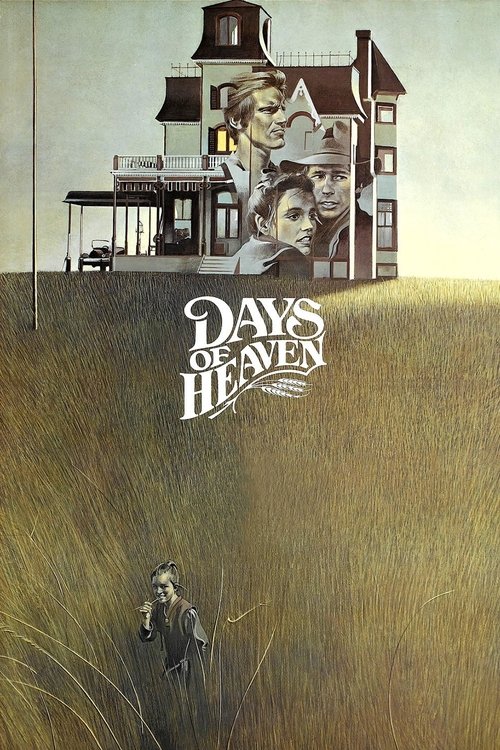
Days of Heaven1978
Malick's earlier, leaner work: the same golden-hour cinematography and mythic sense of American landscape, but tighter, sadder, and easier to hold in one sitting.
But Even sparser narratively and bleaker in its ending; not for those wanting warmth.
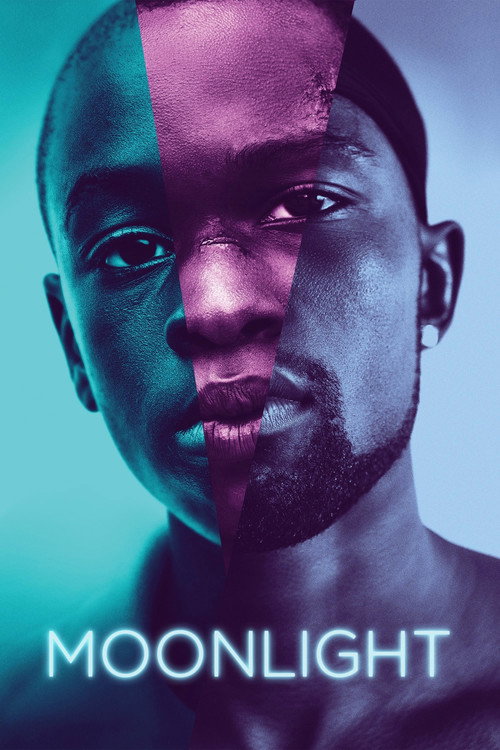
Moonlight2016
A tripartite portrait of a boy becoming a man, told in the same tender, impressionistic light and color, with silence doing as much work as dialogue.
But Grounded and specific where Tree of Life goes cosmic; if you wanted metaphysics, this stays human-scaled.
American Beauty1999
Another portrait of a stifling mid-century American household and a father whose authority curdles into something else, shot with a matching eye for suburban beauty hiding rot.
But Sardonic and ironic where Malick is sincere; the tone couldn't be more different.

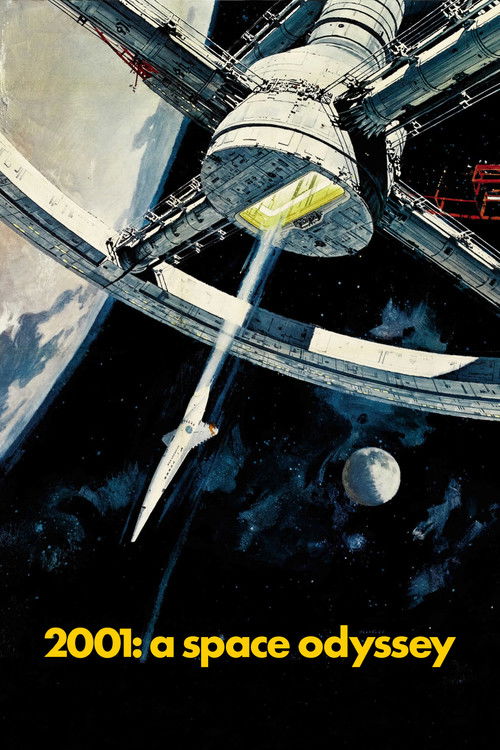
2001: A Space Odyssey1968
The granddaddy of cinema-as-cosmic-inquiry: wordless stretches, evolutionary leaps, and images meant to be felt rather than explained, just like Malick's creation sequence writ large.
But Even more austere and enigmatic; patience-testing in a completely different key.
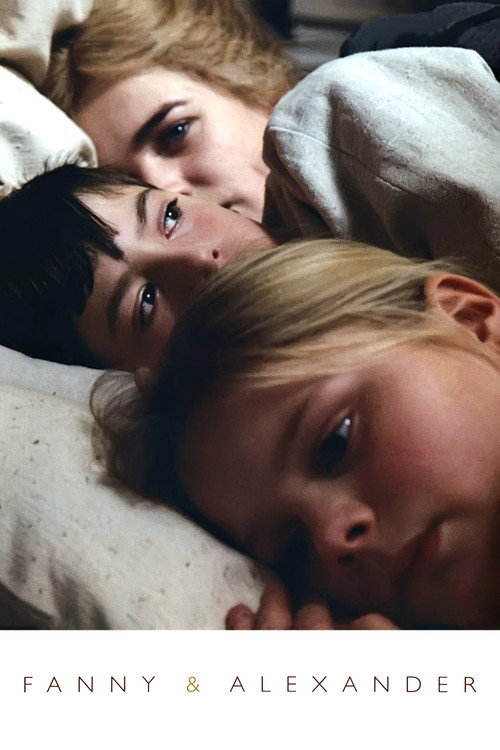
Fanny and Alexander1982
A sprawling, sensory childhood memoir steeped in faith, family cruelty and wonder, seen through a child's half-understanding eyes much like young Jack's.
But Long, theatrical, and thick with Swedish domestic detail; a slow burn even by Malick standards.
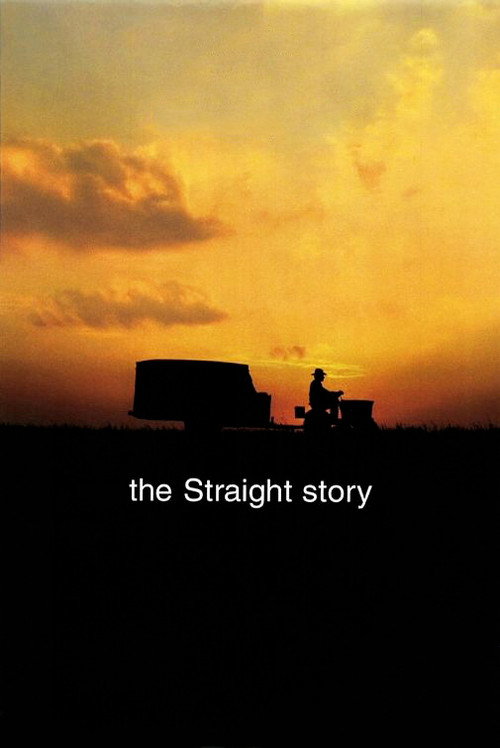
The Straight Story1999
A gentle, unhurried American road movie about reconciliation and mortality, proof that quiet, deliberate pacing can hold as much feeling as any grand cosmic gesture.
But Modest and small where Malick swings for the eternal; some may find it too slight by comparison.
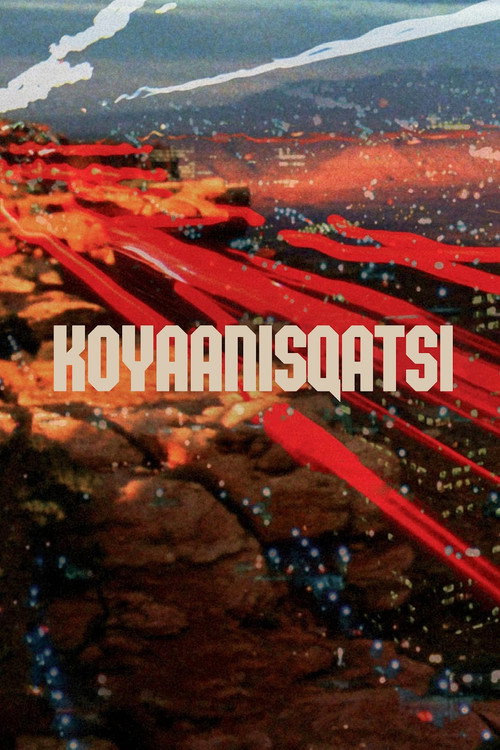
Koyaanisqatsi1983
The wordless creation-of-the-universe interlude in Tree of Life is essentially a compressed cousin of this entire film: cosmic and industrial imagery set against human insignificance.
Ninety minutes of pure image and Philip Glass score, tracing the same collision between nature, time and modern life that Malick only visits for twenty minutes in his creation sequence.
But No characters, no story, no dialogue at all — a pure sensory experience some will find punishing rather than sublime.
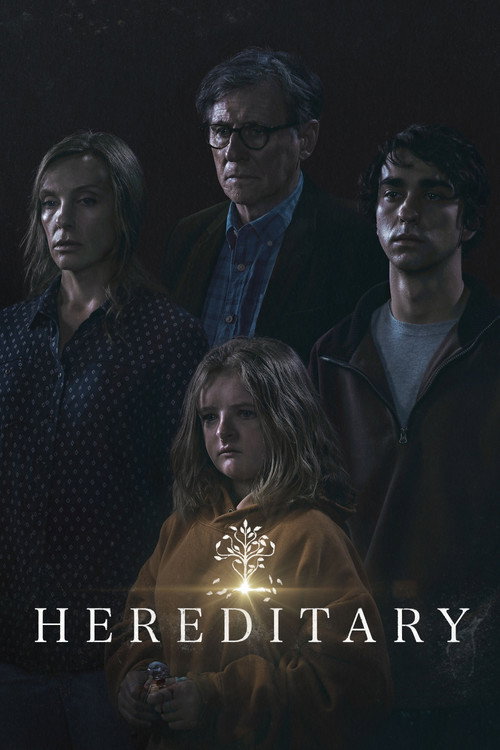
Hereditary2018
Swap the hushed grace for supernatural horror and it's the same machine: a family unraveling under generational trauma, a mother's grief metastasizing, the mundane treated as sacred and cursed at once.
Ari Aster stages domestic grief with the same painterly patience and sense of unseen forces pressing on an ordinary house, just cranked toward terror instead of transcendence.
But Genuinely frightening and upsetting — if you found Malick's tenderness comforting, this replaces it with dread.
People
Cast
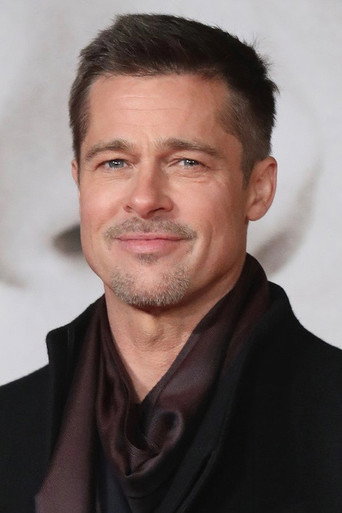 Brad PittMr. O'Brien
 Jessica ChastainMrs. O'Brien
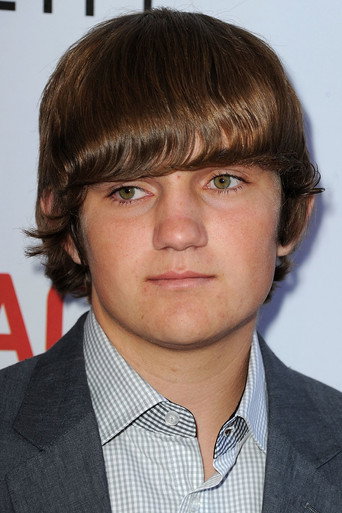 Hunter McCrackenYoung Jack
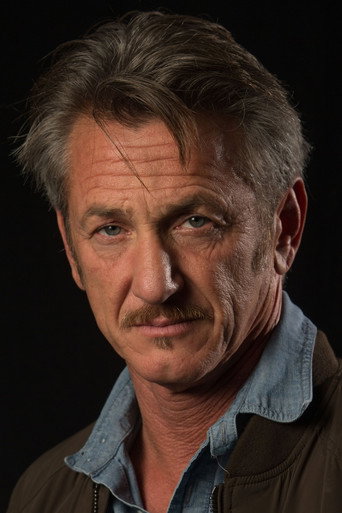 Sean PennJack
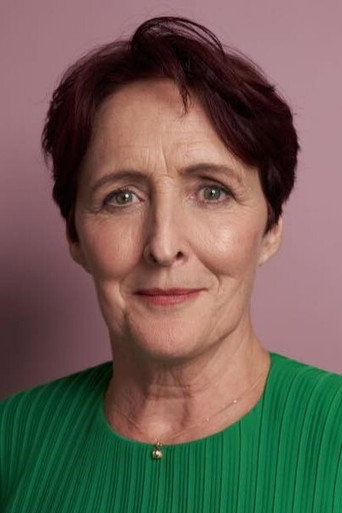 Fiona ShawGrandmother
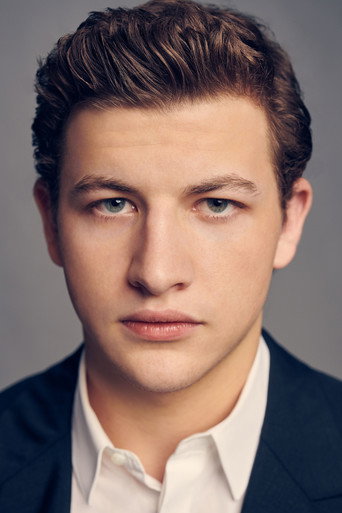 Tye SheridanSteve
- Laramie EpplerR.L.
 Will WallaceArchitect
- Nicolas GondaMr. Reynolds
- Jessica FuselierGuide
- Kelly KoonceFather Haynes
- Bryce BoudoinRobert
Directing
- Terrence MalickDirector
- Rebecca FultonScript Supervisor
- Paul AtkinsSecond Unit Director
Writing
- Terrence MalickWriter
Production
- Ivan BessAssociate Producer
- Sandhya ShardanandAssociate Producer
- Francine MaislerCasting
- Vicky BooneCasting
- Paula Mae SchwartzCo-Executive Producer
- Steve SchwartzCo-Executive Producer
- Nicolas GondaCo-Producer
- Donald RosenfeldExecutive Producer
- Carlo HintermannLine Producer
- Susan KirrLine Producer
- Greg EliasonOther
- Nigel AshcroftOther
- Bill PohladProducer
- Brad PittProducer
- Dede GardnerProducer
- Grant HillProducer
- Sarah GreenProducer
- Sarah GreenUnit Production Manager
Recommended by
Boyhood, Wings of Desire, Koyaanisqatsi, Synecdoche, New York, Ordet, Cloud Atlas, 2001: A Space Odyssey, A Ghost Story, Roma, The Fountain, Waking Life, Wild Strawberries, Beasts of the Southern Wild, Sunrise: A Song of Two Humans, Pather Panchali, Days of Heaven, Melancholia, A Hidden Life, Aparajito