
Film
To the Wonder
- Drama
- Slow-burning
Terrence Malick's ethereal meditation on love, doubt, and faith. Ben Affleck drifts between two women while a priest wrestles with God's silence. Shot through golden light and whispered voiceovers, it's more poem than plot—deliberately paced, visually ravishing, emotionally oblique. For those who prize mood and mystery over narrative clarity.
Should you watch it?
Watch it if you respond to images doing the talking, to a drifting camera and whispered voiceover, and can live with a love story that unfolds as mood rather than plot.
Skip it if you want a story with clear dramatic momentum, since this one circles the same feelings of doubt and longing for long stretches and dialogue is sparse.
What it asks of you: At 112 minutes, it moves in loose, fragmentary scenes with long silences and whispered voiceover, asking for patience more than close attention to plot.
Not sure? Find tonight's pick in a minute.
If you liked this
A Ghost Story2017
Casey Affleck haunts a house across decades, watching time erode everything he loved. Like Malick, it transforms heartbreak into abstraction—grief becomes landscape, love becomes duration. Quietly devastating.
But The pacing is glacial and the emotional register almost inhuman. If you need clear story beats or dialogue to anchor you, this will feel like watching paint dry.

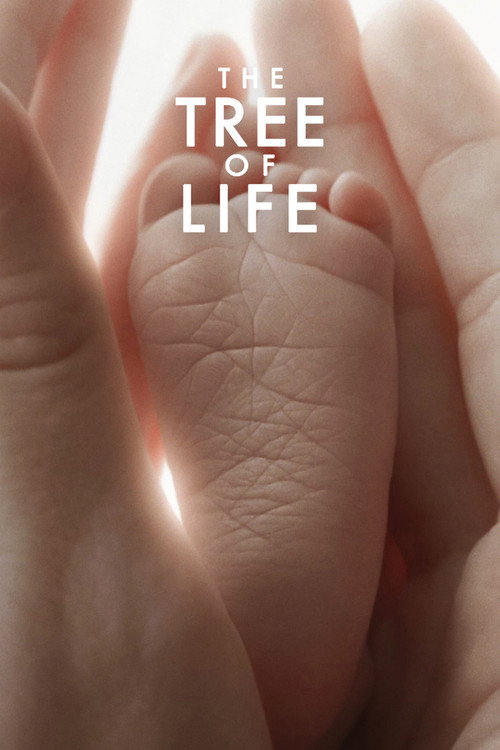
The Tree of Life2011
Malick's masterpiece: a boy's childhood in 1950s Texas spirals into the creation of the universe. Whispered philosophy, dinosaurs, light through trees, the ache of existence. If you're drawn to To the Wonder's reach, this is essential.
But Even by Malick standards, it's demanding—three hours of fragmentary images and voice-over that require patience bordering on faith. Many will find it pretentious or insufferable.
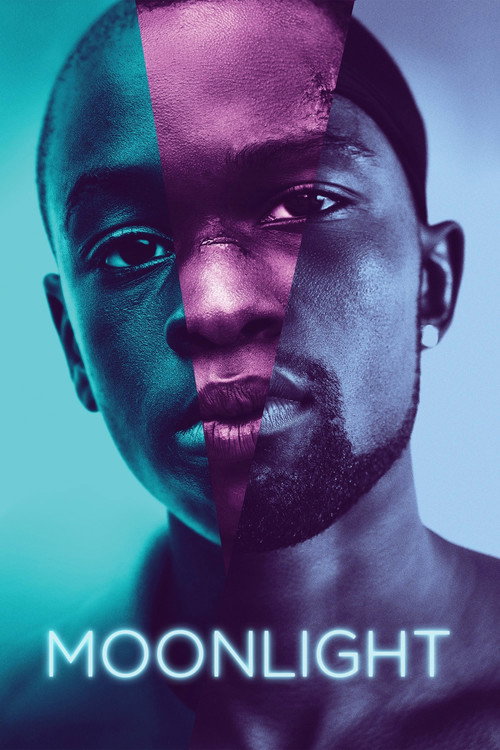
Moonlight2016
Three chapters of a Black man's life shaped by love, desire, and violence. Like Malick, it privileges feeling over exposition; entire scenes communicate through glances and water and light. Intimate and achingly poetic.
But Minimal dialogue and plot. The ellipses between scenes demand you fill the gaps yourself. Some find that liberating; others just find it frustrating.
Not sure tonight? Get a pick in a minute, starting from To the Wonder
The wildcard
Something you would not have found on your own.
Stalker1979
Both films treat romantic and spiritual doubt as the same crisis. Both use landscape and light as characters. Both believe cinema can be a form of prayer.
Andrei Tarkovsky's science-fiction parable: a guide leads two men through a mysterious zone toward a room that grants wishes. Spiritually searching, visually hypnotic, it asks the same questions about desire and faith that Malick poses. A masterpiece about the shape of longing itself.
But 163 minutes of slow tracking shots and philosophical monologue in a subtitled Russian film from 1979. The science-fiction setup is a decoy; what you're actually watching is the cinema equivalent of prayer. Many find it forbiddingly dense.

More like this (8)
Under the Skin2014
Scarlett Johansson as an alien predator on the Scottish coast. Hypnotic, strange, almost silent—a film about presence and absence, body and void. Malick's spiritual cousin in its refusal to explain itself.
But Deliberately obscure and slow. Long stretches of driving through landscape with minimal incident. The narrative (what there is) only makes sense on reflection.

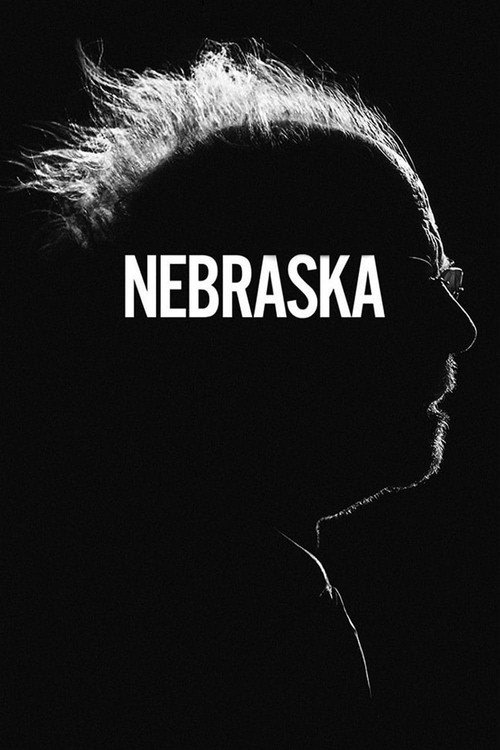
Nebraska2013
Bruce Dern drives his son across the Midwest chasing a lottery dream. Black-and-white plains, small-town decay, quiet dignity. Humanist where Malick is mystical, but both find grace in ordinary American heartbreak.
But It's extremely quiet and moves at a wanderer's pace. If you want propulsion or wit, you'll be waiting the whole film.
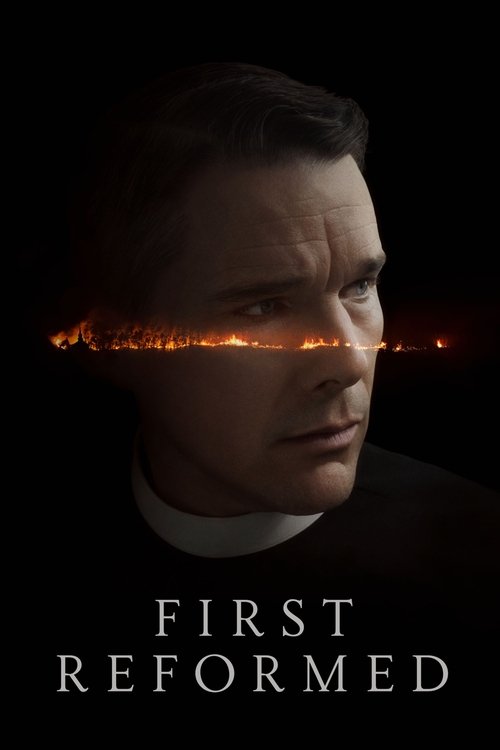
First Reformed2018
Ethan Hawke as a pastor wrestling faith amid environmental collapse and personal despair. Paul Schrader channels Bresson—sparse, austere, asking what belief means when suffering is real. Moral gravity without sentimentality.
But It's bleak and increasingly difficult to watch. Not cathartic; it ends in genuine desolation. Some see that as honest; others find it punishing.
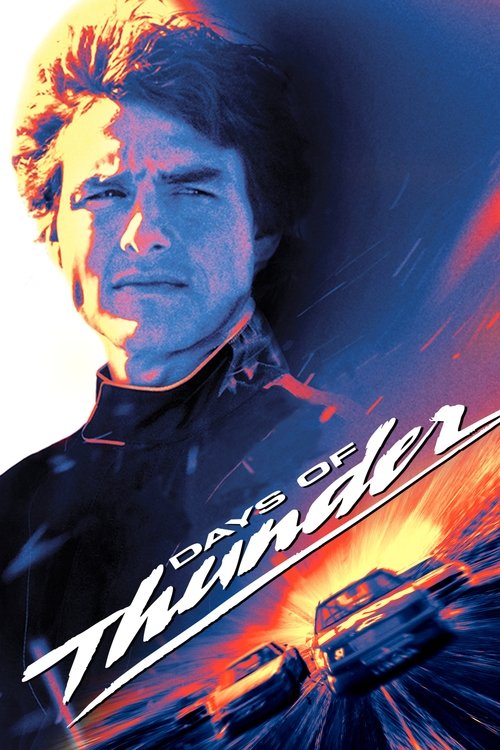
Days of Thunder1990
Japanese portrait of a retired couple's quiet devotion—long takes, minimal plot, the texture of dailyness elevated to poetry. Tsai Ming-liang makes duration itself an expression of love and mortality.
But Almost nothing happens. It's a test of patience disguised as a film. If narrative momentum matters to you at all, this will feel glacially slow.
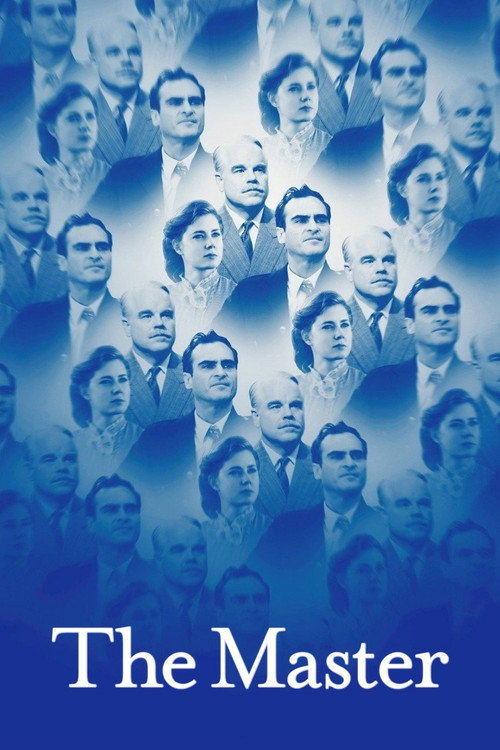
The Master2012
Paul Thomas Anderson's hypnotic tale of two men bound by charisma and dependency. Joaquin Phoenix and Philip Seymour Hoffman in a power dance that's never quite resolved. Staggeringly well-made, architecturally perfect.
But It's more interested in mood and performance than clarity. The plot resists conventional meaning. Many walk out feeling manipulated rather than moved.
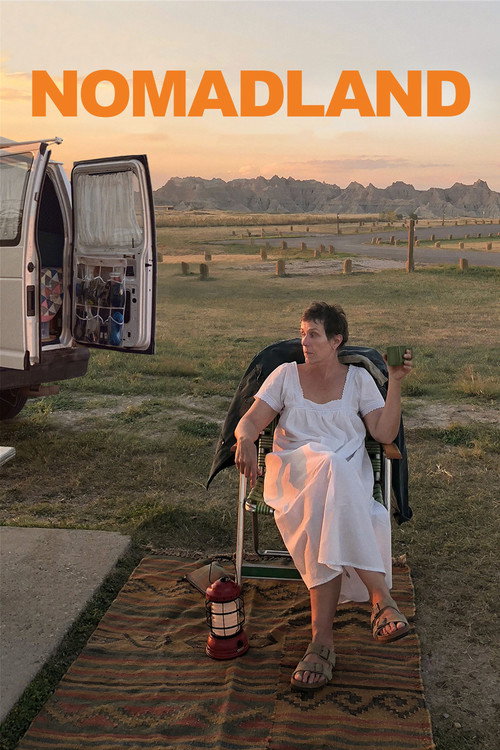
Nomadland2021
Chloé Zhao follows real van-dwellers across the American West. Documentary naturalism meeting spiritual searching; grief transforms into freedom. Quietly radical in its refusal to judge or sentimentalize.
But Plotless and sometimes hermetic—you're watching people exist, not overcome obstacles. The melancholy can feel thin if you're looking for narrative or meaning.
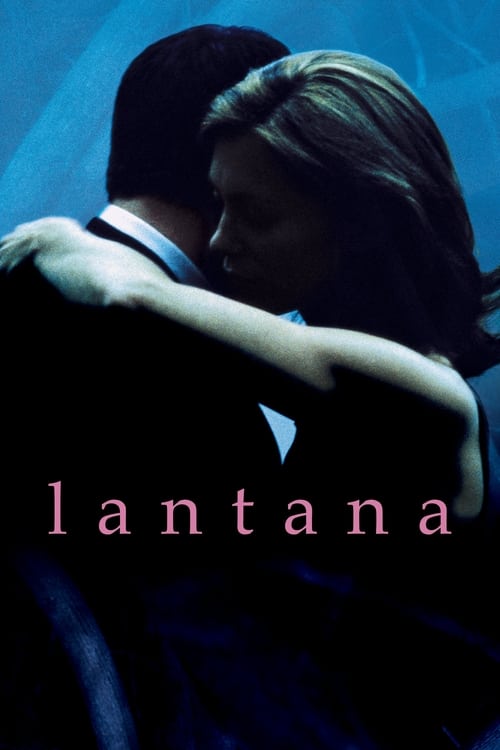
Lantana2001
Both explore marital doubt and the impossibility of being fully known by another person. Where Malick floats that in abstraction, Lantana anchors it in therapy sessions and suburban pathology. Same wounds, different register.
An Australian ensemble drama where infidelity, therapy, and suburban ennui collide in one perfect narrative puzzle. It has To the Wonder's interest in fractured relationships and the gap between what we feel and what we say, but grounded in plot and psychological realism. Deeply intelligent about how love fails.
But It's structured as a mystery, but the satisfaction comes from character revelation, not plot twist. The tone is uniformly downbeat—this isn't escapism. And it's become something of a lost film.
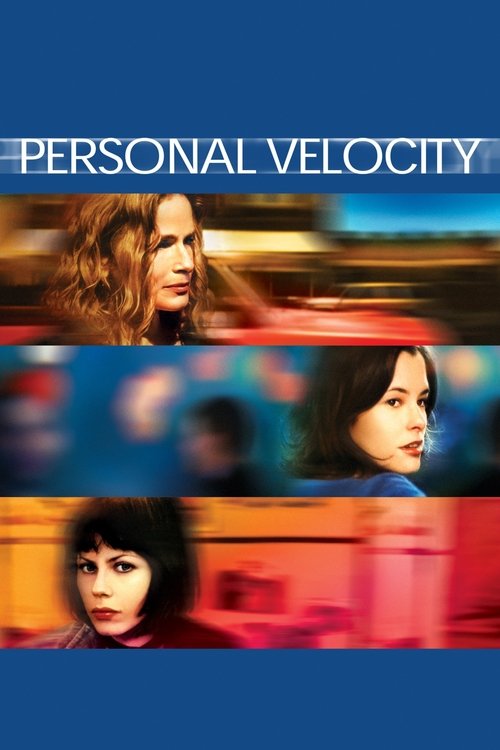
Personal Velocity2002
Where To the Wonder is a man's spiritual crisis involving two women, Personal Velocity is three women's crises of selfhood. Both use voiceover as the truest voice. Both suggest that romantic love might be less important than the stories we tell ourselves about ourselves.
Premiere Allen's rapid-fire triptych about three women escaping men. Shot in frenetic handheld video, it's all momentum and voiceover—the opposite of Malick's dreamy slowness. But it shares his interest in female interiority and the gap between what women feel and what they're permitted to say. Exhilarating and raw.
But The style is aggressively DIY; it looks cheap by design. Each segment is barely a sketch. If you need narrative substance or visual polish, this will feel like half-finished thoughts.
People
Cast
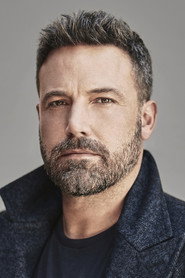 Ben AffleckNeil
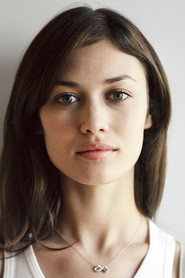 Olga KurylenkoMarina
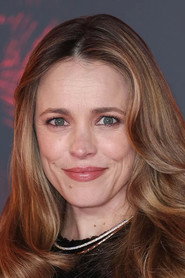 Rachel McAdamsJane
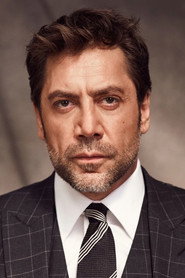 Javier BardemFather Quintana
 Tatiana ChilineTatiana
 Romina MondelloAnna
- Tony O'GansSexton
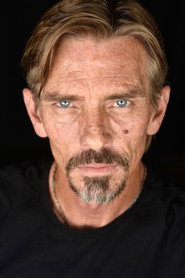 Charles BakerCarpenter
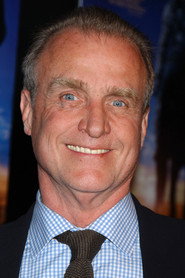
- Casey WilliamsNeighbor #1
- Jack HinesNeighbor #2
- Paris AlwaysClassmate #1
Directing
- Terrence MalickDirector
- Rebecca FultonScript Supervisor
Writing
- Terrence MalickWriter
Production
- Charley BeilAssociate Producer
- Morgan PollittAssociate Producer
- Chris FreihoferCasting
- Hans GraffunderCo-Producer
- Sandhya ShardanandCo-Producer
- Glen BasnerExecutive Producer
- Jason KrigsfeldExecutive Producer
- Joseph KrigsfeldExecutive Producer
- Nicolas GondaProducer
- Sarah GreenProducer
- Sarah GreenUnit Production Manager