
Film
The Grass Is Singing
- Drama
- Very dark
Doris Lessing's colonial nightmare adapted with unflinching precision. Karen Black's Mary arrives at a Rhodesian farm expecting one life and finds herself trapped in another, spiralling through isolation, class collision, and racial taboo into something darker than scandal. Austere, uncomfortable, and entirely necessary—a film that refuses to look away.
If you liked this
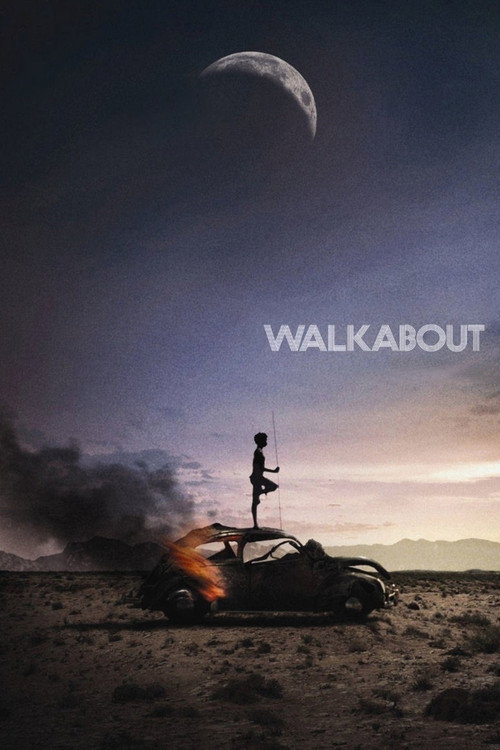
Walkabout1971
Nicolas Roeg's elliptical masterpiece about collision and desire in the Australian outback. Visual poetry meets anthropological tension; the same unsettling grace and the same willingness to let beauty and dread sit side by side.
But Deliberately slow and cryptic. Some viewers find the pacing glacial and the narrative too open to interpretation.
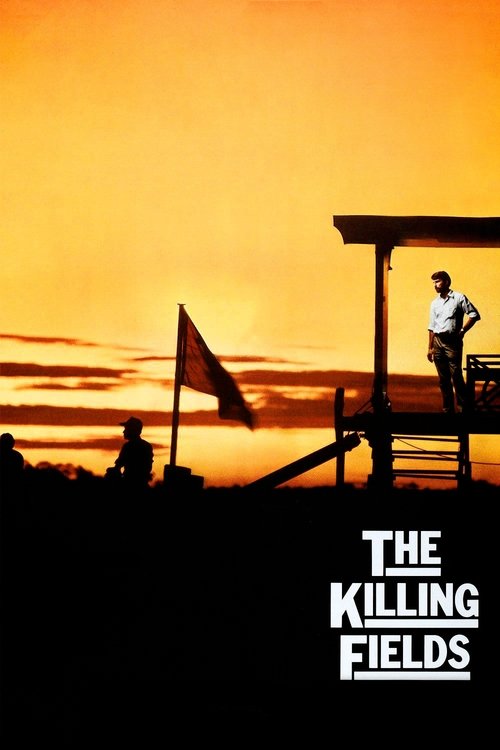
The Killing Fields1984
Schoendoerffer's unflinching account of Cambodia under the Khmer Rouge, told through Western eyes bumping against historical horror. The same unflinching colonial perspective meets political catastrophe; both films are about witnessing what you cannot unsee.
But Devastatingly heavy and graphic in places. Not a film you watch to feel better about humanity.
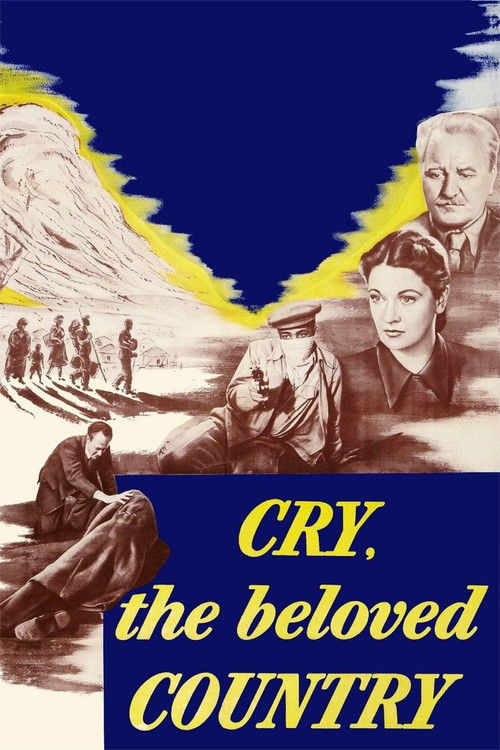
Cry, the Beloved Country1951
Shot on location in South Africa with Alan Paton's moral weight intact. A meditation on racial fracture and faith in a fractured land, equally unromantic about colonialism and equally haunted by what cannot be repaired.
But The pacing is stately and mournful. Some find the spirituality earnest to the point of sentimentality.
Not sure tonight? Get a pick in a minute, starting from The Grass Is Singing
The wildcard
Something you would not have found on your own.
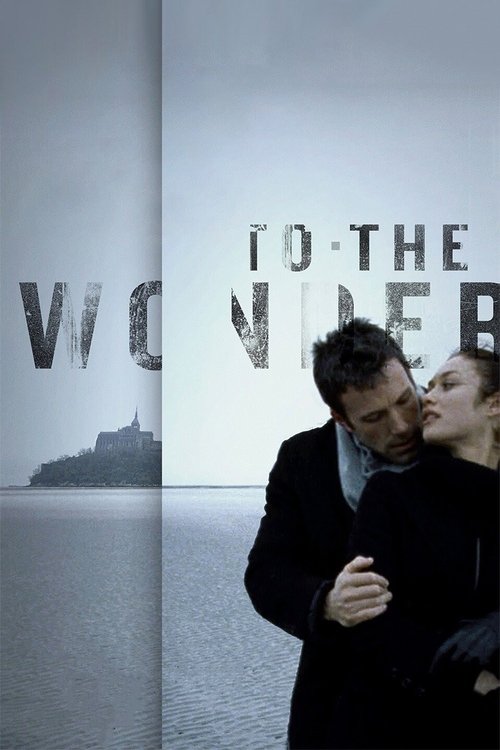
To the Wonder2013
Both films treat marriage as a form of psychological colonisation—the wife trapped not by geography but by the compact itself, love curdling into resentment.
Terrence Malick's whispered meditation on marriage, faith, and the impossibility of connection even in love. Like The Grass Is Singing, it finds in intimacy a kind of horror—not violent but spiritual. The same question: how do two people come to despise each other in the spaces meant for comfort?
But Malick at his most abstract and demanding. If you need dialogue to anchor character, this will feel like watching a dream you don't want to be having.
More like this (7)
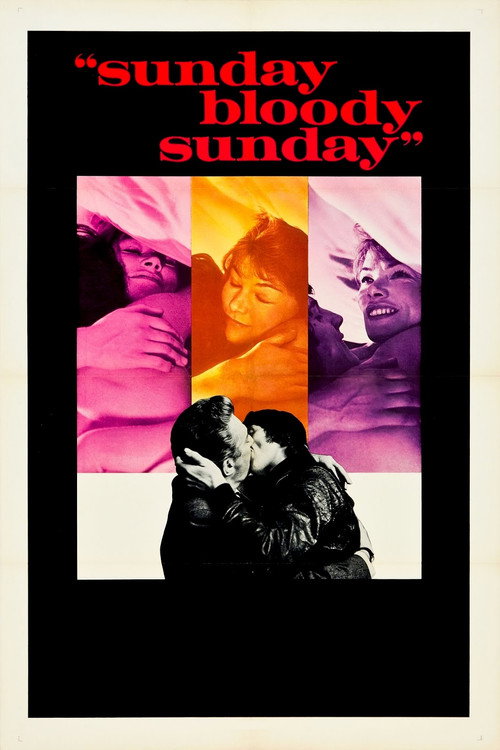
Sunday Bloody Sunday1971
Penhall's London film about desire across class and sexuality, utterly unsentimental about why people stay in situations that diminish them. Same intelligence about entrapment; same refusal to simplify.
But Very 1970s in its pacing and emotional restraint. The sex feels clinical rather than erotic, which is partly the point.
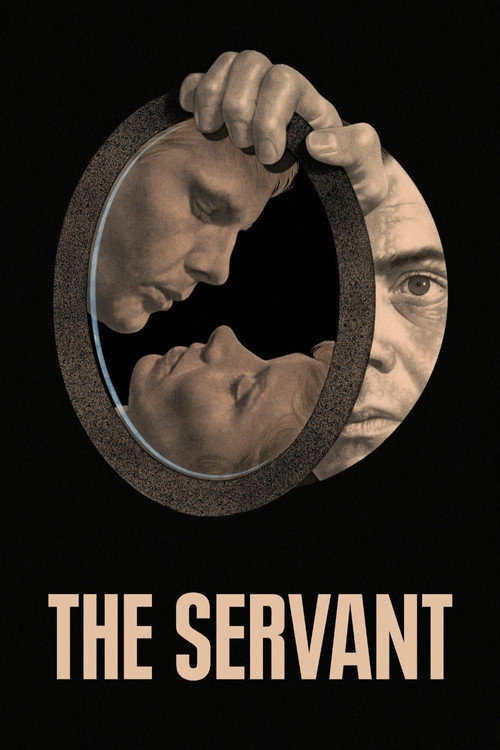
The Servant1963
Losey's corrosive study of power inversion and sexual class warfare in a London townhouse. The servant-master dynamic here echoes the film's own colonial terror, just relocated and inverted.
But Difficult and deliberately nasty. The misogyny and manipulation can feel punishing to watch.
The Ballad of Little Jo1993
Reichardt's sparse Western about a woman surviving at the margins of frontier society by impersonation and solitude. The same mood of isolation in open spaces and the cost of not belonging where you're trapped.
But Visually austere and narratively minimal. Some find it inert rather than meditative.

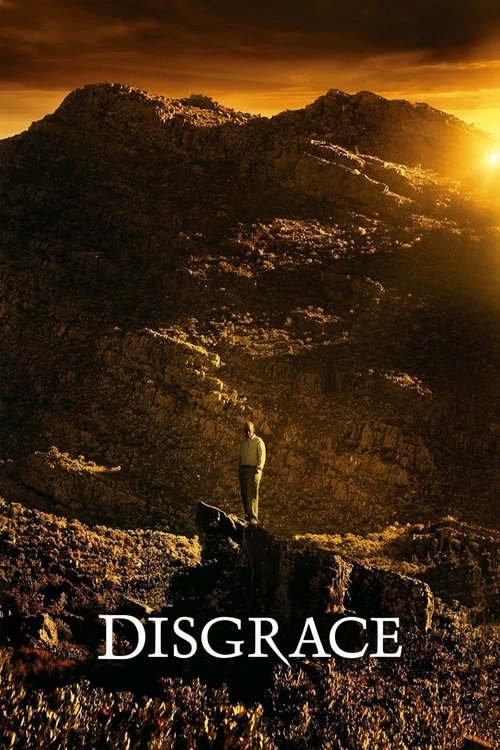
Disgrace2008
Steve Jacobs adapts Coetzee's post-apartheid South Africa novel: a man's fall through shame and complicity. The same unflinching look at white privilege and sexual transgression in a broken colonial order.
But Morally murky and sexually explicit in ways that upset viewers. The film doesn't judge, which some experience as endorsement.
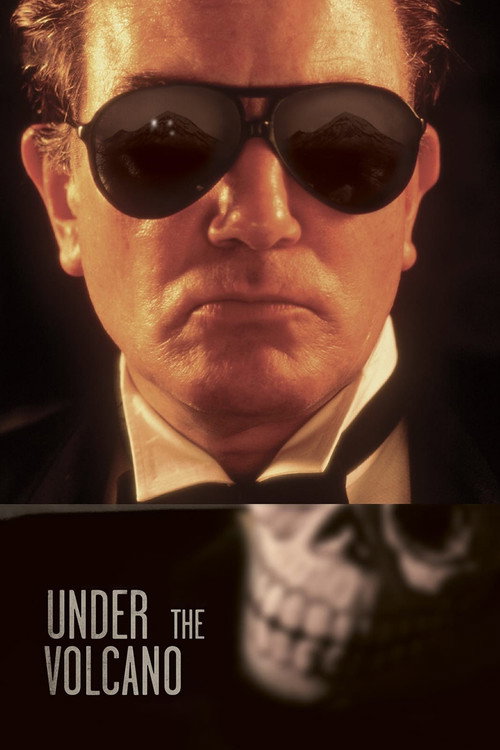
Under the Volcano1984
John Huston's adaptation of Malcolm Lowry is about dissolution and exile in Mexico: a man drowning in drink and time. The same claustrophobia in an alien landscape, the same spiral into incomprehension.
But Deliberately plotless and repetitive. If you're looking for narrative momentum, this is the wrong film.
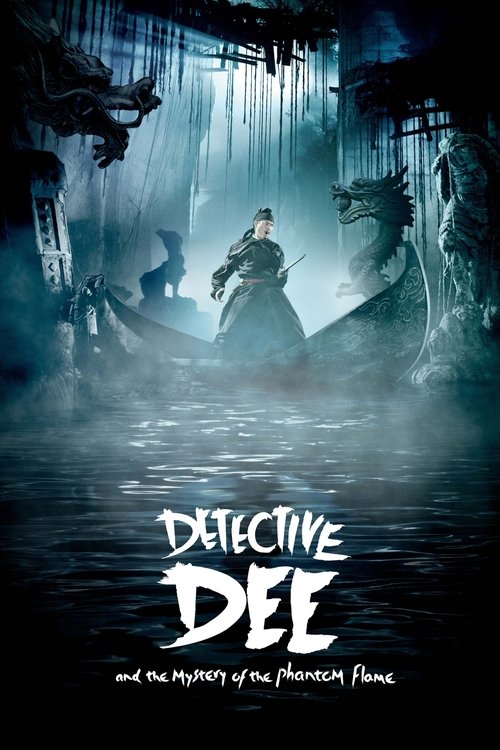
Detective Dee and the Mystery of the Phantom Flame2010
Both films use colonial or patriarchal landscapes as characters themselves, watching women break against rigid societies. Both refuse to dramatise the breakdown—they show only the cracks.
Mohamed Chouikh's Algerian film about a woman caught between tradition and modernity, shot with stark beauty in the Sahara. Not the same story but the same logic: a woman arriving into a world that will consume her, isolation and desire driving her toward catastrophe.
But In Arabic with subtitles. Extremely slow and painterly; very little happens in plot terms.
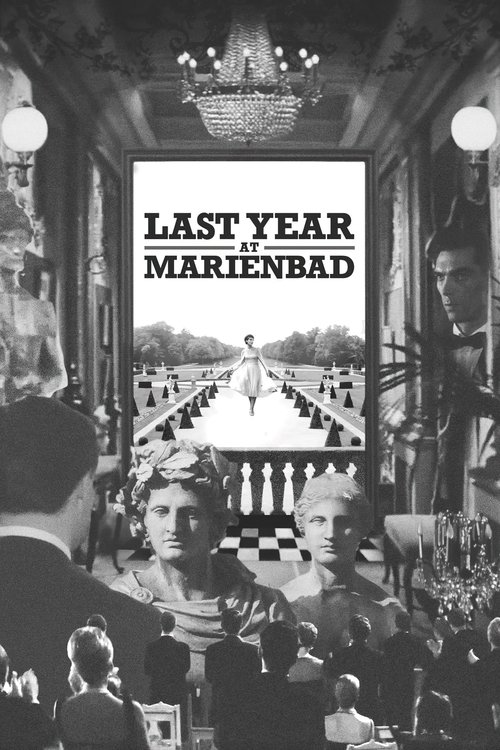
Last Year at Marienbad1961
Both films locate the erotic and the transgressive in spaces of formality and restraint. Both see desire as a form of madness that society must punish.
Resnais and Robbe-Grillet's cryptic masterpiece: a man pursuing a woman through a baroque hotel, memories colliding with seduction, nothing resolved. Absolutely from another planet—modernist, fractured, hypnotic—but carries the same sexual transgression and the same sense of time as a trap.
But Genuinely bewildering. The narrative refuses to clarify itself, and some find that pretentious rather than profound.
People
Cast
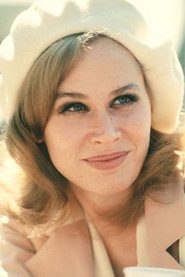 Karen BlackMary Turner
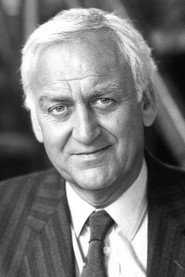 John ThawDick Turner
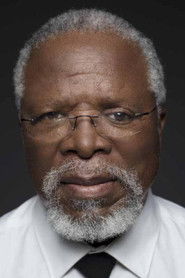 John KaniMoses
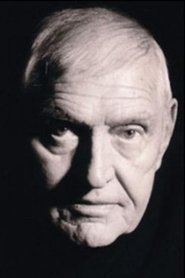 Patrick MynhardtCharlie Muller
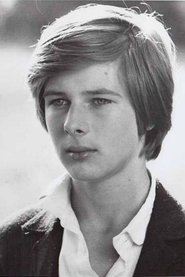 John Moulder-BrownTony Marston
- Margaret HealeEllen Muller
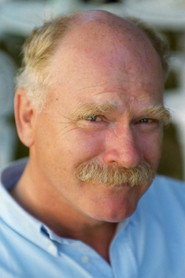 Björn GeddaSgt. Denham
 Jan NygrenDoctor
- Vincent MijoniBoss' Boy
- Ivy MiyandaMoses' Wife
- Reg CornishMary's Boss
- Gailos ShiyambaSamson
Directing
- Michael RaeburnDirector
Writing
- Doris LessingNovel
- Michael RaeburnScreenplay
Production
- Catharina StackelbergAssociate Producer
- Mark ForstaterProducer