
Film
Disgrace
- Drama
- Very dark
A devastating portrait of a man stripped of everything by his own choices and South Africa's violent history. John Malkovich's disgraced professor surrenders to consequence with unbearable clarity. This is a film that observes moral collapse without flinching, demanding your full attention and leaving you shaken. Bleak, precise, and unmissable for those who can bear it.
Should you watch it?
Watch it if you want a bleak, unflinching study of a proud man's moral collapse, told with restraint and a close eye on the awkward silences between people who cannot quite understand each other.
Skip it if you need characters to be likable or stories to resolve neatly; this is slow, withholding and often cold, and its ugliest passages stay with you long after the credits.
What it asks of you: Settle in for two hours of patient, uneasy watching, where the pace stays measured and the mood rarely lifts, and you must hold your judgement open.
Not sure? Find tonight's pick in a minute.
If you liked this
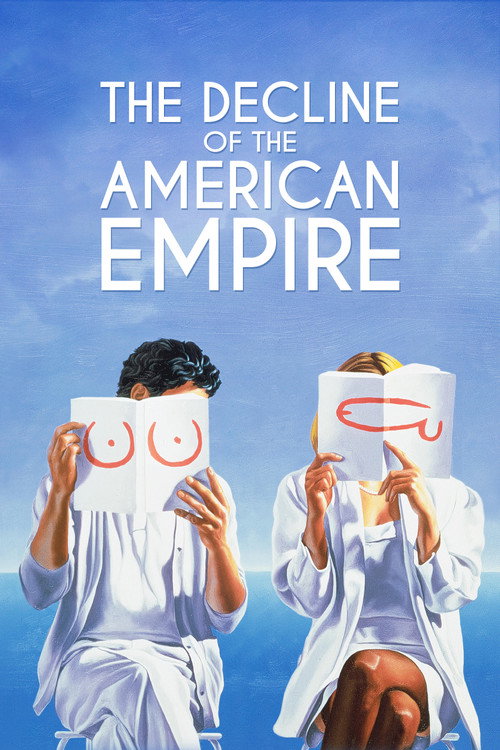
The Decline of the American Empire1986
A man watches his entire world—status, money, safety—evaporate. Like Disgrace, it maps the precise anatomy of humiliation and how little a person can endure before something breaks permanently inside them.
But A 1980s film from Quebec that feels glacial and pessimistic about human nature. Not cathartic; genuinely bleak.
All About Eve1950
Ambition, desire, and the hunger to be admired destroy everyone it touches. Like Disgrace, it shows how our need to be wanted can make us monstrous without our noticing.
But Sophisticated, theatrical dialogue. No catharsis, no redemption—just the slow realization that everyone deserves what they get.

Moonlight2016
Fragmented, deeply honest about shame, vulnerability, and what we cannot say. Both films understand how violence—physical, sexual, social—leaves permanent invisible wounds.
But Quiet, meditative, and sometimes opaque. Asks you to hold grief without explanation or resolution.

Not sure tonight? Get a pick in a minute, starting from Disgrace
The wildcard
Something you would not have found on your own.
Bitter Lake2015
Both examine how personal shame and political complicity are entangled; how we're all implicated in systems larger than ourselves.
Adam Curtis's four-hour documentary essay about geopolitics, desire, and Afghanistan. It shares Disgrace's conviction that we are trapped by history we cannot see or escape. Both are about the cost of believing ourselves exceptional.
But A dense documentary collage with no conventional narrative. Demands active watching and a willingness to sit with difficult ideas. Curtis's voice-over method isn't for everyone.
More like this (8)
Stalker1979
A man journeys toward something he thinks he wants, only to discover it will destroy him. Tarkovsky's film shares Disgrace's conviction that we cannot escape what we are.
But Three hours of deliberately slow, metaphorical Russian science fiction. Demands patience; rewards none of it with comfort.

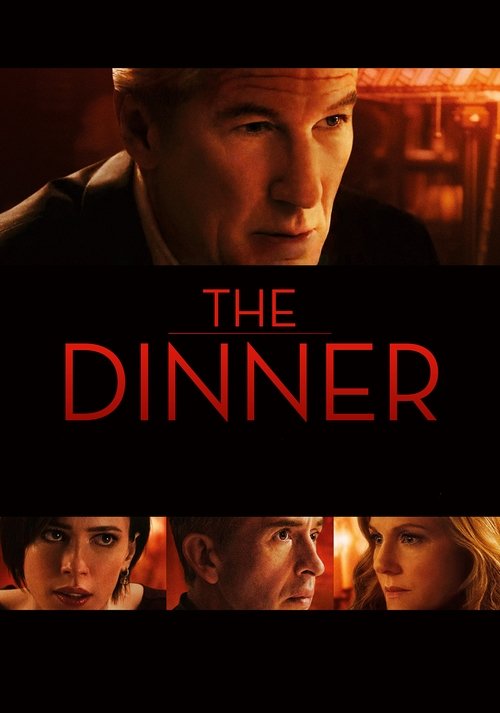
The Dinner2017
A family dinner unravels as parents confront what their children have done. Both films anatomize the gap between who we believe we are and what we're capable of.
But A contained, theatrical piece that some find claustrophobic. The twist undermines the emotional work for many viewers.
In the Bedroom2001
Quiet devastation. A family destroyed by violence and their own impulses toward revenge. Both films show how trauma doesn't resolve—it just spreads.
But Deliberately paced. The payoff is existential dread, not catharsis. Some find it slow to unbearable.

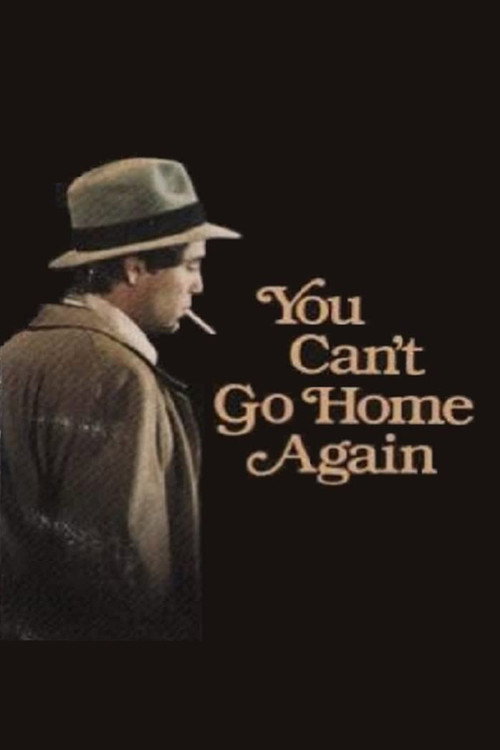
You Can't Go Home Again1979
A man confronts his past in his hometown and finds only ruin. Like Disgrace, it's about the impossibility of return and the self-deceptions we maintain.
But Obscure, languid, and emotionally exhausting. Made on a small budget and it shows. Not widely available.
A Serious Man2009
A man does nothing terribly wrong and is destroyed anyway. The Coens' exploration of cosmic injustice and moral helplessness runs parallel to Lurie's fall.
But Deliberately frustrating. The protagonist's suffering is meaningless, and the film refuses to comfort you about it.

Under the Skin2014
Scarlett Johansson observes humanity with alien detachment, hunting them. Both films are coldly precise about desire, predation, and how we rationalize our appetites.
But Experimental, barely narrative, almost silent. More art film than drama. Cryptic in ways that infuriate some viewers.

A Prophet2009
Both trace the precise mechanics of moral transformation: how you become someone else not through a choice but through a thousand small surrenders.
A young man in prison is remade by violence and complicity. Like Disgrace, it's a clinical study of someone becoming something they didn't choose, step by step, with no way back.
But A French crime drama about prison life. Unrelenting, sometimes brutal, and offers no moral resolution—only acceptance of the new creature you've become.

Tokyo Story1953
Both are about the weight of disappointed expectations and how we carry unbearable knowledge of those we love without being able to change anything.
An elderly couple visit their son in Tokyo and find he is someone they no longer know. Ozu's film shares Disgrace's devastating clarity about loss, time, and the impossibility of connection across the distance people create.
But A 1950s Japanese film about everyday domestic sadness. Slow, visually austere, and entirely without melodrama. Some find it beautiful; others find it boring.

People
Cast
 John MalkovichDavid Lurie
 Jessica HainesLucy Lurie
 Ériq EbouaneyPetrus
 Fiona PressBev Shaw
- Antoinette EngelMelanie Isaacs
- Natalie BeckerSoraya
- Antonio FisherSidney - Student
- Isabella De VilliersMrs. Cundell - Student
- Cindy MkazaMrs. Mbeti - Student
- Liezl de KockStudent Director
- Charles TertiensRyan
 David DennisMr. Isaacs
Directing
- Steve JacobsDirector
Writing
- Anna Maria MonticelliScreenplay
- J.M. CoetzeeWriter
Production
- Amanda KotzeProduction Accountant
- Sandie MorrisProduction Accountant