
Film
The Terence Davies Trilogy
- Biopic
- Slow-burning
Terence Davies's debut feature is three linked films following one man—Robert Tucker—from childhood through old age, shot in austere black and white. It's autobiographical in spirit if not fact, a patient excavation of memory, desire, shame and the gap between who we are and who we might have been. For patient viewers willing to meet it in its own register.
Should you watch it?
Watch it if you love films that rebuild a life from scattered memories, where a single image can hold more feeling than any plot could.
Skip it if you need a story with forward momentum and clear characters, since this moves by association, lingers in its silences, and may frustrate anyone who wants to be carried along.
What it asks of you: Roughly an hour and three-quarters of unhurried, fragmented black and white, where the sequence of moments leaves you to assemble the picture yourself.
Not sure? Find tonight's pick in a minute.
If you liked this
Synecdoche, New York2008
Kaufman's baroque, devastating meditation on identity and artistic ambition mirrors Davies's fragmentation—both films collapse timelines and inner lives into visual palimpsests that grow richer with rewatching.
But It's deliberately frustrating and formally demanding, with a plot that resists easy summary and an ending that divides people violently.

Stalker1979
Tarkovsky's slow cinema shares Davies's belief that watching and waiting *are* the point. Both films trust their audience to sit with longing, memory and metaphysical unease without neat resolution.
But Nearly three hours of people walking and talking. The philosophical register will alienate anyone wanting conventional narrative momentum.

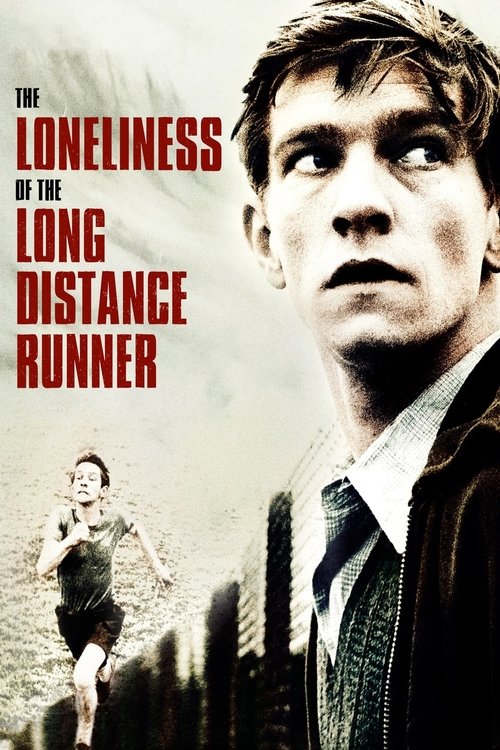
The Loneliness of the Long Distance Runner1962
Tony Richardson's film also uses class and working-class male interiority as its engine, cutting between a man's past and present to show how circumstance shapes desire and rebellion.
But The 1960s social-realism aesthetic may feel dated, and the political anger is blunter than Davies's more mournful register.
Not sure tonight? Get a pick in a minute, starting from The Terence Davies Trilogy
The wildcard
Something you would not have found on your own.
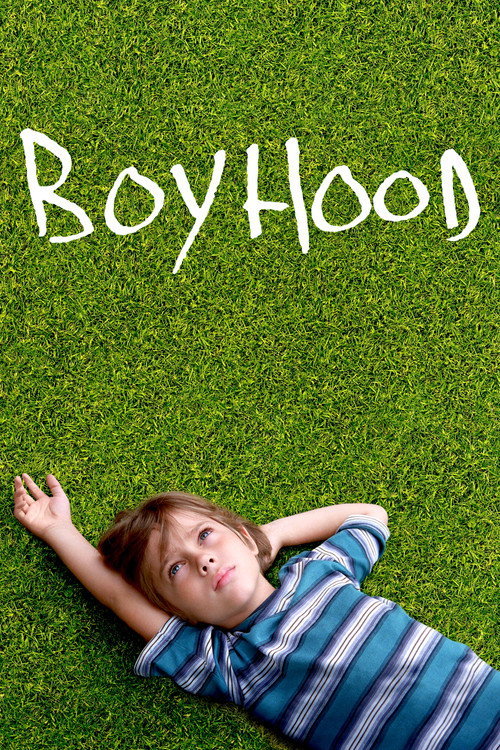
Boyhood2014
Both films refuse the conventional biography—instead building a portrait of a life through texture, repetition and the spaces between events rather than dramatic throughlines.
Linklater's 12-year real-time chronicle mirrors Davies's ambition to capture a life's shape—but through accumulated small moments rather than fragmented memory. Both ask what a life *looks* like when you stop trying to narrate it.
But It's genuinely boring for stretches, and the ordinariness some find profound others find simply slack. The runtime is three hours and it feels every minute.
More like this (8)
Secrets & Lies1996
Leigh's three-hour character study excavates a family's hidden architecture with the same accumulative emotional weight. It's observant, tender and formally restrained in ways that reward patience.
But Emotionally draining, with long sequences of people in rooms. Some find Leigh's naturalism tedious rather than illuminating.

A Ghost Story2017
Lowery's meditation on time, loss and what remains uses formal constraint (a ghost in a sheet, static shots) to unlock profound feeling. Like Davies, it's unashamed about its melancholy.
But The central image is deliberately awkward, and the pacing will test viewers who need forward momentum to stay engaged.

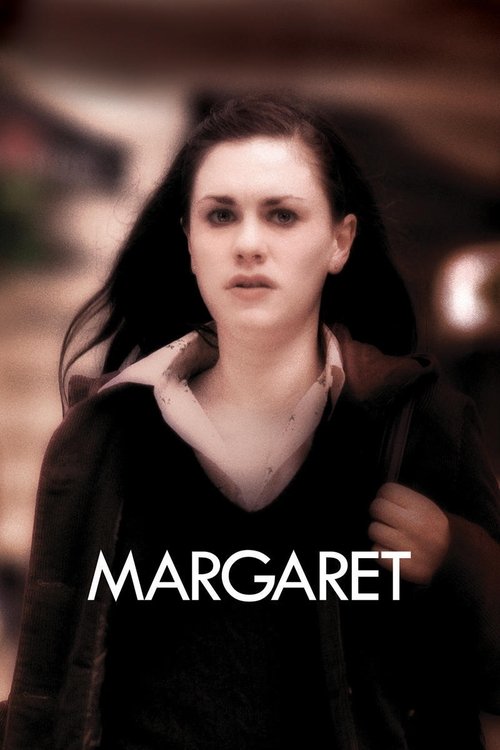
Margaret2011
Lonergan's three-hour essay on guilt and moral complexity uses fragmentation and repetition to mirror how trauma reshapes memory. Dense, demanding, and finally devastating.
But Severely divisive on release. Some find it emotionally manipulative; others find it scattered and self-indulgent.
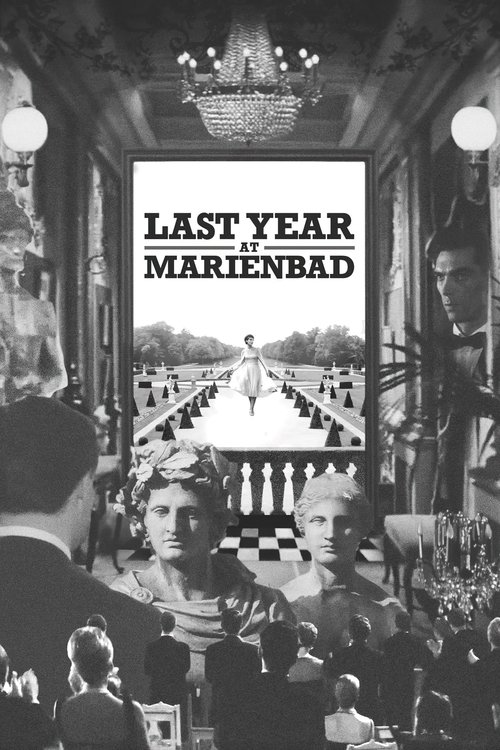
Last Year at Marienbad1961
Resnais's fractured narrative, where past and present dissolve into each other, shares Davies's structural logic—both films ask whether objective truth about a life even matters.
But Wilfully opaque and formally baroque in ways that frustrate rather than illuminate for many viewers.
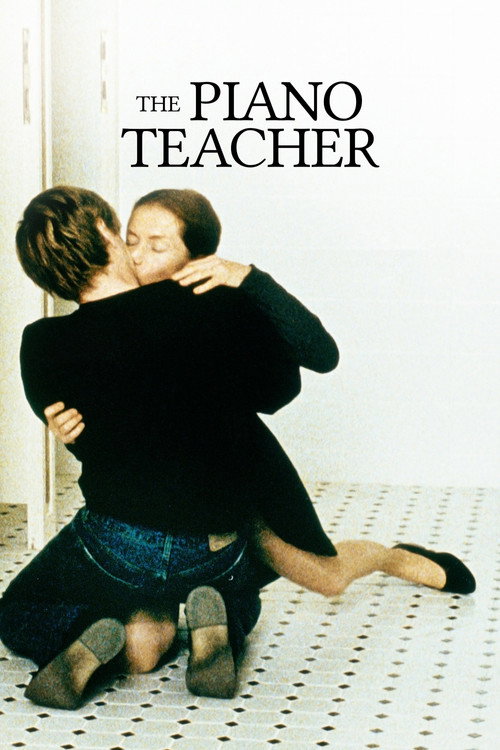
The Piano Teacher2001
Haneke's portrait of a woman's warped inner life—desire, shame, repression—uses clinical distance to reveal emotional chaos. It shares Davies's unflinching gaze on the self.
But Graphic sexual content and psychological torment deployed without sentimentality. Difficult to sit with and intentionally punishing.
The Seventh Seal1957
Bergman's meditation on mortality, faith and what endures across a life finds metaphysical weight in everyday moments. Both films trust silence and composition to do the emotional work.
But The Swedish existentialism can feel portentous, and the philosophical abstractions will lose viewers seeking human specificity.

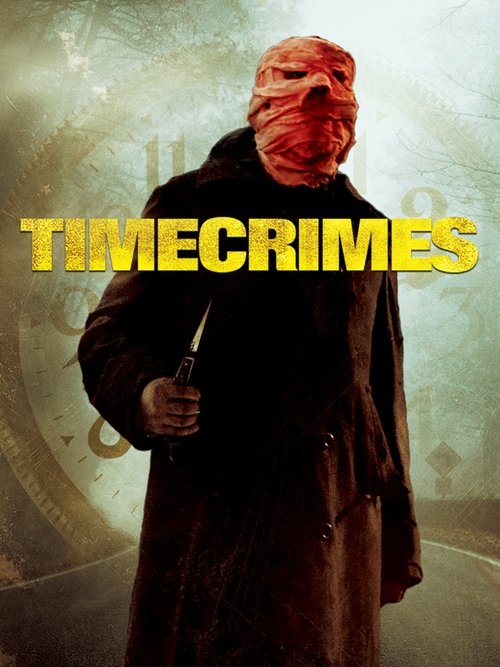
Timecrimes2007
Both films use fragmentation and temporal disruption as more than technique—they're ways of understanding how we experience our own lives, where cause and effect dissolve.
Nacho Vigalondo's Spanish sci-fi puzzle collapses time and identity into a formal maze, using genre as the vessel for existential terror about the self. Visually austere, conceptually vicious.
But Plot twists matter more than character here, and the Spanish dialogue and low budget will alienate viewers used to high-gloss production. Some find it clever-clever rather than felt.
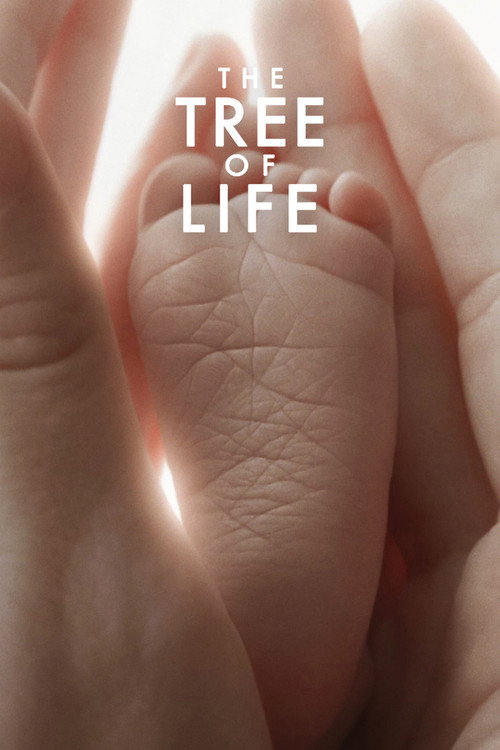
The Tree of Life2011
Both Davies and Malick believe a single life, studied deeply enough, contains everything: mortality, desire, grace, the inexplicable fact of having existed at all.
Malick's cosmic meditation on a single childhood unfolds across memory, geology, theology and light. Like Davies, it treats a particular life as a gateway to the metaphysical, using visual poetry over plot.
But Deliberately mystical and formally boundless—some find it transcendent, others find it indulgent and vague. Subtlety is not its register.
People
Cast
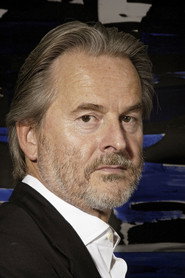
- Terry O'SullivanRobert Tucker (middle-age)
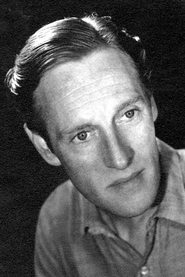 Wilfrid BrambellRobert Tucker (old age)
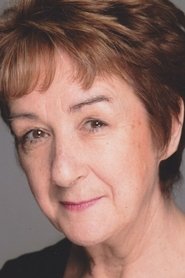
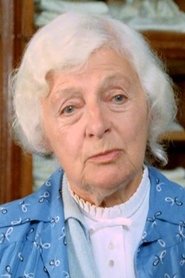 Sheila RaynorRobert's Mother
- Phillip MawdsleyTucker - child
- Iain MunroTucker age 8
Directing
- Terence DaviesDirector
Writing
- Terence DaviesWriter